







Search Results for: bitterness when cooled
Why Does Pour-Over Coffee Taste Sour After It Cools? A Comprehensive Analysis from Aroma Loss to Taste Perception
Many coffee enthusiasts encounter a phenomenon when tasting pour-over coffee: as the temperature drops, the flavor of the coffee seems to change, sometimes even developing an unpleasant sourness. This is not a problem with brewing technique, but rather a series of physical and chemical changes that coffee undergoes as it goes from hot to cold. Front Street Coffee will take you on an in-depth look at the processes of aroma loss, oil oxidation, pigment polymerization, and condensation after coffee cools, while also explaining from the perspective of sensory science why the perception of sourness, sweetness, and bitterness on the taste buds changes with temperature. Through this article, you will understand the real reasons why coffee becomes sour or bitter after it cools, allowing you to view the relationship between coffee temperature and flavor more rationally and improve your tasting experience. [more…]
Can cooled coffee be reheated? Analyzing the impact of temperature drop on flavor and practical remedies
After a freshly brewed cup of coffee sits for a while, its aroma gradually dissipates, and its mouthfeel changes noticeably. Dark roasts become less smooth, medium-light roasts develop a more pronounced sourness and astringency, and a bitter, muddled finish may even appear. Why does cooling rob coffee of its appeal? If you reheat cold coffee or chill it with ice, can it regain its original flavor performance? This article analyzes the issue from two perspectives—chemical changes and sensory perception—and, through a comparative experiment between Front Street Coffee Kafa Forest and Front Street Coffee Yirgacheffe, explores practical remedies for cooled coffee. [more…]
Pour-Over Coffee | For coffee that has cooled down, is it better to reheat it or add ice? Why does coffee's taste change so much from hot to cold?
We all know that brewed coffee will naturally cool down over time, but beyond that, its flavor also undergoes irreversible changes during this process. For example, the originally rich and fragrant aroma has clearly dissipated, dark-roasted coffee becomes less smooth, medium-light roasted coffee highlights its sour and astringent notes even more, and may even develop an unpleasant [more…]
Why Does Hot Coffee Taste Different After It Cools? Analyzing the Differences Between Hot and Cold Coffee from the Perspectives of Taste Perception and Aroma Loss
Many people are used to being told that coffee should be drunk while it is hot, because once it cools, the flavor seems to deteriorate. But what exactly happens to coffee after it cools? How does temperature affect our perception of bitterness, acidity, and sweetness? What roles do aroma loss and the congealing of oils play? Starting from a tasting case of Front Street Hamashu, this article explains the real reasons why the taste of hot coffee changes as it cools, and clarifies that not all coffee tastes bad when it goes cold. If you also want to improve your tasting ability, the article also recommends several Front Street single-origin beans with highly distinctive flavors, helping you experience the full character of coffee at different temperatures. [more…]
Why does coffee taste more acidic after it cools? Causes of pour-over flavor changes and solutions for coffee that's too sour
Many coffee enthusiasts notice that certain coffees seem to become more sour after they cool down. But this is not a universal trait of all coffee—most coffees simply lose some aroma as they cool, without their flavor framework shifting dramatically, and some even reveal greater sweetness as the temperature drops. So why does the sourness of certain coffees rise noticeably after the temperature falls? Behind this lies both the way human perception changes with temperature and the flavor composition of the coffee itself. From the perspective of Front Street, this article sorts out how temperature affects the perception of sourness, sweetness, and bitterness, explains the principle behind the intensified sourness of light-roasted coffee after cooling, and offers directions for adjustment when coffee is too sour. [more…]
Why Does Coffee Taste So Different After It Cools? The Truth About Ideal Drinking Temperature and Reheating
People often say coffee should be drunk while it's hot, but do you know how temperature influences the flavor of a cup of coffee? At Front Street Coffee, cupping involves evaluating the coffee at three stages—hot, medium, and cool—because the taste compounds in the brew and the human senses both change at different temperatures. Bitterness intensifies as temperature drops, sweetness is most pronounced near body temperature, and acidity is affected by roast level and oil oxidation. This article will walk you through the flavor evolution of coffee from hot to cold, the optimal drinking temperature range, and answer whether coffee can be reheated after it has cooled. [more…]
Can You Reheat Coffee After It's Gone Cold? A Real-World Test of Flavor Changes When Pour-Over Is Left to Cool and Then Reheated
A cup of pour-over coffee undergoes noticeable flavor changes as it goes from hot to cold—falling temperatures weaken the perception of sweetness, make acidity and bitterness more prominent, and allow aromas to keep evaporating. So can reheating cold coffee restore it to a pleasant-tasting state? Front Street conducted a comparative experiment with two beans: one is a Gold Label Geisha from Gesha Village, and the other is a Guatemalan Huehuetenango. The results showed that reheating can indeed alleviate the problem of coffee being too acidic, but whether it can become better-tasting depends on the quality of the beans themselves. This article fully documents the experimental process and the flavor performance at each temperature point, providing a reference for coffee enthusiasts. [more…]
Pour-over black coffee drinking method | What is the best temperature for tasting coffee? Is there a big difference in coffee flavor at different temperatures? Can pour-over coffee be reheated after it cools down?
The saying "coffee should be drunk while it's hot" is something people often keep on their lips, and not without reason! Front Street Coffee remembers a coffee friend describing coffee after it had gone cold like this: "After one sip my head hurt so much, that bitter/sour + woody taste lingered in my mouth and wouldn't go away, and it made me withdraw for a long time~" Hot coffee left to cool [more…]
Why Does Coffee's Flavor Take a Big Hit When It Cools? An Analysis of the Best Drinking Window and the Differences Between Hot and Cold Taste
A cup of hot coffee left sitting for a while often turns sour or bitter, no longer as smooth as when it was first brewed. This is partly due to the continued loss of volatile aromatic compounds within the coffee, and partly related to differences in how the human body perceives taste at different temperatures. Sweetness is most prominent near body temperature, while as the temperature drops, the intensity of sourness and bitterness relatively increases. Ice hand-brewed coffee likewise faces the problem of dilution in concentration after the ice melts. So, within how long should coffee really be finished? Can it be reheated to restore its original flavor after cooling? Front Street Coffee has provided answers through experiments, and this article will analyze these phenomena one by one to help you enjoy your coffee at the optimal moment. [more…]

Can Coffee Still Be Reheated After It Cools Down? Front Street’s Real Tests with Pour-Over and Flat White Reveal the Truth About Taste
When the weather turns cold, coffee cools down especially quickly, and many customers ask: can it be reheated? Before answering this question, we need to first understand what actually happens after coffee cools down. Temperature affects how the taste buds perceive sourness, sweetness, and bitterness, and it also causes volatile aroma compounds to gradually dissipate. This time, Front Street Coffee specifically conducted a comparative experiment, leaving a light-roast pour-over and a medium-dark roast Australian white to cool separately before reheating, to see just how big the difference is between the rewarmed coffee and coffee that is freshly made or fully cooled. The experimental results can help you make a more rational decision in winter about whether this cup of cold coffee is really worth reheating once. [more…]

Why does pour-over coffee become sour and astringent after cooling? Analyzing three reasons for flavor changes and the ideal drinking temperature
A freshly brewed pour-over coffee is full of aroma and smooth on the palate, but after sitting for half an hour it turns sour, astringent, and muddled—what's going on? In fact, coffee naturally presents different flavors at different temperatures, and during tasting it is often divided into three stages: hot, medium, and cool. A good cup of coffee can usually withstand all three temperature stages, but once it has fully cooled, the flavor goes beyond the normal tasting range. From Front Street's perspective, this article breaks down the root causes of coffee turning sour and developing astringent, muddled notes after cooling—including differences in how human senses perceive sourness, sweetness, and bitterness, the impact of aroma volatilization, and the three key mechanisms of oil oxidation, pigment oxidative polymerization, and condensation—and tells you the most suitable temperature for drinking coffee, helping you better capture the best flavor of every cup. [more…]
Is Hot Latte Bad When It Cools? A Full Analysis of the Correct Way to Reheat It and the Changes in Taste
A freshly made hot latte is rich in aroma and smooth in texture, but once it cools, the milk foam collapses and separates, the coffee turns bitter, and it may even take on a greasy mouthfeel. Faced with a cold latte, many people choose to reheat it and drink it again. So can a reheated latte still taste good? To what temperature should it be heated? Is a steam wand, an electric hot plate, or a microwave more suitable? Front Street compared the effects of different heating methods on latte flavor through actual testing and offered practical suggestions. This article will provide a complete analysis of how a hot latte's flavor changes after it cools, and how to reheat it so the coffee is easier to drink and less is wasted. [more…]

Why Light-Roast Pour-Over Coffee Tastes More Acidic as It Cools, and Recommended Tasting Times
Many coffee enthusiasts notice that when brewing light-roast coffee, it is rich in aroma and stands out with fruity sweetness right after brewing, but as the temperature drops, the sourness becomes especially pronounced. Is this phenomenon normal? What sensory and chemical reasons lie behind it? Front Street Coffee will analyze this from two dimensions: the patterns of human taste perception and the changes in coffee's own components, explaining the differences in how bitterness, sweetness, and sourness are perceived at different temperatures, as well as the impact of aroma volatilization on the flavor experience. At the same time, the article will also discuss the time windows for tasting at high, medium, and low temperatures, and explain the bitterness and astringency caused by the release of tannic acid, helping you fully experience a cup of coffee's flavor layers within the optimal period. [more…]
How Does the Flavor of Pour-Over Coffee Change After It Cools? Can You Reheat It and Keep Drinking? A Professional Analysis of Temperature's Effect on Taste
Drinking coffee while it's hot is the only way to enjoy it—this is the consensus among many coffee lovers. But when a pour-over goes from scalding hot to lukewarm, or even completely cold, what exactly happens to the flavor? When coffee goes cold, some people try to rescue it by reheating it—is this approach viable? From the professional perspective of Front Street, this article breaks down in detail the differences in how taste buds perceive sweetness, acidity, and bitterness across different temperature ranges, analyzes the deterioration in mouthfeel caused by aroma loss, oil oxidation, and precipitation of soluble compounds after coffee cools, and uses a tasting example of Sidamo Alo to illustrate the concrete flavor expression at each stage—high temperature, medium temperature, and low temperature. At the same time, the article offers practical advice on reheating, providing reference temperature ranges for warming back up according to the different characteristics of medium-light roasts and medium-dark roasts, helping readers minimize waste as much as possible while preserving the pleasant experience a cup of coffee should have. [more…]
The Art of Adding Ice in Iced Coffee Making: A Full Analysis of Cooling, Aroma Locking, and Ratio Techniques
Whether iced coffee tastes good often hinges on the step of adding ice. Ice is not just a cooling tool; it also locks in aroma and maintains a cold mouthfeel. How much ice to add, what kind of ice to choose, and how to ratio different coffees—these questions trouble many enthusiasts. Drawing on Front Street Coffee's practical experience, this article first explains the three major functions of ice in coffee, then analyzes the differences between solid and hollow ice, and between large and small ice, and finally provides specific ice-adding plans for iced Americano, iced latte, iced pour-over, and cold brew/ice drip, helping you make consistently delicious iced coffee at home. [more…]
Can Cold Pour-Over Coffee Be Reheated? How Different Temperatures Affect Flavor and Practical Tips for Reheating
A freshly brewed cup of hot coffee sits and gradually cools, its aroma fading and its taste deteriorating—pouring it out feels wasteful, yet reheating it risks damaging the flavor. What changes does coffee actually undergo from hot to cold? At what temperature is coffee most ideal to drink? And what should you watch out for when reheating it a second time? Starting from Front Street's everyday experience and drawing on how temperature affects taste perception, this article analyzes why coffee's acidity and bitterness intensify and its aroma dissipates after cooling, and offers different rewarming temperature ranges for medium-light and medium-dark roasts, helping you enjoy as smooth a cup as possible without letting anything go to waste. [more…]
How Temperature Shapes Coffee Flavor: Sensory Changes and Tasting Techniques from Hot to Cool
After a cup of hot coffee sits for a while, its flavor and aroma often undergo noticeable changes, even revealing sweetness, fruity notes, or floral notes that were hard to detect right after brewing. This change is not an illusion, but the result of specific chemical reactions and physical volatilization triggered by temperature fluctuations. Coffee contains over a thousand aroma compounds, of which about forty are the more commonly occurring prominent aromas, and they are released and perceived differently at different temperatures. Front Street Coffee believes that understanding the effect of temperature on coffee not only helps you find the most suitable drinking window for each bean, but also allows you to more accurately identify the balance between acidity, sweetness, bitterness, and aroma. This article will systematically sort out the flavor evolution patterns from 82°C to below room temperature, and provide actionable tasting suggestions. [more…]
Pour-Over Coffee Heat Retention and Hot Milk Coffee Temperature Control Guide: How to Slow Cooling Without Ruining Flavor
When the temperature drops, coffee cools down noticeably faster, and its enjoyable drinking window shortens accordingly. Once hot coffee goes cold, it often no longer tastes good—for example, Front Street PWN Golden Mandheling tends to turn bitter, while Front Street Yirgacheffe becomes more sharply acidic. This article addresses three questions: whether pour-over coffee can be kept warm in a thermos, why coffee's flavor deteriorates after it cools, and what temperature milk in a latte should be steamed to. It also offers practical tips, including moderately raising the water temperature and milk temperature, preheating equipment, covering and sealing, and using a thermos for short-term storage of pour-over coffee, to help you extend the time your coffee stays tasty without ruining the extraction or mouthfeel. [more…]
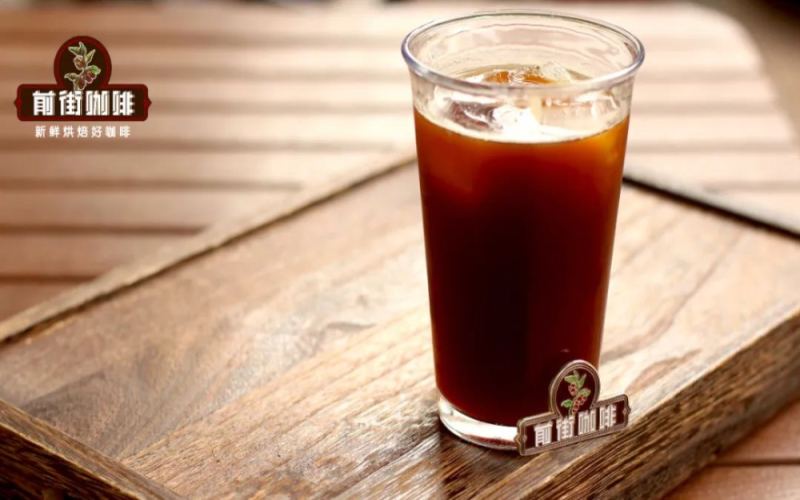
How Much Ice Makes an Authentic Iced Americano? A Deep Dive into the Secret Behind Coffee Shop Ice That Resists Melting
When drinking iced coffee, have you ever agonized over how much ice to add and how to add it properly? In fact, ice in iced coffee is far more than just a way to cool things down—it also plays multiple roles, such as locking in aroma, maintaining a low temperature, and balancing concentration. Starting from the principles behind how ice works, this article breaks down in detail the differences between solid ice and hollow ice, the advantages of refrozen ice, and, for different categories such as iced Americano, iced latte, iced pour-over, and cold brew and ice drip, provides specific ice-to-coffee ratios and Front Street brand recommendations to help you make a cup of iced coffee at home that isn't watered down and has plenty of aroma. [more…]
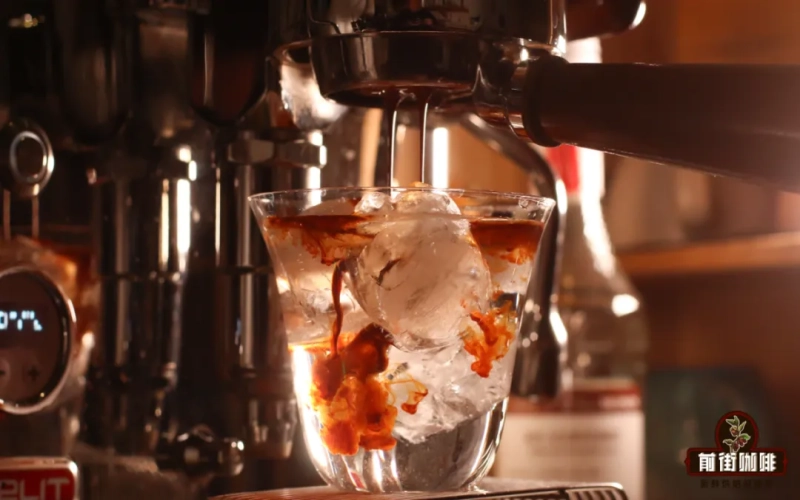
How to Make an Iced Americano Without Water? Key Points and Flavor Advantages of the All-Ice Espresso
Ordering an iced Americano with extra ice and no water has become increasingly common in coffee circles in recent years. It is not simply equivalent to drinking espresso directly; rather, through the collision of ice cubes with hot espresso, it produces a cup of iced coffee with higher concentration, lower bitterness, and more fully preserved aroma. This article will start from the basic composition of an Americano, explain the difference between a water-free iced Americano and a regular iced Americano, and detail the order of production, the principle of extraction cooling, and practical techniques such as shaking to cool down, helping you make a better-tasting all-ice Americano. [more…]