







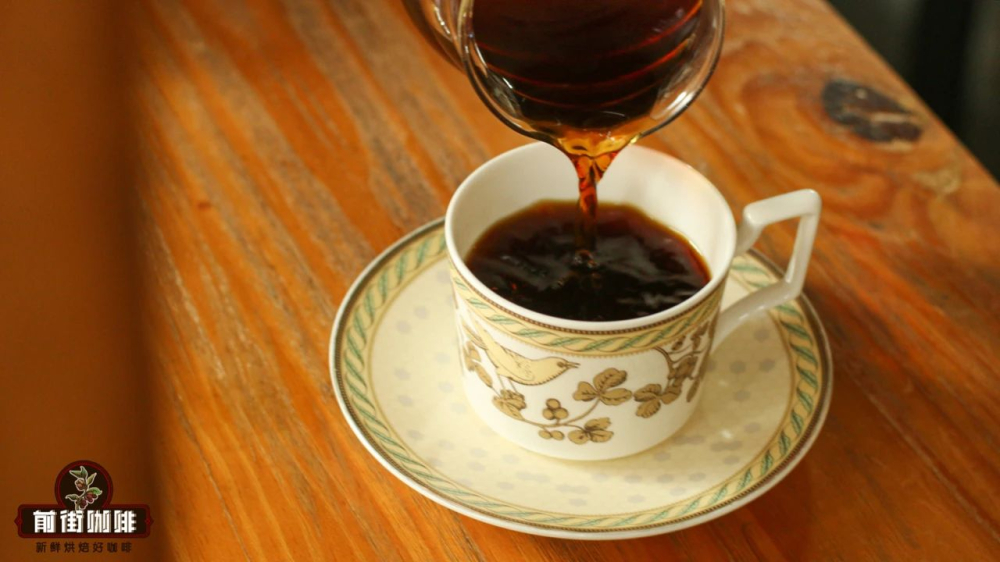
The saying "coffee should be drunk hot" is something everyone keeps on their lips for good reason! Front Street Coffee remembers a coffee friend describing cooled coffee this way: "After one sip my head hurts so much, that bitter/astringent + woody taste lingers in my mouth and won't go away, it made me shut down for a long time~"
Why does hot coffee taste so different after it cools down?
Temperature changes the expression of taste and sensory experience~
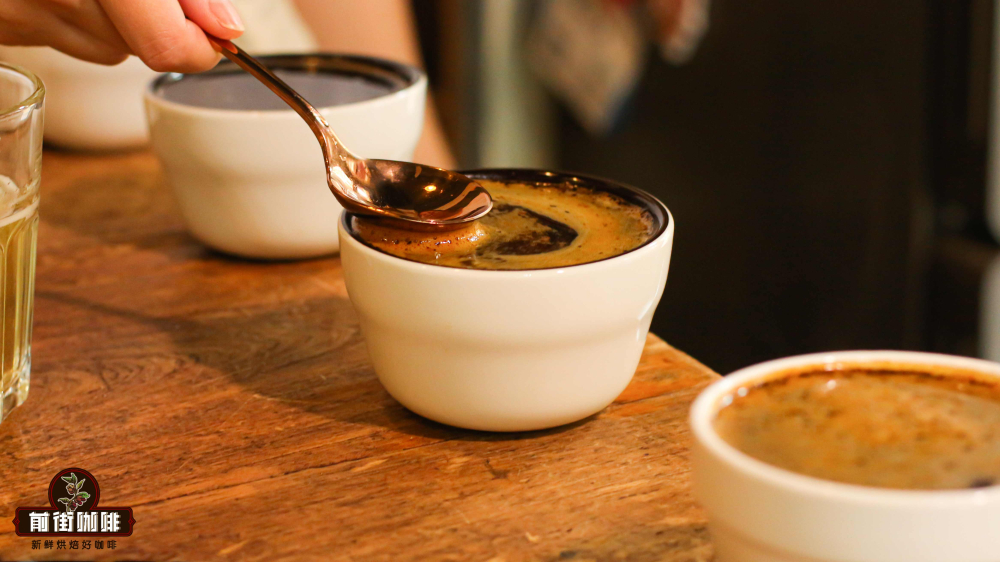
When Front Street Coffee cups a coffee bean to determine its flavor, it evaluates it at three temperature stages: high, medium, and low, because coffee liquid expresses different flavors at different temperatures. This happens mainly for two reasons: one is that the taste substances in coffee change with temperature, and the other is that human senses change with temperature. Human senses can perceive five basic tastes: sour, sweet, bitter, salty, and umami, among which coffee most often exhibits sour, sweet, and bitter. These three taste substances show different effects at different temperature stages.
"Bitterness, bitter sensation"
In the world of taste buds, when it comes to sensitivity to tastes, bitterness always ranks first! So whenever the taste buds perceive bitterness, they immediately send this message to the brain: "Tense up the nerves quick, ah, bitterness is here!"
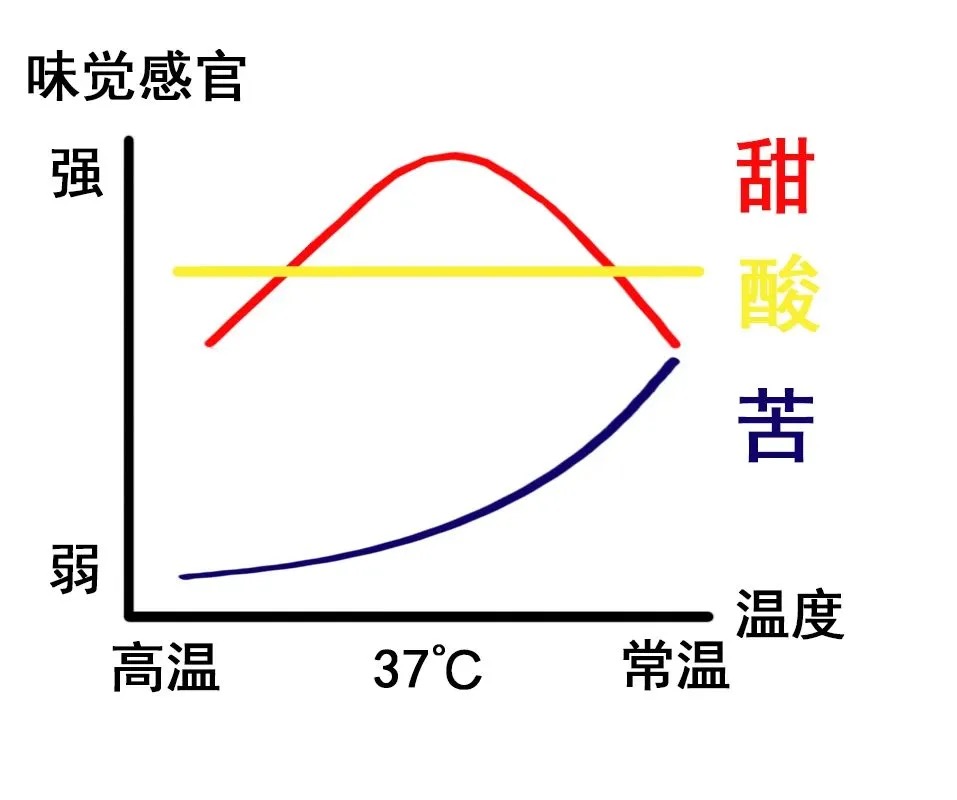
Bitterness becomes more pronounced as the temperature drops, because when the temperature is too high, the burning sensation of the liquid contacting the mouth overrides the taste buds' perception, reducing taste sensitivity. So when we taste a darker-roasted coffee and can already feel the bitterness at high temperature, once the coffee cools completely it becomes even harder to drink.
"Sweetness, sweet sensation"
When a food's temperature is close to normal human body temperature, sweetness is most pronounced. For example 🌰: add white sugar to a cup of hot water and stir until dissolved, then taste it at different temperatures, and you'll find that when the sugar water is at 30-50℃ the sweetness is most obvious. The same applies to coffee liquid: when the coffee liquid reaches this temperature in the mouth, the sweetness and lingering sweetness are most obvious.
"Sourness, sour sensation"
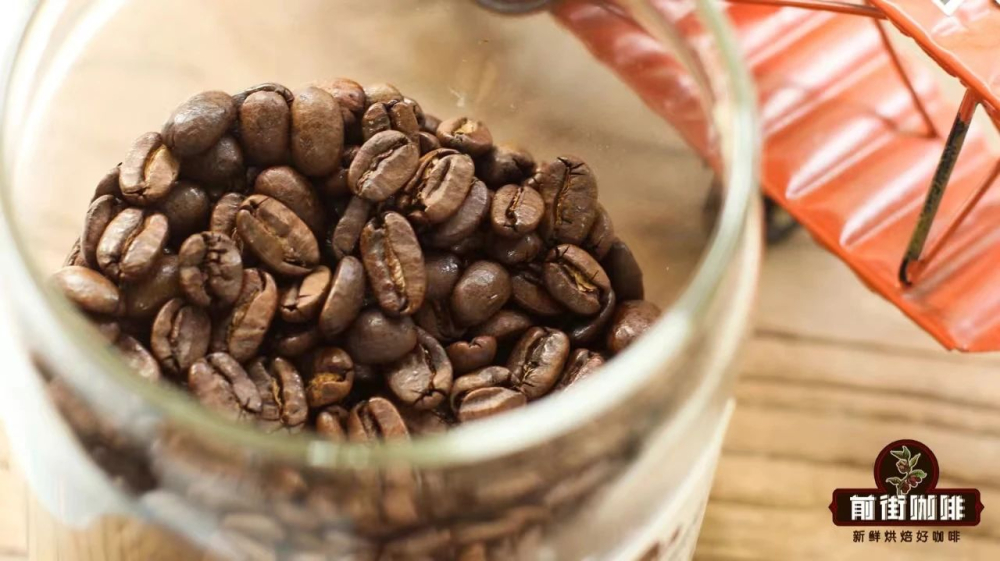
Sourness does not show obvious differences as temperature changes~ Similarly, if you add lemon juice to a cup of hot water, at no temperature stage does the sourness show any obvious difference. So why does lightly roasted coffee taste so unusually sour after it cools? First, lightly roasted coffee itself has fewer bitter substances than dark roasted coffee, being mainly composed of sweet and sour flavor substances~ When the temperature drops below 30℃, the expression of sweetness is no longer active, which makes the sourness stand out. Another reason has to do with the oxidation of coffee oils.
Why does coffee develop unpleasant bitterness after cooling/sourness?
First, because of oil oxidation. Although pour-over coffee uses a paper filter to block most of the oils during brewing, a small portion of the oils still blends into the coffee liquid and drips through the filter. This layer of coffee oil, as the coffee liquid's temperature drops, slowly re-solidifies and floats on the surface of the coffee liquid, coming into contact with the air. Once this layer of oil comes into direct contact with air (oxygen), it begins to deteriorate and produces a strongly irritating rancid sourness (more often seen in lightly roasted coffee). This easily deteriorating oil is also the source of rancid oil flavor (more often seen in dark roasted coffee).

Second, because of pigment oxidation and polymerization, in simple terms coffee stains. During roasting, coffee beans produce brown pigments through the Maillard reaction and caramelization; some of the substances produced by caramelization give coffee caramel, chocolate, and other flavors, and this portion oxidizes and deteriorates over time, with the taste gradually turning burnt and bitter.
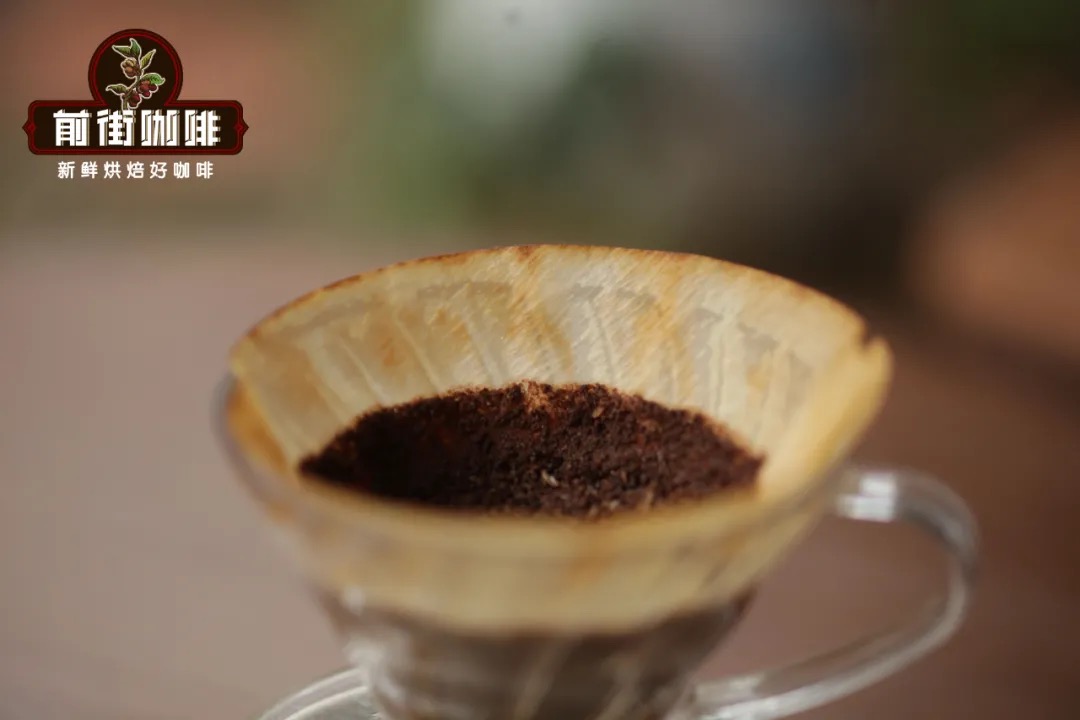
The best temperature for tasting coffee
As mentioned above, as coffee temperature varies, the expression of taste and flavor also has its different optimal moments. Freshly brewed coffee is generally above 70℃, and taking a sip at this point is quite hard on the mouth, so at this time we can first smell the aroma—volatile flavor compounds are most active at high temperatures~ When the coffee drops to 60℃, that's when the full-bodied taste is at its best.
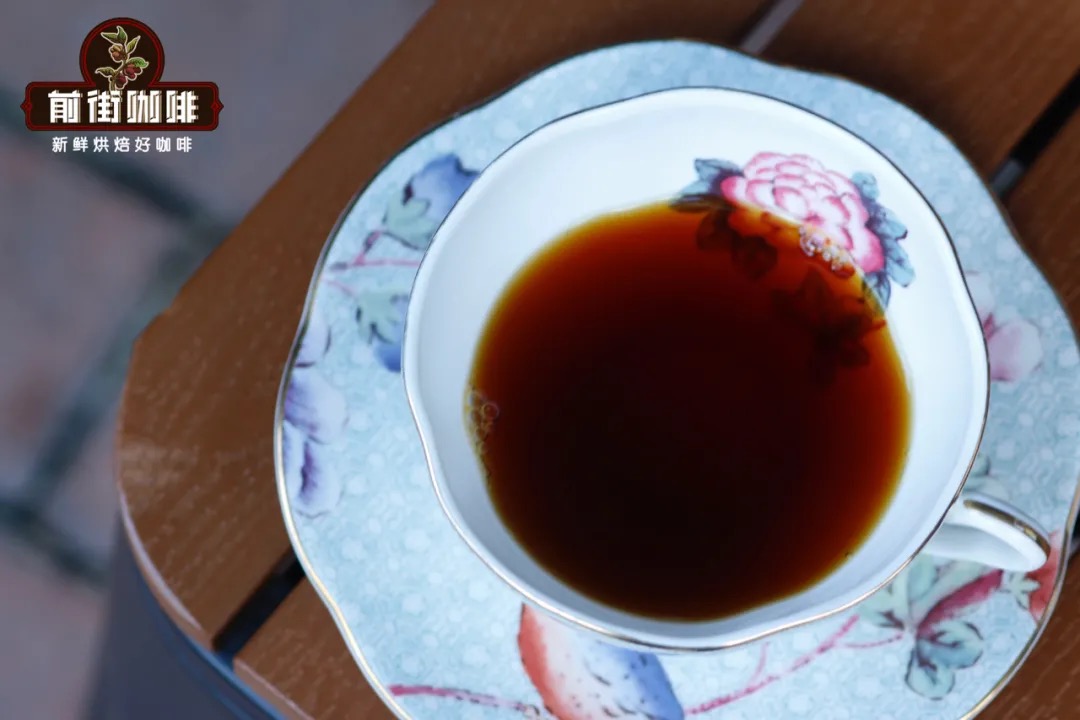
When the coffee drops to 50℃, that's when the sweet and sour substances are active, and quality flavors like floral and fruity notes and nutty notes are most prominent at this stage. When the coffee drops to 37℃, sweetness is at its best. When the coffee drops to room temperature, that's when sourness is at its strongest. Different coffee beans have different optimal tasting temperatures depending on the roast; generally, coffee beans with pronounced sweet and sour notes have an optimal tasting temperature around 30-50℃, while those with high body have an optimal tasting temperature around 40-60℃.
Can coffee be reheated after it cools down?
Front Street Coffee does not recommend this. As the temperature drops, volatile flavor compounds are also depleted, and reheating at this point will not restore the coffee's original aroma. Moreover, when unpleasant tastes and flavors have already appeared after the coffee cools, reheating will only intensify the expression of these flavors.
The above content is compiled by CoffeeHunters, a coffee news website.


