







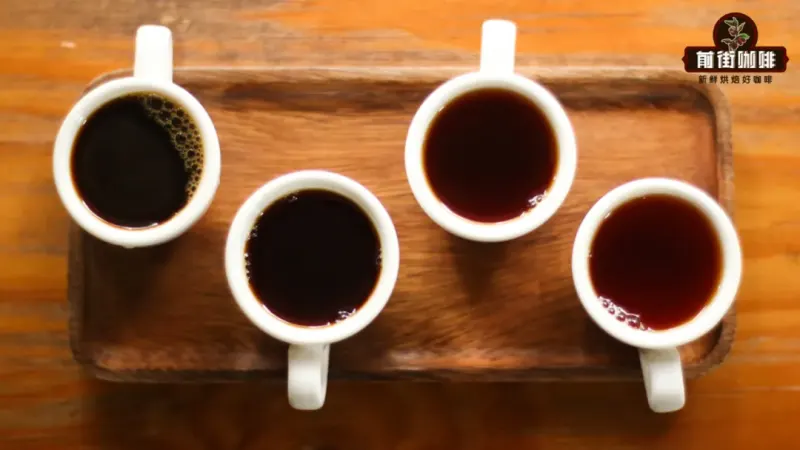
Why Does Sweetness in Coffee Change as the Cup Cools?
Hot coffee tastes different after it cools because the coffee itself changes and so does taste perception. Aroma compounds evaporate and fade, oils condense, and sensitivity to bitterness, acidity, and sweetness shifts with temperature. In one tasting of Front Street Hamashu, a brew full of strawberry, mango, citrus, and guava notes lost nearly all its aroma once cold, and its acidity turned sharp while the mouthfeel lost its smoothness.
Not every coffee turns unpleasant when it cools, though, as certain beans keep their character at lower temperatures. To sharpen tasting skills, Front Street recommends single-origin beans with highly recognizable flavors, from light-to-medium roasts such as Flower Queen and Fruit Ding Ding to the Front Street Panama Geisha, whose distinct floral profile makes temperature-driven flavor changes much easier to detect.
Many people are used to being told to drink their coffee while it's hot, because once it cools, the flavor seems to deteriorate. But what exactly happens to coffee after it cools? How does temperature affect our perception of bitterness, acidity, and sweetness? What role do aroma loss and oil condensation play? This article starts from a tasting case of Front Street Hamashu to explain the real reasons why hot coffee tastes different after cooling, and clarifies that not all coffee tastes bad when cold. If you also want to improve your tasting skills, the article recommends several Front Street single-origin beans with highly recognizable flavors to help you experience the full profile of coffee at different temperatures.
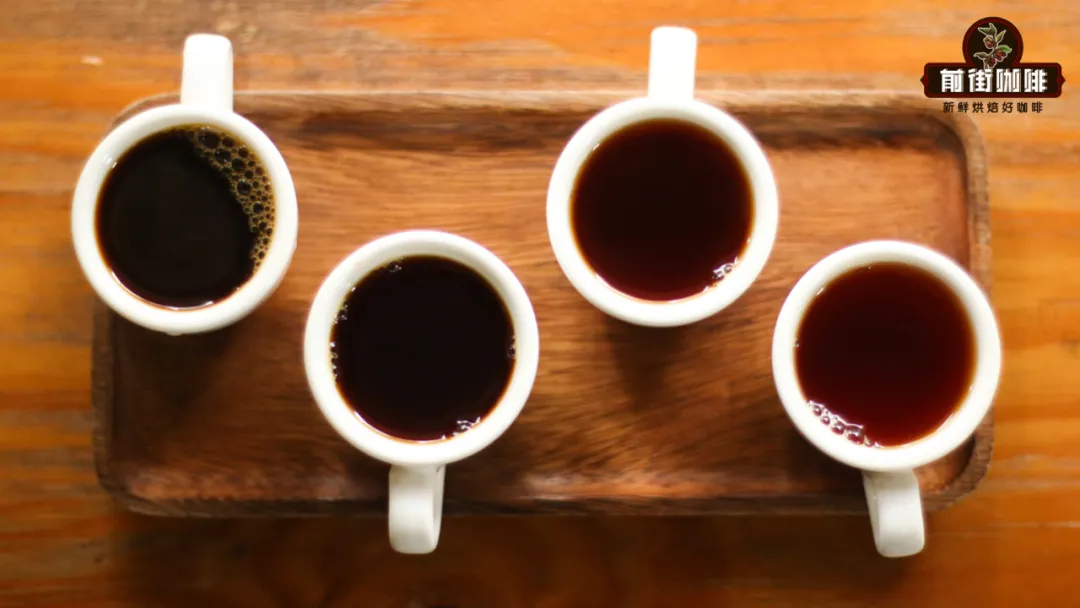
The saying "drink it while it's hot" is probably familiar to everyone in daily life. Not only will elders at home urge you to finish freshly made soup while it's hot, even baristas or coffee enthusiast friends will remind you to finish your hot coffee as soon as you pick it up.
The reason is that once coffee cools down, it often becomes less pleasant to drink. This is no exaggeration—Front Street has mentioned in many past articles that after hot coffee completely cools, its taste, aroma, and mouthfeel can all undergo tremendous changes.
What changes occur after hot coffee cools?
Here Front Street uses the experience shared by a friend who came to the shop yesterday to buy beans as an example. This friend said he brewed a pot of hot coffee using Front Street Hamashu. When he tasted it right after brewing, he could feel the rich floral and fruity aroma of Front Street Hamashu, with a flavor as abundant as a fruit bomb—strawberry, mango, citrus, guava, and a delicate floral note. The taste was sweet and sour, the mouthfeel light and smooth, quite delicious!
But after the coffee completely cooled, not only was almost no aroma detectable, the taste was no longer impressive either. The acidity became somewhat sharp, and the mouthfeel was no longer as smooth. He couldn't help but exclaim on the spot: "Coffee really must be drunk while it's hot." The reason for such changes is that many components in coffee change over time and with temperature. For example, aroma, oils, and factors beyond the coffee itself—our own ability to perceive various tastes.
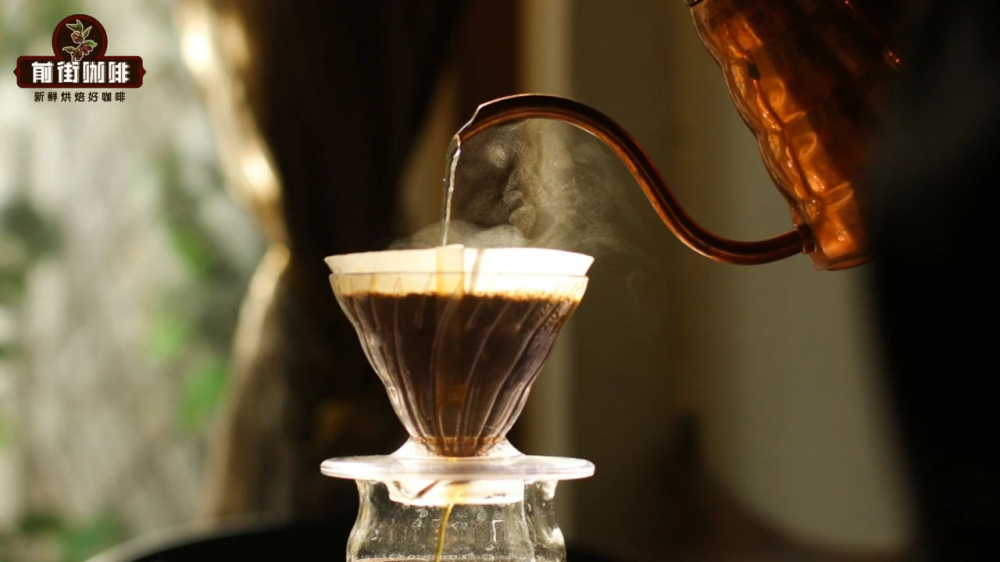
If you want to efficiently improve your tasting level, you can buy single-origin coffee beans with highly recognizable flavors. Top choices are light-to-medium roasted Front Street Flower Queen, Front Street Fruit Ding Ding, Front Street Panama Geisha, as well as medium-dark roasted Front Street Queen's Estate and Front Street PWN Golden Mandheling. These coffees have distinct regional characteristics and are extremely cost-effective—truly reliable everyday staples for home.
Why does hot coffee taste less good after cooling?
First, Front Street wants to remind everyone that not all coffee deteriorates after cooling—it's just that cooled coffee is relatively less enjoyable than when hot;
Also, cold coffee tasting bad doesn't necessarily mean the coffee beans are of poor quality. It could also be a brewing issue that caused negative flavors in the coffee. When the temperature drops, these negative experiences are amplified, making the coffee seem unpleasant. These two easily misunderstood points deserve everyone's attention.
Back to the main topic: the first reason cooled coffee tastes less good than hot is that temperature changes alter our perception of different tastes—this is something Front Street frequently shares.
At different temperatures, human taste buds have varying sensitivity to flavors. For example, when a liquid is hot, the burning sensation in the mouth suppresses the taste buds' perception, reducing our sensitivity to all tastes, especially bitterness.
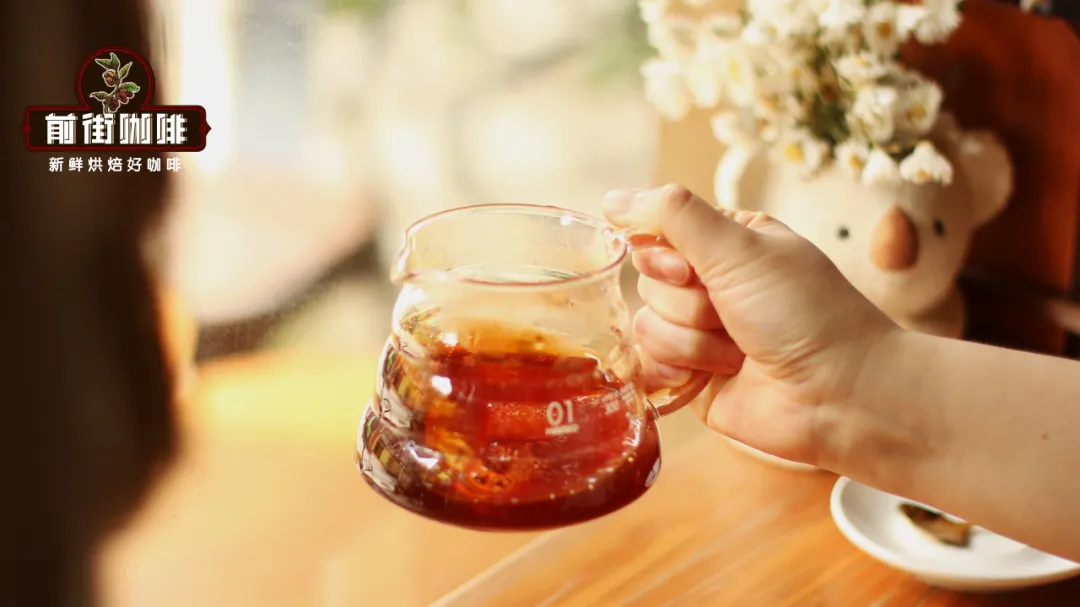
When the temperature drops, because the burning sensation that masked flavors is reduced, the taste buds' perception of all tastes recovers, especially bitterness and acidity. After the liquid completely cools, bitterness and acidity are very easily detected by us. If there isn't enough sweetness to balance them, liquids rich in bitterness or acidity become hard to swallow—such as coffee and Cantonese herbal tea.
Sweetness in coffee is another matter. The sweetness in coffee mainly comes from the perception brought by aroma (not entirely, sweetness is secondary), which is the so-called sweet sensation. If you want to perceive coffee's sweetness more easily, it's best to taste it when the coffee temperature is close to human body temperature. After the temperature drops, it becomes increasingly difficult for us to capture the sweetness in coffee.
Because flavors balance each other, when coffee lacks sweetness and only has acidity and bitterness left, the acidity and bitterness get amplified—simply put, they become more prominent. This is why many coffees become more sour and more bitter after cooling.
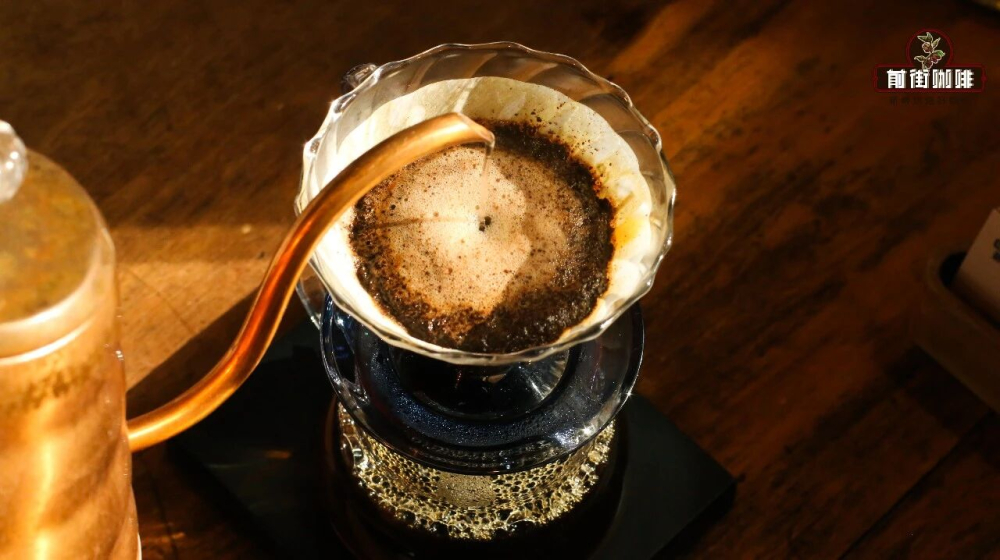
Another influencing factor comes from aroma! The flavors we smell and taste from coffee are mainly associations produced by aroma combined with taste. Most of the aromas in coffee are volatile. After the coffee is brewed, these aromas continuously dissipate. So the longer the coffee sits, the more aroma is lost. Without these aromas that trigger associations, the layered complexity of the coffee naturally weakens considerably.
If the coffee sits long enough, some substances will also undergo condensation, such as oils. This reduces the smoothness of the coffee's mouthfeel while also making it thinner.
In summary, we can understand why hot coffee becomes less enjoyable after cooling. But not all coffee tastes bad when cold. For example, the vast majority of coffee beans on Front Street's bean list, including the Front Street Hamashu mentioned above, can deliver excellent flavor performance even after cooling, as long as they are brewed properly—because the coffee doesn't contain too many unpleasant substances. So even when it cools down, it's only slightly inferior to when it was hot~
The above content is compiled by CoffeeHunters, a coffee news website.


