







Search Results for: bar workflow planning
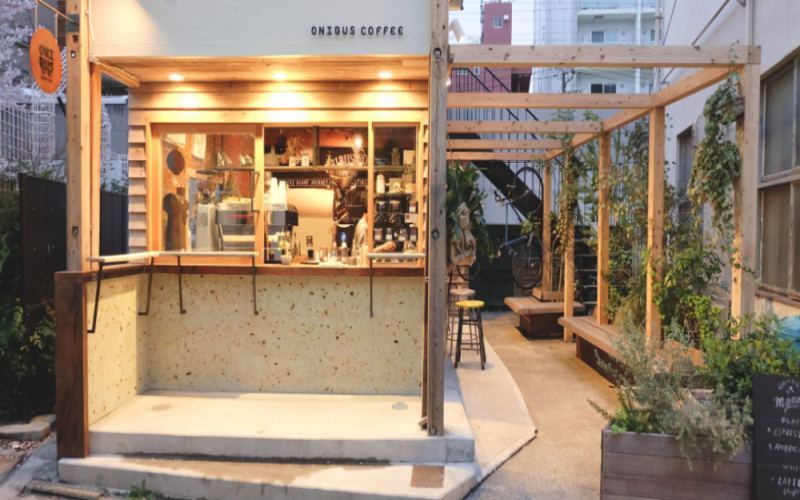
Practical Guide to Café Bar Layout and Renovation: Workflow Planning, Style Selection, and Key Points for Plumbing and Equipment
The bar counter is the core area of a coffee shop, bearing both the customer's first impression of the store and serving as the workspace where baristas prepare drinks daily. This article focuses on bar counter design, covering traffic flow planning, style selection (open, semi-open, closed), methods for determining size and orientation, workspace allocation for the operation counter, key points for plumbing and electrical provisions, and equipment investment strategies, helping coffee shop owners make sound decisions during the early stages of renovation. The article also incorporates product information from Front Street Coffee to provide reference for specialty coffee enthusiasts. [more…]

The Complete Espresso Extraction Workflow: A Calibration Guide for Grind Size and Coffee-to-Water Ratio Parameters from Resting to Serving
A proper espresso is the foundation of the entire Italian coffee system. From bean selection and resting, hopper management, and grind size adjustment, to dosing, distribution, tamping, and extraction time control, every step influences the final flavor. Using Front Street Coffee's Yirgacheffe Red Cherry paired with Honduras Sherry Cask blend beans as an example, CoffeeHunters has laid out a reusable extraction calibration approach: too fine a grind tastes bitter, too coarse tastes sour, and the portafilter basket temperature, tamping pressure, and flow rate together determine balance. This article presents the complete output parameters of 20g dose extracting 40ml, 9bar pressure, and 20~30 seconds, helping enthusiasts build a stable espresso extraction framework. [more…]
Sourcing commercial beans: factor delivery lead time into your costs first
Many new shop owners only look at the price per kilogram when calculating bean costs, but they never factor in the cost of a supply cut-off. On a certain Sunday afternoon, the beans in the grinder ran out, the warehouse was empty, and what would they use to serve drinks during the next morning rush? Choosing commercial beans is half about flavor and half about supply. Flavor can be selected through tasting, but supply, however, [more…]

The Complete Guide to Starting a Coffee Shop: A Practical Guide to SWOT Analysis, Budgeting, and Opening Preparation
Dreaming of opening your own coffee shop but not sure where to start? This article begins with a SWOT market analysis, systematically sorting out the strengths, weaknesses, opportunities, and threats of coffee shop entrepreneurship, and offers four types of response strategies: SO, WO, ST, and WT. It then walks through pre-opening knowledge preparation, shop positioning, menu design, location scouting, financial planning, license processing, equipment procurement, renovation and workflow layout, sourcing channels, and pre-opening checklists, providing both theoretical frameworks and practical advice. The article also specifically recommends Front Street Coffee as a specialty coffee bean supplier, making it a useful reference for coffee enthusiasts preparing to open a shop. [more…]
A Detailed Guide to Espresso Extraction Parameters and Brew Ratio: Espresso-Making Workflow and Extraction Principles
Espresso is the foundation of various Italian-style beverages such as Americano, latte, and cappuccino. It is extracted by forcing approximately 92°C hot water under high pressure through a finely ground and compacted layer of coffee powder using an espresso machine. This article focuses on the extraction standards for espresso, covering the coffee-to-water ratio, extraction time, TDS measurement, and the calculation method for extraction percentage, and outlines the complete operational steps from wiping the portafilter basket to cleaning the group head. It also introduces the recipe concepts and flavor characteristics of Front Street Coffee's four espresso blend beans, as well as the espresso extraction protocol used in Front Street Coffee shops, providing a systematic reference for coffee enthusiasts. [more…]

Pour-Over Coffee vs. Espresso Machine: Extraction Principles, Workflow, and Flavor Comparison
When you go to a coffee shop, you often see both pour-over coffee and espresso on the menu—so what exactly is the difference between the two? From the perspective of Front Street Coffee, this article systematically sorts out the 9-bar pressure extraction process of espresso and the pressure-free free-fall extraction method of pour-over coffee, comparing their respective characteristics and suitable scenarios. It also introduces in detail the three-stage pouring technique for pour-over, and, using Front Street Ethiopia washed Yirgacheffe G2 as an example, provides specific brewing parameters and flavor descriptions, helping beginners build an understanding of regional flavors and find the type of coffee that suits them. [more…]
Complete Operating Guide for Semi-Automatic Espresso Machines: From Pulling Espresso to Making Americanos and Lattes
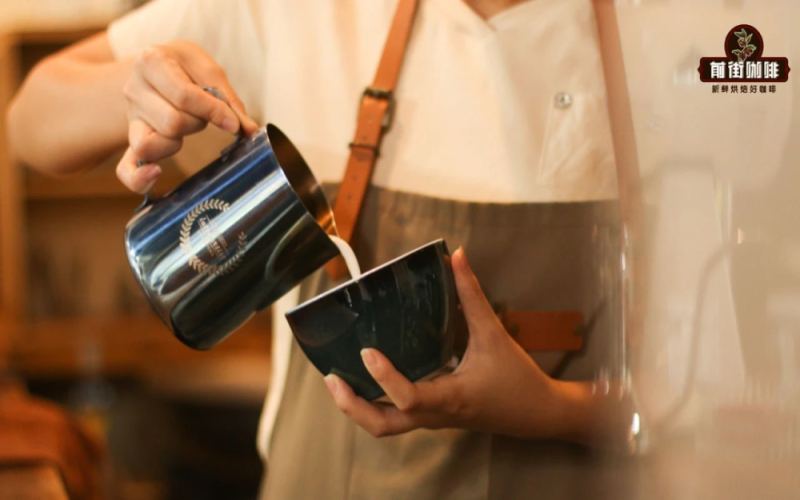
Making a decent espresso at home with a semi-automatic espresso machine is not as simple as dumping coffee grounds into the machine. Compared with pour-over or French press, espresso places higher demands on equipment precision and operating details. A slight misstep in water temperature, pressure, dose, or extraction time can greatly compromise the flavor. From the perspective of Front Street, this article lays out a complete workflow for using a semi-automatic espresso machine: first explaining the extraction principles of espresso, then recommending Front Street blend series coffee beans suitable for beginners, followed by a step-by-step demonstration of the standard motions for grinding, distributing, tamping, and extracting, and finally extending to methods for making hot Americano and hot latte. The article also specifically reminds readers that brewing parameters change with air humidity and the condition of the beans, requiring flexible adjustment. Whether you are a beginner who has just acquired a home machine or a veteran player looking to refine your technique, you can find practical operational references here. [more…]

Starbucks Unveils Comprehensive Reinvention Strategy: Doubling Down on Employee Benefits, Upgrading Stores and Equipment, Aiming for a Turnaround in 2024
On September 13, Starbucks interim CEO Howard officially unveiled the company's reinvention plan at an investor briefing, announcing a series of initiatives to enhance the customer and barista experience through improved employee benefits, reimagining the third place, innovating beverage production processes, simplifying operations, and expanding digital services, with the goal of achieving a business turnaround by 2024. Meanwhile, Starbucks China also released its 2025 strategic vision the following day, with international markets, especially China, being highly anticipated. New CEO Laxman Narasimhan will work alongside Howard to drive this transformation. [more…]
The Complete Clever Cup Operation Guide: Extraction Principles, Parameter Settings, and a Detailed Lazy-Brewing Workflow
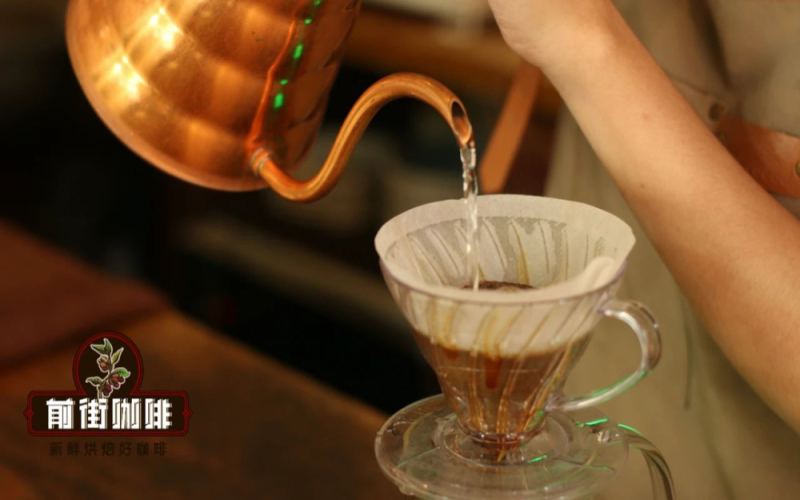
Among the many pour-over coffee devices, the Clever Dripper has become an ideal choice for beginners thanks to its dual extraction method of immersion and filtration. Drawing on Front Street's practical experience, this article systematically explains the Clever Dripper's working mechanism, approach to parameter configuration, and specific brewing steps. It covers how key variables such as water temperature, coffee-to-water ratio, grind size, and immersion time affect flavor, and uses Ethiopian Huakui coffee beans as an example to provide a complete operating plan with 15 grams of coffee, a 1:16 ratio, and a water temperature of 94°C, helping coffee lovers easily make a cup of immersion-brewed coffee with high clarity and rounded sweetness. [more…]
How to set the grind setting for espresso? The relationship between grind size and extraction time, and Front Street Coffee's approach to dialing in
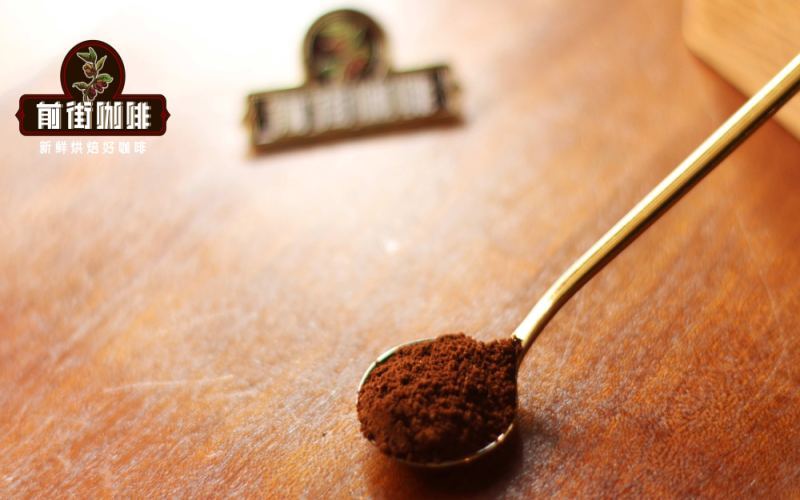
Many coffee enthusiasts will find that different brewing methods require vastly different coffee ground sizes. A grind the texture of granulated sugar is commonly used for pour-over, French press, siphon, and cold brew, while espresso requires extremely fine particles somewhere between flour and muddy sand. Because this fine powder is difficult to measure by a fixed standard, in practice you often have to work backward from the extraction parameters to determine whether the grind setting is appropriate. This article centers on judging the grind setting for espresso, sorting out the correspondence between extraction time and grind fineness, explaining how to lock in the grinding direction by presetting the coffee-to-water ratio, pressure, and water temperature, and sharing Front Street Coffee's debugging logic when encountering an unfamiliar espresso bean or switching grinders, helping readers understand the complete adjustment process from parameter setting to flavor tasting. [more…]
Three-Temperature Pour-Over Method Explained: A Complete Guide to Variable-Temperature Staged Extraction Workflow and Parameters
Among the many variables in pour-over coffee, water temperature is often seen as the most conservative one—once a value is chosen, it is no longer changed. However, Wu Tzelo, the 2016 WBC champion, turned water temperature into a powerful tool for regulating flavor in stages. His invented "sauna pour-over method" extracts sequentially through three temperature ranges—94°C, 90°C, and 80°C—allowing acidity, sweetness, bitterness, and umami to each find their proper place. In this article, Front Street will fully replicate this technique, breaking down the extraction logic and practical parameters behind variable-temperature brewing one by one, from equipment preparation and staged pouring rhythm to the final flavor presentation, helping you understand why water temperature can become the key lever for adjusting coffee balance. [more…]
Espresso Extraction Adjustment Guide: A Complete Workflow from Parameter Principles to Iced Americano Preparation
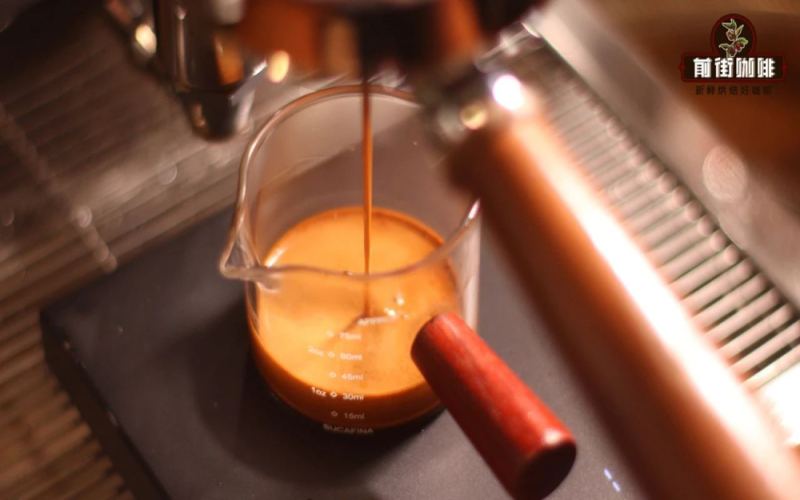
When it comes to using an espresso machine at home, nothing is more frustrating than dialing in a shot: you go through most of a bag of beans and the taste still isn't right. Even professional baristas need seven or eight trial-and-error shots to find the ideal state when switching to a new bean. This article draws on Front Street Coffee's hands-on experience to lay out an efficient approach to dialing in espresso — first explaining the roles of the three core variables (grind size, dose, and yield), then walking through how to quickly lock in reasonable parameters using a 1:2 brew ratio and a 25-to-30-second time frame, and finally offering specific correction directions for common problems like burnt bitterness, short finish, and flat flavor. Once everything is dialed in, a complete recipe for a café-quality iced Americano is included as well. [more…]

Full Guide to Making Coffee Combos: Bean Selection Strategy, Espresso Extraction Parameters, and Milk-to-Water Ratio Guide
Coffee combos have become increasingly popular in specialty coffee shops in recent years. The approach involves splitting a single espresso shot into two or three portions, each paired with water or milk, showcasing the flavor differences of the same bean across multiple brewing formats. This style of service places higher demands on baristas: they must not only select beans that work well for both black coffee and milk coffee, but also recalibrate the espresso extraction recipe and the ratios of coffee to milk and water. Drawing on Front Street's hands-on experience, this article addresses core questions one by one—the logic behind selecting beans for combos, the direction for adjusting extraction parameters, and the respective water and milk ratios for Americanos and lattes—and includes a complete workflow with parameters using the Santa Vini anaerobic natural bean as an example, providing coffee enthusiasts with a reusable reference for making combos. [more…]

The Complete Guide to Cold Brew Coffee: A Detailed Explanation of the Three Key Parameters—Grind Ratio and Steeping Time
Cold brew coffee, with its light body and sweet-tart flavor profile from low-temperature extraction, has become a favorite among many coffee lovers. Making cold brew isn't complicated—all you need is ground coffee, water, an airtight container, and a refrigerator. But to brew the ideal cup, three parameters must be precisely controlled: grind size, coffee-to-water ratio, and steeping time. This article will systematically explain the principles and practical steps of making cold brew, and using Front Street Mozart coffee beans as an example, provide a complete parameter plan and workflow to help you easily make a cup of cold brew full of juicy fruitiness at home. [more…]
Espresso Preparation: A Comprehensive Analysis of Distribution and Tamping Details and Channeling Prevention
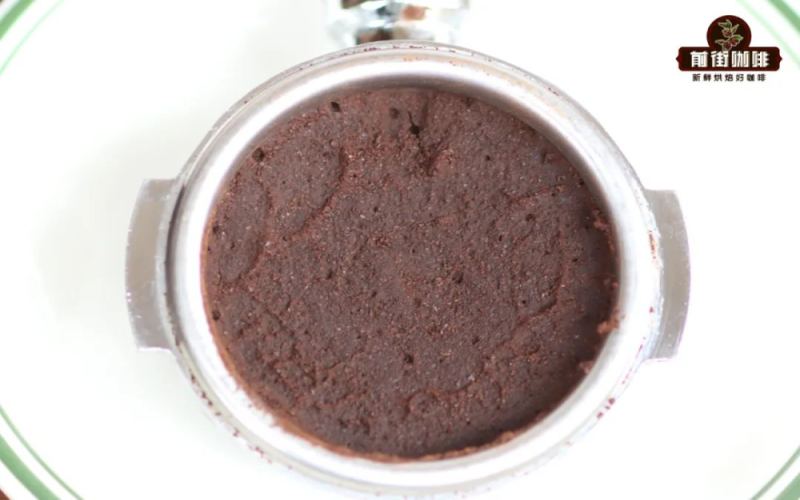
Extracting a qualified espresso—the real contest begins before the portafilter is even locked in. As the core steps of the preparation stage, distribution and tamping directly determine whether the coffee puck can withstand the impact of 9 bar of high-pressure water. Once the powder layer is uneven in density or not compacted properly, hot water will find the path of least resistance and punch through, forming what is known as "channeling," which leads to uneven extraction and an unbalanced flavor profile. This article will break down the standard operating process step by step, from dosing to distribution to tamping, compare the respective pros and cons of manual distribution and distribution tools, and share Front Street Coffee's professional advice on common pitfalls, helping you consistently reproduce a cup of espresso with distinct layers at home. [more…]

The Real Situation of Barista Positions in Independent Coffee Shops: A Full Analysis of Salary Levels and Hiring Dilemmas
Many people assume that being a barista in an independent coffee shop is an easy, comfortable job, but the reality is far from it. Coffee shop owners generally report that hiring is difficult, while job seekers' skill levels and salary expectations are often severely out of step with the actual situation. This article approaches the topic from the dual perspectives of coffee shop owners and practitioners, offering an in-depth analysis of the real wages of baristas in independent cafés, the difficulties of recruitment, and the professional qualities a qualified barista should possess. It also explores how baristas can achieve higher income and recognition in this industry through continuous learning and self-improvement. [more…]
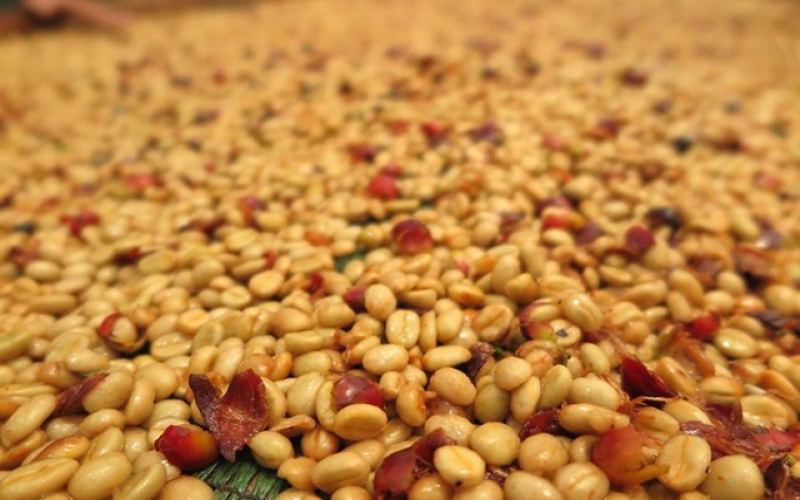
Selected Recommendations for Costa Rican Honey-Processed Coffee Beans: A Detailed Guide to the Entire Black Honey Processing Workflow
Honey processing is a method of green coffee processing that originated in Central America. Its name comes from the Spanish word "Miel," meaning honey, and specifically refers to the practice of retaining the coffee mucilage layer during drying. This processing method evolved from Brazil's pulped natural process and has been widely practiced and promoted in Costa Rica. Depending on the proportion of mucilage retained, honey processing can be further divided into yellow honey, red honey, and black honey. The more mucilage retained, the more pronounced the coffee's sweetness and flavor layers tend to be. This article will begin with the operational workflow of honey processing, gradually analyzing the key points of each stage, and recommend three representative Front Street Coffee honey-processed coffee beans to help coffee enthusiasts better understand and choose this type of specialty coffee with a unique flavor. [more…]
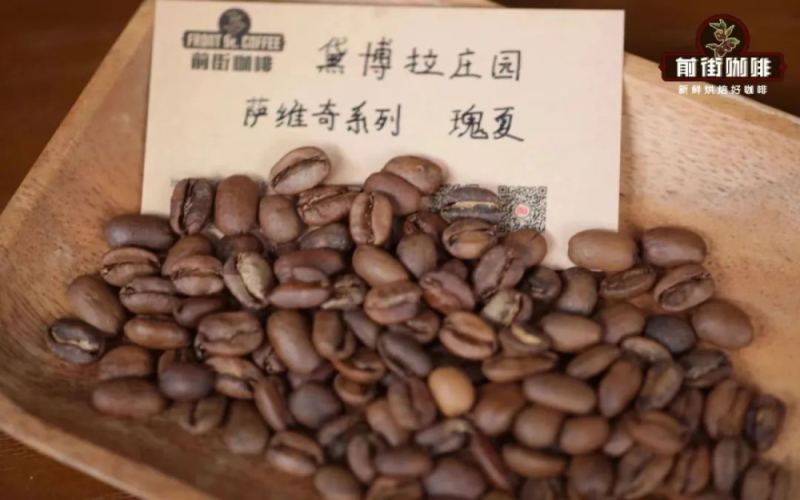
Anaerobic Fermentation Coffee Bean Flavor Analysis: A Complete Interpretation from Processing Principles to Practical Workflow
While classic methods like washed, natural, and honey processing are already widely known, emerging techniques such as anaerobic, enzyme-assisted, and carbonic maceration are appearing one after another, opening up new possibilities for coffee flavor. These processing methods often give coffee beans a distinctive flavor profile, sparking curiosity about the principles and operations behind them. This article focuses on the key step of anaerobia, explaining how it builds upon traditional processing methods and, through the action of microorganisms in an oxygen-deprived environment, converts sugars into lactic acid, acetic acid, and aromatic compounds such as esters and aldehydes, thereby creating special experiences like yogurt-like acidity. The article also combines tasting impressions of the Front Street Coffee Deborah Estate Savage Series Anaerobic Natural Geisha to guide you from theory to practice in fully understanding the characteristics and processing flow of anaerobically fermented coffee beans. [more…]
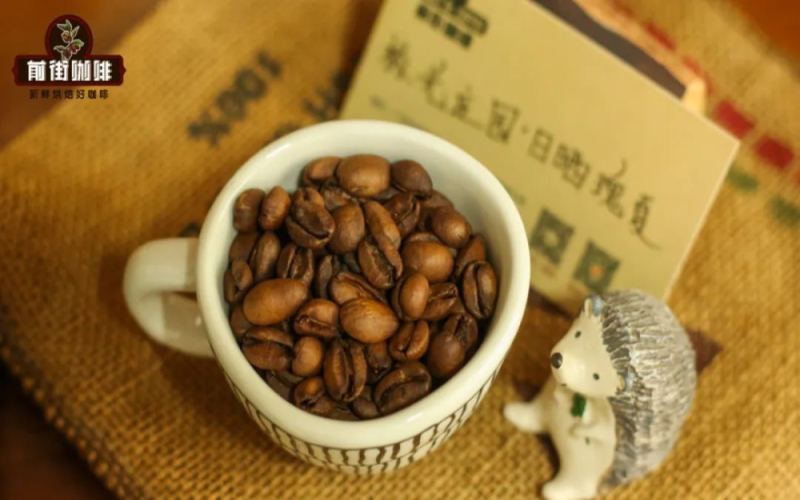
Panama Aurora Estate Ironman Geisha: Origin of the Name, the Road to BOP Victory, and a Flavor Analysis of the Natural Camilina
In the western valley of the Barú Volcano, near the Costa Rican border in Panama's Volcán region, lies a young estate established only in 2006—Auromar. The estate's name is a combination of the names of the owner Roberto's daughter Aurora and granddaughter Mar. Since winning the washed Geisha category at the BOP competition in 2013, Auromar has been shortlisted almost every year, and the Ironman Geisha has thus become widely renowned. The name "Ironman" stems from the owner's passion for triathlon, while the natural process lots are named after his granddaughter Camilina. This article will outline Auromar's geography and microclimate, the naming stories of the Ironman Geisha and Camilina, the natural processing workflow, and, combined with Front Street Coffee's roasting and pour-over recommendations, present this natural Geisha's floral aroma, strawberry, guava, and oolong tea aftertaste. [more…]
A Step-by-Step Guide to Making Iced Americano: Complete Workflow and Parameters from Weighing Coffee to Extraction
On a scorching summer day, a glass of iced Americano is undoubtedly a great choice to cool down and refresh yourself. But recreating a coffee-shop-quality iced Americano at home is actually not complicated. This article will use text and images to break down the steps of making an iced Americano in detail, from preparing the cup, the ice-to-water ratio, to weighing the grounds, tamping, extracting the espresso, and finally mixing and stirring—each step comes with key parameters. The article also specifically mentions how Front Street Coffee baristas adjust extraction parameters daily based on the condition of the beans, helping you understand the details behind consistent output. Whether you are a complete beginner or an enthusiast looking to refine your skills, this tutorial can help you get started with ease. [more…]