







How does an espresso machine work step by step?
An espresso machine heats water in a boiler, builds steam pressure, and forces hot water at about 94 degrees Celsius through a packed bed of finely ground coffee at 9 to 10 bar. That pressure produces a concentrated shot in roughly 25 to 30 seconds, which is why dose, grind, and tamp all matter so much on a semi-automatic model.
A standard home workflow is grind, distribute, tamp, then extract, adjusting finer or coarser as humidity and bean condition change. For a hot Americano, add hot water to the shot; common americano coffee proportions run about 1 part espresso to 4 to 6 parts hot water. Steamed milk turns the same shot into a latte.
Making a decent espresso at home with a semi-automatic espresso machine is not as simple as tossing coffee grounds into the machine. Compared to pour-over or French press, espresso places higher demands on equipment precision and operational details—water temperature, pressure, dose, and extraction time all need to be just right, or the flavor will suffer greatly. From the perspective of Front Street, this article lays out a complete workflow for using a semi-automatic espresso machine: first explaining the extraction principles of espresso, then recommending Front Street blend series coffee beans suitable for beginners, followed by a step-by-step demonstration of the standard actions for grinding, distributing, tamping, and extracting, and finally extending to methods for making hot Americano and hot Latte. The article also specially reminds readers that brewing parameters will change with air humidity and bean condition, requiring flexible adjustment. Whether you are a beginner who just got a home machine or a veteran looking to refine your technique, you can find practical operational references here.
When you want to drink a cup of coffee in daily life, most of the time you cannot do without the help of equipment. Among all types of coffee, espresso has a relatively higher threshold for beginners, because the machine it uses has a more precise structure and more complex components, so there are naturally more details to pay attention to when getting started. Today, Front Street has put together a very detailed operation tutorial. Friends who plan to make good espresso may want to follow along step by step.
Espresso is not simply boiling coffee grounds with water, nor is it reheating already brewed coffee liquid to make it stronger. To get true Espresso, you must use a dedicated coffee machine, that is, the semi-automatic espresso model in a café that can eject steam. As one of the most widely recognized coffee types in the world, espresso has always been known for being heavy and intense, and now that high-quality beans are emerging one after another, the flavor expressions we can taste are also becoming more and more diverse.
The working principle of an espresso machine is to first heat the water in the boiler and generate steam, then use the pressure formed by the steam to force hot water at about 94 degrees Celsius, under conditions of 9 to 10 bar, to quickly pass through a very finely ground coffee bed, thereby obtaining a coffee liquid with a texture close to the viscosity of honey.
If you are a beginner just getting into espresso, Front Street suggests starting with the Front Street blend series designed specifically for espresso: if you want rich crema and a full-bodied taste, choose Front Street. Front Street Classic Blend; if you value stable output and a mild flavor, choose the espresso moka pot coffee bean recommended by many baristas—Front Street Dark Cocoa Blend; if you want to try something with a special floral and fruity character, then order Front Street. Strawberry Candy Espresso Blend.
The biggest advantage of blended beans is stability, and they are also more cost-effective. Combining beans from different origins in different proportions can prevent single-origin beans (that is, beans from a single origin) from exposing their shortcomings under higher concentration and stronger extraction.
Steps for Extracting Espresso
Step one, press the coffee machine power button and wait for the machine to complete automatic heating. When the display temperature rises to 94 degrees Celsius, you can begin preparing for extraction.
Before extraction, first wipe the portafilter basket clean, start the grinder, grind the amount for a double shot of coffee, put it on the electronic scale and adjust until the weight reaches 20 grams.
Then use a distribution tool to level the coffee bed, and then use a tamper to apply force vertically downward, pressing and compacting the coffee puck so that the extraction process will be more stable.
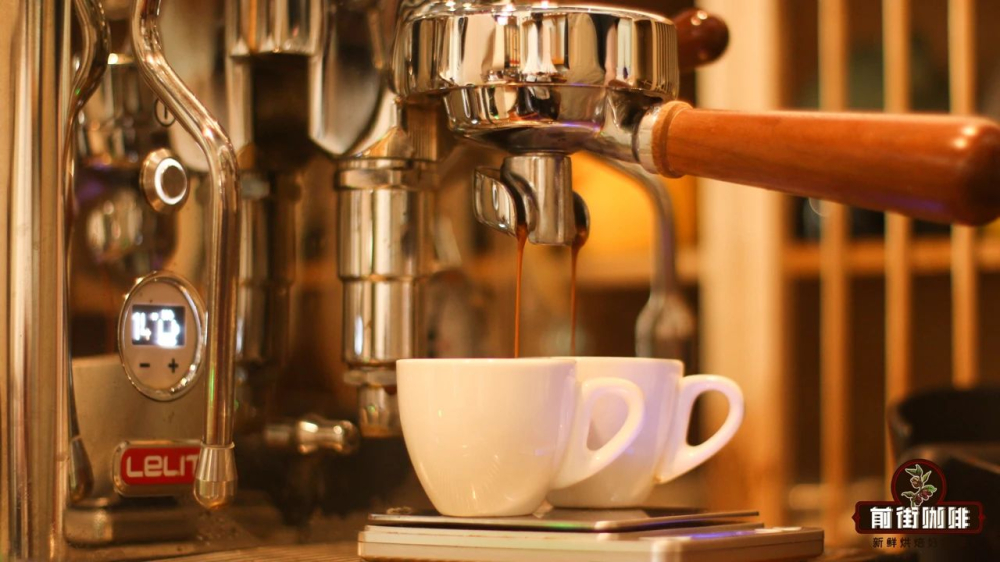
Next, turn on the extraction switch and release water for 1 to 2 seconds to wet the group head and also rinse away any remaining coffee grounds on it. Then place the cup for Espresso on the electronic scale, tare the weight to zero, and place it under the group head together during extraction.

Gently lock the portafilter onto the group head and toggle the extraction switch down to start the water flow. Watch the state of the coffee liquid flowing out. When the electronic scale shows the liquid weight reaches 40 grams and the time used is about 30 seconds, pull the switch down to stop extraction.
If you want to drink Americano, prepare a 200 to 250 milliliter cup, first pour in 160 to 200 grams of warm hot water, then pour the espresso into it, and a cup of hot Americano is complete.
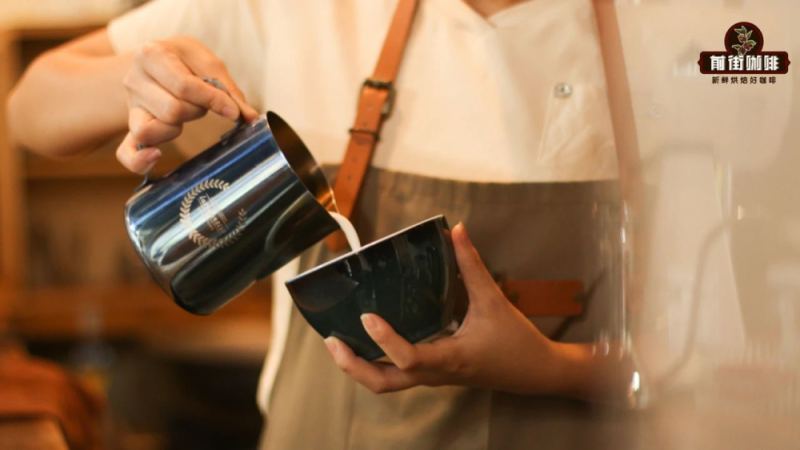
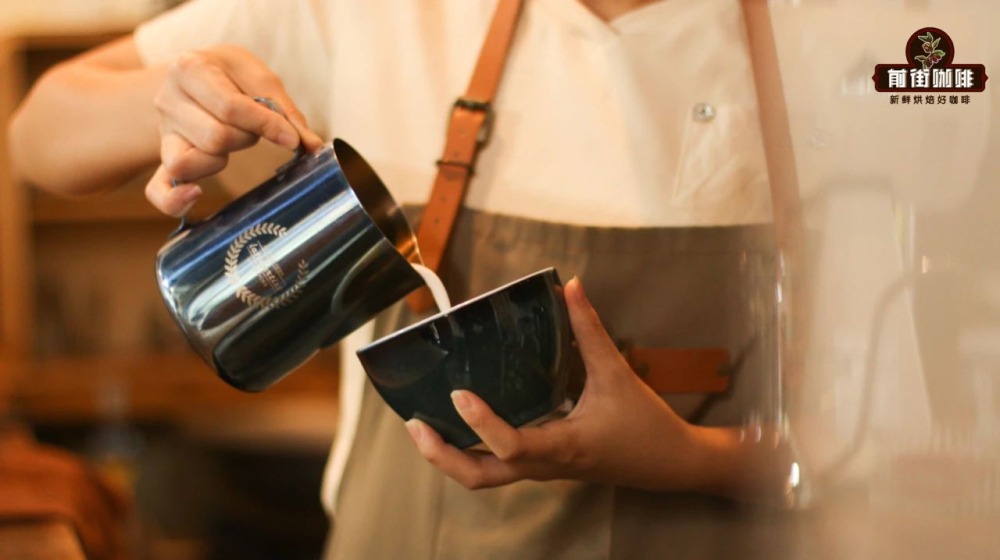
If you want to drink a hot latte, you need to prepare a 300 milliliter cup, first pour in the espresso, then add 220 milliliters of fresh milk to the milk pitcher, steam it to 55 to 60 degrees Celsius, making sure there is a layer of fine and smooth milk foam on the surface, then fully mix the milk and coffee, and by the way you can also pour a nice pattern.
One thing to note is that brewing parameters will change slightly with the day's air humidity and the condition of the coffee beans, so the dose, grind setting, and extraction liquid amount all need to be appropriately fine-tuned up or down.
The above content is compiled by CoffeeHunters, a coffee news website.


