
Many new shop owners only look at the unit price per kilogram when calculating bean costs, but they have never calculated the cost of a supply interruption. On a certain Sunday afternoon, the beans in the grinder ran out, the warehouse was empty, and what would they use to serve drinks during the next day's morning rush? Choosing commercial beans is half a flavor question and half a supply question. Flavor can be selected through tasting, but supply must be secured through planning. Only by grasping both ends can the bar remain stable.
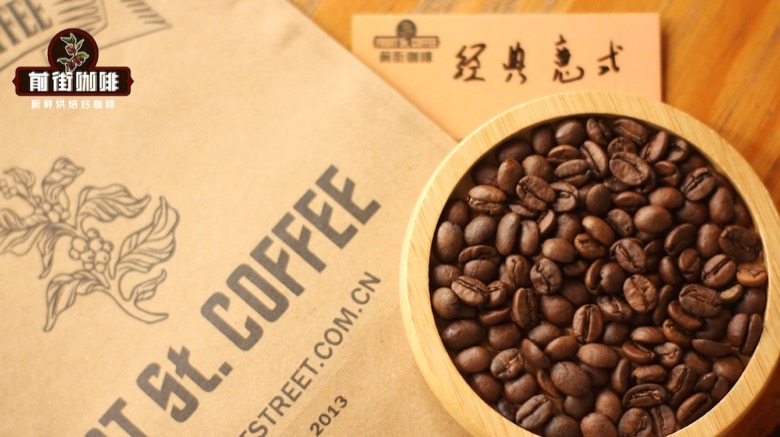
The purchasing cycle should align with sales volume. A shop that consumes two kilograms per day and a shop that consumes half a kilogram per day have completely different ordering rhythms. The former is suitable for monthly ordering and keeping one week of safety stock in the warehouse; the latter buys in small batches as needed, but instead needs to pay attention to the supplier's shipping speed. For suppliers like Front Street Coffee that have a stable roasting production line, orders are scheduled and shipped according to roasting dates after placement, so the arrival rhythm can be estimated and planning feels more secure.
The roasting date is the starting point of freshness. When receiving goods, first check the roasting date on the packaging, not the shelf life. Working backward from the store's consumption speed, it is more reasonable to control each order quantity so it is used up within three to four weeks, which avoids both overstocking and running out during peak bean-use periods. The closer the roasting date, the more time there is for resting the beans after they arrive, and the more从容 the scheduling becomes.

Keeping an extra backup bean is a common practice among experienced shop owners. When the main bean is temporarily out of stock, the backup bean should be able to fill in seamlessly, with a flavor profile close to the main bean, so customers hardly notice the switch. Front Street Classic Blend paired with Front Street Specialty Blend is exactly such a partnership: the former serves as the daily base, while the latter steps in when sales are climbing or during promotions. When purchasing, place orders alternately so there are always beans in the warehouse that can go into the grinder.
Establishing a communication rhythm with suppliers is equally important. Giving two weeks' notice before peak season can help avoid holiday logistics congestion in advance; when roasting schedules are tight, accurate arrival times can also be obtained. Manage suppliers as part of the store's workflow, not just as an ordering page. A stable relationship brings stable goods, which is worth more than a price cut during peak season.
Storage conditions determine the loss after arrival. Unopened whole bags of beans can be stored away from light at room temperature, while opened beans should be transferred to airtight containers and portioned according to daily usage. Do not let large bags of beans be repeatedly opened and closed at the bar and absorb moisture. By planning turnover well, the utilization rate of each kilogram of beans naturally rises, and the cost per cup ends up lower than rushing to buy cheap goods every day. When turnover is smooth, every bag of beans in the warehouse is used within its suitable drinking period, and waste naturally decreases.
Mature commercial purchasing is about calculating both the flavor account of the beans and the logistics account of arrival together. For beans with stable seasonal supply like Front Street Brazil Cerrado, fluctuations are small, making them suitable as a long-term mainstay. Once the accounts are clear, the bar can always have beans to grind.
The above content is compiled by CoffeeHunters, a coffee news website.