







Search Results for: aroma locking
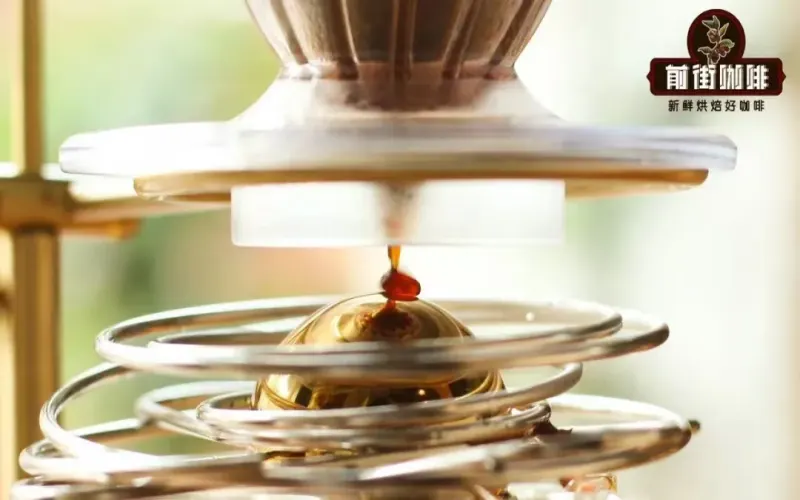
How do you use the Paragon小金球 for pour-over coffee? An analysis of the actual effects and key operating points of the rapid-cooling aroma-locking method.
In the past two years, a coffee processing method called "rapid chilling to lock in aroma" has become popular in competitions and among enthusiasts, shared and promoted by Sasa Sestic, with the core tool being the Paragon chiller ball. It works by rapidly lowering the temperature of the coffee liquid to slow down aroma volatilization, theoretically preserving more flavor. But how effective is it really? Why do most competitors only rapid-chill the first portion of the coffee liquid? Front Street conducted a comparative test using a pour-over of Huakui and a Strawberry Candy espresso, and found that the aroma difference in the pour-over group was not obvious, while the espresso group showed mouthfeel differences due to temperature changes. This article will break down in detail the principle of rapid chilling to lock in aroma, the results of the comparative experiment, and the two major reasons for only chilling the first half, helping coffee enthusiasts view this technique rationally. [more…]
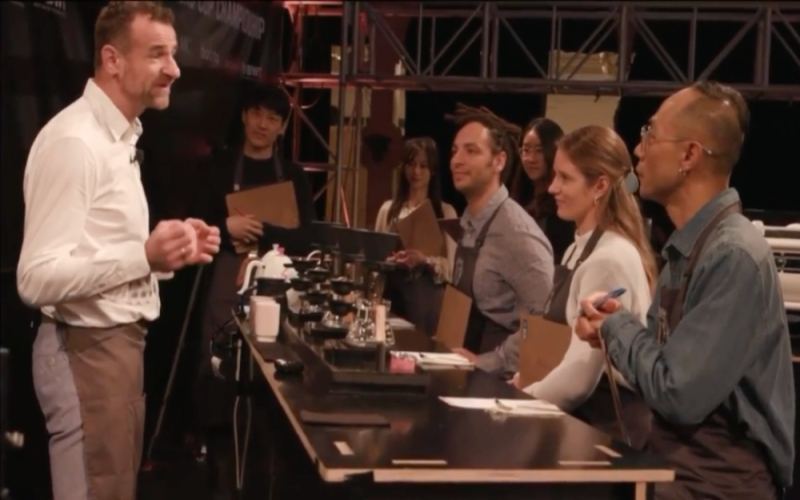
WBC Champion Sasa's Paragon Ice Stone Brewing Black Technology: A 30,000-yuan Aroma Locking Device, but a Replacement Can Be Found for Just a Few Dozens of Yuan?
2015 WBC champion SaSa Sestic returned as runner-up in the 2022 Australian Brewers Cup, bringing with him a brand-new brewing device called the Paragon—a specially made ice rock mounted in the middle of the dripper to lock in the volatile aromatics in the coffee liquid. According to Sasa, this invention is the result of collaborative research with Professor Jahan and the Swiss Coffee Center of Excellence, and it can capture up to 40% extra aromatics through rapid cooling during the first and middle stages of extraction. However, the official price of this brewing stand plus metal ice rock is as high as $4,292, equivalent to more than 30,000 RMB, which has sparked a lot of discussion among coffee enthusiasts. Bloggers on YouTube have already begun hands-on testing and found that its core component is similar in principle to the food-grade stainless steel ice cubes commonly seen in bars, while similar products on Taobao cost only a few dozen yuan. So what exactly makes this ice rock so special? When brewing the same Geisha with a V60 paired with the Paragon versus a plain V60, the TDS rises from 1.27 to 1.37—what differences are there in flavor performance? This article will explain it all in detail for you. [more…]

Analysis of Common Espresso Extraction Misconceptions and Standard Operating Demonstration Guide
In the daily preparation of espresso, many seemingly insignificant operational details often determine the success or failure of the final flavor. This article systematically outlines four easily overlooked extraction pitfalls: not flushing water to cool down before attaching the portafilter, not knocking out the puck promptly after extraction, forgetting to clean the dispersion screen, and leaving the portafilter locked in the group head for extended periods. These habits not only affect the taste of the coffee but may also shorten the lifespan of the equipment. Drawing on Front Street Coffee's practical recommendations, the article provides corresponding correct practices and standard demonstrations to help coffee enthusiasts develop proper operating procedures and improve the consistency and quality of every cup of espresso. [more…]
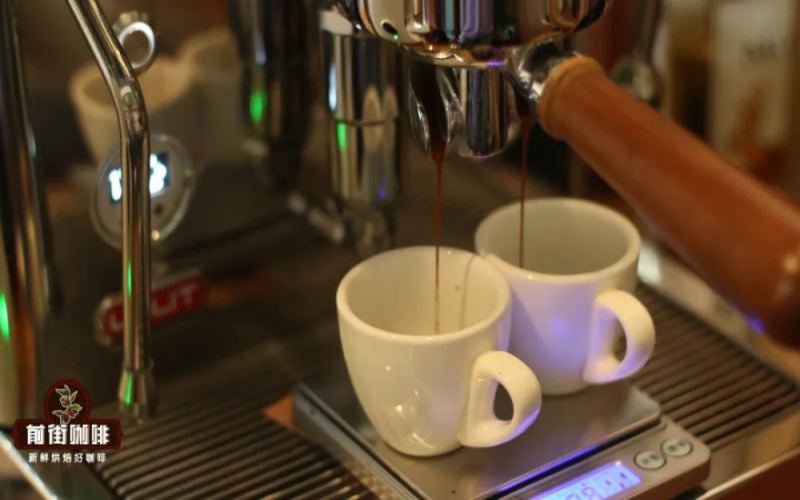
How should the portafilter temperature be controlled when extracting espresso? A hands-on test of the flavor differences among three states: room temperature, preheated, and high temperature.
When extracting espresso, should the portafilter be left at room temperature or locked onto the group head to keep it warm? Different baristas have different opinions on this. Some worry that the high temperature of the group head will overheat the filter basket and accelerate the loss of coffee grounds' aroma; others believe that keeping it warm is the only way to maintain a consistent portafilter temperature. Front Street Coffee specially designed three sets of controlled experiments for this purpose, using a room-temperature portafilter, a preheated portafilter, and a long-time high-temperature portafilter to extract the same "Sunflower Warm Sun Blend Coffee Beans," comparing aroma, acidity, sweetness, and aftertaste one by one to see exactly what kind of taste changes temperature differences bring, and which method is more worth recommending in daily operation. [more…]

The Art of Adding Ice in Iced Coffee Making: A Full Analysis of Cooling, Aroma Locking, and Ratio Techniques
Whether iced coffee tastes good often hinges on the step of adding ice. Ice is not just a cooling tool; it also locks in aroma and maintains a cold mouthfeel. How much ice to add, what kind of ice to choose, and how to ratio different coffees—these questions trouble many enthusiasts. Drawing on Front Street Coffee's practical experience, this article first explains the three major functions of ice in coffee, then analyzes the differences between solid and hollow ice, and between large and small ice, and finally provides specific ice-adding plans for iced Americano, iced latte, iced pour-over, and cold brew/ice drip, helping you make consistently delicious iced coffee at home. [more…]
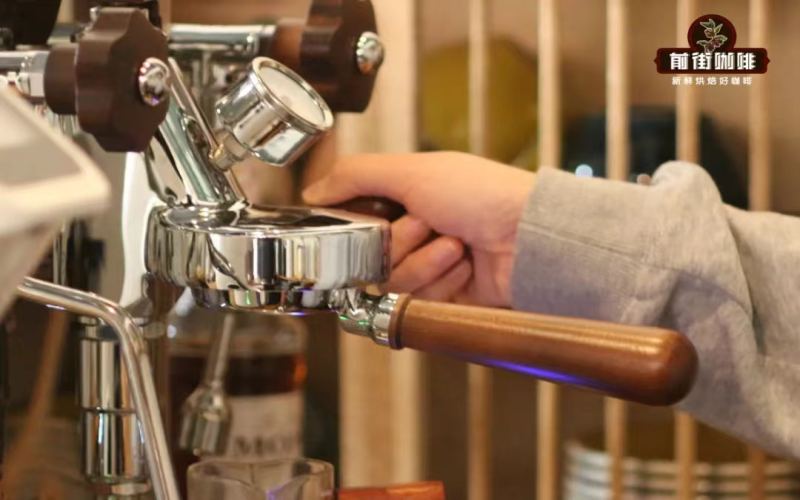
Extracting Espresso Problems
In making espresso, some seemingly unimportant details are often overlooked, yet they can gradually affect the taste of the coffee. Today, Front Street Coffee will talk about those details that are often forgotten—count how many you've missed. - Forgetting to flush water before attaching the portafilter. If there is a long interval between this espresso extraction and the last one, [more…]
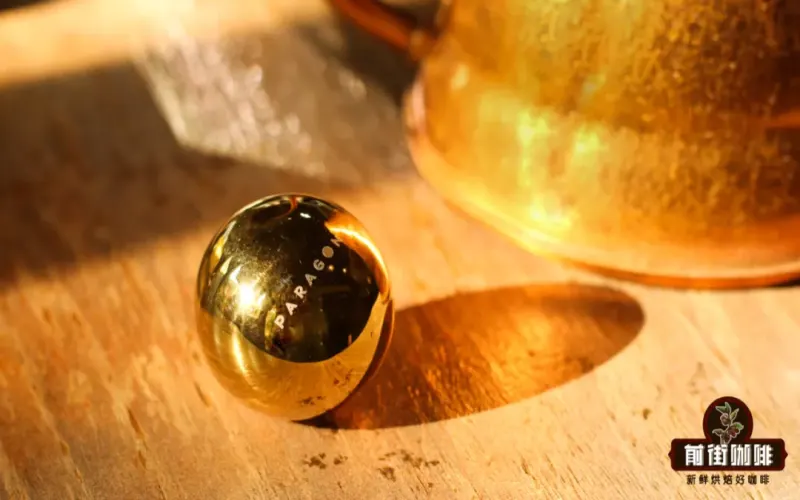
Can the Paragon Gold Ball really lock in aroma in pour-over coffee? A hands-on comparison and breakdown of the principle
In the world of specialty coffee, flavor expression has always been the shared pursuit of enthusiasts and professionals alike. Beyond selecting quality beans, all kinds of extraction aids keep emerging, among which the Paragon golden ball created by world champion Sasa Sestic stands out. It claims that by rapidly cooling the coffee liquid, it can retain 40% more aroma. Is this a marketing gimmick or does it actually work? Front Street Coffee will walk you through how the Paragon works and, through actual brewing comparisons, verify the real impact of this little golden ball on coffee flavor. If you have ever wondered about the connection between aroma and flavor, or hesitated over whether it is worth buying, the experiments and analysis in this article may give you an answer. [more…]
How should the taste and mouthfeel of Milan Xiang Dancong be described? Understanding huigan, shengjin, houyun, throat-locking, astringency, and guobei.
To accurately describe the taste and mouthfeel of a tea, just saying "it's good" is far from enough. The terms commonly used in tea tasting—huigan (returning sweetness), shengjin (salivation), houyun (throat rhyme), suohou (throat lock), astringency, and guabei (cup-clinging aroma)—each have clear meanings and criteria for judgment. This article breaks down these tasting concepts one by one, helping you describe the true sensations in your mouth and throat with more precise language when introducing Milan Xiang Dancong, while also avoiding poor-quality teas when actually selecting tea. [more…]
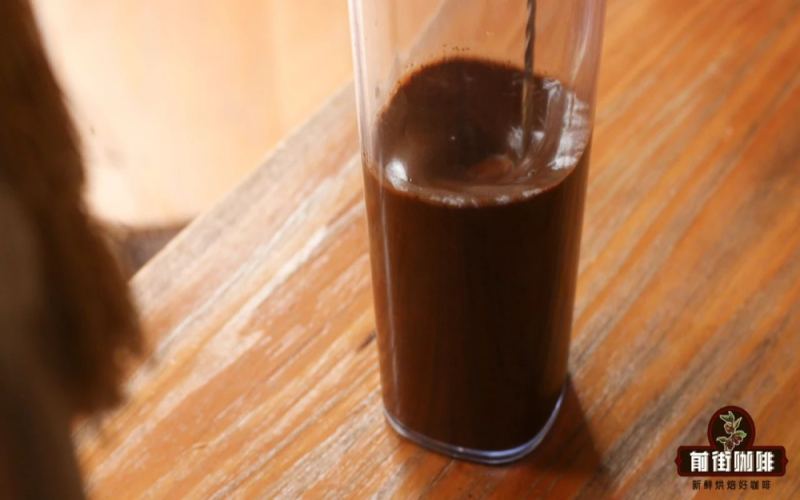
How to Choose Coffee Beans for Cold Brew? From Roast Level to Processing Method, Front Street Teaches You to Lock in Your Ideal Beans by Flavor
Cold brew coffee, through its low-temperature slow extraction process, reduces the presence of acids and the volatilization of aromas, resulting in a fuller, more balanced flavor. But with such a dazzling array of coffee beans to choose from, how should you make your selection? This article analyzes the cold brew performance of different beans one by one, from floral and fruity profiles to specific flavors to medium-dark roasts, and recommends specific products such as Front Street Coffee's Little Tomato, Front Street Coffee's Huakui, and Front Street Coffee's PWN Golden Mandheling. In addition, it shares a tip for adding dried flower petals, giving cold brew coffee a delicate floral note within its single-origin flavor. Whether you prefer bright fruit acidity or the rich depth of chocolate, you can find a cold brew bean solution that suits you. [more…]
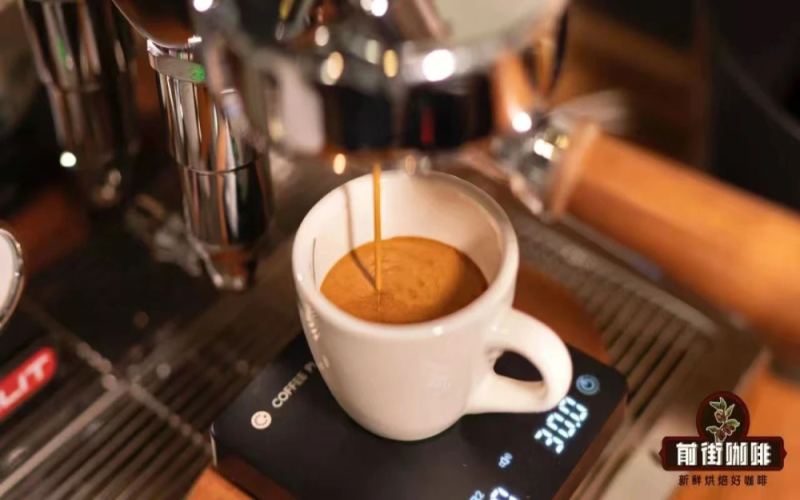
Complete Guide to Espresso Extraction: Blend Selection, Parameter Settings, and Key Operational Points Explained
To make a well-balanced espresso at home, having the right equipment alone is not enough—choosing the right coffee beans and mastering extraction details are equally crucial. This article starts with several espresso blends available at Front Street Coffee, introducing each one's flavor profile and target audience, while also providing a complete workflow from grinding and dosing, to distribution and tamping, to locking in the portafilter and extracting. It also explains how to adjust variables such as dose, ratio, and time, helping those new to espresso establish a stable and reproducible extraction method. [more…]
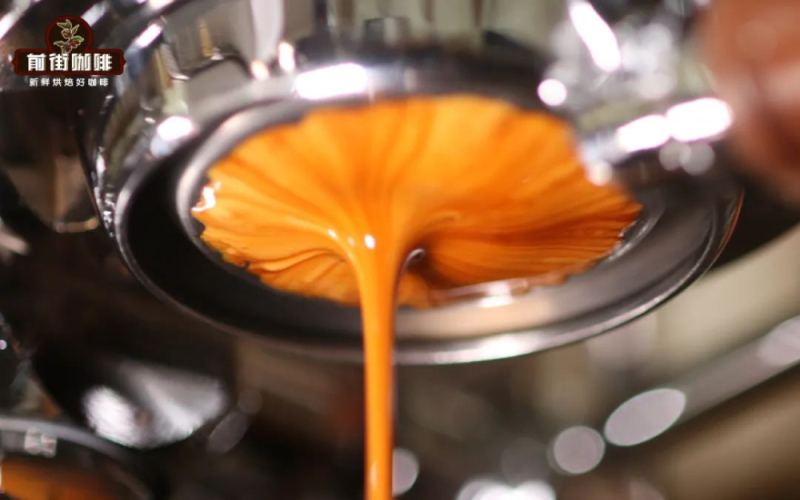
Why Is Espresso Extraction Pressure Locked at 9 Bar? A Complete Analysis from Pump Principles to Flavor Comparison
In espresso extraction, pressure is an often overlooked yet crucial parameter. Starting from Front Street Coffee's extraction practices, this article first sorts out the five core elements—coffee beans, dose, ratio, grind size, and time—and then takes a deeper look at how pressure affects espresso flavor. You'll learn the difference between pump pressure and extraction pressure, the differences between vibratory pumps and rotary pumps, and a practical comparison of coffee performance at three pressures: 6 bar, 9 bar, and 11 bar. The article also traces the origins of 9 bar becoming the industry standard and explores the new possibilities that variable pressure extraction brings for flavor adjustment. [more…]
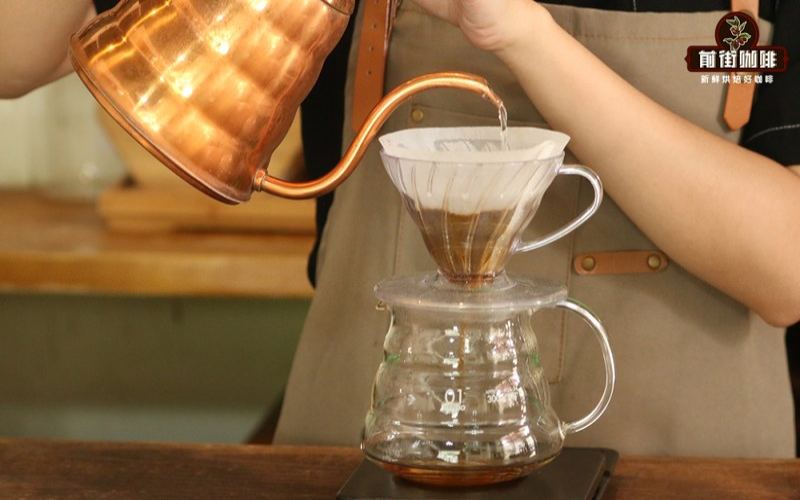
Roast date and the optimal tasting window: helping floral and fruity coffee beans lock in fresh aromas
Freshly roasted floral and fruity coffee beans accumulate a large amount of carbon dioxide gas inside. When this gas meets water, it expands rapidly and can easily prevent hot water from coming into even contact with the coffee grounds. Let the beans rest for a few days in packaging with a one-way degassing valve, allowing the internal pressure to gradually stabilize. The delicate floral and [more…]
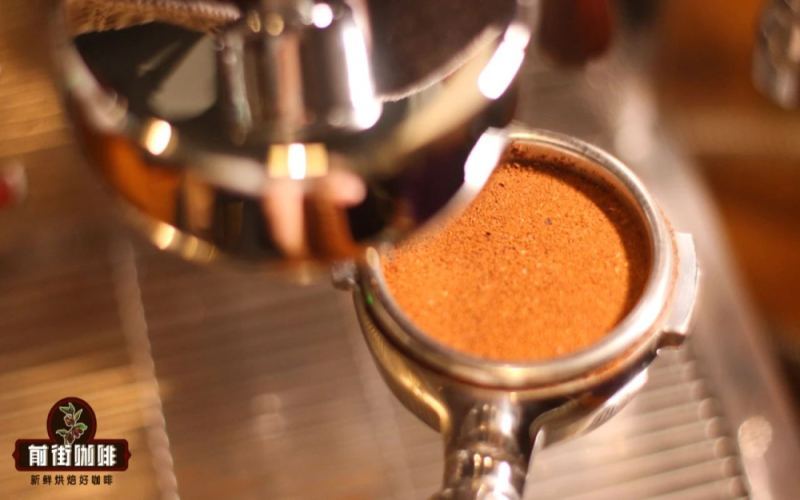
What is the flavor code of espresso? Which coffee beans and extraction process should be chosen for an authentic cup?
Espresso is the core of café output and the litmus test of a barista's fundamental skills. This article begins with the definition of espresso and its three major structures, explains the formation principle of the crema, clarifies why espresso production favors fresh medium-dark roasted beans, and offers recommendations for two Front Street Coffee espresso blends; it then provides a complete breakdown of the six-step process from cleaning the portafilter basket, grinding and dosing, distributing the grounds, tamping, locking in the portafilter and extracting, to cleaning. Whether you want to understand espresso flavor or want to consistently replicate a qualified espresso at home, this article will give you clear answers. [more…]
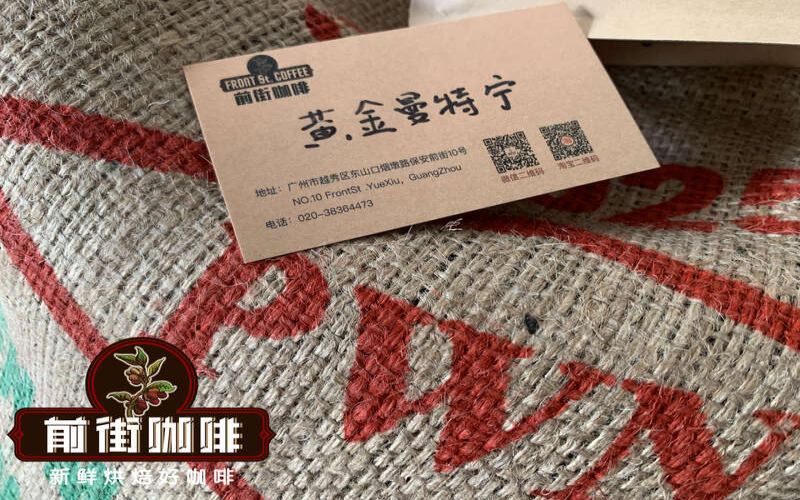
The Flavor Window of Sweet Fruity Pour-Over Beans: From Degassing and Resting to a Drinking Rhythm That Locks In Juiciness
Freshly roasted coffee beans are filled with carbon dioxide inside. This layer of gas hinders water from smoothly penetrating the coffee grounds, making it difficult for aromatic compounds to be fully released during extraction. To taste a bright, light fruity note and full sweetness, the beans need a period of gentle degassing, allowing the internal structure and vol [more…]
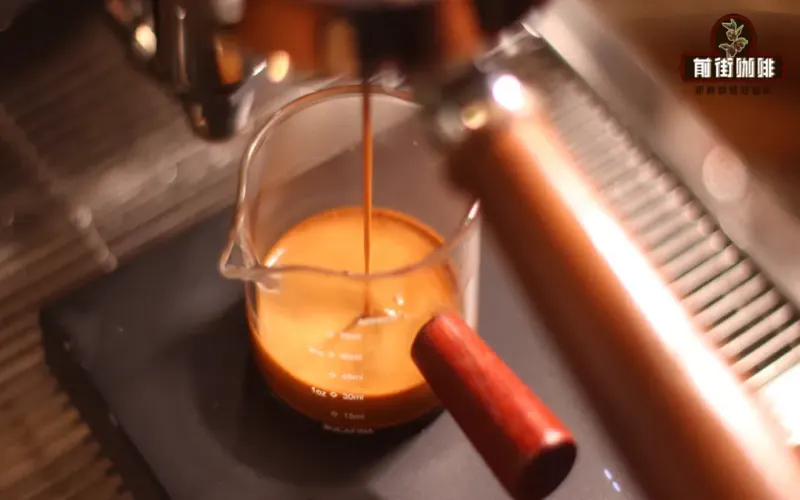
The Complete Espresso Extraction Process: Espresso Grinder Cleaning and Analysis of Eight Key Details
An espresso, from grinding to extraction, often takes less than a minute. It seems simple, but in reality it hides many variables that affect flavor. At Front Street, we repeatedly emphasize in our daily preparation that even if a perfect set of extraction parameters has been locked in during morning calibration, the final cup can still be greatly compromised if any operational step is slightly neglected. This article focuses on the complete process of making espresso with an espresso machine, sorting out one by one eight easily overlooked details—from hopper pressure, portafilter basket cleaning, and observing the grounds output, to distribution and tamping, pre-flushing, knocking the portafilter, extraction timing, and post-use cleaning—to help coffee lovers achieve consistent results and continually obtain the ideal espresso flavor. [more…]
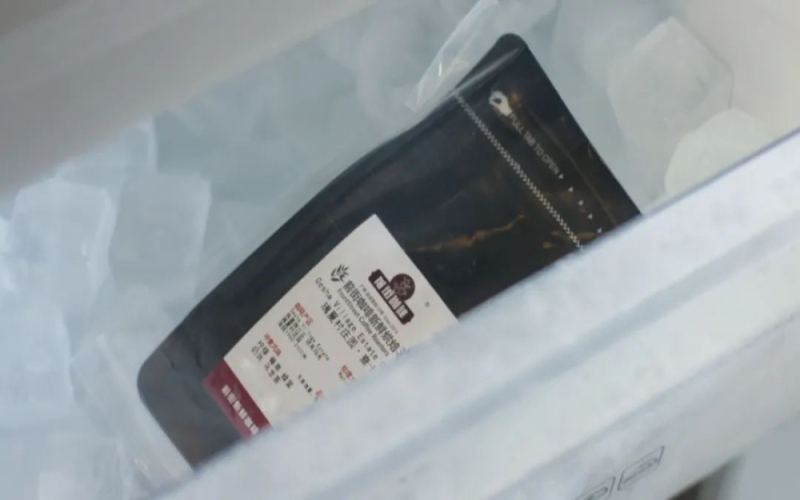
Can Freezing Coffee Beans Really Lock in Flavor? Front Street Coffee Explains the Truth and Practical Key Points of Frozen Preservation
Is the frozen coffee bean storage method circulating online actually able to extend the peak-flavor period and lock in the flavor? This time Front Street is going to seriously discuss this topic. Freezing can indeed slow down the oxidation rate of coffee beans, extending the optimal tasting period from 30 days to 2~3 months, but experiments show that frozen beans are actually in a "pseudo-fresh" state, and there is still a gap in flavor compared with the peak-flavor period. The real advantage of freezing lies in making the ground particles more uniform. However, there are too many variables in daily operation, such as needing to grind within one minute of thawing, adjusting brewing parameters, and improper sealing causing odor transfer. This article will break down the principles of frozen storage, the points to note, and give more practical bean storage suggestions one by one. [more…]
A Complete Guide to Semi-Automatic Espresso Machine Cleaning and Maintenance: Step-by-Step Instructions and Coffee Bean Selection Advice
The semi-automatic espresso machine is the core equipment for a café's operation, and its service life depends both on its initial quality and on careful daily maintenance. A qualified barista must not only be able to extract full-flavored espresso, but also understand how to properly clean and maintain the machine. This article systematically outlines the daily and periodic cleaning procedures for semi-automatic espresso machines, covering key steps such as wiping the exterior, flushing the dispersion screen, deep cleaning the portafilter, and backflushing, while also offering specific recommendations for espresso bean selection, helping you consistently produce stable, great-tasting coffee while keeping your equipment in top condition. [more…]
Why Freshly Roasted Coffee Beans Shouldn't Be Brewed Immediately: Explaining the Causes of the Locked-Gas Effect and Throat Dryness, and How to Cope
Many coffee enthusiasts, upon getting freshly roasted beans, can't wait to brew a cup, only to find the flavor flat, the body thin, and even a dry, uncomfortable throat afterward. The key behind this lies in the large amount of carbon dioxide remaining inside the coffee beans after roasting, as well as the smoky, pungent sensation brought by high-temperature roasting. This article will delve into why fresh coffee beans need to "rest" before brewing, how carbon dioxide interferes with the extraction process, and the true source of that dry throat sensation. At the same time, Front Street will also share a few practical methods to help you still brew a relatively ideal flavor even when the beans are too fresh. [more…]
How to Make Espresso at Home? A Complete Guide from Bean Selection to Extraction to Avoid Common Pitfalls
In recent years, more and more home espresso machines have been trending toward compact size and high performance, and many coffee enthusiasts have begun trying to make espresso at home. However, from bean selection, grinding, tamping, to extraction, every step can turn into a disaster scene. This article sorts out the most common types of problems in home espresso making, including the hidden risks of buying pre-ground coffee powder, channeling caused by improper tamping techniques, and the burnt bitter taste that comes from leaving the portafilter locked onto the group head without extracting for a long time. At the same time, for users who pursue a rich crema, Front Street also gives specific recommendations for medium-dark roasted beans, helping office workers find espresso blend beans suitable for daily staple coffee. [more…]

Advantages of espresso blend beans | What should coffee beginners pay attention to when making Espresso? What are the steps for espresso extraction?
For more specialty coffee knowledge, please follow our WeChat official account: Front Street Coffee (FrontStreet Coffee). To extract a delicious espresso, you need suitable coffee beans, the right dose, ratio, time, grind size, water temperature, and pressure. Although it is currently very popular to use [more…]