







Which bean suits a cold brew process description of making coffee?
Cold brew relies on low-temperature immersion, which gradually reduces acidic compounds and suppresses aroma volatilization, so the finished drink tastes softer and more balanced. The bean choice should follow the flavor you want: floral and fruity notes, or chocolate and nutty depth.
For bright fruity acidity, washed lots from Kenya, Ethiopia and Panama work well, including Front Street Cherry Tomato and Front Street Grana Geisha, a geisha green coffee. Medium to dark roasts suit richer profiles such as Front Street PWN Golden Mandheling, and adding dried flower petals can lend the brew an elegant floral note.
Cold brew coffee, through its low-temperature slow extraction process, reduces acidic compounds and aroma volatilization, delivering a fuller and more balanced taste. But faced with a dazzling array of coffee beans, how should you choose? This article analyzes the cold brew performance of different beans one by one, from floral-fruity character and specific flavors to medium-dark roasts, and recommends specific products such as Front Street Cherry Tomato, Front Street Hualei, and Front Street PWN Golden Mandheling. In addition, it shares a little trick of adding dried flower petals, letting cold brew coffee gain a touch of elegant floral fragrance within a single flavor profile. Whether you prefer bright fruity acidity or are devoted to rich chocolate notes, you can find a cold brew bean plan that suits you.
A while ago, Front Street published a tutorial on making cold brew coffee, and afterward quite a few friends flooded the back end asking: what beans should actually be used for cold brew? Today let's focus on this topic.
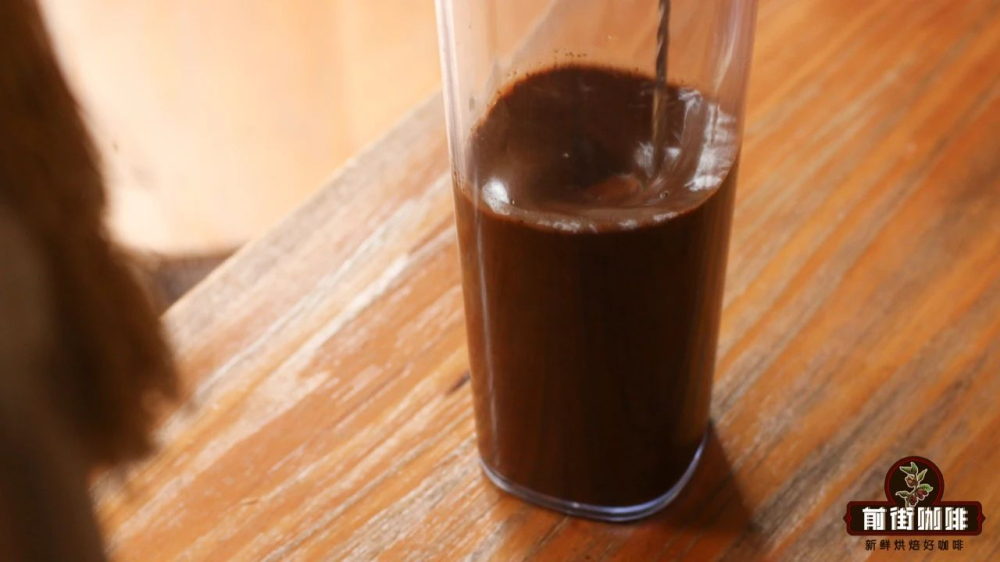
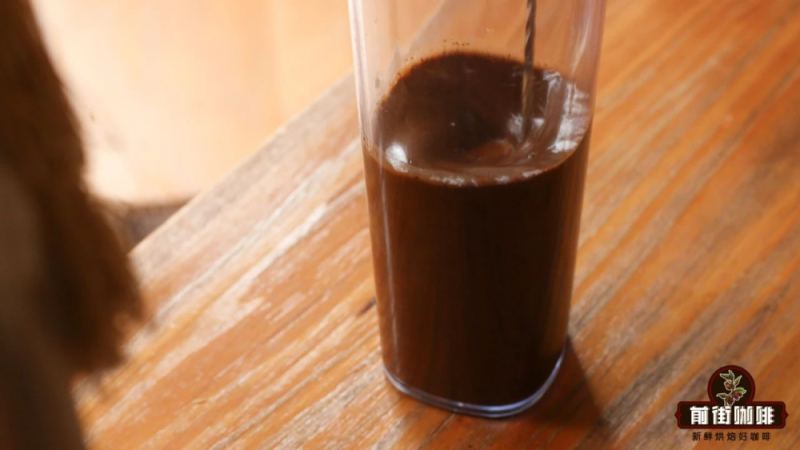
Cold brew is a low-temperature immersion extraction. As time passes, acidic compounds gradually decrease, so the finished drink's acidity and bitterness are much softer. At the same time, the low temperature also suppresses aroma volatilization, instead locking the fragrance in more firmly, making the overall taste fuller and more balanced.
What kind of cold brew do you want to drink?
"Which flavor of coffee do you usually prefer?" Front Street baristas often ask customers who come into the shop this question, and then choose suitable beans based on the other person's preferences. For example, floral notes, fruity notes, more acidic, high sweetness, clean, or some specific aroma, and so on.
Selecting floral-fruity beans
This type of description usually corresponds to light to medium roast coffee beans, and Africa and Central America, which are rich in floral and fruity flavors, are the first targets.
Bright fruity acidity: If you want this direction, you can choose washed beans from Kenya, Ethiopia, and Panama. Washed processing brings out more elevated acidity, and the bright fruit flavors still give the cold brew a full juicy feel. Front Street Cherry Tomato, Front Street Fruit Ding Ding, or Front Street Grana Geisha are all worth trying.
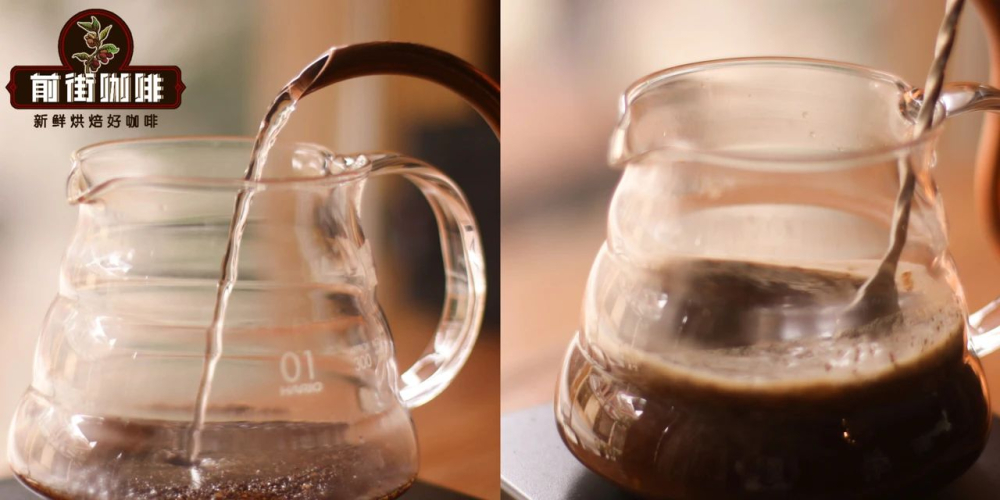
For iced coffee with a soft fruity profile, Front Street Hualei is the first choice; it is a representative naturally processed bean. The sugar content of natural beans is higher than that of washed beans, so the sweetness stands out, the floral fragrance is rich, and it also carries the flavors of ripe tropical fruit. After a long cold brew, the floral and fruity notes complement each other, and the fermented character unique to natural processing is also amplified. In addition, the barista also recommends Front Street Red Cherry, Front Street Grana Geisha, and others.
Selecting beans with specific flavors
Nowadays, besides traditional processing methods, producing regions have also introduced many novel green bean processing methods, giving coffee a richer aroma. These techniques can make beans give off some very specific flavor, which is quite friendly to beginners just starting out. If you use this type of bean for cold brew, as time settles, the aroma will develop into a cup of iced coffee with a full body and abundant fragrance. This type of bean is distributed across a wide range of producing regions; Front Street will mention a few famous ones.
If you like iced coffee with a full aroma, give priority to Front Street Strawberry Candy (strawberry, dried fruit) and Front Street Sidra (passion fruit, grape), which have obvious fruity aromas.
Selecting medium-dark roast beans
For friends who do not want to drink something sour or sweet, medium-dark or dark roast beans are recommended. Long high-temperature roasting gradually causes the beans to lose their acidity, resulting in a coffee full of caramel, spice, and chocolate flavors.
Medium-dark roast: Medium-dark roasting does not completely eliminate acidity; it leaves a trace of acidity that makes the cold brew more balanced overall. Once made into cold brew, chocolate flavor dominates, and the soft acidity is not jarring. If you do not like acidity, buy Front Street Queen's Estate, Front Street Bird of Paradise, or Front Street 2013 Typica for cold brewing.
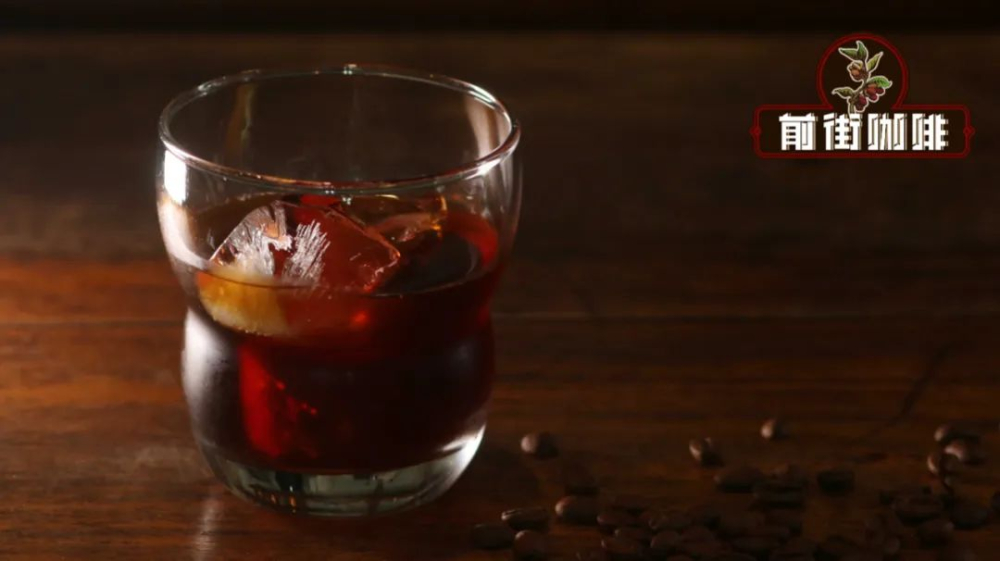
Dark roast: If you do not want to touch any acidity at all and only want to enjoy the rich, silky smoothness brought by spice and chocolate, then the dark-roasted Front Street PWN Golden Mandheling will be a good choice!
Add appropriately, icing on the cake
Having covered bean selection, let's share one more little trick: when making cold brew, add a small amount of osmanthus or jasmine to give the coffee a touch of elegant floral fragrance.
Although there are many beans to choose from for cold brew, the flavor of cold-water slow extraction is ultimately more one-dimensional than hot pour-over. So some clever friends thought of adding auxiliary ingredients to bring in unique aromas, such as dried flower petals, which many women love.
Cold brew has few factors that can be adjusted, and it is a static immersion throughout, so if you want the fragrance to enter the coffee and bring a fresh feel, it is best to choose types with obvious floral notes, such as osmanthus, jasmine, and rose. These three dried flowers are easy to buy and highly compatible with coffee flavors. However, although dried flowers are fragrant, their taste is rather thin, so it is best to brew them together with light-medium roast coffee beans whose flavor profile points toward floral and fruity notes; only then can the two complement each other.
The above content is compiled by CoffeeHunters, a coffee news website.


