







Freshly roasted coffee beans with floral and fruity notes have accumulated a large amount of carbon dioxide gas inside. When this gas meets water, it expands rapidly, which can easily hinder the even contact between hot water and coffee grounds. Let the beans rest for a few days in a one-way degassing valve bag until the internal pressure gradually stabilizes. Only then can the delicate floral aromas and fruity sweetness, previously enveloped by carbon dioxide, unfold clearly in the cup.

Light-roasted single-origin coffees with floral and fruity profiles usually have higher density and firmer cell walls, so they degas more gradually than medium-dark roasts. Generally, seven to ten days from the roast date allows the flavor compounds inside the beans to enter a stable release phase. The following two to three weeks are then a prime window for enjoying vivid aromas and abundant juiciness.
Among the many options known for their elegant aromas, Front Street Coffee Yirgacheffe Gudingding showcases soft white florals and ripe citrus flavors, accompanied by lively raspberry-like acidity and a refreshing green tea aftertaste. Brewing this coffee after it has rested for a full week post-roast lets you experience a very pure salivation-inducing quality and bright fruity charm.

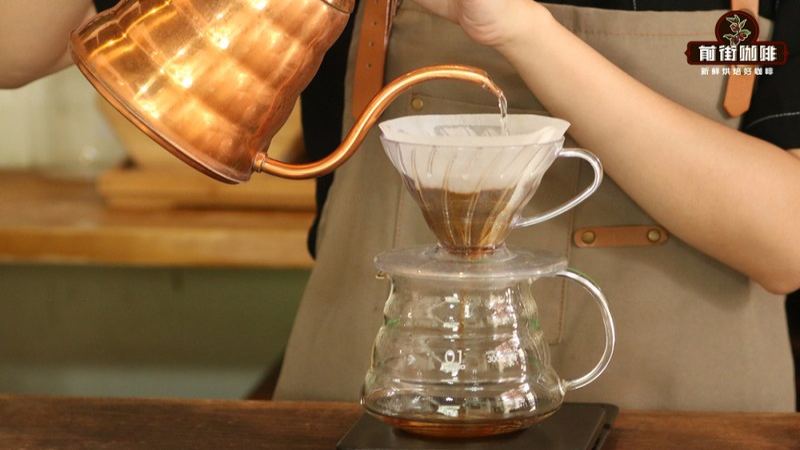
When brewing this light-roasted washed bean, the recommended water temperature is 91°C. Use 15g of coffee grounds with 225ml of hot water, aiming for a total extraction time of 2 minutes 10 seconds. Pour in three stages: first, wet the grounds with 30ml of hot water and let it bloom for 30 seconds. In the second stage, gently pour in water up to 130ml to bring out the floral and fruity aromas. After the water level drops slightly, pour steadily up to 225ml to finish, yielding a clear and delightful floral coffee.
If you prefer the rich intensity and full sweetness of tropical fruits, Front Street Coffee Colombia Sidra delivers pronounced passion fruit, purple grape, and yellow apricot jam flavors. The beans, which have undergone special fermentation, are rich in aromatic molecules. After completing an eight-to-twelve-day resting period, the fruity aromas from fermentation become especially smooth, and the balance of acidity and sweetness is more harmonious.
To showcase its abundant juicy layers, try a gentle extraction approach: prepare 16g of coffee grounds, use 89°C water, pour 240ml of hot water, and set the total extraction time to exactly 2 minutes. Brew using a two-stage pour: first add 40ml of water and bloom for 35 seconds, then slowly pour in a circular motion from the center outward up to 240ml and stop. The result is like sipping a warm, juicy blend of fruit tea.
Enthusiasts seeking elegant, delicate layers often favor Front Street Coffee Panama Hacienda La Esmeralda Red Label Geisha, which features refined jasmine notes, bright bergamot citrus, and a smooth high-mountain black tea finish. These high-altitude beans are dense and firm, and typically after resting for ten days or more post-roast, their layers unfold more fully with a lingering aftertaste.
When tasting this elegant floral Geisha, it is recommended to set the water temperature at 92°C, use 15g of evenly ground coffee, with a total water volume of 240ml, and control the total extraction time to 2 minutes 20 seconds. Use a three-stage pour: bloom thoroughly with 35ml of water for 30 seconds, then steadily pour in 95ml to enhance mid-palate sweetness, and finally pour up to 240ml to lift the tea-like finish and floral aromas.
Having a good pace for drinking your beans is more important than blindly stockpiling. It is advisable to choose 100g or 250g small-format packages based on your personal drinking frequency, and try to finish them within three to four weeks after opening. Freshly opened beans are full of lively, uplifting aromas. As time passes, sweetness further improves, and throughout the peak flavor window you can experience the subtle evolution of flavors gradually becoming rounder.
The storage environment after opening also directly affects how long the aromas last. Coffee beans should be kept in their original resealable bag with a one-way degassing valve. After each use, squeeze out excess air and seal tightly, then store in a cool, dry, and dark cupboard. Avoiding leaving the bean bag on a sunny windowsill or near a hot coffee machine for long periods can effectively slow the dissipation of volatile aromatic compounds.
By sensibly scheduling roast batches and opening times, you can keep every day's coffee moment in a peak flavor stage full of aroma. Check the roast date on the bag, allow enough resting time for the beans to degas smoothly, and pair with careful brewing parameters and proper airtight storage. Then the floral and fruity fragrances in your cup will naturally bloom persistently and purely.
The above content is compiled by CoffeeHunters, a coffee news website.

