







How Does a Moka Pot Extract Coffee Compared to an Espresso Shot?
Espresso is a shot pulled fast under high pressure, traditionally about one ounce, and it separates into three layers: crema, body, and core. The crema forms when carbon dioxide held in the liquid under roughly 9 bar meets the oils squeezed from the puck as pressure returns to normal, trapping the gas as dense foam.
Fresh medium-dark roasted beans are favored for espresso output, and two blends are recommended for the job. The six-step routine covers cleaning the portafilter basket, grinding and dosing, distributing, tamping, locking the portafilter and extracting, then cleaning. The same idea applies to how to make coffee from a coffee machine, and a moka pot follows similar principles on the stovetop without the pump.
Espresso is the core of café output and the litmus test for a barista's basic skills. This article starts with the definition and three structures of espresso, explains the formation principle of the crema, explains why espresso output favors fresh medium-dark roasted beans, and gives recommendations for two Front Street Coffee espresso blends; then it fully breaks down the six-step process of cleaning the portafilter basket, grinding and dosing, distributing, tamping, locking the portafilter and extracting, and cleaning. Whether you want to understand espresso flavor or want to consistently reproduce a qualified espresso at home, this article can give you clear answers.
In a café's beverage system, espresso-based coffee always occupies a pivotal position. And the soul of espresso-based coffee is precisely a shot of espresso extracted under high pressure with a coffee machine. For baristas, mastering espresso extraction is almost regarded as a core skill. So, what exactly is espresso? And how should you make a qualified shot of espresso?
What is espresso?
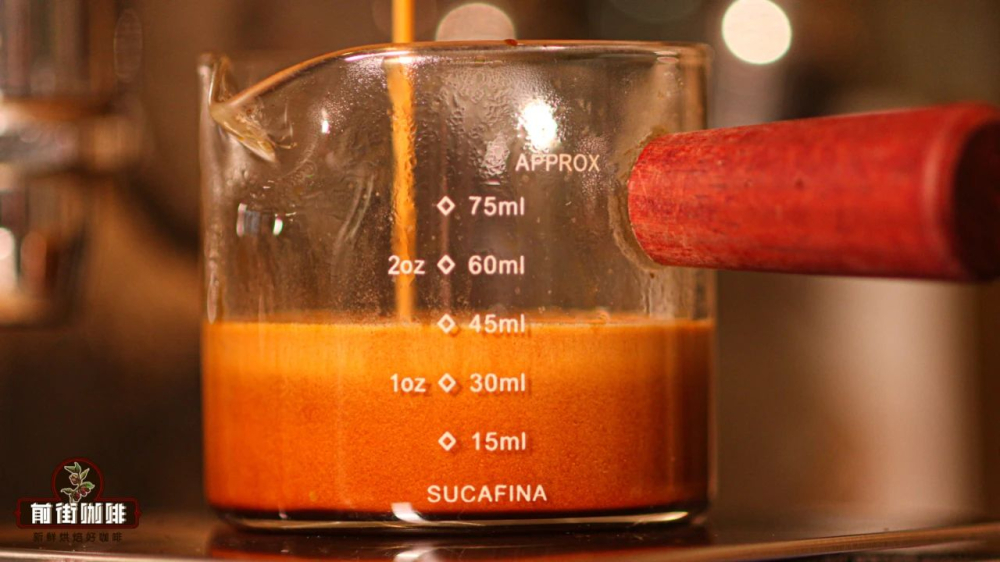
Espresso originated in Italy, and its characteristic is that extraction is completed quickly under high pressure. A traditional single shot has a capacity of only about one ounce. A cup of espresso can usually be broken down into three layers: crema, body, and core.
How is the crema in espresso formed? During extraction, the coffee beans are ground very finely, and the pressure applied by the machine can reach 9 bar. At the moment hot water passes through the coffee puck, the carbon dioxide inside the coffee grounds becomes supersaturated in the water because the external pressure is too high, and it cannot escape smoothly, so it can only dissolve into the coffee liquid first. At the same time, the high pressure also squeezes the oils in the coffee out of the puck, and the hot water carries them out as well.
When extraction ends and the coffee liquid flows out of the machine, as atmospheric pressure returns to normal, the carbon dioxide originally retained in the liquid prepare to return to the air, but on the way they run into the oils. The oils wrap around the carbon dioxide, and this dense foam is thus formed.
It is precisely for this reason that this layer of crema has become one of the most fascinating symbols of espresso.
What coffee beans are used to make espresso?
Espresso is especially particular about roast level. Unlike pour-over, it cannot rely on water temperature or coffee-to-water ratio to adapt to beans of different roast levels and thereby showcase the personality of a single origin. Light-roasted beans are heated for a shorter time, extract with more acidity and less crema, and the aroma is not full enough either; if they are then mixed with milk to make milk coffee or cappuccino, the dominant note of the whole cup is almost entirely acidity, and the drinking experience is not ideal.
Therefore, when cafés make espresso, they usually give priority to fresh medium-dark roasted beans. This can bring out more caramel-like aromas while also retaining a little mild fruit acidity, making the flavor of the whole cup more balanced.
Whether for aroma or crema, freshness is key. Once coffee beans have been stored for more than two months, the essential aromas have basically dissipated. Using them to brew with a moka pot will show almost no crema, and the taste will not be much better either. Therefore, what you need to do is confirm that the beans are freshly roasted, and the date is best kept within 10 days.

Front Street Coffee beans are all freshly roasted within 5 days. The coffee bean quality is stable and excellent, the price is extremely cost-effective, and shipping is within 24 hours. By the time everyone receives the coffee beans, they are still in a very fresh state, which also means a longer window to enjoy the flavor.
Friends who prefer a rich and full-bodied taste can try Front Street Classic Blend coffee. This blend is composed of beans from three origins: Brazil, Indonesia, and Vietnam. It uses a dark roast and can present abundant crema to the greatest extent. During extraction, the caramel aroma is rich, accompanied by notes of dark chocolate, butter, and hazelnut, and it tastes mellow. Front Street Classic Espresso Blend has a lasting finish when made as an Americano, and is sweet, fragrant, and silky when made as a latte.
If you are more enchanted by the surprises brought by floral and fruity aromas, you might want to get Front Street Strawberry Candy Espresso Blend. It is composed of specialty beans from three major origins: Ethiopia, Colombia, and Costa Rica. The roast level is medium, and both home espresso machines and moka pots can handle it. The extracted coffee liquid has aromas of roses, strawberry gummies, and dried blueberries. The sweet-and-sour notes of grapes and citrus are just right, and there is also an almond aroma in the finish. After drinking it, the fragrance lingers on the lips and teeth.
Steps for extracting espresso
Step 1: Clean the portafilter basket
Before extraction, first remove the portafilter and wipe the basket clean with a dedicated cloth, ensuring there are no water stains or residual grounds inside.
Step 2: Grind the coffee grounds and dose
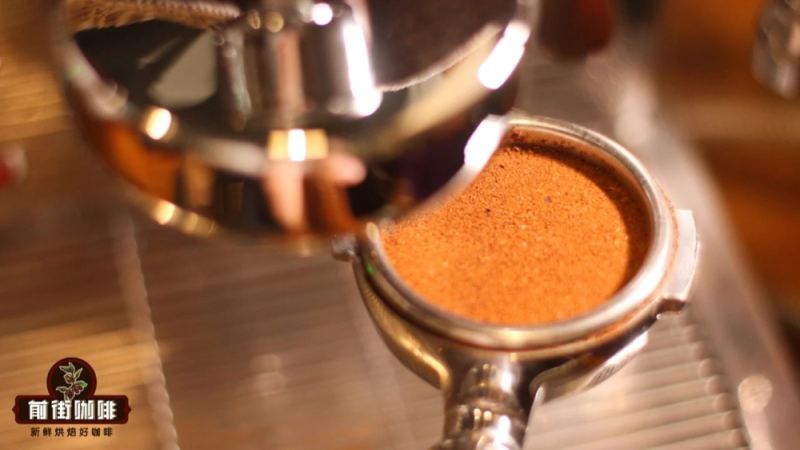
Turn on the grinder and start grinding. Before dosing, place the portafilter on the electronic scale and tare it to zero. After dosing, weigh it again to ensure the dose is consistent each time. When dosing, pay attention to where the coffee grounds fall into the portafilter, and let the grounds evenly cover the entire basket.
Step 3: Distribute
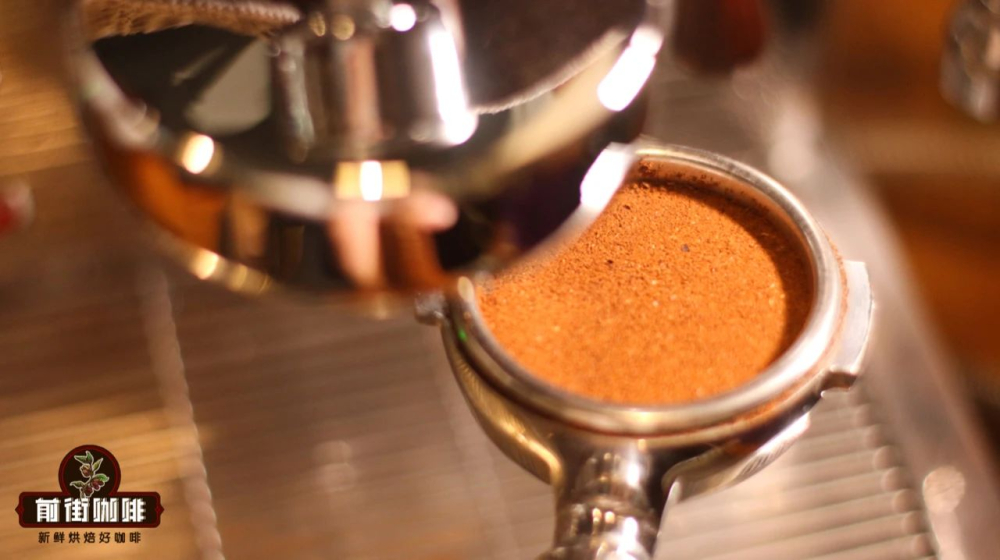
After dosing, use your fingers or a distribution tool to spread the grounds evenly. The purpose is to make the coffee grounds evenly distributed and avoid uneven density during subsequent tamping.
Step 4: Tamp
After distribution is completed, tamp. The direction of tamping should be perpendicular to the basket, and the force should remain moderate: too light and the puck will be loose; too heavy and the puck will be too dense, making it difficult for water to pass through and easily causing over-extraction.
Step 5: Lock on the portafilter and extract the espresso
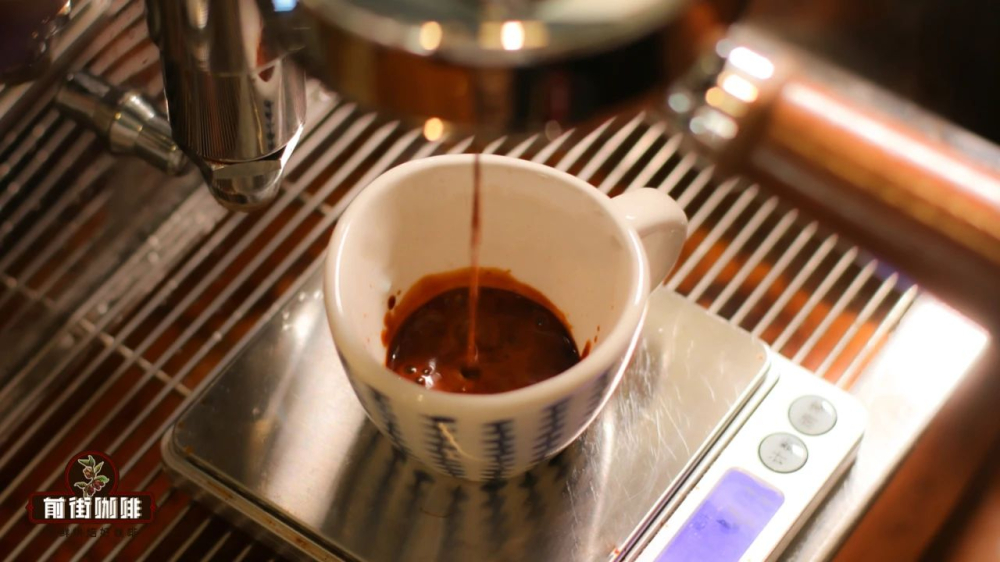
Gently lock the portafilter onto the coffee machine, avoiding knocking it, because impact will create cracks in the puck and cause channeling, leading to under-extraction or uneven extraction. Once locked in place, immediately turn on the extraction switch. While extracting, use an electronic scale to weigh the coffee liquid, and constantly observe the extraction time and changes in the color of the coffee liquid.
Step 6: Finish extraction and clean the portafilter basket
Knock the puck into the knock box, clean the basket with a dedicated cloth, and finally lock the portafilter back onto the coffee machine.
The above content is compiled by CoffeeHunters, a coffee news website.


