







How Do You Make Coffee in a Machine Without Ruining the Shot?
Making espresso at home comes down to four controllable steps: fresh beans, an espresso-grade grind, level tamping, and extracting promptly after locking the portafilter into the group head. Skipping any one of them shows up in the cup as weak flavor, channeling, or burnt bitterness, even on a capable home machine.
Pre-ground espresso powder is the most common shortcut and the most costly one. A one-pound or one-kilogram pack of fine grind loses aroma fast once opened. Grinding fresh beans just before the shot, then pulling it right away, protects the crema and keeps medium-dark blends tasting consistent day to day.
In recent years, more and more household coffee machines have been moving toward miniaturization and high performance, and many coffee enthusiasts have started trying to make espresso at home. However, from bean selection, grinding, tamping, to extraction, every step can become a disaster scene. This article sorts out the most common problems in home espresso making, including the hidden risks of buying pre-ground coffee powder, the channeling effect caused by improper tamping techniques, and the burnt bitterness caused by waiting too long to extract after locking the portafilter onto the group head. At the same time, for users who pursue a rich crema, Front Street also gives specific recommendations for medium-dark roasted beans, helping office workers find espresso blend beans suitable for daily staple coffee.

Nowadays, many household coffee machines are already quite capable in performance, and their bodies are becoming more and more compact, so many people have fallen into the pit of espresso. In this article, Front Street will talk about the pitfalls that are easy to encounter when making espresso at home.
1. Directly buying coffee powder
Some friends think that the key to making espresso lies in the machine, and as long as the machine is good enough, the coffee will naturally taste good. But the actual situation is that even if you have a good coffee machine, if the beans are not good, it is still very difficult to extract a delicious espresso.
Leaving aside the quality differences among different beans, let's first talk about a common phenomenon: after buying a coffee machine, some people have no intention of adding a grinder at all, and instead choose to directly buy espresso coffee powder. The reason may be to save some money, or it may be that they think the grinder used in coffee shops is more professional and the grinding effect is better.
But if you really want to drink espresso with good flavor, Front Street's suggestion is still to equip yourself with an espresso grinder and buy freshly roasted coffee beans. There are three reasons: First, after coffee beans are ground into powder, the aroma dissipates very quickly, especially for espresso's extremely fine grinding, where flavor volatilization is even faster. The specifications of espresso coffee powder on the market usually start at one pound, and some are even one-kilogram packs, making it difficult to finish before the flavor is gone, which ultimately often causes waste.
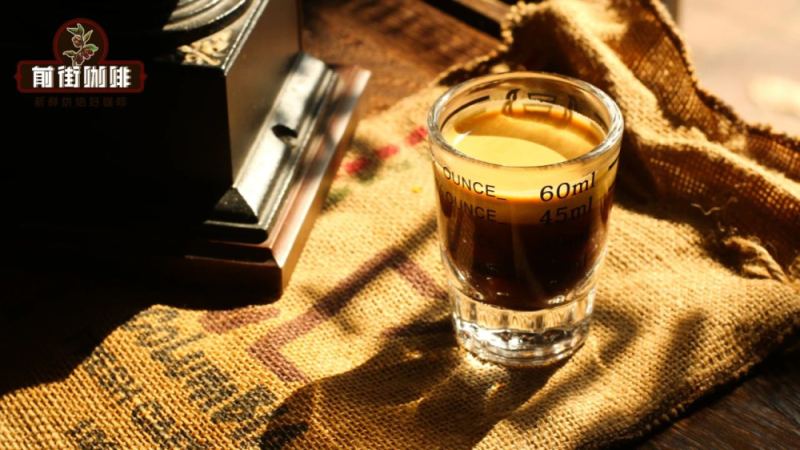
Similarly, under the premise of the same freshness, the richer the crema, the deeper the roast level of the bean usually is. So if you pursue a rich crema, just choose medium-dark roasted coffee beans directly. Front Street recommends Queen's Estate Brazil, Front Street PWN Golden Mandheling Indonesia, Front Street Classic Blend, and Front Street Dark Cocoa Basic Blend. Espresso made with them will have a layer of crema full of caramel aroma floating on the surface, with a mellow taste and low acidity, and they can be used for pour-over, moka pot, and espresso machines, thus becoming the first choice of daily staple beans for many office workers.
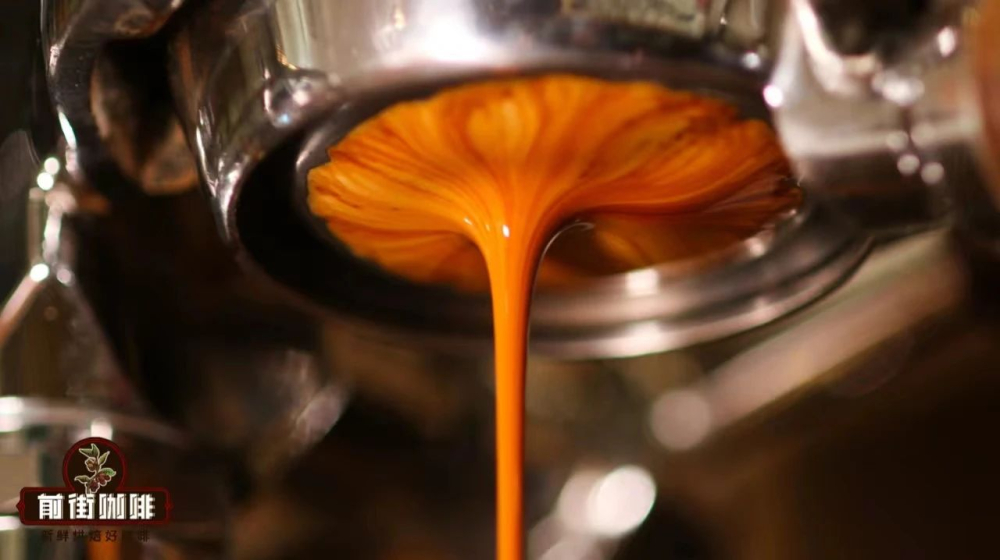
Second, Crema is a reference indicator for measuring espresso. If the machine is good and the 9-bar pressure is stable, the crema performance will naturally be better, but the fundamental source of Crema is the carbon dioxide and oils in the coffee beans. Once ground into powder, the carbon dioxide dissipates faster, and naturally the crema becomes less abundant.
Third, espresso is extremely sensitive to grind size. Even coffee shops have to readjust the grind size every morning to meet serving standards. For pre-ground coffee powder, not to mention whether it matches your coffee machine, even if it happens to match, the parameters change every day, and stability is extremely poor.
Some friends also ask: I have a grinder, and I usually grind pour-over beans with it. Can I use it to grind espresso? According to Front Street's understanding, most grinders find it difficult to perfectly handle both grind sizes at the same time. Espresso burrs and pour-over burrs are inherently different in design.
Take the EK43s in Front Street's store as an example. Even if the setting is turned to the finest, the powder it grinds is still coarser than that of an espresso grinder. So since you've already bought the coffee machine, it won't hurt to get one more espresso grinder.
2. Repeatedly tamping the puck
Everyone who makes espresso knows that tamping should be level. Because of this, some friends, in pursuit of extreme flatness, will tamp back and forth repeatedly - "seeing that the left side is a little high, they patch the left side, then the right side tilts up, so they press the right side again." As a result, the surface looks level, but the density inside the puck is already uneven, and "piercing" (that is, the channeling effect) is very likely to appear during extraction. In fact, there is no need to be overly picky about the flatness of the puck. As long as it is not obviously tilted, the impact on extraction is not great. When tamping, try to get it right in one go. If one tamp cannot make it level, it means there is a problem with your posture or point of force, so just go back and practice the motion again.
Some friends also feel after tamping that the dose is a bit low, so they add more powder to the basket and tamp again. This practice is also very likely to cause "piercing." The correct way to handle it is: when you find the dose is insufficient, first break up the already tamped powder back into a fluffy state, then add an appropriate amount of coffee powder, and tamp again.
3. Not pressing the extraction button for a long time after locking the portafilter onto the group head
Some friends, after tamping, find that there is nowhere to put the portafilter, so they lock it onto the group head early, then slowly prepare the cup and electronic scale, and only press the extraction button after arranging everything. The coffee extracted this way often carries a burnt bitterness.
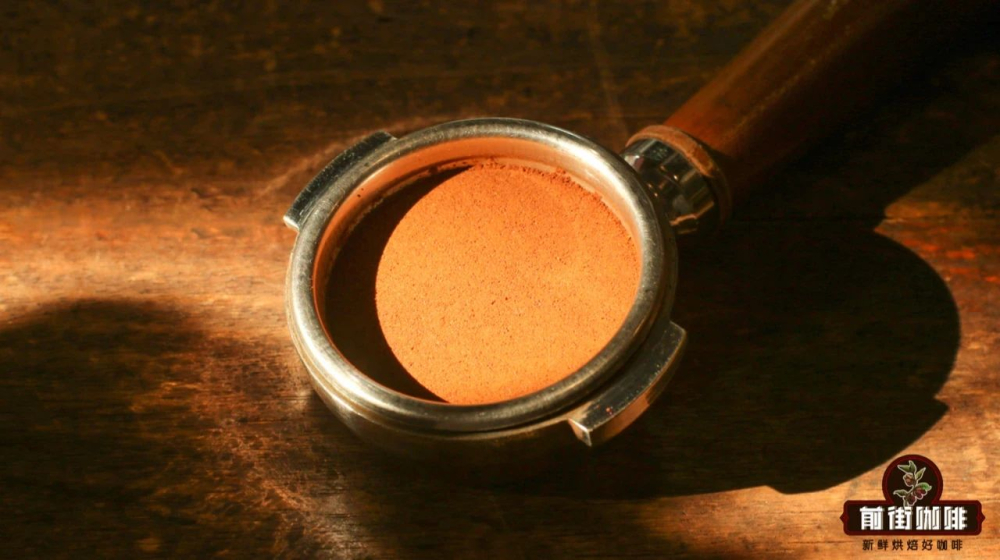
The reason is that the group head temperature is very high. If the portafilter is locked on and extraction does not start immediately, the puck will continue to be baked at high temperature, and burnt bitterness is easily extracted. The safest way is: immediately start the extraction button after locking the portafilter tightly.
The above content is compiled by CoffeeHunters, a coffee news website.


