







Search Results for: agricultural products
Colombia invests 22 billion pesos to support agriculture, coffee production is expected to exceed 13 million bags, but multiple challenges remain.
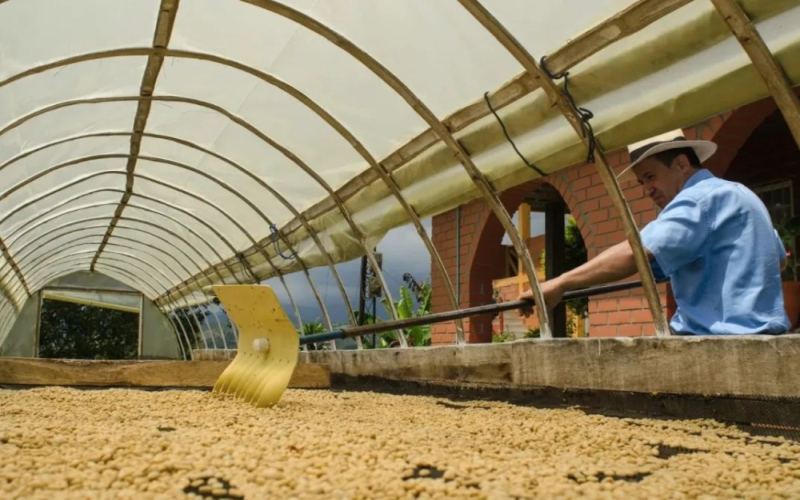
Colombia, as the world's third-largest coffee producer, has recently received a series of favorable news: a bank report shows significant growth in agricultural output and announces an investment of 22 billion Colombian pesos to support agricultural development. Meanwhile, the country's coffee production is expected to reach 12.53 million bags in the 2023/24 season, a year-on-year increase of 18%, and is expected to exceed 13 million bags in the 2024/25 season. However, drought, forest fires, rising cultivation costs, internal conflict, and the possible arrival of La Niña still bring many uncertainties to the coffee industry. This article will review the latest developments and potential risks in Colombia's coffee industry. [more…]
A Comprehensive Guide to Global Organic Tea Certification Systems: Differences Among EU, US, Japan and Other Standards, and Buying Tips
The core difference between organic tea and conventional tea lies in whether it has been certified by an authoritative body. EU organic regulations prohibit genetic modification and synthetic inputs, and require animals to be raised in ways that suit their species characteristics, and are regarded as the strictest threshold in the tea industry. Certifications such as Switzerland's IMO, France's Ecocert, the US USDA, Japan's JAS, India's, Canada's, China's, Australia's, and Germany's Naturland each have different emphases, with significant differences in scope of application and difficulty of obtaining them. Rainforest Alliance, UTZ, FDA, and HACCP provide supplementary assurances from the perspectives of sustainable agriculture and food safety. This article systematically sorts out the rules, authority, and market applicability of major certifications, helping coffee and tea lovers accurately identify the true meaning behind labels when making purchases. [more…]

Panama Climate Change Warning: Rainfall to Decrease and Temperatures to Rise by 2050, Coffee and Other Agricultural Exports Face Challenges
Panama's National Adaptation Plan (NAP) project recently released a report that, using global models and nearly 30 years of meteorological data, simulated the country's climate trajectory for 2050 to 2070. The results show that reduced rainfall and rising temperatures will directly impact Panama's agricultural production, especially the cultivation and trade of export crops such as coffee and bananas. At the same time, shipping through the Panama Canal and hydroelectric power generation will also face greater pressure due to drought. This article will walk you through the report's core findings and their potential impact on the coffee industry. [more…]

Nicholas Tse Opens Coffee Shop in Zhengzhou with a Focus on Supporting Farmers, but Fans Call Out: Better to Hold a Few More Concerts
It is no longer uncommon for celebrities to open coffee shops across industries, but Nicholas Tse's "Chef Nic" coffee shop that has now landed in Zhengzhou has taken a different route. The shop was jointly created by Chef Nic and Xinhua Youpin under Xinhua News Agency. In addition to serving coffee and light meals, it also displays poverty-alleviation agricultural products such as Yunnan Menglian coffee, Hebei Wuqiao roast chicken, and Inner Mongolia oatmeal, as well as intangible cultural heritage handicrafts and cultural merchandise. Fans who visited the shop reported that the coffee was mediocre, with the bean aroma not standing out enough, and that it felt more like a space for experiencing poverty-alleviation agricultural products. At the same time, many longtime fans have spoken up: rather than opening shops nationwide, it would be better to hold concerts quickly. [more…]

Fires in São Paulo State cause agricultural losses of about 1 billion reais, coffee futures prices may rise further
The state of São Paulo, Brazil, recently suffered severe fires, and the Civil Defense Authority warned that almost the entire state remains at high risk. Between August 22 and 24, a total of 2,600 fire points were recorded, with more than 80% concentrated in agricultural land such as sugarcane fields and coffee estates. The Ministry of Agriculture and Supply initially estimates losses at about 1 billion reais, and the actual figure may be higher. The fires burned at least 80,000 hectares of crops, and a large number of bees died, directly affecting coffee pollination and next year's output. At the same time, multiple coffee-producing regions in Brazil have gone more than 120 days without effective rainfall, the outlook for the Arabica flowering season is worrying, Robusta prices have already exceeded US$5,000 per ton, and coffee prices may continue to rise. [more…]
Brazil Adjusts PIS-Cofins Tax Credit Rules, Coffee and Other Agricultural Exports Under Pressure, Global Prices May Rise Further
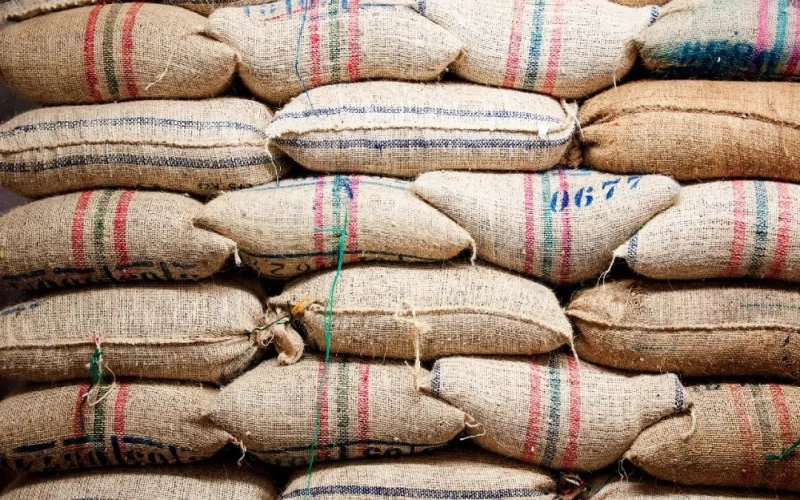
The Brazilian government recently submitted an executive order to Congress aimed at tightening the rules for the use of federal PIS-Cofins tax credits, with the goal of closing tax loopholes across multiple industries and supporting the objective of eliminating the fiscal deficit this year. However, this move has met strong opposition from the agricultural sector, with exporters of coffee, meat, fruit, grains and other products expected to see revenues fall by 26.3 billion reais. The Brazilian Coffee Exporters Council pointed out that the new rules will increase corporate cash flow pressure and operating costs, potentially triggering food inflation and unemployment, and weakening the international competitiveness of Brazilian coffee. Meanwhile, severe weather in Vietnam has led to reduced production and already pushed up coffee futures prices, and a slowdown in Brazilian exports could further fuel the rally. Notably, Luckin Coffee has signed a memorandum of cooperation with the Brazilian side, planning to purchase about 120,000 tons of coffee beans over the next two years, which brings good news for Brazilian exports. Front Street Coffee reminds enthusiasts to pay attention to the impact of policy changes on the coffee market. [more…]
New tax policies in Brazil! Prices of agricultural products such as coffee will continue to rise.
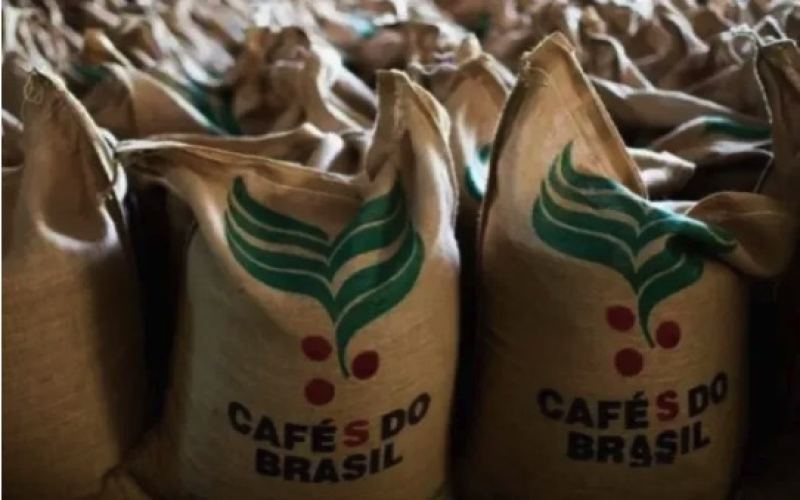
Recently, according to local media reports in Brazil, earlier this week, the new administrative order submitted by the Brazilian government to the congress contains a new measure related to tightening tax exemptions. According to the Brazilian Minist [more…]
Brazil Fires Cause 14.7 Billion Reais in Agricultural Losses; New Coffee Crop Expected to Fall 6.8%
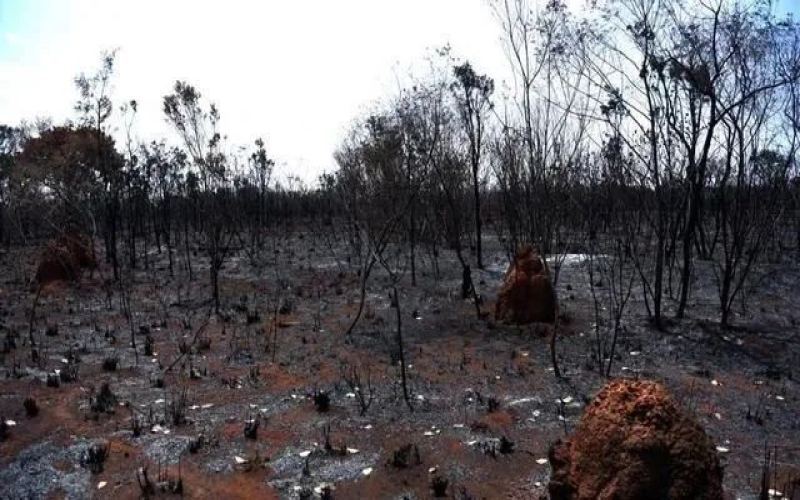
Brazil has recently suffered severe fires and a historic drought, with agribusiness losses reaching 14.7 billion reais, and coffee-growing regions have also been affected. According to estimates by the Brazilian Confederation of Agriculture and Livestock, the fires from June to August caused enormous economic losses, with São Paulo state hit hardest. At the same time, Brazil is experiencing an extreme drought, with more than a thousand cities going months without significant rainfall, many rivers shrinking, and coffee tree growth severely affected. The official agency Conab has already lowered its forecast for 2024/25 coffee production, expecting a reduction of 4 million bags, a decline of 6.8%. If weather conditions do not improve before the end of the year, production may decline further, and coffee prices will remain high. [more…]

Ministry of Education Adds Coffee Undergraduate Program at Yunnan Agricultural University, Industry Talent Gap Awaits Filling
Attention coffee lovers,重磅 news has arrived: in the Ministry of Education's latest 2024 undergraduate program catalog, Yunnan Agricultural University's application for a "Coffee Science and Engineering" major has been officially approved, which means the world's first undergraduate coffee talent training program has landed in China. What exactly does this major study? Why is the market so hungry for coffee talent? This article will take you through the curriculum of this emerging major, the industry background, and the huge potential of the coffee market, while also focusing on the current imbalance between supply and demand of talent in the coffee industry. [more…]

Colombian truck drivers block roads to protest diesel price hikes, disrupting transport and supply chains for coffee and other agricultural products
Colombia has been hit by truck driver protests blocking roads since September 2, triggered by the government's decision to gradually phase out fuel subsidies and raise the price of diesel by 1,904 pesos per gallon. The protests have continued to escalate, with 136 road blockades reported nationwide, nearly 1.6 million people affected in their travels, and schools suspended in many places. Goods are piling up at ports and airports, and agricultural products such as fruit and coffee beans are rotting faster due to the high temperatures of the dry season. Colombia's Ministry of Mines and Energy has said diesel prices may continue to rise in the future, and although the government is willing to hold talks, its stance remains tough. Factors such as rising logistics costs, a shortage of truck drivers, and wildfires in Cauca Department that have destroyed coffee fields are compounding, driving Colombian coffee prices steadily higher and putting the supply chain at risk of further deterioration. [more…]

Ethiopian Coffee Exports Set New Record, Five-Year Plan Aims for $6 Billion Target
Recently, Ethiopia announced that its coffee export revenue for the 2025/26 fiscal year exceeded US$3 billion for the first time, reaching a historic high. Ethiopian Minister of Agriculture Adisu Arega stated that coffee export revenue for this fiscal year grew by 13% compared with the previous fiscal year, and the coffee industry continues to remain the country's largest agricultural [more…]
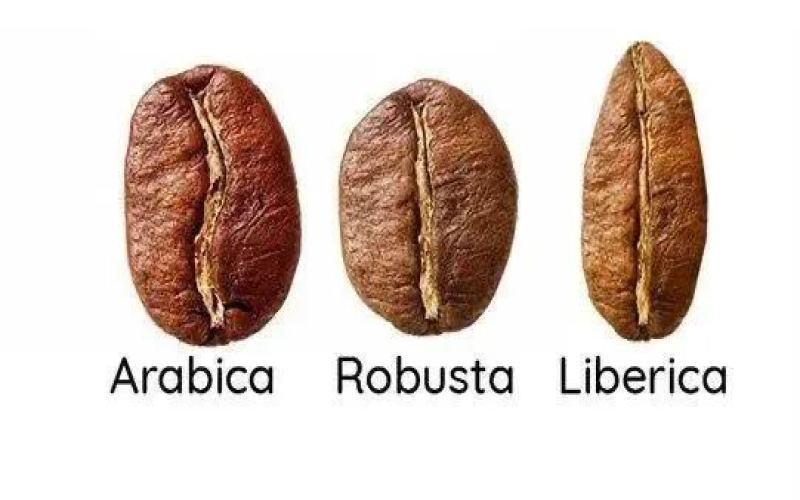
Liberia Restarts Liberica Coffee Cultivation, Pushing for Agricultural Economic Diversification and Transformation
The Liberian government recently announced that it will reintroduce the Liberica coffee variety native to the country as a key measure to revitalize the coffee industry and promote agricultural diversification. This West African nation, whose coffee industry was long stalled by civil war, is now seeking to return to the international market amid rising global coffee consumption and tightening supply, leveraging Liberica's advantages such as strong disease resistance and low caffeine content. At the same time, the incoming Minister of Agriculture pledged to review the national agricultural investment plan within 100 days to ensure that economic crops such as coffee receive substantive support. This article will outline the revival path of Liberia's coffee industry and its potential opportunities in the global coffee landscape, and, from the perspective of Front Street Coffee, present the future possibilities of this producing region. [more…]

Coffee futures break through 300 cents to a 13-year high, with Brazilian drought and tight inventories as the main drivers
Recently, U.S. C-type coffee futures prices have been climbing steadily, breaking through the 300 cents per pound mark, touching an intraday high of 303.93 cents, and finally closing at 302.92 cents, setting a new 13-year record and simultaneously driving Robusta coffee futures higher. The core driver of this rally comes from the USDA Foreign Agricultural Service (FAS) sharply lowering its forecast for Brazil's 2024/25 production to 66.4 million bags, a 5% reduction from the previous USDA estimate of 69.9 million bags. Combined with multiple factors including Brazil experiencing its worst drought since 1981 and inventories shrinking 26% year-on-year, market concerns over global coffee supply continue to intensify. Producing countries such as Honduras have also seen reduced output due to adverse weather, further exacerbating the tight supply situation. [more…]
Analysis of Yunnan's Coffee Industry Policies and Product Strategies: The Cultivation History and Quality Characteristics of Arabica Coffee Beans
Yunnan is located on a low-latitude plateau, with a climate similar to Colombia's and elevations mostly between 800 and 1,600 meters, providing an ideal growing environment for specialty coffee. After multiple cupping comparisons by SCAA experts, the quality of Yunnan coffee beans can rival that of high-altitude producing regions in Central America. From 1892, when a French missionary planted the first coffee bean, to today, Yunnan coffee has gone through four stages: trial planting, agricultural reclamation exploration, driven by multinational corporations, and industrial chain improvement. Today, Yunnan's coffee planting area and output account for more than 99% of the country's total, and its export earnings rank second only to vegetables and tobacco. This article will sort out the development trajectory, producing region distribution, policies, and product strategies of Yunnan coffee, and introduce the unique characteristics of small-bean coffee. [more…]

Peruvian Volcanic Eruption Compounded by Mercury Pollution, Alarm Bells Ring for Coffee Growing Environment
Peru, a South American coffee-producing country, has recently been hit by a series of natural disasters and environmental crises. The Sabancaya volcano in the south has entered an orange alert level, and ash from frequent eruptions is severely affecting nearby farms and pastures; meanwhile, the provinces of Huancavelica and Cusco have been declared in a state of environmental emergency due to heavy metal mercury contamination. Both regions have coffee cultivation, and mercury contamination not only inhibits crop growth and reduces agricultural product quality, but may also trigger labor shortages. The Peruvian government has already launched response measures, but concerns within the industry about coffee production and quality are rising. [more…]
From Coca Fields to Coffee Plantations: The Rocky Road of Colombia's Coffee Industry Transformation
Colombia is the world's second-largest coffee-producing country, and its coffee is renowned worldwide for its smooth, balanced flavor. However, this nation abundant in high-quality coffee was once mired for a long time in coca cultivation. From the agricultural economy of the colonial period to the shocks of the modern market, from the government's eradication of coca to guiding farmers to switch to coffee, Colombia has walked an extremely difficult road. This article will sort through this history, analyze the struggle between cocaine and coffee, and the multiple challenges facing the transformation of the coffee industry, such as cultivation training, transportation, and funding guarantees. [more…]
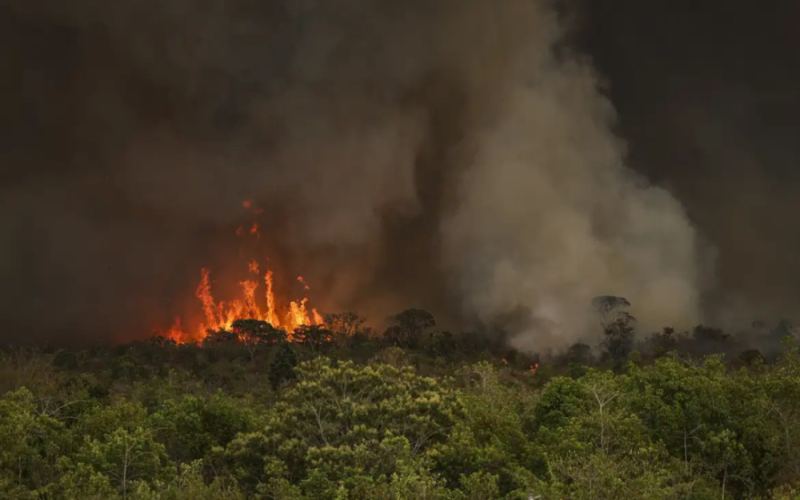
Rainfall in Brazil Fails to Alleviate Drought in Coffee-Growing Regions, New Crop Yields Remain Under Pressure
Since 2024, Brazil has been continuously hit by high temperatures, droughts, and severe fires, with large areas of forest and farmland destroyed, agriculture suffering heavy losses, and coffee-growing regions also deeply affected. Although southern Brazil recently received rainfall, the brief precipitation is unlikely to fundamentally ease the drought, and the outlook for coffee production in the new season remains bleak. At the same time, Brazil's coffee exports have performed strongly but are constrained by port logistics congestion, keeping international coffee prices persistently high. This article will review the multiple impacts of Brazil's fires and drought on the coffee industry and analyze current export and price trends. [more…]

Nestlé Launches 2030 Coffee Plan: Investing Over 1 Billion Swiss Francs to Drive Regenerative Agriculture Transition
Global food and beverage giant Nestlé announced on October 4, 2022, the launch of the "Nescafé Plan 2030," committing to invest over 1 billion Swiss francs in the Nescafé Plan by 2030 to secure coffee supply and deepen sustainability efforts. This investment more than doubles the amount from the past decade, with a core focus on helping coffee farmers transition to regenerative agriculture while planting over 20 million trees on and around farms to absorb carbon emissions. Nestlé had previously pledged that all its coffee would be sustainably sourced by 2025, and now it has set a further goal: for 20% of its coffee to be grown using regenerative agriculture methods by 2025. Given the threats climate change poses to coffee-growing regions, rising global coffee demand, and the poverty of farmers, whether this plan can bring about substantive change across the entire coffee industry chain is worth watching. [more…]
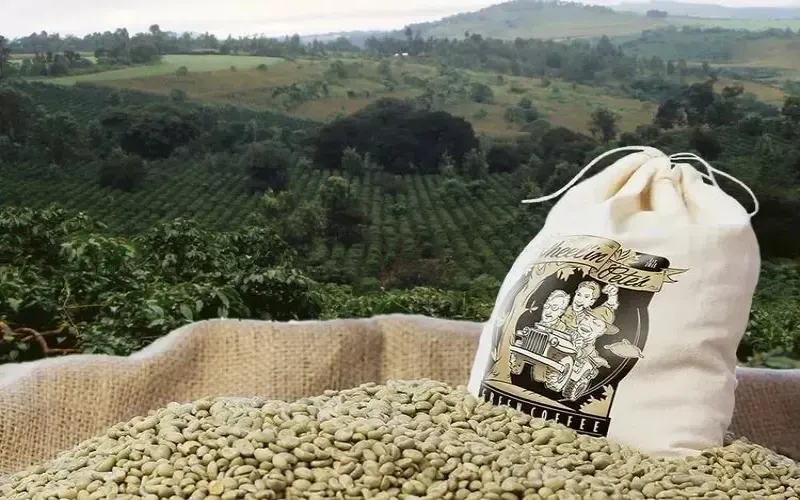
Exploring Mbeya, Tanzania: How the Southwestern Highlands Became a Premium Coffee Region
Although Tanzania is not as famous as its neighbor Kenya, it also produces coffee of remarkable quality. From the introduction of coffee trees during the German colonial period to the southward shift of the industry's focus after independence, this East African country, with its high altitude, volcanic soil, and abundant water, has given rise to several distinctive producing regions. Among them, Mbeya in the southwest is gradually attracting attention. Not only does it have cool highlands suitable for coffee cultivation, but it is also home to the Aing'e Agricultural Marketing Cooperative, known for its democratic management. This article will guide you through the evolution of Tanzanian coffee and take a deeper look at the Mbeya producing region to see how it became an agricultural trade center in the country's southwest. [more…]
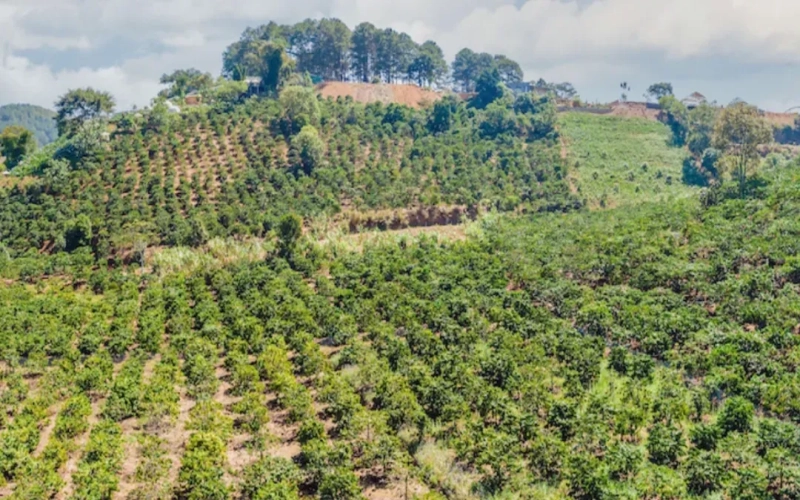
Vietnam's New Crop Coffee Production May Reach 29 Million Bags, Export and Climate Variables Draw Attention
The latest report from the United States Department of Agriculture shows that Vietnam's coffee production for the 2024/25 season is expected to reach 29 million bags, a slight adjustment from earlier forecasts, but rising coffee prices are encouraging farmers to invest more. Although drought and high temperatures have hit production, measures such as irrigation and intercropping have somewhat eased the pressure of reduced output. At the same time, the planting structure in the Central Highlands is quietly changing, with high-return crops such as durian and passion fruit diverting some coffee acreage. On the export front, Vietnam's coffee exports in the first half of the 2023/24 fiscal year fell 7% year on year, while domestic purchase prices remain persistently high, making traders cautious about signing contracts. The market is skeptical of official production data, and La Niña may become the biggest variable going forward; the new season's harvest will not be known until October. [more…]