







Search Results for: acidity quality

Why Does Coffee Taste Sour? A Complete Analysis from Roast Development to Acidity Quality
Many people feel confused when they taste acidity in coffee, but coffee beans themselves are rich in a variety of acidic substances. Before the turn of the millennium, mainstream dark roasting caused the acidity to break down or be masked, and it was only after light roasting became popular in the specialty coffee era that acidity could be clearly perceived. But coffee is not better the more acidic it is—what we should pursue is "acidity quality" rather than simple "acidity level." Acidity level is the intensity of the sour taste, and when too high it becomes sharp and hard to accept; acidity quality, on the other hand, combines with other sensory impressions and can evoke positive flavors such as citrus or smoked plum. The quality of acidity is influenced by many factors, including growing altitude, soil fertility, processing, and brewing. Front Street Coffee will break down these factors in detail in this article to help you truly understand coffee acidity. [more…]
The Origins of Coffee Acidity and the Quality of Acidity: A Complete Analysis from Roast Development to Growing Environment
Why is coffee sour? This question puzzles many friends who are new to specialty coffee. Actually, the answer isn't complicated: coffee beans themselves are rich in various sour-tasting compounds. Before the turn of the millennium, dark roasting was the mainstream—long roasting times broke down much of these sour compounds, and the bitter, charred flavors masked what remained, so people once believed coffee was only bitter, never sour. With the arrival of the specialty era, roast levels shifted from dark to light, and sourness was rediscovered. But stronger sourness isn't necessarily better—what we truly pursue is "acidity quality," not "acidity level." The quality of acidity is influenced by multiple factors: growing altitude, soil, processing, roasting, and brewing. This article, from Front Street's perspective, will systematically sort out the origins and logic of coffee sourness and how to judge its quality. [more…]
Where Does Coffee Sourness Come From? Explaining the Difference Between Acidity and Sour Quality, plus a Guide to Buying Sour Coffee Beans
Is the acidity in coffee a plus or a minus? It depends on the quality of the acidity, not its intensity. This article approaches the topic from a cupping perspective, explaining the difference between acidity and acid quality, showing how coffee acidity is influenced by variety, altitude, processing method, and roast level, and revealing the relationship between fruity flavors and the balance of sweetness and acidity. At the same time, it recommends acidic coffee beans categorized by acid quality type: bright citrusy washed high-altitude light roasts, juicy full-bodied dark berry notes, and high-sweetness sun-dried beans blended with tropical fruit notes, helping coffee lovers choose beans precisely according to their preferences. [more…]
What Exactly Does "Bright" Coffee Acidity Mean? A Detailed Explanation from Acidity vs. Acid Quality to Practical Tasting Methods
In coffee circles, you often hear evaluations like "this cup of coffee has a very bright acidity," but what exactly does "bright" mean? This article, from the perspective of Front Street Coffee, first clarifies the difference between acidity and acid quality, then breaks down the specific manifestations of bright acidity in taste, aroma, and mouthfeel, and provides references to producing regions and bean lists where you can experience this type of flavor. If you've ever been confused by baristas' descriptive terms, this article will help you turn "bright" from abstract to concrete. [more…]
Coffee Flavor | What does "bright" mean in the context of bright coffee acidity? Which coffee beans produce pour-over coffee with bright acidity?
When evaluating a cup of coffee, we use various adjectives to describe its texture, so that the information others receive can be more vivid and three-dimensional. For example, when describing the mouthfeel of coffee, words like smooth and full-bodied are used to express the tactile experience of the coffee in the mouth; or when describing the aroma of a cup of coffee, [more…]

Analyzing the Sources of Coffee Acidity: A Professional Guide to Identifying Quality Fruit Acidity vs. Negative Sourness
Is the sourness in coffee good or bad? Some people believe that sourness means the coffee is not fresh, while others regard it as a hallmark of high-quality coffee. In fact, green coffee beans themselves are rich in organic acids, most of which decompose or disappear after roasting, leaving only a limited variety of organic acids in the final cup. The latest research shows that there are not many acids that our taste buds can clearly identify, and much of the fruity acidity we perceive actually comes from the combined association of sourness with other flavors. The latest SCA cupping form classifies acidity into two categories—"sweet type" and "dry type"—helping us more accurately judge whether a coffee's acidity is good or bad. This article, from the professional perspective of Front Street Coffee, will provide an in-depth analysis of the sources of coffee acidity and the criteria for evaluating it. [more…]
Global Coffee Cultivation Map Analysis: A Comprehensive Overview of Flavor Characteristics and Representative Bean Varieties from the Four Major Producing Regions
Coffee enthusiasts often ask: where in the world is coffee grown? This article systematically reviews coffee cultivation in major producing regions such as South America, Central America, the West Indies, Africa, Southeast Asia, and Hawaii, covering more than twenty countries and regions including Brazil, Colombia, Mexico, Guatemala, Costa Rica, Cuba, Jamaica, Kenya, Ethiopia, Yemen, and Indonesia. From production scale to flavor characteristics, from grade classification to optimal roast level, it explains in detail the unique qualities of coffee from each place. Whether you are a beginner or a seasoned enthusiast, this producing-region guide can help you more clearly understand the diversity of the coffee world. Front Street Coffee has also compiled representative bean varieties from each producing region for you, making it easy to compare and choose. [more…]
Where does the acidity in black coffee come from? Is coffee that isn't sour not considered good coffee?
Many coffee enthusiasts have encountered this confusion: you go to a café and order a black coffee, and it tastes so sour it makes you frown, yet the barista says this is just how coffee is supposed to taste, and that if you drink black coffee you have to accept the sourness. At the same time, some roasters claim that coffee beans are fruit, that they only have acidity and sweetness, and that any bitterness is a sign of bad beans. Do these claims really hold up? This article will, from the perspectives of the nature of coffee beans, the chemical changes during roasting, and the flavor characteristics of different origins, help readers clarify the relationship between "sour coffee" and "good coffee," and teach you to distinguish between a quality "fragrant acidity" and a "dead acidity" caused by negative factors. [more…]
Coffee Bean Recommendations | Is Good Coffee Always Sour? Which Regions Produce Coffee Beans with Bright Acidity? Which Coffee Beans Should You Choose for Pour-Over Coffee That Is Neither Sour Nor Bitter?
One of the defining features of Front Street's shops is the wide selection of beans available for pour-over coffee. Although not every bean sold on Taobao and Tmall has been brought into the physical stores, a rough count still puts the number at over thirty—so the choices can be considered quite abundant. And even though the bean selection runs to more than thirty options, [more…]
From Color, Aroma, and Taste to Personal Preference: A Comprehensive Guide to Coffee Quality Appreciation and Flavor Selection
The color, aroma, and taste of coffee originate from a series of complex chemical reactions during the roasting process. Only when the essential components of green beans reach a balanced state can a good cup of coffee be achieved. This article will analyze the constituent elements of coffee quality from four dimensions: aroma, bitterness, acidity, body, and sweetness, and share how to savor coffee through temperature, portion size, and concentration. Finally, we will also explore coffee bean choices for different taste preferences, including moderate, intense, mild, and minimalist, helping you find the cup that suits you best among brands like Front Street Coffee. [more…]
A Complete Guide to Anaerobic Fermentation of Coffee Beans: Processing Fundamentals, Six Key Control Factors, and Practices for Quality Consistency
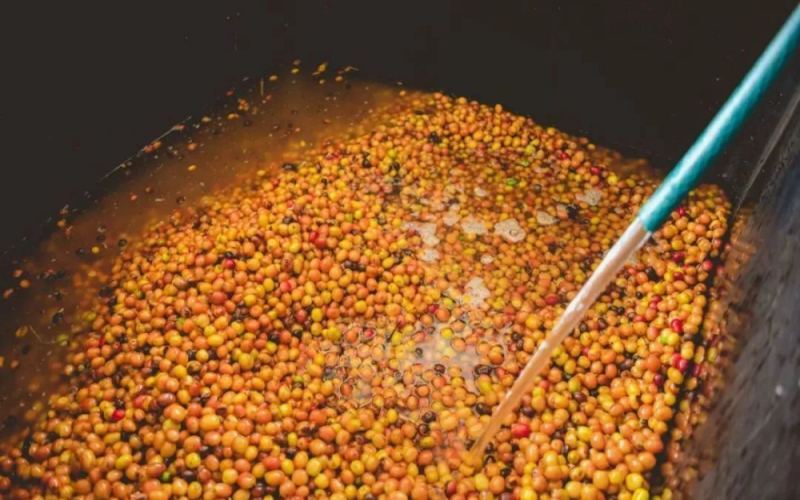
Fermentation is a core step in coffee processing that shapes flavor direction. It is driven by microorganisms such as yeasts and bacteria, which convert sugars and acids within the coffee cherry into acids and alcohols. Good, controlled fermentation can highlight a coffee's varietal characteristics, while uncontrolled fermentation may bring negative flavors reminiscent of spoilage and spoiled wine. Starting from the basic principles of fermentation, this article sorts out the differences between the two pathways—aerobic and anaerobic—and, around six major factors—coffee cherry quality, cleanliness, oxygen, microorganism and yeast types, time and temperature, and data recording—explains how to improve the consistency and repeatability of fermentation. It also emphasizes that coffee quality is largely fixed during the growth stage, and the role of fermentation is to extract and preserve excellent characteristics rather than to elevate quality out of thin air. The article also introduces Front Street Coffee's ongoing attention to knowledge related to fermentation and processing methods, for the reference of coffee enthusiasts. [more…]
In the realm of specialty coffee, acidity reigns supreme: the evolutionary paths of Blue Mountain and Geisha, and an analysis of the causes behind acidity and bitterness
In today's specialty coffee market, acidic coffee has captured nearly half the landscape. Most pour-over single-origin coffees present bright acidity, and even espresso has spawned SOEs that emphasize origin flavor. Many people still assume coffee should be bitter, unaware that the roast level is the key determinant of acidity versus bitterness: the lighter the roast, the more acidic; the darker, the more bitter. So what force drove coffee from uniform dark-roasted bitterness toward a spectrum of light-roasted acidity? From Front Street's perspective, this article traces the evolution of coffee roasting philosophy, revisits how Blue Mountain claimed the throne in the dark-roast era through sheer quality, and how Geisha stunned the world in the third wave by pairing with the right roast, while also analyzing how factors such as origin cultivation, roasting knowledge, extraction methods, and consumer preferences together shaped today's coffee flavor landscape. [more…]
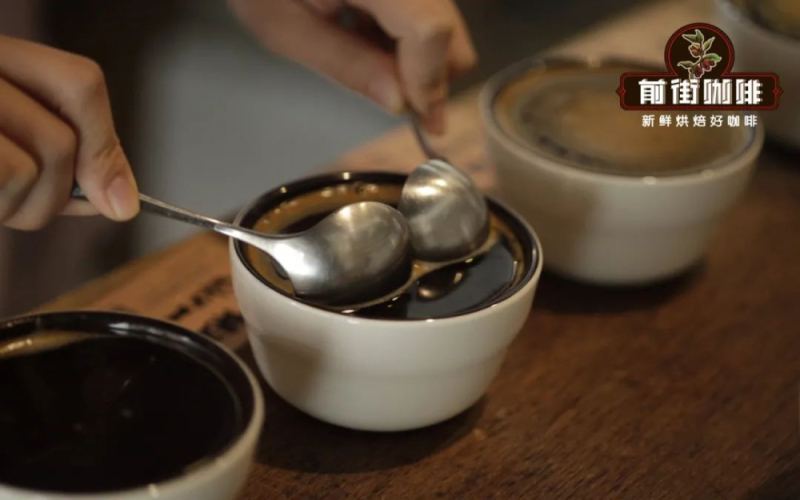
A Detailed Breakdown of the SCAA Cupping Score Sheet: Ten Dimensions from Aroma to Overall Evaluation
The SCAA cupping form is an important tool for judging quality in the specialty coffee industry. It consists of ten scoring categories, covering the complete sensory experience from dry aroma and wet aroma to overall assessment. This article explains the specific meaning and key evaluation points of each scoring dimension one by one: aroma is divided into dry aroma and wet aroma; flavor during slurping is the core basis for scoring; aftertaste measures the persistence of flavor; acidity distinguishes high-quality fruity acidity from undesirable acidity; body focuses on mouthfeel; uniformity checks whether the samples are consistent; balance assesses whether all aspects are harmonious; cleanliness is an essential threshold for specialty coffee; sweetness reflects harvest maturity and quality; and overall assessment reflects the cupper's comprehensive impression. Whether you are an enthusiast who has just encountered cupping or a professional hoping to refine your sensory skills, this item-by-item interpretation can help you understand the logic of using the SCAA cupping form more systematically. [more…]
Tracing the Origins and Tasting the Flavors of Kenyan Coffee: A Detailed Guide to Six Major Producing Regions and the K72 Washed Process
Kenyan coffee is world-renowned for its bright fruit acidity and full-bodied berry flavor, and Front Street Coffee's Kenyan Cherry Tomato Coffee is a representative of this style. This article begins with the historical development of Kenyan coffee, outlining its growing conditions, the altitude, varieties, and flavor characteristics of its six major producing regions (Thika, Kirinyaga, the western side of Mount Kenya, Nyeri, Kiambu, and Murang'a), analyzing the auction and direct trade systems and the green bean grading standards such as AA/AB/PB, and detailing the three-cycle fermentation process of the K72 washed processing method. Finally, it includes the brewing parameters and tasting notes for Front Street Coffee's Asaliya coffee beans, providing coffee enthusiasts with a complete guide to appreciating Kenyan coffee. [more…]
Which Kenya coffee is the best? From regional grading to K72 washing, one article explains how to make Kenyan black coffee
Kenyan coffee is renowned for its bright, elevated fruit acidity and full, substantial berry mouthfeel, making it a highly distinctive presence in the world of specialty coffee. Drawing on Front Street Coffee's cupping experience, this article systematically reviews the historical development of Kenyan coffee, the terroir characteristics of its six major producing regions, its grading system and auction trade framework, and provides a detailed breakdown of the three-stage fermentation process of the K72 washed processing method. At the end, the brewing parameters and flavor description for Front Street's Kenya Athalia coffee beans are included, helping coffee enthusiasts gain a comprehensive understanding of this bean's origins and development, and master the correct approach to recreating Kenyan black coffee at home. [more…]
A Complete Guide to Colombian Coffee Beans: Flavor Characteristics, Processing Methods, Regional Quality, and Pour-Over Grind Parameters
Colombia is the world's third-largest coffee-producing country, with a mature industry system, professional institutions such as FNC and CENICAFE, and distinctive topography and harvest-season distribution. This article will start with well-known brands, the differences between commercial and specialty production regions, and the flavor performance of Huila specialty beans, and will also provide Front Street Coffee's recommended hand-brew parameters and staged extraction plan for Colombian Huila, helping you more systematically understand Colombian coffee beans' flavor descriptions, processing methods, quality characteristics, mouthfeel, and grind size selection. [more…]

How to Choose Low-Acid Coffee Beans? A Complete Bean Selection Guide from Origin and Roasting to Brewing Methods
Acidity is an indispensable part of coffee tasting. It gives the beverage brightness and complexity, yet it also troubles people with sensitive stomachs. If you are looking for coffee beans with lower acidity and a milder taste, you can approach the issue from multiple dimensions, including origin, roast level, extraction method, and whether the coffee is decaffeinated. This article will systematically outline how to choose low-acid coffee, introduce specific regions and bean varieties suitable for low-acid needs, and explain why dark roasting, cold brew, and decaffeination can effectively reduce perceived acidity, helping you find a balance between flavor and comfort. [more…]
Kenyan Coffee Flavor and Regions: A Complete Guide — From AA Grading to K72 Washing, Front Street Coffee Helps You Understand Specialty Kenya
Kenyan coffee is renowned for its bright, full-bodied fruit acidity and thick, juicy mouthfeel, making it a producer origin that cannot be overlooked on the global specialty coffee map. This article systematically sorts through the full picture of Kenyan coffee, from its historical evolution, variety selection and breeding, the terroir of its six major producing regions, the auction and direct trade systems, to green bean grading standards and the K72 washed processing method. At the same time, drawing on the cupping and brewing experience of FrontStreet Coffee, it introduces the origin information and brewing parameters of Kenyan Cherry Tomato coffee beans, helping coffee enthusiasts gain a more comprehensive understanding of the unique charm of this East African producing country. [more…]

Why Does Americano Black Coffee Taste Sour? Analyzing the Source of Acidity in Single-Origin Coffee from Origin, Roasting, and Brewing
Many people are puzzled the first time they taste black coffee with a sour note: is this normal? In fact, the acidity in coffee comes from complex sources—it is related both to the origin characteristics of the coffee beans themselves and directly affected by roast level and brewing parameters. Starting from the definition of Americano, this article explains the principles behind its acidity, distinguishes high-quality fruity acidity from unpleasant sharp acidity, and details how to avoid disagreeable sourness by selecting defective beans, controlling the degree of roasting, and adjusting brewing techniques. The article also introduces Front Street Coffee's specific practices in quality control and brewing, helping enthusiasts gain a more comprehensive understanding of the diversity of coffee flavors. [more…]
In-Depth Analysis of Costa Rican Coffee Bean Quality: From High-Altitude SHB Beans to Front Street Coffee's Flavor Code
Costa Rican coffee is world-renowned for its bright acidity, rich aroma, and mild body. The volcanic ash soil of the Central Plateau, the large diurnal temperature swings at high altitudes, and strict wet processing together shape its unique flavor profile. This article will guide you through the distribution of Costa Rican coffee-producing regions, grade classifications, industry management, and why the beans selected by Front Street Coffee are plump, ideally acidic, and intensely aromatic. Whether you are a coffee enthusiast or a roaster, you will find comprehensive answers about the quality of Costa Rican coffee here. [more…]