








What Role Do Organic Acids in Coffee Play?
Low-acid coffee is selected along four lines: origin, roast level, extraction method, and whether the beans are decaffeinated. Coffees from Sumatra Mandheling, Brazil, and Colombia Huila tend to sit on the milder side, and darker roasting, cold brew, and decaffeination each reduce the sharp sensation further. The goal is comfort without losing flavor.
It helps to separate the chemistry from the taste term. Acidity in coffee is not a pH reading; it is a flavor dimension alongside body, aroma, sweetness, bitterness, and aftertaste. The organic acids in coffee include chlorogenic and citric types, and concentration shifts with roast. Kenya AA, Ethiopia Yirgacheffe, Costa Rica, and Nicaragua are known for pleasant, fruity acidity instead.
Acidity is an indispensable part of coffee tasting, giving the drink brightness and layers, yet it also troubles people with sensitive stomachs. If you are looking for coffee beans with lower acidity and a milder taste, you can approach it from multiple dimensions such as origin, roast level, extraction method, and whether it is decaffeinated. This article will systematically sort out the selection ideas for low-acid coffee, introduce specific origins and bean varieties suitable for low-acid needs, and explain why dark roasting, cold brew, and decaffeination can effectively reduce sourness, helping you find a balance between flavor and comfort.

If coffee completely lost its acidity, the flavor would seem dull and lifeless. Acidity is one of the core taste elements of high-quality coffee, usually expressed as a sharp sensation at the front of the mouth, a slight tingling on the tip of the tongue, or a dry tactile sensation at the back of the palate and the lower side of the tongue edge. To a certain extent, it reflects the quality level of the coffee.
High-quality acidity often carries sweetness, crispness, and fruity acidity, and can highlight other strengths of the coffee. Origins known for pleasant acidity include Kenya AA, Ethiopia Yirgacheffe, Costa Rica, and Nicaragua.
It should be noted that acidity in coffee does not refer to pH value, but is a basic flavor dimension alongside body, aroma, sweetness, bitterness, and aftertaste. Insufficient acidity makes coffee taste thin and insipid.
For people with weaker digestive function, some high-quality coffees may trigger acid reflux, or cause stomach discomfort due to a higher concentration of healthy organic acids. Although people with normal digestive systems can fully enjoy the health benefits brought by high-quality acidity, low-acid coffee still has its market space.
The Best Low-Acid Coffee
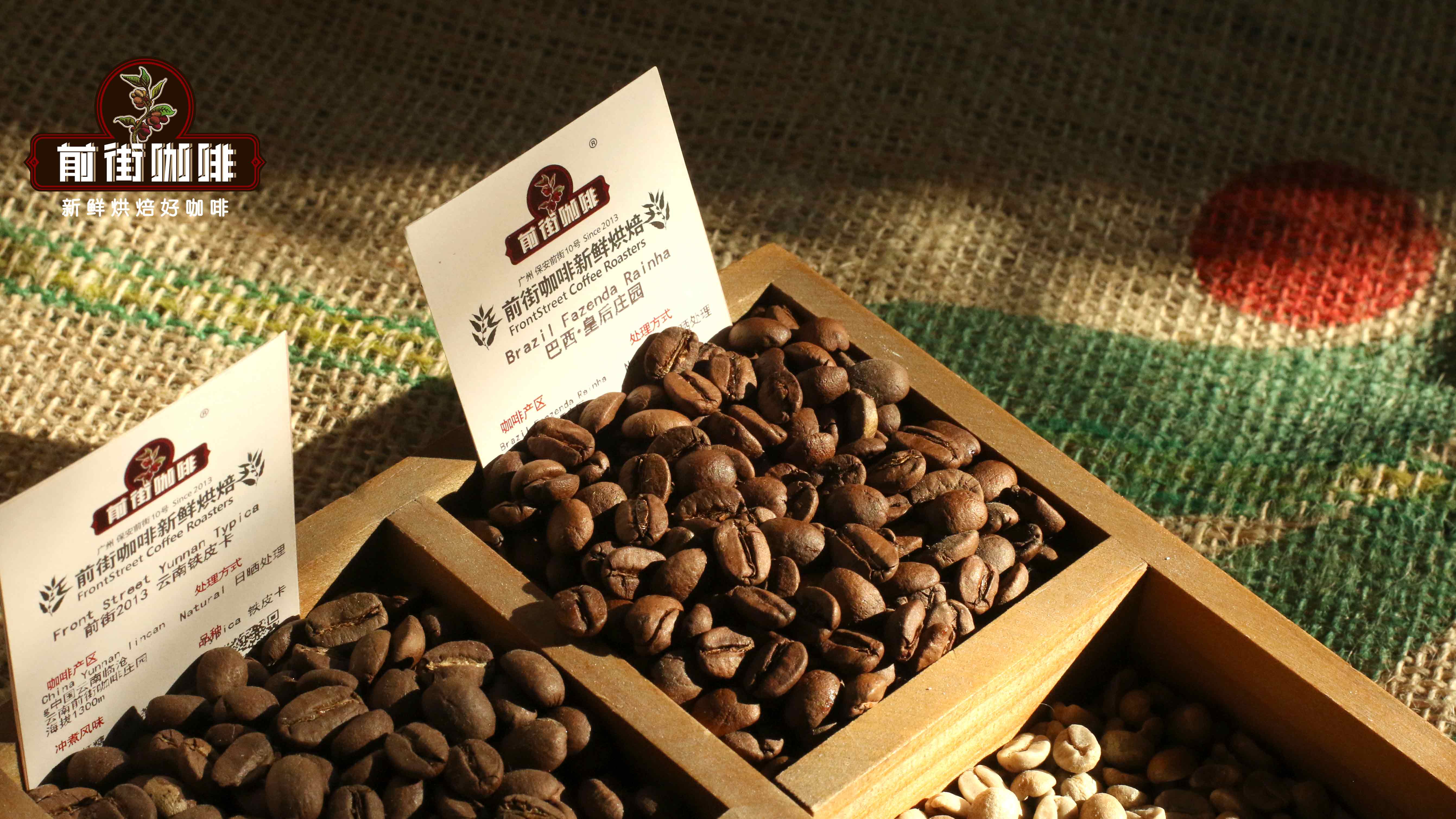
An ideal starting point for choosing low-acid coffee is the origin. Although acidity levels within the same country vary greatly and are highly diverse, origin can at least help you narrow the range. Some high-quality low-acid coffees around the world come from Asia and South America. The top choices are three single-origin coffee beans: Front Street Brazil Queen Estate, Front Street Sumatra Mandheling, and Front Street Colombia Huila.
Front Street Brazil Queen Estate presents a clean creamy nutty note, with a balanced mouthfeel and a sugarcane-like sweet finish; Front Street Sumatra Mandheling uses a unique wet-hulled process, carrying the wild character of Asian origins and cedar herbal characteristics; Front Street Colombia Huila comes from a high-altitude growing region, releasing rich aromas of dark chocolate, caramel, and roasted hazelnut after extraction.
Low-acidity coffee is often looked down upon by so-called coffee connoisseurs, but coffee is ultimately a personal experience, and your own perception is the only standard that matters.
Acidity is usually regarded as a plus for coffee, providing brightness to the flavor and enhancing other qualities. The organic acids in coffee are rich in antioxidants and can bring certain health benefits to drinkers, but for some people, the pros and cons need to be weighed.
Roast Levels with Lower Acidity
In addition to choosing low-acid coffee by origin (even within the same country there are differences), the degree of roasting can also affect coffee's acidity. The organic acids in coffee are gradually broken down as roasting time increases, disappear from the beans, and ultimately do not appear in the brewed coffee liquid.
Dark roasts are usually lower in acidity than light roasts, precisely because the organic acids are depleted during the roasting process.
The two main harmful organic compounds associated with stomach discomfort are N-alkanoyl-5-hydroxytryptamine and catechol. Conversely, certain compounds such as N-methylpyridinium (NMP) have been shown to help relieve stomach discomfort—dark-roasted coffee contains higher levels of NMP than light-roasted coffee.
The Effect of Cold Brew on Lower Acidity
Cold brew coffee is extracted at a lower temperature over several hours, so people sensitive to coffee often tolerate it better. Extracting certain acidic compounds in coffee requires higher water temperatures, and the cold brewing process does not have such high-temperature conditions. Overall, dark roast is also best suited for making cold brew, which can further reduce acidity.
Decaf Coffee Is Beneficial for Lower Acidity
Decaffeination removes caffeine while also taking away many other compounds naturally present in green beans. Regardless of the decaffeination method used—Swiss Water Process, carbon dioxide method, or other solvent methods—what is lost is not only caffeine, but the content of other acidic substances also decreases accordingly.
Although any decaffeination method removes some "beneficial" compounds, they do not make coffee unhealthy. A common misconception is that the solvent method is less safe than the carbon dioxide method or the Swiss Water method, but these solvents evaporate completely at temperatures far below those of roasted coffee, and no traces of related compounds remain in the final roasted coffee.
The above content is compiled by CoffeeHunters, a coffee news website.


