







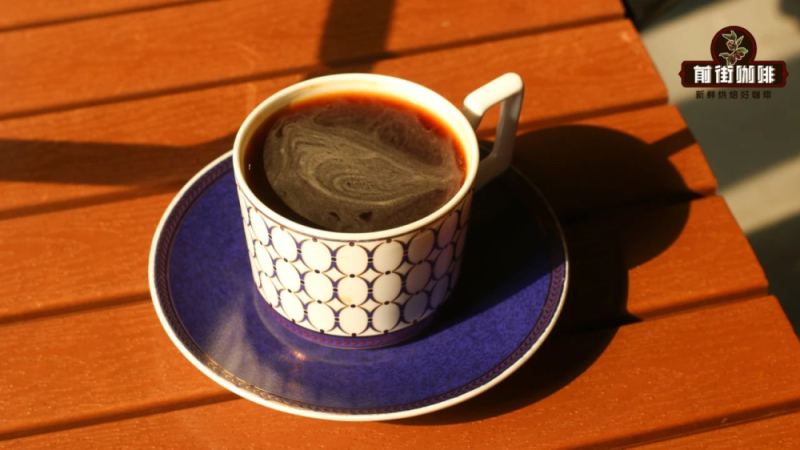
Is Americano Acidic, and Where Does the Sourness Come From?
Yes, an Americano can taste acidic, and that is normal. Because an Americano is simply espresso diluted with water, its acidity carries over from the espresso shot. The acids come mostly from the coffee beans themselves: African beans tend to be fruitier and more acidic, South American beans lean nutty and chocolatey, and Mandheling and Blue Mountain style beans taste fuller and less bright.
Roast level and brewing also shape how much acidity lands in the cup. Lighter, Nordic-style roasts push fruity sweet-and-sour notes forward, while darker roasts mute them. Bitterness dominated older street coffee, which shaped many drinkers' expectations. Choosing sound beans, matching the roast to taste, and adjusting grind, time, and temperature let you keep pleasant acidity and avoid harsh sourness.
Many people wonder when they first taste black coffee with a sour note: Is this normal? In fact, the acidity in coffee comes from complex sources, related both to the origin characteristics of the coffee beans themselves and directly affected by roast level and brewing parameters. Starting from the definition of Americano, this article explains the principles behind its acidity, distinguishes high-quality fruity acidity from unpleasant sharp acidity, and details how to avoid unpleasant sourness by selecting defective beans, controlling roast level, and adjusting brewing methods. The article also introduces Front Street Coffee's specific practices in quality control and brewing, helping enthusiasts understand the diversity of coffee flavors more comprehensively.
Most of the acidity in coffee comes from the characteristics of the coffee beans themselves, though personal taste preferences also play a role. Generally speaking, coffee from different producing regions tends to have different flavor profiles: African beans tend to be more acidic, South American beans are more likely to show nutty and chocolate notes, while Mandheling and Blue Mountain tend toward a richer, fuller body.
In common usage, some people refer to all unsweetened black coffee as Americano. Strictly speaking, however, Americano refers to coffee catering to American tastes. When Americans first encountered espresso, they found its intense flavor hard to accept; they were more accustomed to the lighter taste of drip coffee, so they diluted espresso with water to a concentration closer to drip coffee, and this practice formed the Americano.
In short, Americano is Espresso plus a certain amount of water. Hot Americano is espresso with hot water, while iced Americano is espresso with ice water.
Is it normal for Americano to have a sour taste?
In the era before coffee became widespread in China, only a few chain brands and high-end hotels served coffee on the streets, and that coffee was dominated by bitterness with a strong aroma. This shaped a generation's fixed impression of coffee. Later, as the specialty coffee wave rose and the Nordic light-roast style became popular, coffee flavors evolved from scorched bitterness and heavy aroma to include fruity sweet-and-sour notes. This seed gradually took root and sprouted, and today there are many coffee shops on the market that focus on acidity.
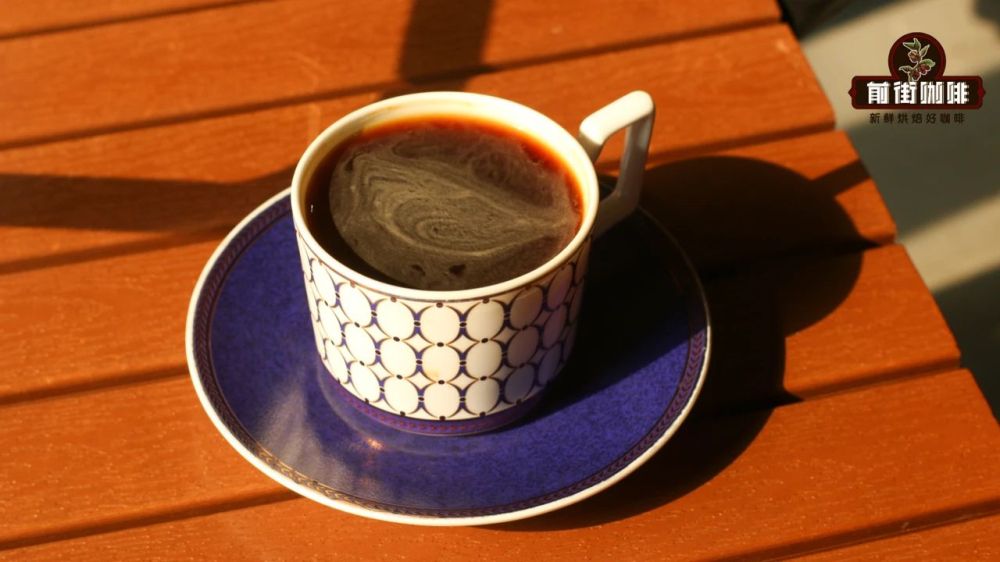
If the Americano you drink has a sour taste, it is very likely made with SOE as the base. SOE stands for Single Origin Espresso, and to highlight the origin's characteristics, it is usually not roasted too dark, so it is normal for the resulting espresso to be acidic.
Why does coffee have a sour taste?
The acidity of coffee beans comes from the beans themselves and the roasting process. Good acidity can give sourness richer layers, with a fresh and pleasant aroma, similar to fruit flavors, or a soft and rounded acidity, all of which mean the cup contains "high-quality acidity." Examples include the citrus acidity of Geisha and the lemony acidity of washed Yirgacheffe.
Poor acidity, on the other hand, is unpleasant sourness caused by improper growing, processing, roasting, or brewing, often accompanied by pungent odors and producing a "sharp" sensation, generally called sharp acidity. Whether coffee is acidic, and whether it is "good acid" or "bad acid," depends on variety, roast level, and brewing parameters.
How to avoid the appearance of poor acidity?
Defective beans
Among defective beans, there is a type called full sour beans or partial sour beans, which appear yellow-brown or red-brown; this is caused by bacterial contamination during fermentation in harvesting and processing. Therefore, specialty coffee usually uses the highest-grade green beans, with fewer defects. Front Street Coffee performs manual sorting twice, before and after roasting, to remove defective beans and ensure coffee quality.
Front Street Coffee's baristas also carefully pick out defective beans that would affect flavor during brewing. Through multiple layers of quality control, the coffee is presented in its best state.
Roasting
Coffee beans contain acidic organic compounds synthesized by the plant itself; they are weakly acidic aromatic substances made of carbon molecules. Organic acids include chlorogenic acid, quinic acid, acetic acid, citric acid, malic acid, lactic acid, and others. These acids increase or decrease before and after roasting.
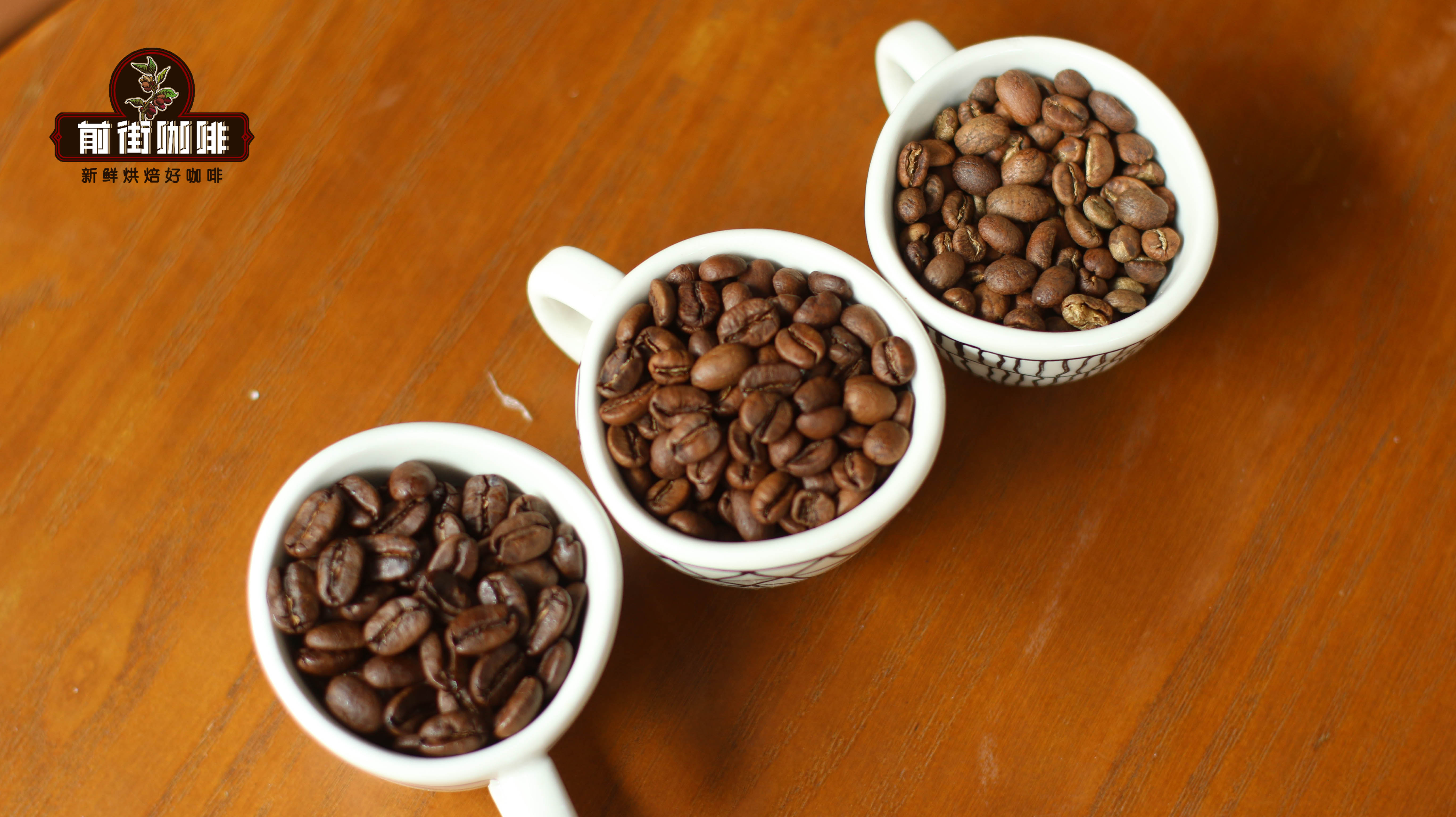
If development during roasting is insufficient or dehydration is incomplete, sharp acidity is likely to appear.
Of course, this is also related to roast level. The lighter the roast, the lower the degree of caramelization, and the more organic acids remain in the beans, so acidity is more likely; conversely, the darker the roast, the less likely acidity is, because extending roasting time wears away the floral and fruity aromas in the coffee beans.
Brewing
If under-extraction occurs due to reasons such as water temperature being too low or the grind being too coarse, sharp acidity will also appear. To avoid this, Front Street Coffee needs to repeatedly adjust brewing parameters to find a suitable solution.
The world of coffee has a rich variety of flavors, and tasting various flavors from a cup of coffee is precisely where the fun lies. Fruity acidity is an indispensable part of it; it is these acidic notes that make coffee's layers fuller and also create the unique personality of each bean.
The above content is compiled by CoffeeHunters, a coffee news website.


