







What makes sour coffee beans taste good or bad?
Sourness in coffee is judged by acid quality, not intensity. At cupping, acidity describes how strong the sour sensation is, while acid quality describes whether it is pleasant. Fruit acids like lemon, citrus and grape read as desirable; a harsh, vinegar-like sharpness does not. That is why a sour-leaning cup can be either a defect or a mark of quality.
Coffee beans build up organic acids such as chlorogenic, malic, citric and tartaric acid during growth and processing. Chlorogenic acid is linked to bitterness and is higher in Robusta. Malic and citric acid rise with growing altitude and ripeness, and light roasting is the most direct reason a coffee tastes sour.
Is the sourness in coffee a plus or a minus? It depends on the quality of the acidity, not its intensity. This article approaches the topic from a cupping perspective, explaining the difference between acidity and acid quality, showing how coffee's acidity is influenced by variety, altitude, processing method, and roast level, and revealing the relationship between fruity flavors and the sweet-sour balance. It also categorizes and recommends sour-leaning coffee beans by acid quality type: bright citrusy washed high-altitude light roasts, juicy full-bodied dark berry notes, and high-sweetness tropical fruit-toned natural beans, helping coffee lovers choose beans precisely according to their preferences.
There was a time when many people avoided the sourness in coffee at all costs, convinced that coffee should be bitter. Yet today, acidity has instead become an important indicator of whether a cup of coffee is high quality, and acidic coffees are now commonplace.
The difference between "acidity" and "acid quality"
In the cupping process, we often use two dimensions to describe the acidity in coffee: acidity and acid quality. Acidity refers to the intensity of the sour taste, the sensation first picked up when the coffee liquid touches the sides of the tongue. The pleasant acids in coffee—such as the fruit acids of lemon, citrus, and grape—are manifestations of excellent acid quality. From this, it is clear that the quality of the acidity is far more important than its intensity.
The intensity of coffee's acidity is influenced by multiple factors, including variety, growing environment, processing method, and roast level. Coffee is acidic because coffee beans produce and accumulate various organic acids during growth and post-processing: chlorogenic acid, malic acid, citric acid, tartaric acid, and others. Among these, chlorogenic acid is the source of coffee's bitter taste and is considered an undesirable acid; Robusta beans exhibit a strong bitter taste due to their higher chlorogenic acid content. Malic acid and citric acid, on the other hand, are positively correlated with growing altitude and ripeness—coffee cherries harvested at high altitude and fully ripe are more likely to display outstanding acid quality.
Light roasting is the most direct reason coffee tastes sour, and the roast level depends on the stage at which the coffee beans show their best flavor. During roasting, green beans undergo numerous chemical reactions, some components generate new acids (such as quinic acid), and after acidity peaks, the acids already formed begin to break down as high temperatures continue, with caramelization gradually weakening the sour taste.
The fruity flavors in coffee come from "acidity"
It should be made clear that only acidity with sweetness is high-quality acidity. With the support of sweetness, coffee's acidity appears lively and layered. The acidity in coffee helps us better perceive fruity aromas (for example, Yirgacheffe brings to mind the uplifting acidity of citrus and lemon), and it also allows us to sense sweetness more clearly.
Front Street believes that in many cases people don't simply reject sourness, but because the coffee lacks the complement of sweetness, they only taste sourness and bitterness. Imagine eating an orange: it is the full, juicy sensation of sweet-and-sour that elevates the taste experience. If an orange were only sweet without any sourness, you would also find it off. That is why we often use fruity descriptions to describe the intensity and combination of acidity and sweetness in coffee, such as apple, lemon, grapefruit, passion fruit, wine-like acidity, berries, cherry, citrus, peach, pineapple…
What kind of sourness does sour coffee actually have?
As mentioned earlier, coffee's acidity is closely related to variety, growing environment, and post-processing method, and coffee presents different acidity and acid quality under different conditions. We can choose our preferred acidic coffee based on fruity flavor keywords.
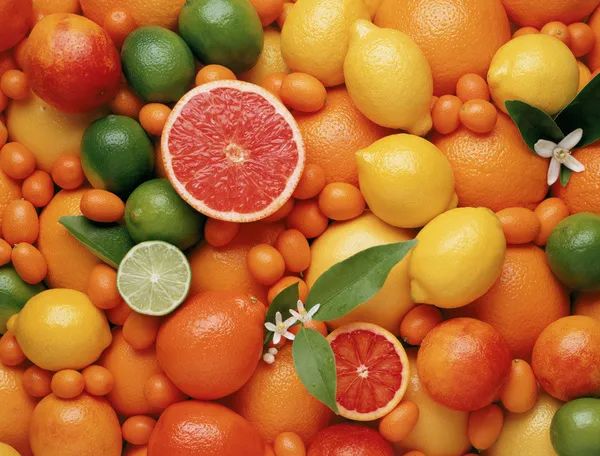
If you prefer a bright, uplifting, higher acidity, you can choose washed high-altitude light-roasted coffee beans, such as washed Emerald Green Label Geisha coffee or washed Yirgacheffe Gidding coffee. This type of black coffee displays the sweet-and-sour of citrus fruits like lemon, orange, tangerine, and pomelo, with a refreshing, light mouthfeel.
If you want a juicy, full-bodied acidity, you can choose flavor types described with dark berries, such as black plum, blackberry, berry, and grape. Washed Kenyan coffee is a typical representative, showing a smooth, viscous, solid juice-like body, with acidity that boldly takes over the palate.
There is also a high-sweetness blended acidity, usually found in naturally processed medium-light roasted high-altitude coffee beans, such as natural Emerald Red Label Geisha coffee, natural Yirgacheffe Red Cherry coffee, and natural Sidamo Huakui coffee. Higher acidity accompanied by high sweetness, plus fermentation aroma, tends toward various tropical fruits such as passion fruit, mango, and peach.
For professional coffee knowledge exchange and more coffee bean information, please follow Coffee Workshop (WeChat official account: cafe_style)
For more specialty coffee beans, please add the private WeChat of Front Street Coffee (FrontStreet Coffee), WeChat ID: qjcoffeex
The above content is compiled by CoffeeHunters, a coffee news website.


