







Search Results for: acidic coffee

Analyzing the Sources of Coffee Acidity: A Professional Guide to Identifying Quality Fruit Acidity vs. Negative Sourness
Is the sourness in coffee good or bad? Some people believe that sourness means the coffee is not fresh, while others regard it as a hallmark of high-quality coffee. In fact, green coffee beans themselves are rich in organic acids, most of which decompose or disappear after roasting, leaving only a limited variety of organic acids in the final cup. The latest research shows that there are not many acids that our taste buds can clearly identify, and much of the fruity acidity we perceive actually comes from the combined association of sourness with other flavors. The latest SCA cupping form classifies acidity into two categories—"sweet type" and "dry type"—helping us more accurately judge whether a coffee's acidity is good or bad. This article, from the professional perspective of Front Street Coffee, will provide an in-depth analysis of the sources of coffee acidity and the criteria for evaluating it. [more…]
Where Does the Acidity in Specialty Coffee Come From? Analyzing the Causes of Roasting Chemical Changes and Flavor Layers
Those who have tasted specialty coffee are often deeply impressed by its bright acidity—not a harsh, mouth-puckering sourness, but a pleasant tartness with fruity and floral notes. Where exactly does this acidity come from? Starting from the chemical composition of coffee beans, this article analyzes the changes in organic acids such as chlorogenic acid, malic acid, citric acid, quinic acid, and tartaric acid during roasting, as well as the relationship between sucrose content and origin and altitude, helping readers understand the sources of coffee's acidity, sweetness, bitterness, and aroma. Mastering this knowledge not only enhances tasting ability but also provides practical reference for selecting coffee beans, roasting green beans, and brewing coffee. [more…]
Analyzing Chlorogenic Acid in Coffee: Health Benefits, Content Differences, and Scientific Drinking Recommendations
Coffee is not only a refreshing beverage but also rich in various beneficial components. From the perspective of chlorogenic acid, this article systematically reviews the health value of coffee. As a key antioxidant, chlorogenic acid is widely present in green coffee beans and possesses multiple biological activities, including antibacterial, antiviral, and cardiovascular-protective effects. The article provides a detailed introduction to the chemical structure, plant sources, medical applications, and toxicity of chlorogenic acid, and compares changes in chlorogenic acid content across different coffee varieties and roast levels. Finally, based on extraction experimental data, it offers practical advice for daily coffee consumption. Whether you are a coffee enthusiast or a reader concerned with healthy eating, you can gain a scientific and objective understanding of coffee from it. [more…]

Why Does Dark Roast Coffee Still Taste Sour? Explaining the Causes Behind Differences in Acidity and Bitterness Across Roast Levels
Many people believe that dark roast coffee should be completely free of acidity, but is that really the case? Front Street Coffee has noticed that some friends unexpectedly taste acidity in dark roasted beans, and even suspect that the roaster didn't roast them properly. In fact, the acidity in coffee comes from two sources: the organic acids inherent in the green beans, and the acetic acid produced by the caramelization reaction during roasting. The darker the roast, the more the organic acids break down, and the acidity decreases accordingly—but it doesn't disappear entirely. The reason the acidity in dark roast coffee is hard to detect is that the intense bitterness and signature aromas of smoke and chocolate mask it. This article will explain, from the perspectives of the causes of acidity, differences in roast level, and perception mechanisms, why dark roast coffee can still carry acidity, and in which situations that acidity is more likely to be tasted. [more…]

Is the sour taste in single-origin coffee a sign that it has gone bad? An analysis of the natural causes of coffee acidity and flavor classification.
Many people are startled by that hint of acidity the first time they try single-origin coffee, instinctively assuming the coffee has gone bad or spoiled. In fact, the coffee fruit is originally just like a cherry, and the natural sweet-and-sour flavor of its pulp influences the green beans during cultivation. Acidity is not a defect but a natural characteristic of specialty coffee. Of course, acidity has its good and bad sides: pleasant fruity acidity can add layers of complexity, while unpleasant acidity can ruin an entire cup. This article starts with the structure of the coffee cherry, explains where acidity comes from, distinguishes delicious acidity from rancid acidity, and offers beginners who are not used to acidity advice on choosing origins and roast levels, while also recommending several low-acid beans from the Front Street brand. [more…]

Why Does Coffee Taste Sour? A Complete Analysis from Roast Development to Acidity Quality
Many people feel confused when they taste acidity in coffee, but coffee beans themselves are rich in a variety of acidic substances. Before the turn of the millennium, mainstream dark roasting caused the acidity to break down or be masked, and it was only after light roasting became popular in the specialty coffee era that acidity could be clearly perceived. But coffee is not better the more acidic it is—what we should pursue is "acidity quality" rather than simple "acidity level." Acidity level is the intensity of the sour taste, and when too high it becomes sharp and hard to accept; acidity quality, on the other hand, combines with other sensory impressions and can evoke positive flavors such as citrus or smoked plum. The quality of acidity is influenced by many factors, including growing altitude, soil fertility, processing, and brewing. Front Street Coffee will break down these factors in detail in this article to help you truly understand coffee acidity. [more…]

Where Does Coffee Sourness Come From? Explaining the Difference Between Acidity and Sour Quality, plus a Guide to Buying Sour Coffee Beans
Is the acidity in coffee a plus or a minus? It depends on the quality of the acidity, not its intensity. This article approaches the topic from a cupping perspective, explaining the difference between acidity and acid quality, showing how coffee acidity is influenced by variety, altitude, processing method, and roast level, and revealing the relationship between fruity flavors and the balance of sweetness and acidity. At the same time, it recommends acidic coffee beans categorized by acid quality type: bright citrusy washed high-altitude light roasts, juicy full-bodied dark berry notes, and high-sweetness sun-dried beans blended with tropical fruit notes, helping coffee lovers choose beans precisely according to their preferences. [more…]
Does a sour taste in single-origin coffee mean it's gone bad? Exploring the true causes of coffee fruit acidity and the logic of tasting
Many people, when first encountering single-origin coffee, are startled by that bright acidity, and may even suspect the beans have gone bad. In fact, the acidity in coffee is not a defect but a natural flavor derived from the coffee cherry fruit. This article will start with the structure of the coffee fruit, explain how acidity enters the green beans, then distinguish pleasant fruit acidity from the unpleasant, low-quality acidity that makes you frown, and finally offer suggestions on choosing origins and roast levels, helping beginner coffee enthusiasts gradually accept and appreciate the richly varied acidity found in single-origin coffee. [more…]
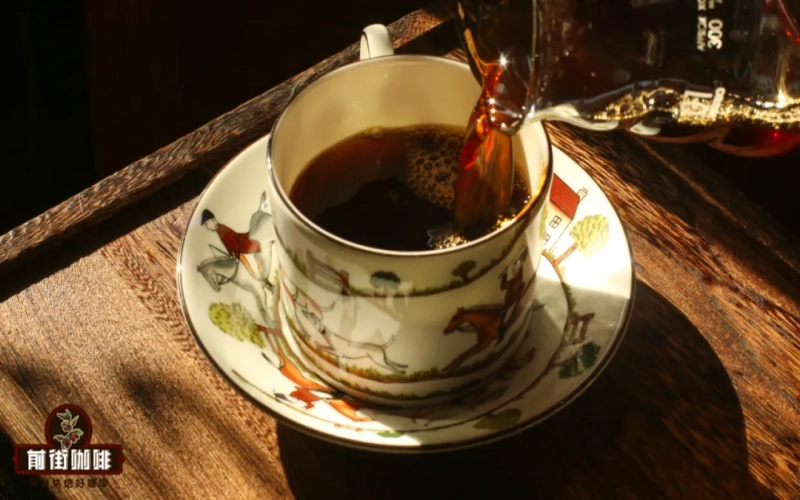
What Exactly Does "Bright" Coffee Acidity Mean? A Detailed Explanation from Acidity vs. Acid Quality to Practical Tasting Methods
In coffee circles, you often hear evaluations like "this cup of coffee has a very bright acidity," but what exactly does "bright" mean? This article, from the perspective of Front Street Coffee, first clarifies the difference between acidity and acid quality, then breaks down the specific manifestations of bright acidity in taste, aroma, and mouthfeel, and provides references to producing regions and bean lists where you can experience this type of flavor. If you've ever been confused by baristas' descriptive terms, this article will help you turn "bright" from abstract to concrete. [more…]
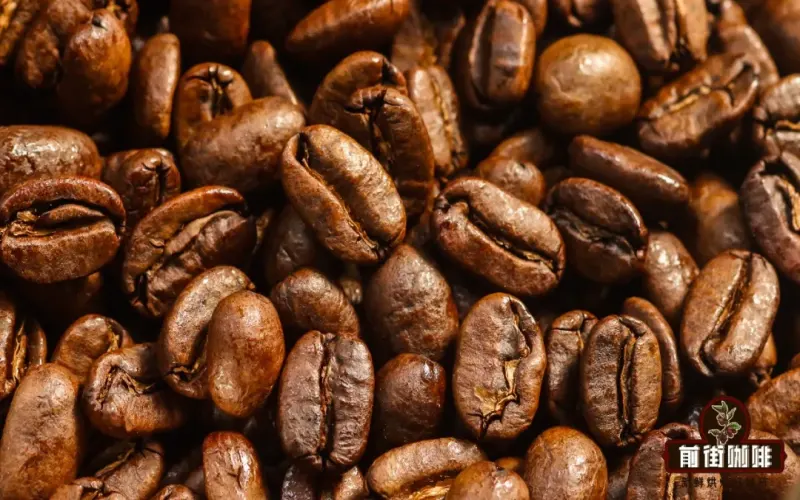
How Does Roast Level Affect Coffee Acidity? A Guide to Nearly Acid-Free Espresso and Pour-Over Single-Origin Bean Recommendations
Many people want to find coffee beans that are completely acid-free, but in reality, coffee that contains absolutely no acidic substances at all hardly exists. The so-called "acid-free" coffees on the market are often just extremely low in acidity, to the point where it is hard to detect. The acidity level of coffee is mainly influenced by variety, growing environment, processing method, and roast level, among which the degree of roasting is especially key—the darker the roast, the more acidic substances are broken down, and the more prominent the bitterness and roasted aromas become, making it easier to mask any remaining acidity. This article will explain the principles behind this and recommend three nearly acid-free Front Street Coffee dark roasts according to flavor intensity: Brazil Queen Estate, Golden Mandheling, and Jamaica Blue Mountain, helping you choose beans precisely based on your taste preferences. [more…]
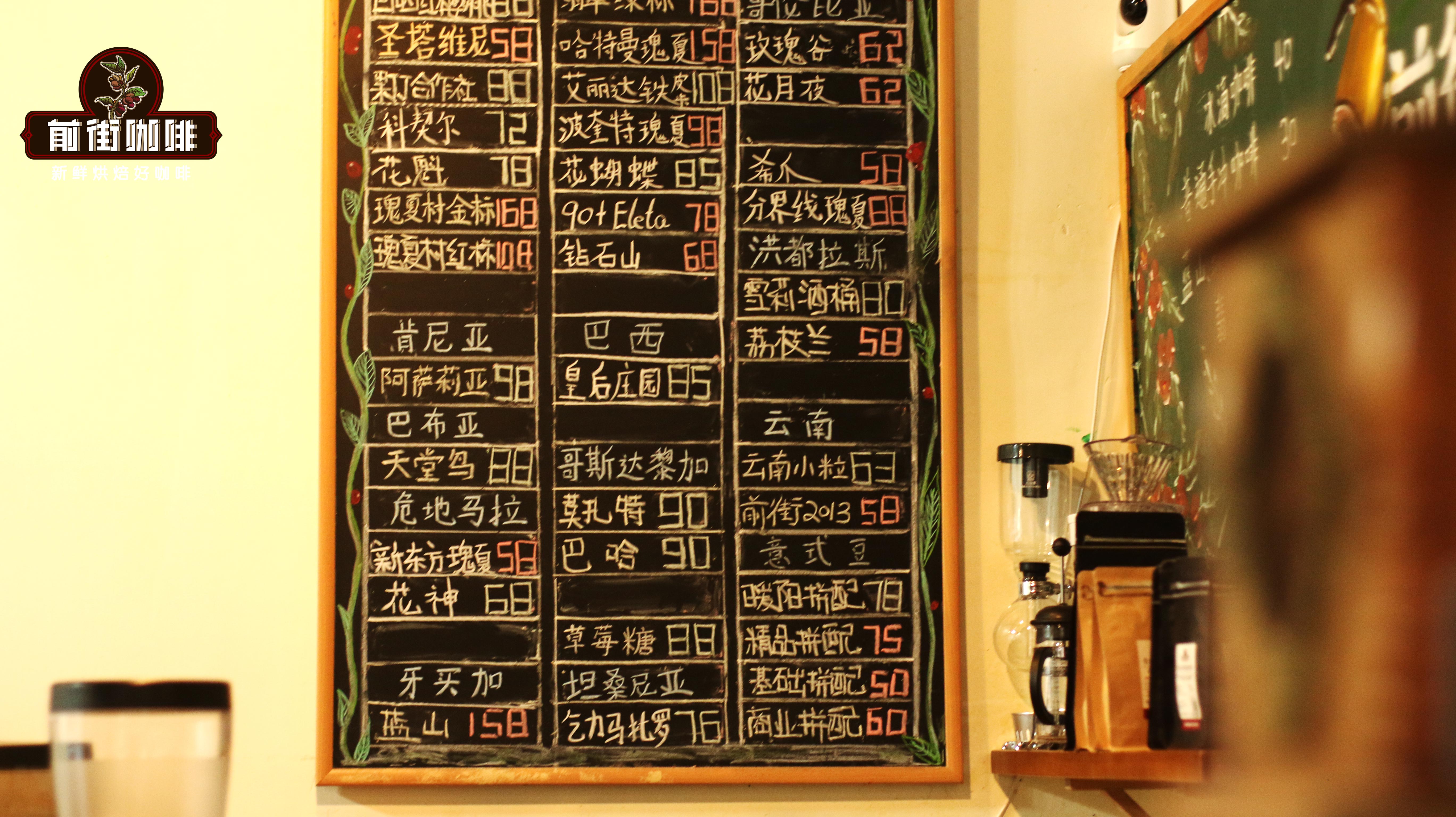
Is light roast coffee necessarily sour? Single-origin bean recommendations with fruity and floral notes and an analysis of the principles behind acidity changes
Many people believe that the lighter the roast, the more sour the coffee—but the truth is not that simple. The acidity in coffee comes from substances such as malic acid and citric acid that already exist in the green beans, and these are continuously generated and broken down during roasting. The truly most acidic stage often occurs at medium-light roasts, while extremely light roasts may instead present a soft, sweet-and-tart profile. This article begins with the principles of how acidity changes, and, combined with a comparative cupping of a Front Street Coffee Papua New Guinea washed Typica, explains the relationship between roast level and perceived acidity. It also recommends five coffees that naturally carry floral and fruity notes, including Front Street Coffee Fruit Ding Ding, Kenya Little Tomato, Strawberry Candy, Colombia Big Belly Button, and Flower Butterfly, to help acidity lovers find their ideal flavor. [more…]
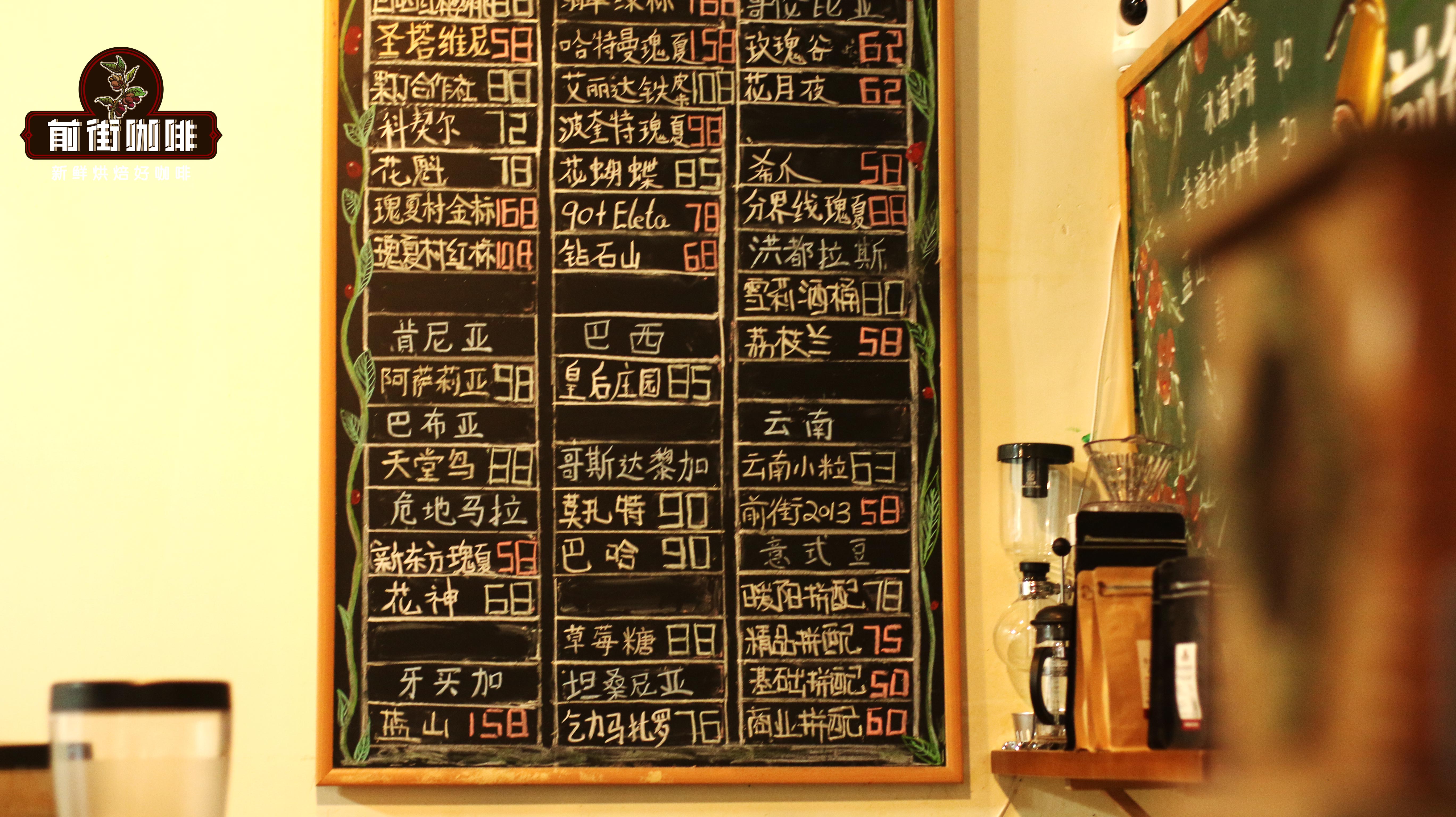
Fruity-acid flavored coffee beans recommendation | What are the pour-over black coffee flavor characteristics of medium-light roasted coffee? Where does the acidity in coffee come from?
On ordinary days, behind the bar, you get to meet all kinds of customers. Quite a few of them are not used to coffee beans that are on the acidic side. Usually, the coffees with pronounced acidity are those that are roasted lighter, and indeed some lightly roasted coffees have an acidity that is hard to accept. So customers naturally form the impression that cof [more…]
Light Roast Acidity Explained and Fruit-Forward Coffee Picks: Five Front Street Recommendations
Many consumers mistakenly believe that the lighter the coffee is roasted, the more sour it becomes, but in reality the flavor is influenced by the complex interplay of acid transformation and sugars during roasting. This article begins with the inherent organic acids in green beans, sorting out the patterns of change in formic acid, acetic acid, citric acid, and others before and after first crack, and uses Front Street Papua New Guinea washed Typica cup tests from two roasts to illustrate that the light-medium range often shows the most pronounced acidity, while extremely light roasts instead appear sweet and mellow. Then, for readers who enjoy fruity acidity and floral aromas, the Front Street editors review five single-origin coffees with fruity and floral notes: Fruit Ding Ding, Little Tomato, Strawberry Candy, Big Navel, and Flower Butterfly, with variety, processing method, and flavor descriptions included for brewing reference. [more…]
The Coffee Flavor Code: Acidity, Mouthfeel, and the Four Principles of Appreciation — Understanding the Taste Layers of Specialty Beans
Is the acidity in coffee an advantage or a disadvantage? Why is some acidity pleasant while other acidity makes people frown? Starting from the sources and perception of acidity, this article analyzes one by one the meanings of tasting terms such as clean, balanced, texture, and complexity, and introduces the four major appreciation principles of acidity, texture, aroma, and flavor. At the same time, drawing on Front Street Coffee's brewing experience, it helps enthusiasts clarify the difference between good acidity and bad acidity, master the effects of adding sugar and extraction temperature on flavor, and thereby truly understand how to describe and appreciate the layers and personality of a cup of specialty coffee. [more…]
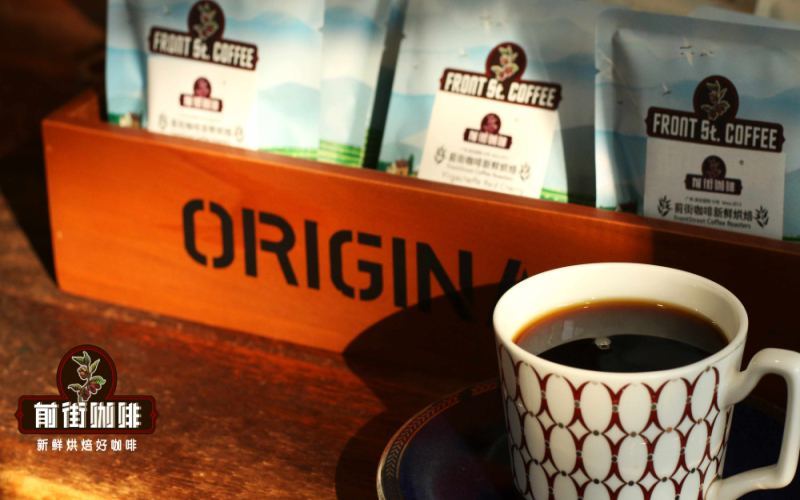
Where Does the Acidity in Light Roast Coffee Come From? Four Front Street Pour-Over Single-Origin Beans Recommended for Beginners
Many people, when they first try a light-roast pour-over, are caught off guard by that bright acidity. Some find it refreshing like fruit juice, while others find it sharp and hard to bear. Where exactly does the acidity in coffee come from? Why is some acidity pleasant while some makes you frown? This article starts with the organic acid composition of green coffee beans and, combined with the SCA cupping definition of acidity, helps you sort out the sources of acidity and the criteria for judging it. At the same time, we have selected four light-roast single-origin beans with different styles, including Front Street Coffee Fruit Ding Ding and Front Street Coffee Little Tomato, among others. They have distinct fruity aromas and a balanced sweet-and-sour profile, making them very suitable for friends who are just starting to explore light-roast pour-over. [more…]
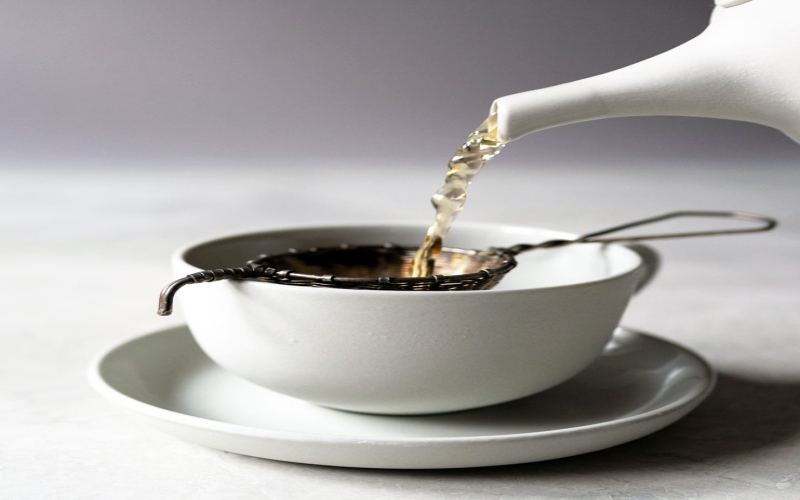
Where Does the Acidity in Tea Come From? A Guide to Drinking Tea with Acid Reflux and Recommendations for Acidic Black Teas
Whether tea is acidic is especially critical for people suffering from heartburn or acid reflux. The pH values of different types of tea vary significantly: black tea tends to be acidic, while green tea may be close to neutral or even alkaline. The factors affecting the acidity of brewed tea go far beyond the type of tea—the amount of leaves used, brewing temperature, steeping time, and whether tea bags are used all influence the final result. In addition, the caffeine in tea relaxes the esophageal sphincter, which may worsen reflux symptoms. If tooth pain occurs after drinking tea, it may also be related to acidity. This article systematically sorts out the relationship between tea and acidity, and includes recommendations for tart black teas, helping coffee and tea lovers enjoy flavor while also looking after their health. [more…]
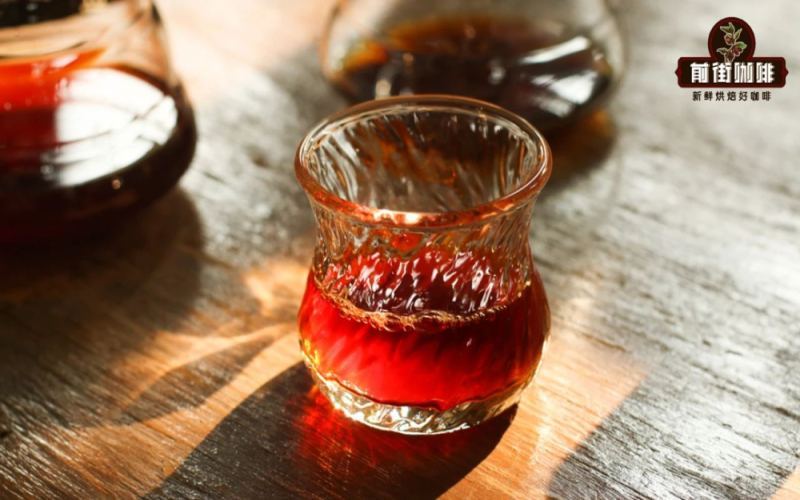
The Origins of Coffee Acidity and the Quality of Acidity: A Complete Analysis from Roast Development to Growing Environment
Why is coffee sour? This question puzzles many friends who are new to specialty coffee. Actually, the answer isn't complicated: coffee beans themselves are rich in various sour-tasting compounds. Before the turn of the millennium, dark roasting was the mainstream—long roasting times broke down much of these sour compounds, and the bitter, charred flavors masked what remained, so people once believed coffee was only bitter, never sour. With the arrival of the specialty era, roast levels shifted from dark to light, and sourness was rediscovered. But stronger sourness isn't necessarily better—what we truly pursue is "acidity quality," not "acidity level." The quality of acidity is influenced by multiple factors: growing altitude, soil, processing, roasting, and brewing. This article, from Front Street's perspective, will systematically sort out the origins and logic of coffee sourness and how to judge its quality. [more…]
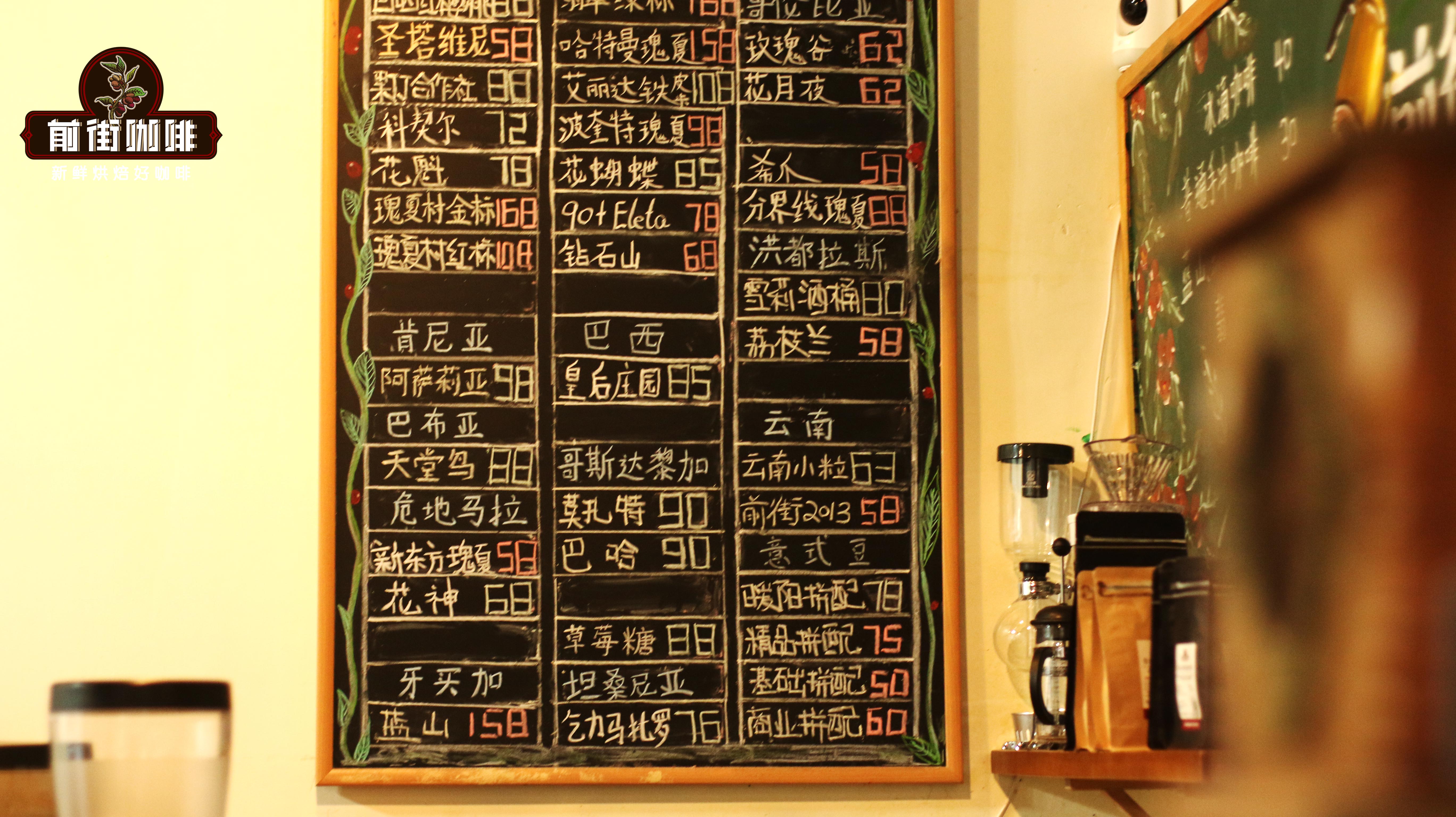
Light Roast Pour-Over Single-Origin Bean Recommendations | Why Is Light Roast Coffee Sour? Which Light Roast Beans Have Sweet, Fruity, and Floral Flavors in Pour-Over Coffee?
On ordinary days, I get to meet all kinds of customers behind the bar, and quite a few of them are not used to coffee beans that lean sour. Usually, the coffees with strong acidity are those that are roasted lighter, and indeed some lightly roasted coffees have a sourness that is hard to accept. So customers naturally form the impression that cof [more…]

Coffee Flavor | What does "bright" mean in the context of bright coffee acidity? Which coffee beans produce pour-over coffee with bright acidity?
When evaluating a cup of coffee, we use various adjectives to describe its texture, so that the information others receive can be more vivid and three-dimensional. For example, when describing the mouthfeel of coffee, words like smooth and full-bodied are used to express the tactile experience of the coffee in the mouth; or when describing the aroma of a cup of coffee, [more…]
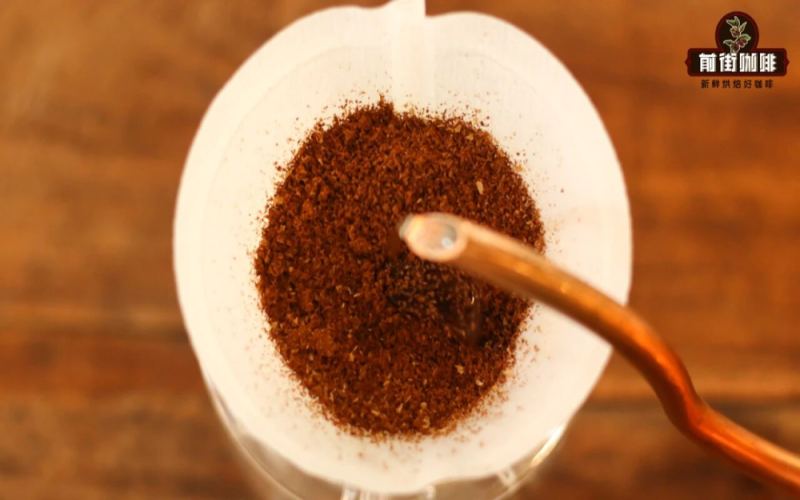
Is coffee sourness a sign of spoilage or a flavor characteristic? Analyzing the causes of acidity in African beans and the effects of roasting and extraction
Many friends who are new to specialty coffee often wonder: if coffee tastes sour, has it gone bad? In fact, sourness is not synonymous with spoilage, but rather a highly prized flavor dimension in specialty coffee. Drawing on the practical experience of Front Street Coffee, this article systematically sorts out the sources of coffee acidity, distinguishes good acidity from bad, and analyzes how factors such as roast level, grind size, water temperature, and brewing time affect the expression of acidity. At the same time, the article also introduces several African-origin coffee beans known for their bright fruity acidity, helping readers build a correct understanding of coffee sourness and stop confusing acidity with spoilage. [more…]