







Is coffee sourness a sign of spoilage or a flavor trait?
Sourness in coffee is not the same as spoilage. It is a valued flavor dimension in specialty coffee, and the article separates good acidity from bad, then traces where the acidity comes from. Roast level, grind, water temperature, and brewing time all shape how much acidity reaches the cup.
Light roasting preserves and shows bean acidity more clearly, which the roasting process controls directly. The coffee flavor wheel sorts flavors by light-medium and dark roast, and tasting focuses on sour, sweet, bitter, and salty. Several African-origin beans known for bright fruity acidity are introduced as examples for readers.
Many friends who are new to specialty coffee often wonder: if coffee tastes sour, has it gone bad? In fact, sourness is not synonymous with spoilage—it is a highly prized flavor dimension in specialty coffee. Drawing on the practical experience of Front Street Coffee, this article systematically sorts out the sources of coffee acidity, distinguishes good acidity from bad acidity, and analyzes how factors such as roast level, grind, water temperature, and brewing time affect the expression of acidity. At the same time, the article also introduces several African-origin coffee beans known for their bright fruity acidity, helping readers build a correct understanding of coffee sourness and stop confusing acidity with spoilage.
For more specialty coffee knowledge, please follow: Front Street Coffee
Many people who have never encountered specialty coffee often have their first impression of coffee's taste停留在 bitterness and astringency. When they first try a single-origin coffee and find that the cup actually carries a sour taste, they wonder: has it gone bad? Can it still be drunk? In fact, this is precisely one of the most common misunderstandings about coffee flavor. Next, Front Street Coffee will help everyone understand why some coffee beans are naturally sour.
Coffee Flavor Wheel
If you want to quickly understand coffee flavor, the most direct way is to understand the "Coffee Flavor Wheel." It is a chart that intuitively presents the types of coffee flavors (see the image below).
When it comes to coffee flavor, friends who often drink coffee know that human taste can distinguish sour, sweet, bitter, and spicy, while in coffee tasting, the focus falls on the presentation of four tastes: sour, sweet, bitter, and salty, and this is closely related to the roast level of the coffee beans. Therefore, the Coffee Flavor Wheel is classified according to light-medium roast and dark roast. Through actual brewing, Front Street Coffee has concluded that light roasting can better preserve and display the acidity of coffee beans. So where exactly does the acidity in coffee come from? Front Street Coffee will explain this next.
Where does the sourness in coffee come from?
Front Street Coffee has noticed that many people new to single-origin coffee confuse sourness with astringency. In fact, sourness and astringency are fundamentally different. Sourness manifests as follows: after drinking coffee, the lower sides of the middle and rear part of the tongue produce saliva, giving a sensation of mouth watering; at this point it can be regarded as having acidity. Astringency, on the other hand, is when after drinking, the surface of the tongue, the throat, and the upper palate feel numbing, rough, and uncomfortable, as if a piece of gauze was swallowed along with the coffee.
Therefore, astringency is a negative manifestation in coffee flavor, which also indirectly shows that there is a flaw in some step from green beans to roasting to preparation. Because a high-quality single-origin coffee should not be bitter or astringent in the first place.
Front Street Coffee believes that acidity also has good and bad types. For example, the sourness of lemons and citrus fruits appears as bright, lively fruity acidity with moderate intensity. Front Street Fruit Ding Ding Coffee and Front Street Panama Geisha Coffee usually carry this kind of acidity. Some low-quality concentrated fruit juices, however, have sharp sourness or overly fermented fruity acidity, and this is bad acidity. The logic of distinction in coffee flavor is the same.
In addition, sourness is one of the descriptive terms for coffee flavor. Generally speaking, coffee acidity is not only affected by its own growing conditions, but also related to later processing methods, including roast level, brewing time, grind size, and storage time.
Under what circumstances does brewed coffee usually carry astringency?
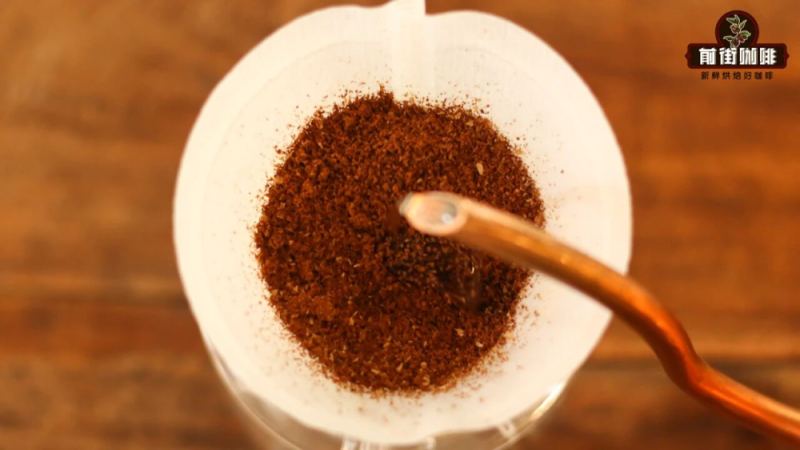
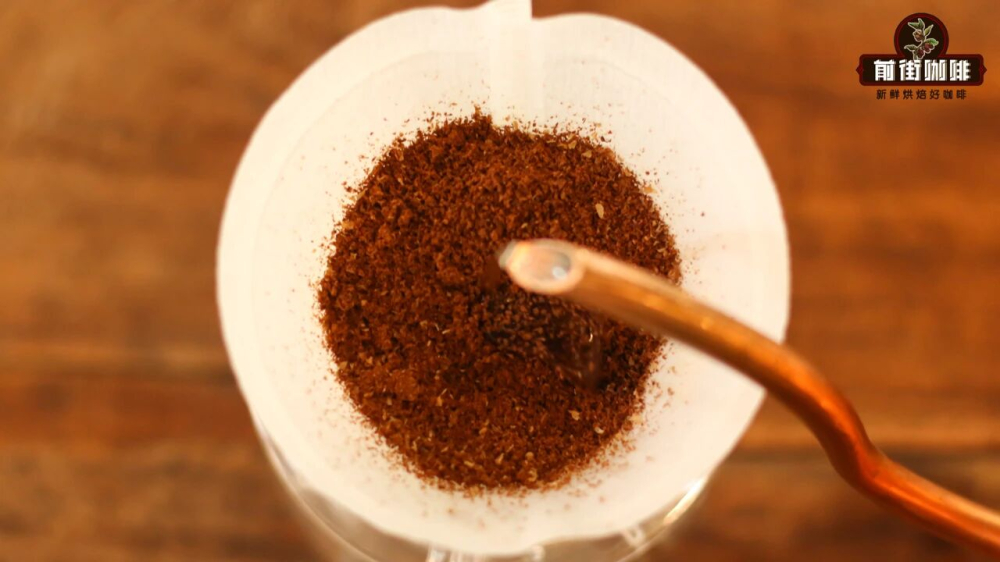
First, exclude the impact of defective beans on brewing quality. When Front Street Coffee first encountered hand-brewed single-origin coffee, it also encountered sour-astringent and bitter-astringent situations. The main reasons are roughly:
1. Water temperature is too high (or a heat source continuously heats the water); 2. Water temperature is too low (or the hot water loses temperature too quickly);
3. The water flow is too full (or too fast); 4. The coffee grounds are ground too fine (or there are too many superfine particles);
5. The coffee grounds are ground too coarse.
These factors either increase the coffee extraction rate and extract too many dissolved substances, including both good and bad flavors, generally mostly manifesting as bitterness and astringency; or they decrease the extraction rate, extracting too few flavor substances and causing imbalance, so astringency is amplified and highlighted, generally manifesting as sour-astringent flavor, which is the bad acidity that coffee beginners taste when they first encounter coffee.
How should you adjust if the coffee is too low in acidity or too high?
1. Grind size
Coffee grind size is closely related to acidity. When the grind is finer, coffee acidity is lower; when the grind is coarser, the coffee is more acidic.
2. Brewing time
Brewing time is a key factor affecting the degree of extraction. The longer the brewing time, the higher the extraction degree. Even if the grind is coarse, if the brewing time is too long, the coffee will have no acidity at all; the opposite is also true.
3. Water temperature
Just as cold brew coffee has very low acidity, generally the higher the water temperature, the faster the coffee extraction rate; the lower the water temperature, the slower the rate.
Therefore, acidity is one of the characteristics of specialty coffee. If coffee flavor lacks acidity, the coffee will become very unpleasant to drink, because a good cup of coffee requires a balance of sweetness, acidity, and bitterness.
The relationship between coffee acidity and coffee roast level
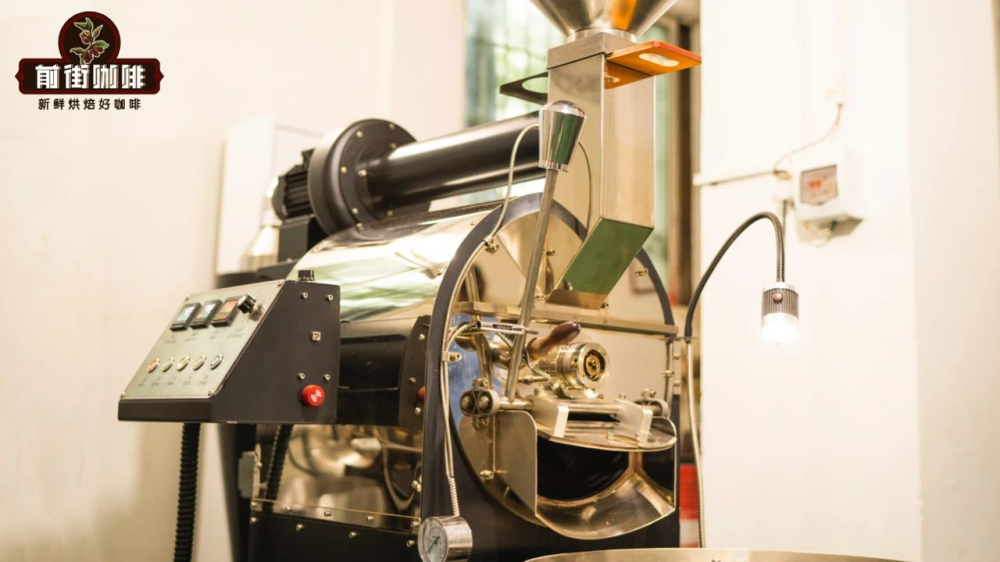
Second, Front Street Coffee believes that green coffee beans contain citric acid, malic acid, quinic acid, phosphoric acid, and other components related to sourness, but these are not the source of the sourness felt when drinking coffee. A not-too-dark roast is the main source of sourness. For example, Front Street Golden Mandheling has obvious caramel, pine, and dark chocolate sweetness, with almost no acidity, mainly because it uses a dark roast.
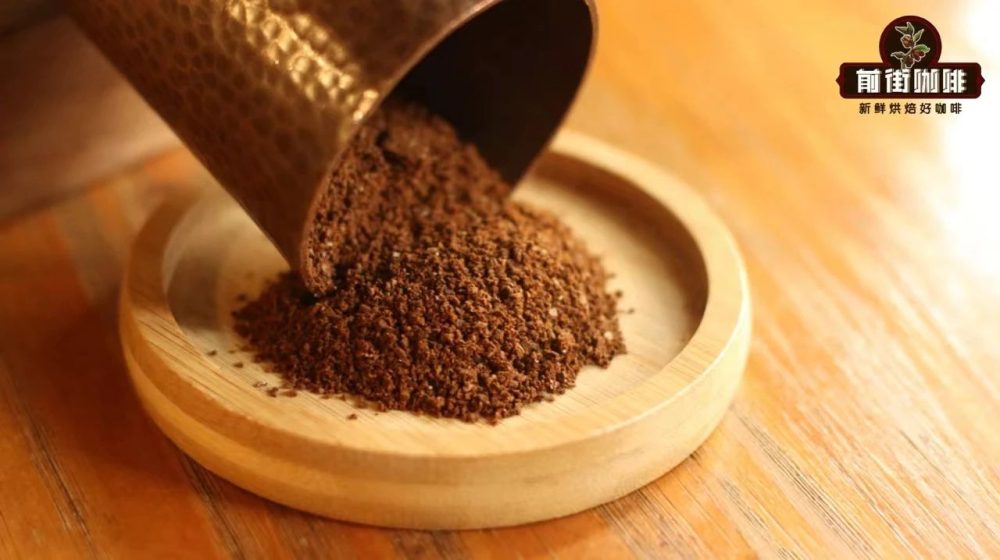
This is because once green beans are roasted, various components undergo chemical reactions and create new acids. The most representative are the reaction in which chlorogenic acids decompose to produce quinic acid, and the reaction in which oligosaccharides decompose to produce volatile formic acid and acetic acid.
For example, the Coffee Flavor Wheel mentioned above by Front Street Coffee classifies coffee flavors according to the roast level of green coffee beans. This is because scientific research has found that the "sweet and sour" flavor molecules in light-medium roasted coffee beans have lower molecular weight, higher polarity, and higher water solubility, and often dissolve out in the first half of extraction. The "bitter and salty" flavor molecules have higher molecular weight, lower polarity, and lower water solubility, and often dissolve out only in the second half of extraction.
Therefore, the taste of light to medium roasting is mainly low-molecular-weight and medium-molecular-weight sweet and sour flavors, but if there are too many defective beans or improper roasting, even light-medium roasting will produce unpleasant bitter and salty flavors. As for dark roasting, it is mainly high-molecular-weight bitterness and saltiness.
But dark roasting is not without its merits. For example, the Indonesian Mandheling in Front Street Coffee's shop is the king among medium-dark roasted coffee beans, presenting a rich, fragrant, and mellow flavor with balanced sweetness, acidity, and bitterness.
So acidity is inherently the greatest characteristic of light-medium roasted coffee beans. Coffee beans contain various organic acids, among which phenolic acids, aliphatic acids, and amino acids have the greatest impact on coffee taste. Among them, the bright citrus-lemon acidity presented by the light-roasted Yirgacheffe coffee beans in Front Street Coffee's shop is extremely popular among coffee lovers around the world, and is also one of the representatives of high-quality specialty coffee.
In addition, during the roasting process, the products of sucrose degradation change with the roast level. From light roast to medium roast, sucrose gradually degrades, so the concentrations of acetic acid and lactic acid rise, but at a certain point they suddenly drop sharply. Therefore, in general, light-medium roasted coffee flavors have relatively obvious acidity.
The above is Front Street Coffee's science introduction to why coffee is sour. It can be seen that acidity in coffee does not mean spoilage, and acidity is also divided into good and bad. Among them, coffee beans from African origins are represented by acidic flavors. Next, Front Street Coffee will share several African-origin coffee beans with excellent acidity.
Front Street Coffee Ethiopia Fruit Ding Ding Cooperative Coffee Beans
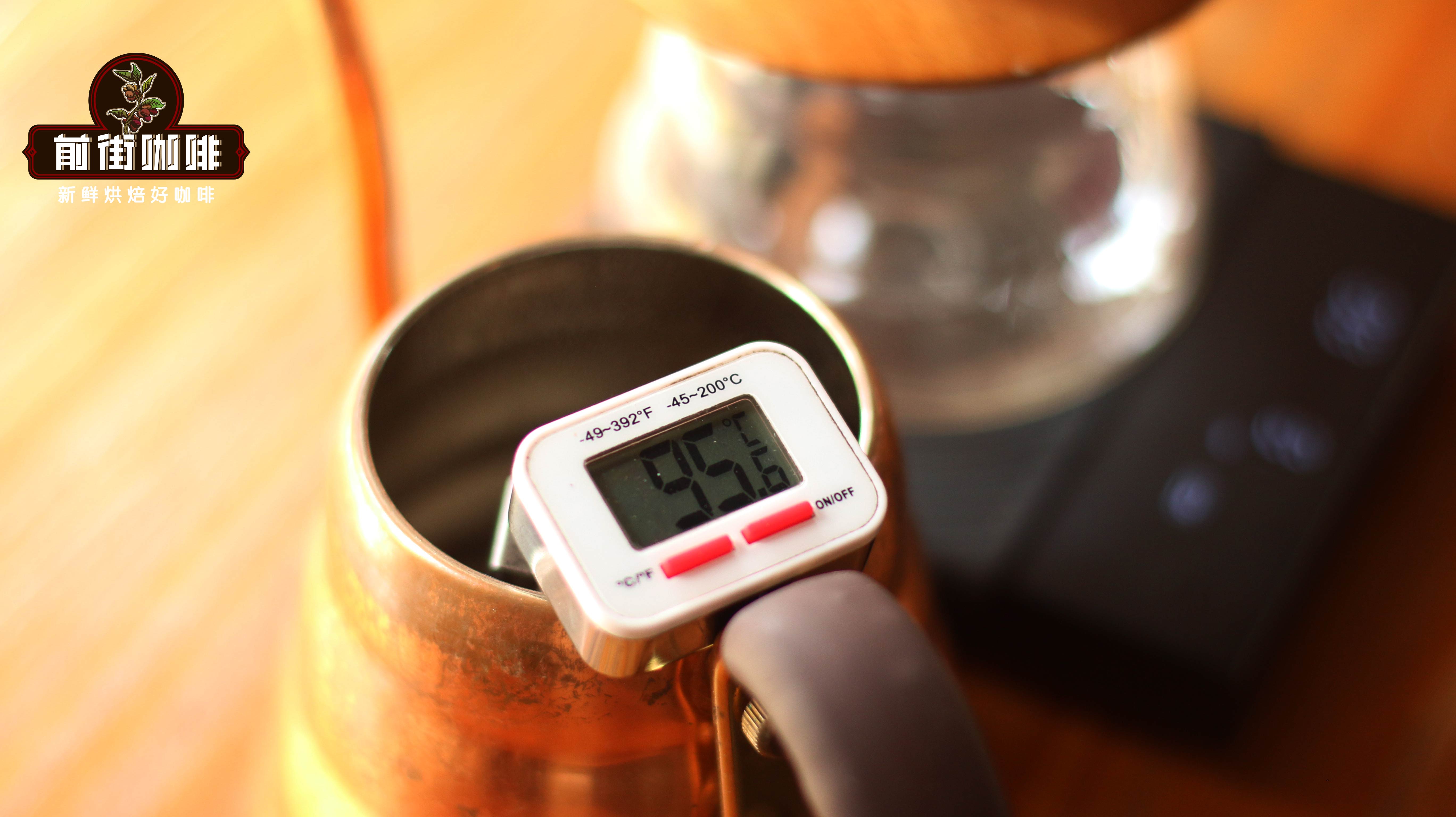
Country: Ethiopia Region: Yirgacheffe Altitude: 1900-2300m Variety: Local heirloom varieties Processing method: Washed Flavor: Tropical fruit, cream, honey, berries, citrus
Front Street Coffee Kenya Little Tomato Coffee Beans
Country: Kenya Region: Asali (Honey Processing Station) Altitude: 1550-1750m Variety: SL28, SL34 Processing method: 72-hour washed Flavor: Snow pear, smoked plum, yellow sugar, cherry tomato, plum
For more specialty coffee knowledge, please follow: Front Street Coffee
The above content is compiled by CoffeeHunters, a coffee news website.


