








Does coffee tastes like soy sauce mean the beans went bad?
A sour taste in single-origin coffee usually does not mean the beans have gone bad. The acidity comes from the coffee cherry fruit itself. The seeds sit inside red flesh that feeds them during cultivation, so fruity acidity is a natural part of the green bean and carries through roasting and brewing. It is a normal flavor, not a sign of rancidity.
Not every acidity is pleasant, though. Variety, processing, transport, storage, roast level, and brewing all shape whether the cup shows clean fruity brightness or a sharp, disagreeable sourness. Coffee also contains citric acid among other acids. Tasting slowly and comparing cups helps separate enjoyable acidity from a real defect. If a cup instead tastes like soy sauce, that points to a different problem than fruit acidity.
Many people, when first encountering single-origin coffee, are startled by that bright acidity, and may even wonder if the beans have gone bad. In fact, the acidity in coffee is not a defect—it comes from the natural flavors of the coffee cherry fruit. This article will start with the structure of the coffee fruit, explain how acidity enters the green beans, then distinguish pleasant fruity acidity from unpleasant inferior acidity, and finally offer suggestions on choosing producing regions and roast levels, to help beginner coffee lovers gradually accept and appreciate the richly varied acidity in single-origin coffee.
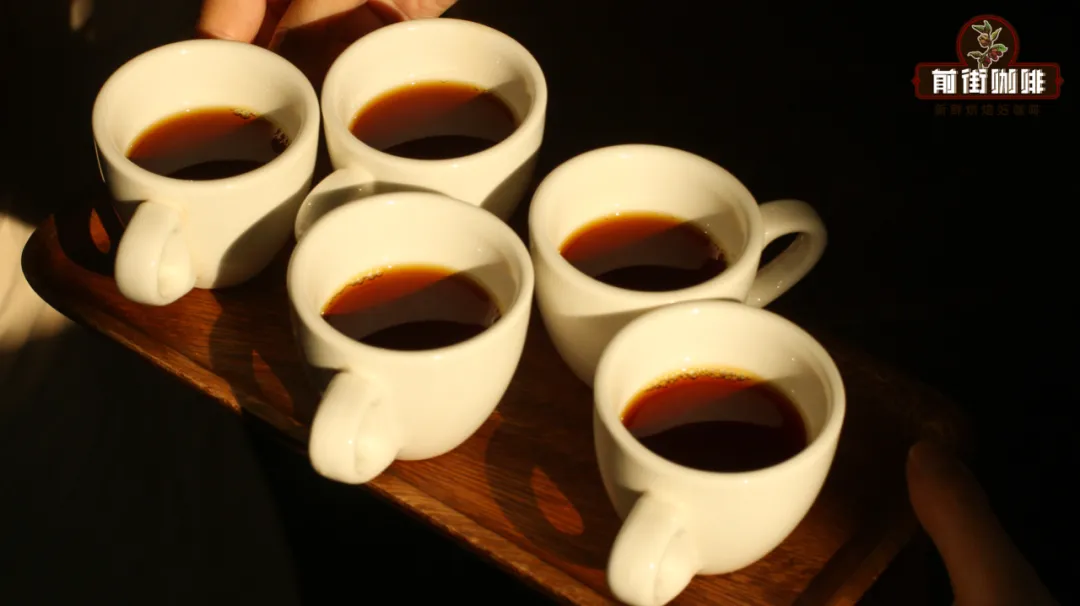
Single-origin coffee tastes a bit sour—does that mean the beans have gone bad? Why does single-origin coffee have acidity? Where exactly does this acidity come from?
I. The Source of Acidity: The Coffee Cherry Fruit
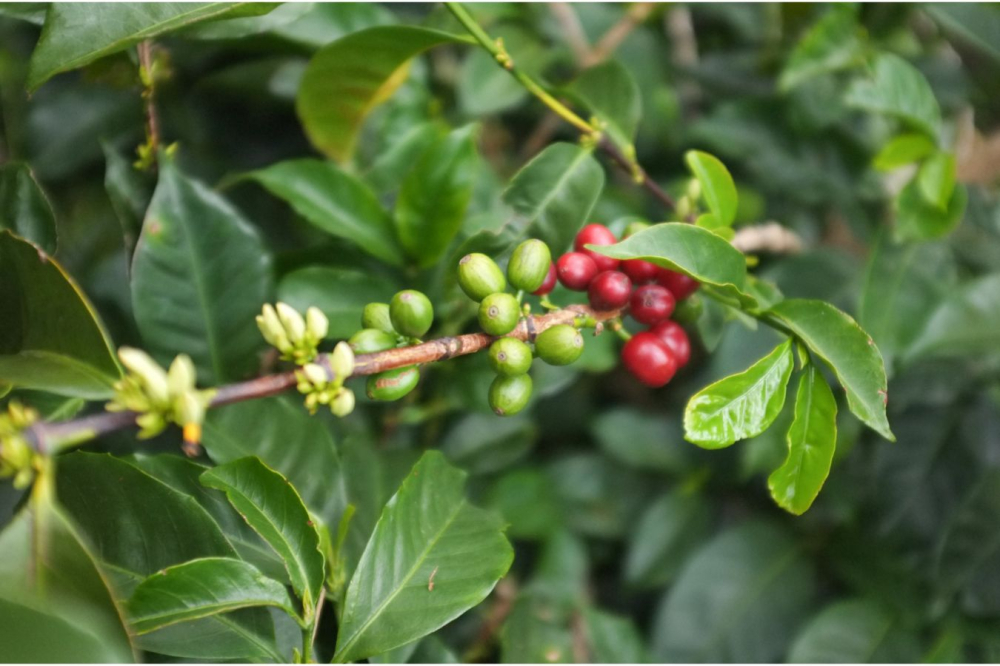
Many people have probably never seen what a coffee fruit actually looks like—it resembles small cherries, with a glossy, oily surface that makes you want to take a bite.
The seeds wrapped in red flesh, after processing, become green coffee beans. At this stage, the green beans are green in color, much like ordinary plant seeds, and must be roasted to turn coffee-brown or even black—these are the roasted coffee beans sold on the market. Anyone who has studied basic biology knows that the purpose of the fruit flesh is to provide nutrients for the seed, so during cultivation, the original flavors of the flesh inevitably influence the flavor of the green coffee beans.
So the first thing to understand is this: it is entirely reasonable for coffee to have fruity acidity—in fact, that is its truly natural state, and by no means a sign of spoilage or rancid sourness. Once you understand that acidity itself is not a sin, please try to set aside your preconceived bias against sourness. (Bias is often the biggest obstacle preventing us from accepting new things.)
II. The Possibilities of Acidity: Pleasant Acidity and Unpleasant Acidity
Although acidity is normal, not just any acidity is good. Due to the influence of many factors such as coffee bean variety, processing method, transportation, storage, roasting, and brewing, acidity can be divided into pleasant, enjoyable acidity and unpleasant, disagreeable acidity.
When drinking coffee, calming down to taste, imagine, and compare the acidity in the cup—this is precisely the key process of learning about specialty coffee.
Pleasant acids include: malic acid, citric acid, grapefruit acid, passion fruit acid, red wine acid, berry acid, cherry acid, citrus acid, peach acid, pineapple acid, balsamic vinegar, red vinegar… For example, the vividly juicy Front Street Cherry Tomato, the remarkably floral Front Street Fruit Ding Ding, and the pleasantly sweet-and-sour Front Street Strawberry Candy.
Imagine a fruity acidity spreading naturally and distinctively across the palate, enriching the coffee's layered complexity while remaining soft and not overly stimulating.
Why is coffee sour?
Unpleasant acids include: overly strong acetic acid, rancid sourness (expired), over-fermented acidity, dull/musty acidity, lactic acid (sweat-like sourness), putrid sourness…
If these kinds of acidity appear in coffee, just thinking about them makes one very uncomfortable, and unpleasant acids are usually extremely easy to identify—even a tiny bit can ruin an entire cup of coffee, which is probably the main reason most people have a bad impression of acidity. But please pay special attention: truly specialty-grade coffee basically never has unpleasant acidity—those acids that seriously ruin the taste simply do not meet the threshold of specialty coffee.
So if you taste unpleasant acidity when drinking inferior coffee, please don't blame specialty coffee for it. After all, there are far too many unscrupulous merchants cutting corners these days. If you want to protect your palate from contamination, stick to specialty coffee with guaranteed quality.
III. Choosing Producing Regions and Roast Levels with Moderate Acidity
When you're not yet used to acidic coffee, it's advisable not to avoid fruity acidity entirely. You can choose beans with moderate or lower acidity, letting your palate slowly adapt to the diverse range of fruity acids.
In terms of producing regions: African beans generally have higher acidity, Central and South American beans are in the middle, and Asian beans are lower.
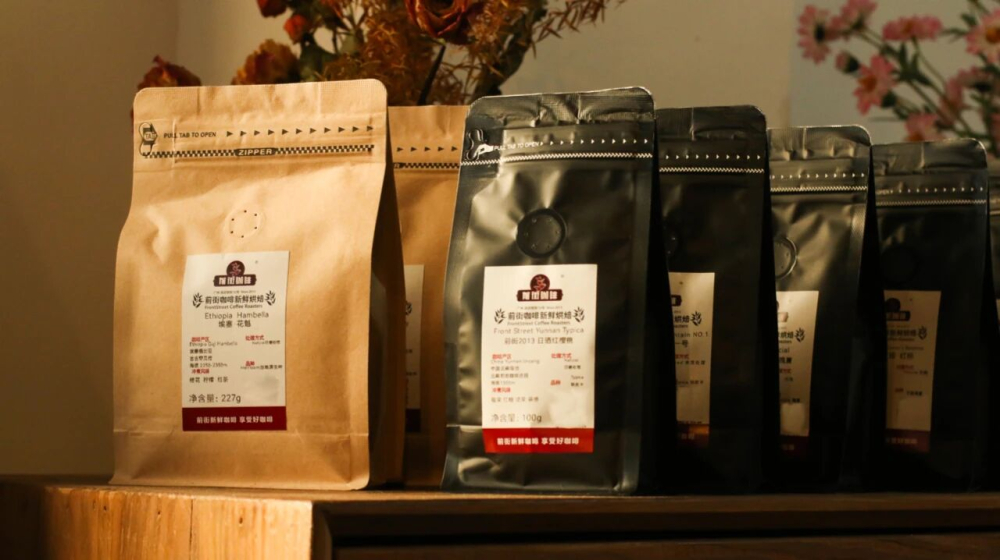
However, this is only the roughest categorization, because today's specialty coffee terroirs vary enormously—even within the same country, different regions and different estates show different acidity profiles. So the most direct approach is to ask clearly when buying or ordering.
In terms of roast level, as the roast degree deepens, acidity becomes less and less pronounced. Therefore, choosing a medium roast or darker is relatively safe. For beginners, starting with regions that are medium-roast or darker and not particularly acidic is a very good choice.
For example, Front Street Sumatra Golden Mandheling and Front Street Brazil Queen's Estate are both beans with lower acidity, while Front Street Colombia Huila and Front Street Jamaica Blue Mountain have relatively low acidity while also offering rich roasted and caramel aromas, making them very suitable for beginners who aren't yet used to acidity.
The above content is compiled by CoffeeHunters, a coffee news website.


