








Is Coffee Acidity a Defect or a Natural Trait?
A sour note in single-origin coffee does not automatically mean the beans have gone bad. Coffee fruit is a cherry-like drupe, and its sweet-sour pulp feeds the seed, so fruit acidity carries into the green coffee bean and is a natural trait of specialty coffee rather than a defect. Unpleasant sourness, however, can still ruin a cup.
Acidity is shaped by variety, processing, transport, storage, roasting and brewing. Pleasant fruit acidity adds layers; sharp, vinegar-like sourness signals a fault. Beginners who dislike acidity can favor lower-acid origins and darker roast levels, which mute the bright fruit notes while keeping the green coffee bean character intact.
Many people are startled by that hint of acidity the first time they drink single-origin coffee, instinctively assuming the coffee has gone bad or spoiled. In fact, the coffee fruit is originally just like a cherry, and the natural sweet-and-sour flavor of its pulp influences the green beans during cultivation. Acidity is not a defect but a natural characteristic of specialty coffee. Of course, acidity has its good and bad sides: pleasant fruit acidity can enrich the layers, while unpleasant acidity can ruin an entire cup. This article starts with the structure of the coffee cherry, explains where acidity comes from, distinguishes delicious acidity from spoiled acidity, and offers beginners who are not used to acidity some suggestions on choosing regions and roast levels, while also recommending several low-acid beans from Front Street Coffee.
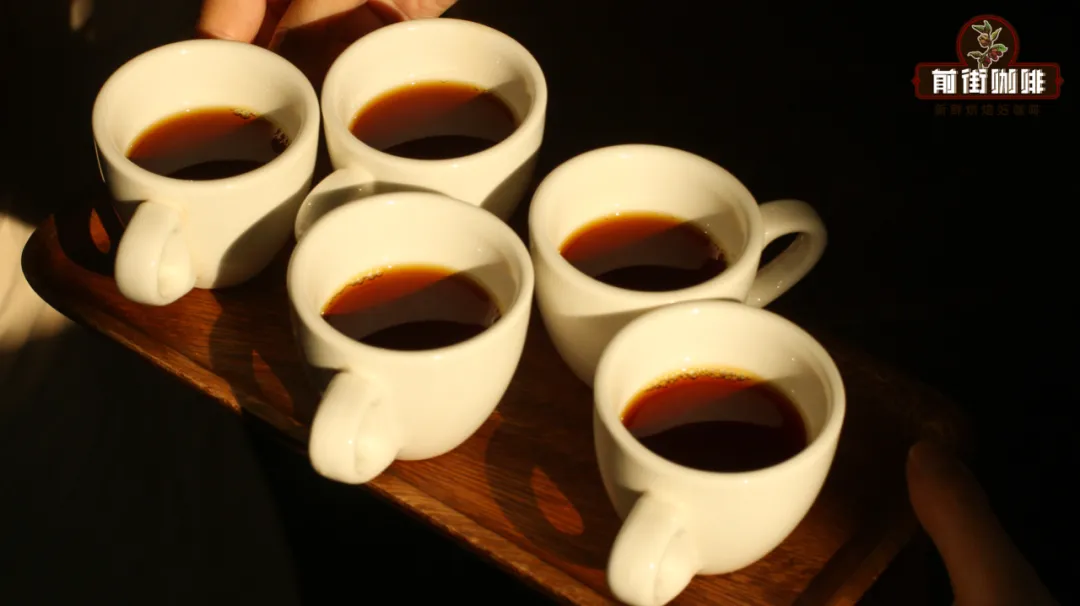
Does single-origin coffee tasting a bit sour mean there's a quality problem? Why does single-origin coffee have acidity? Where exactly does this acidity come from?
I. The Source of Acidity: The Coffee Cherry Fruit
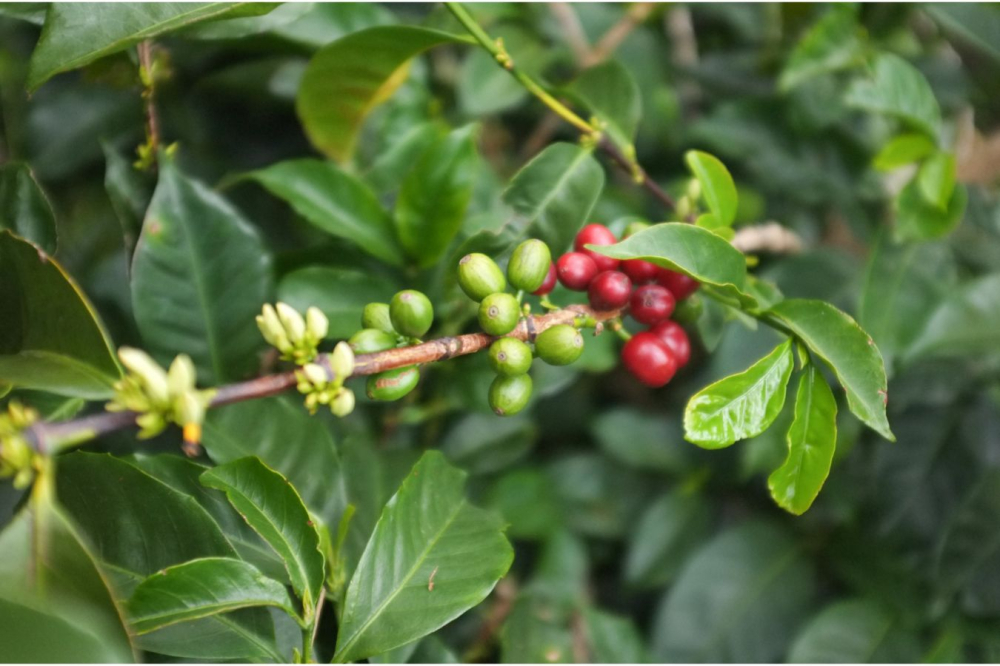
Many people may have never seen what the coffee fruit originally looks like—it looks just like cherries, with a glossy surface that makes you want to take a bite.
The seed wrapped in red pulp becomes green coffee beans after processing. At this point the green beans are green, no different from the seeds of ordinary plants, and must be roasted to turn coffee-colored or black, becoming the roasted beans sold on the market. Anyone who has studied basic biology knows that the pulp's role is to provide nutrients to the seed, so during cultivation, the flavor of the pulp itself naturally influences the flavor of the green beans.
So first you must understand: it is entirely reasonable for coffee to have fruit acidity—it is even its truly natural state, by no means spoiled or rancid-sour. Once you understand that acidity itself is not a sin, you might as well set aside your preconceptions about acidity. (Preconceptions are often the biggest obstacle when learning something new.)
II. The Possibilities of Acidity: Pleasant Acidity and Unpleasant Acidity
Although acidity is normal, not all acidity is likable. Influenced by multiple factors such as the coffee beans themselves, processing method, transportation, storage, roasting, and brewing, acidity is divided into delicious acidity and pleasant acidity, as well as bad-tasting acidity and unpleasant acidity.
When drinking coffee, calming down to taste, imagine, and compare the acidity in the cup is precisely an important process of learning about specialty coffee.
Pleasant acidity includes: malic acid, citric acid, grapefruit acid, passion fruit acid, red wine acid, berry acid, cherry acid, citrus acid, peach acid, pineapple acid, balsamic vinegar, red vinegar… such as the distinctly juicy Front Street Coffee Little Tomato, the prominently floral Front Street Coffee Fruit Ding Ding, and the sweet-and-sour Front Street Coffee Strawberry Candy.
Imagine the acidity of fruit unfolding naturally and distinctively in the mouth, enriching the layers of the coffee yet staying soft without being overly stimulating.
Why is coffee sour?
Unpleasant acidity includes: overly strong acetic acid, rancid sourness (expired), over-fermented acidity, dull acidity, lactic acid (sweat sourness), putrid sourness…
If these kinds of acidity appear in coffee, just thinking about them makes you uncomfortable, and generally unpleasant acidity is extremely easy to identify—just a tiny bit can ruin an entire cup of coffee. This is probably the main reason the public has a bad impression of acidity. But please note especially: truly specialty-grade coffee basically never has uncomfortable acidity—such acidity affects the taste too much and simply does not meet the threshold of specialty coffee.
So when you taste unpleasant acidity in inferior coffee, please do not blame specialty coffee for the original sin—after all, there are far too many unscrupulous merchants messing things up nowadays. To protect your palate from being tainted, it is best to go with guaranteed specialty coffee.
III. Choose Regions and Roast Levels with Moderate Acidity
When you are not yet used to drinking acidic coffee, it is suggested not to completely avoid fruit acidity—you can choose beans with moderate or lower acidity, letting your palate slowly adapt to the ever-changing fruit acidity.
In terms of regions: beans from Africa generally have higher acidity, Central and South America are moderate, and Asia is lower.
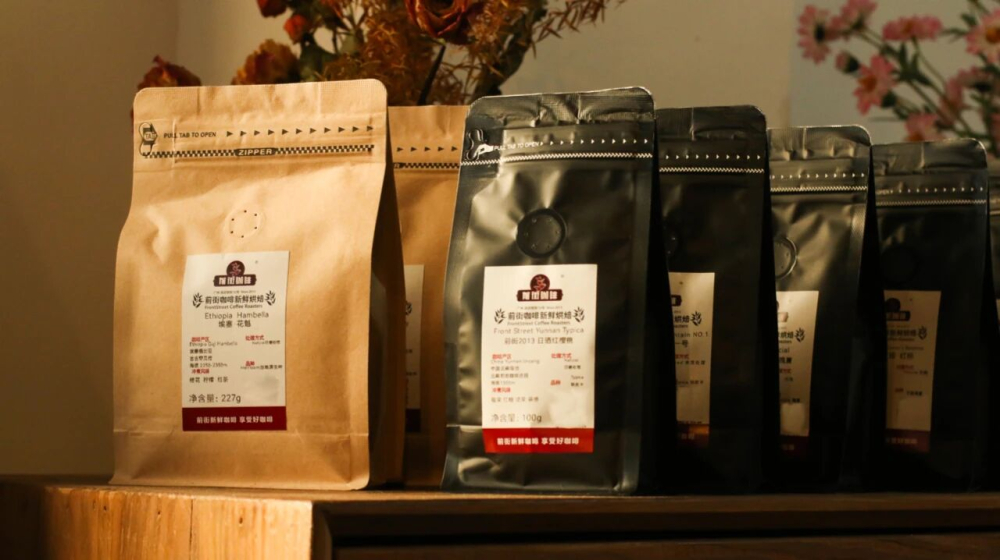
But this is only the most preliminary classification, because today the terroir conditions of specialty coffee vary greatly—even within the same country, different regions and different estates have different acidity. So when buying or ordering single-origin coffee, asking directly is the most reliable approach.
In terms of roast level, as the roast degree deepens, the acidity becomes less and less pronounced, so choosing a medium roast or above is relatively safe. For beginners, first trying regions that are medium roast or above and not particularly acidic is a very good choice.
For example, Front Street Coffee Sumatra Golden Mandheling and Front Street Coffee Brazil Queen Estate are both lower-acidity beans, and Front Street Coffee Colombia Huila and Front Street Coffee Jamaica Blue Mountain also belong to the lower-acidity range, with complex roasting and caramel aromas, very suitable for beginners who are not used to acidity.
The above content is compiled by CoffeeHunters, a coffee news website.


