







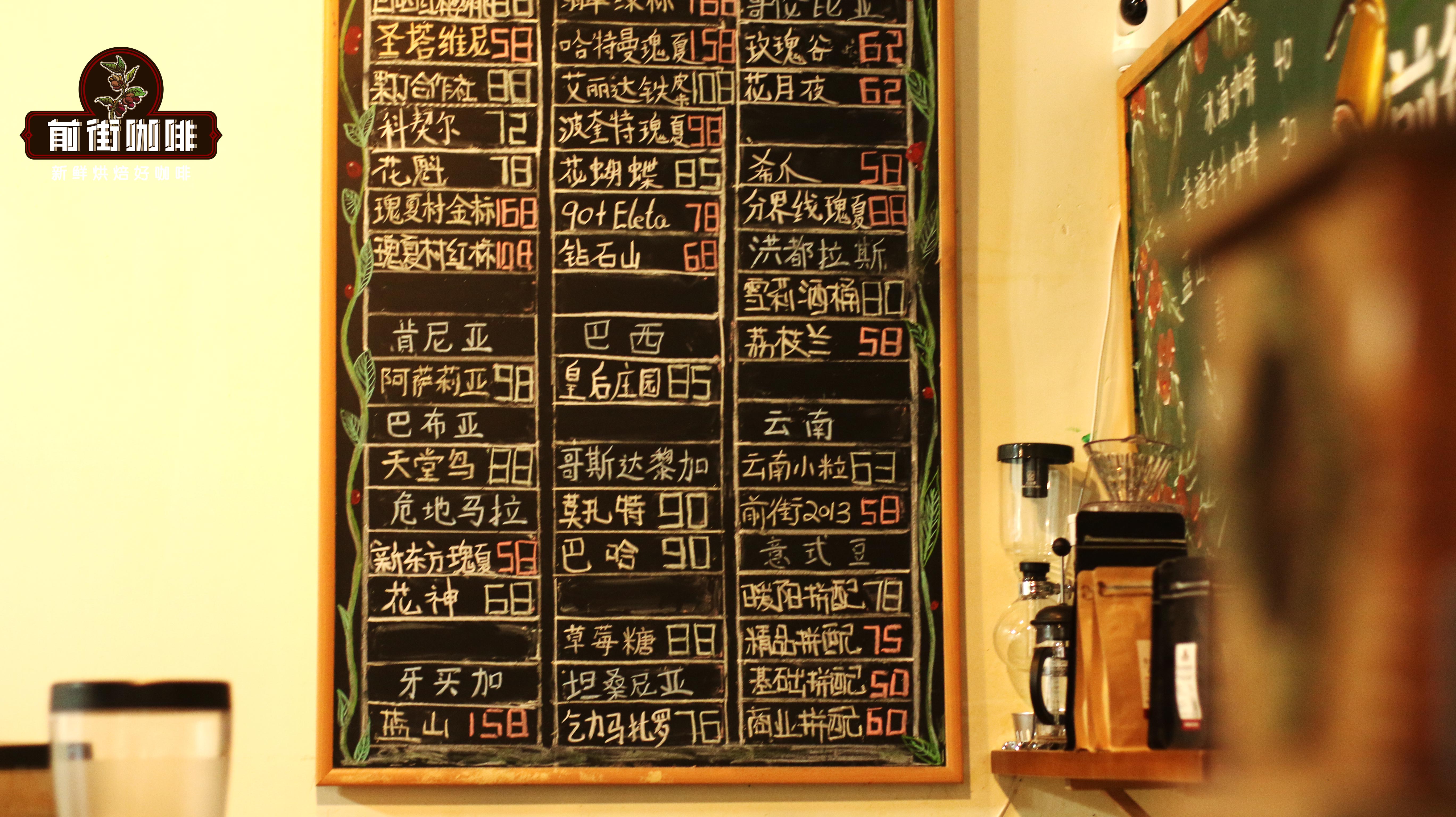
On a regular day, behind the bar, you meet all kinds of customers, and a good number of them aren't used to coffee beans that lean sour. Usually, the ones with strong acidity are lightly roasted, and indeed some lightly roasted coffees have a sourness that's hard to take. So, customers naturally get the impression that the lighter the roast, the sourer the coffee.
But is that really the case? It all comes down to where the acidity in coffee comes from and how those acids change during roasting.
The acidic substances in green coffee beans include malic acid, citric acid, tartaric acid, chlorogenic acid, phosphoric acid, and so on.
During the roasting process, the sugars and organic acids in the beans begin to degrade or break down under heat into acids like formic acid, acetic acid, lactic acid, fumaric acid, and conic acid, but as the roast degree deepens, these acids continue to degrade or evaporate.
In the roasting process, the stage where acidity and acid concentration change most dramatically is actually the development stage after first crack begins. So it seems that the acidity in coffee reaches its peak at some point after first crack and then decreases because the acids break down or evaporate under heat.

Actually, when first crack starts, organic acids like formic acid and acetic acid in the coffee are generated in large amounts, reaching their maximum near the end of first crack, and then they start to decrease. Meanwhile, citric acid and malic acid, which are originally present, gradually break down as first crack progresses. Citric acid and malic acid are brighter and more pleasant-tasting acids, while acetic acid and formic acid are highly volatile, taste very sour, and smell sour too, and can be irritating at high concentrations.
Moreover, after first crack begins, the sucrose in the coffee is also slowly consumed in the reactions. So, in fact, coffee tastes sourest at the medium-light roast stage, while at extremely light and light roasts, because more sucrose is retained in the beans and the total amount of organic acids isn't as high, it actually tastes like a gentle acidity with a very natural sweetness. Some green beans that naturally contain higher sugar, if roasted to this stage, can even have a strong sweetness when drunk.
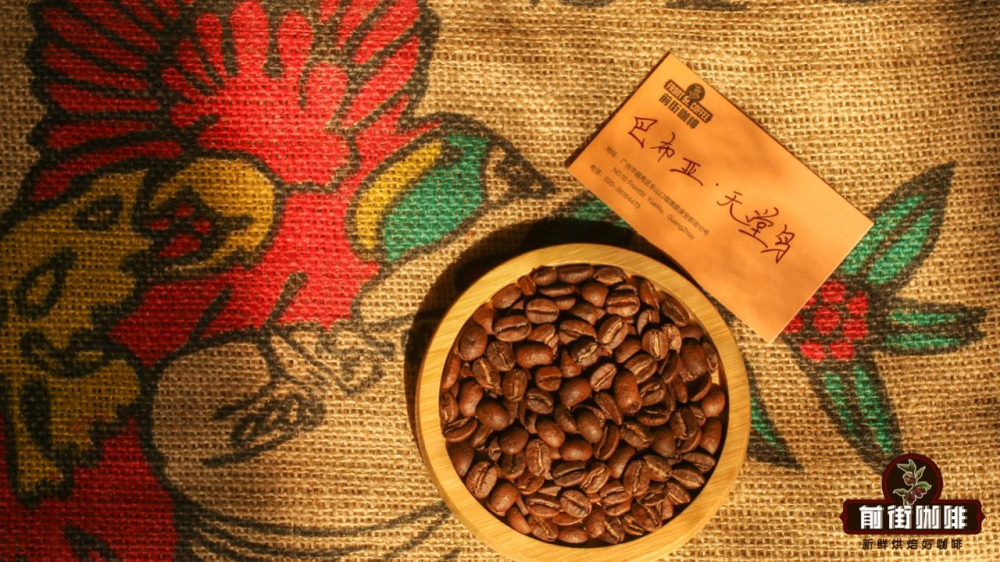
We roasted a batch of Front Street Papua New Guinea washed Typica, split into two roasts, and we tried to keep the yellowing point before first crack and the first crack point the same, only changing the development time after first crack.
The first batch was dropped at 1:20 after first crack at 190.5°C (mid-stage of dense first crack)
The second batch was dropped at 1:40 after first crack at 191.8°C (end of first crack)
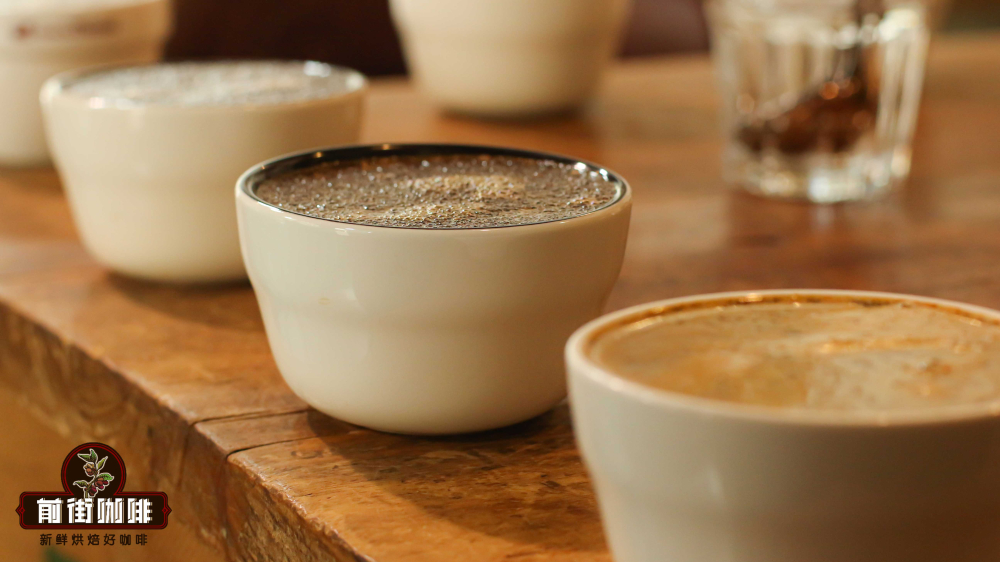
Cup testing revealed:
First batch: The acidity is gentle on entry, then sweetness quickly follows. However, the aroma is relatively simple, with a slight ginseng-like note.
Second batch: The acidity is brighter on entry, with higher acid, sweetness appears later, and the aroma is more complex, with fruity notes.
So, it's not necessarily true that the lighter the roast, the sourer the coffee; it involves the complex changes and combinations of various flavor substances during roasting. However, overly light roasting will give the beans a raw, green, astringent taste—that's beyond doubt.
Recommended brands of coffee beans that lean sour
Fruity acidity and floral notes, as signature flavors of medium-light roasted coffee beans, are deeply loved by people. Recently, a friend who is passionate about fruity-acid coffee asked Front Street for recommendations on coffees with natural floral and fruity aromas. So, let's go through and find some single-origin coffee beans with fruity notes to recommend one by one~
1. Bright citrus acidity+White floral notes——Front Street Gutingding Coffee Beans
The Gutingding Cooperative, with 300 smallholder partners, is renowned for growing some of Ethiopia's best coffee. Its processing method follows the most traditional washed way, and it's been called "the last pure land of Yirgacheffe." Among the customers who come to Front Street for coffee, if they want a washed fruity coffee, the baristas at Front Street Coffee will first recommend the Gutingding Cooperative coffee on the bean rack. The washed Gutingding Cooperative coffee not only lacks the heavy bitterness of traditional black coffee but also has a fresh, bright citrus and lemon acidity, along with jasmine fragrance, making many coffee lovers fall in love at first sip.
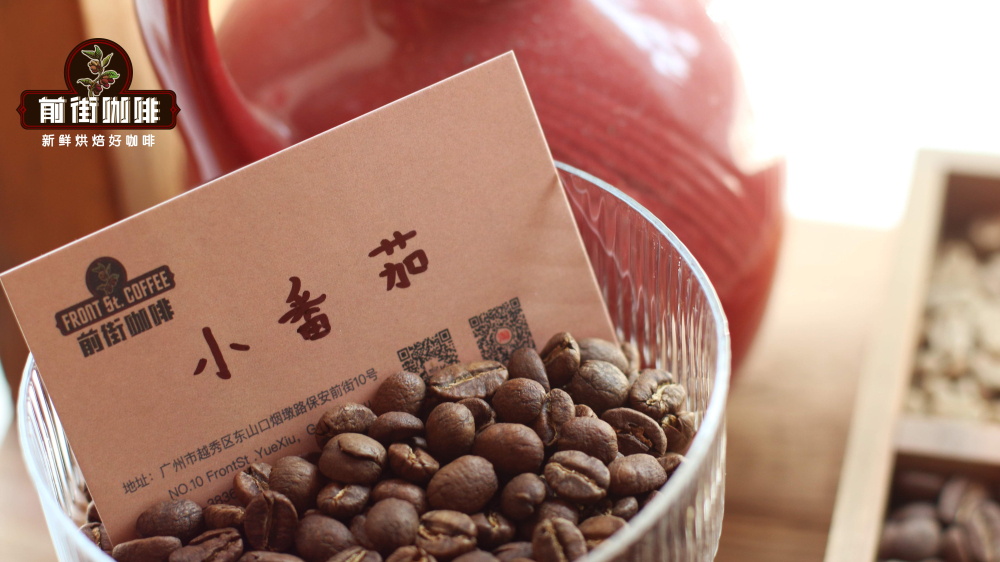
22. Rich berry aroma+Cherry tomato acidity——Front Street Kenya Little Tomato Coffee Beans
For those who are naturally fond of acidity, Front Street has always recommended this bean first, so in terms of fruity acidity alone, no other coffee can rival it. This Kenyan coffee first features SL28 and SL34 varieties, both of which were selected after multiple cultivations. SL28 belongs to the Bourbon genetic group, with the bright tonality and rich acidity of the original Bourbon, while SL34's lineage is closer to Typica, with a milder acidity. Secondly, it uses the locally distinctive K72 washed processing method, where multiple soaking and washing creates a clean yet solid fruity acidity. Made into iced coffee by Front Street Little Tomato, you can taste dark berry flavors on entry, along with a full cherry tomato aroma. Drinking it chilled is very refreshing, making it a top choice for many friends making cold brew.
33. Raisin+Fruit gummy——Front Street Strawberry Candy
Compared to other fruity coffees, this bean has a somewhat special "background" because it combines two well-known production regions in Central and South America: one is a honey-processed coffee from Costa Rica, and the other is a washed Geisha from Panama. To highlight its essence as much as possible, Front Street used a medium roast, allowing it to show both orange-blossom honey notes and a round sweetness when brewed. It's suitable for cold brew, pour-over, espresso, and other extraction methods, refreshing on the palate.
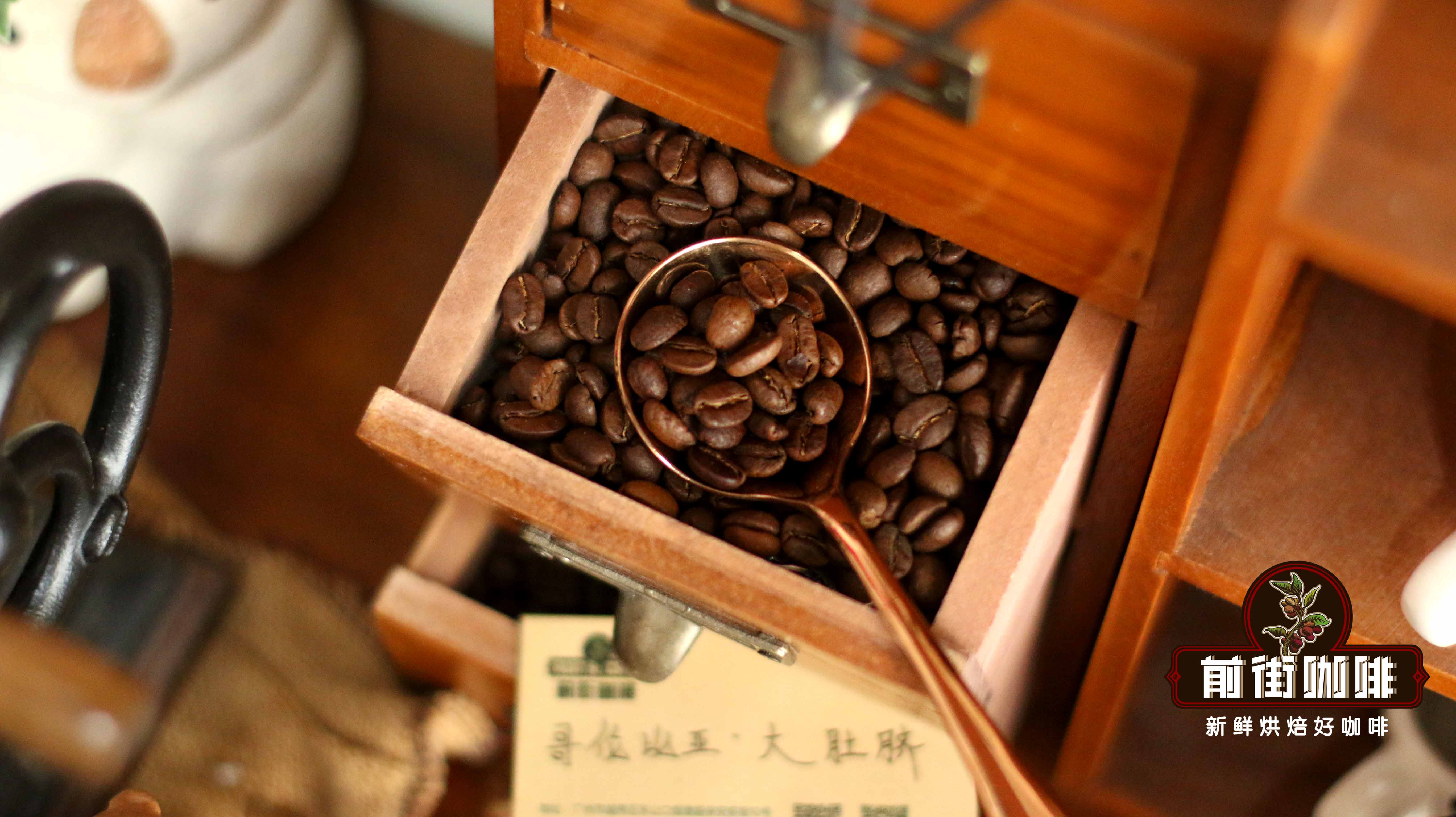
44. Passion fruit acidity + Blueberry sweetness——Front Street Colombia Big Belly Button
At the 2023 WBC finals, Australian contestant Jack Simpson used a coffee called Big Belly Button and showcased its rich juiciness through three different beverages, drawing attention to this somewhat odd variety. Front Street Big Belly Button coffee comes from Colombia's famous Huila region, produced by Finca La División, and processed with a double anaerobic natural method, which successfully brings out the alluring floral and fruity aromas of the coffee cherries. Each brew always carries rich flavors of grapes, oranges, blueberries, and more.
55. Citrus acidity+Honey pomelo tea——Front Street Butterfly
Butterfly is composed of three coffee varieties: Geisha, Caturra, and Catuai, all produced in Panama's famous Boquete, where well-known estates like Hacienda La Esmeralda and Elida Estate are located. According to research by Front Street, in the early days, to pursue yield, the Geisha variety was mixed-planted with Caturra and Catuai coffee trees. To highlight the characteristics of Geisha, they began to separately collect the three varieties and use refined washed processing, finally mixing them together for export packaging. Since high-quality Geisha accounts for a full 70%, the coffee naturally has distinct grapefruit and citrus notes along with light floral aromas, and the washed processing also gives the coffee a clear tea-like feel.
The above content is compiled by CoffeeHunters, a coffee news website.

