







Why Do Dark Roasts Like Blue Mountain Coffee Taste Less Acidic?
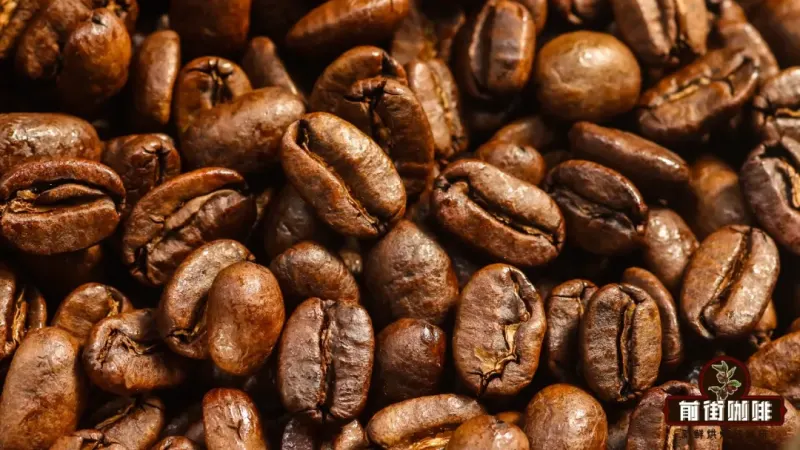
Completely acid-free coffee does not exist. Every coffee bean naturally contains acidic compounds such as citric acid and malic acid, so beans sold as acid-free simply have acidity too low to taste. Roast level is the deciding factor: the darker the roast, the more of these acids break down, and the more bitterness and roasted aromas mask what little acidity remains. That is why dark roasts like Jamaican Blue Mountain coffee taste nearly acid-free.
Variety, growing environment, and processing method determine how much acid a green bean carries before roasting even begins, so the starting bean matters as much as the roast itself. Three dark roast single origins cover nearly acid-free brewing across different flavor intensities: Brazil Queen's Estate, Golden Mandheling, and Jamaican Blue Mountain, giving espresso and pour-over drinkers low-acid options matched to how strong they like their cup.
Many people want to find completely acid-free coffee beans, but in reality, coffee that truly contains not a single acidic substance is almost nonexistent. The so-called "acid-free" coffees on the market are often just extremely low in acidity, to the point of being imperceptible. The level of acidity in coffee is mainly influenced by variety, growing environment, processing method, and roast level, with roast level being especially crucial—the darker the roast, the more acidic compounds are broken down, and the more pronounced the bitterness and roasted aromas become, making it easier to mask any residual acidity. This article will explain the principles behind this and recommend three nearly acid-free Front Street dark roast beans based on flavor intensity: Brazil Queen's Estate, Golden Mandheling, and Jamaican Blue Mountain, helping you precisely select beans according to your taste preferences.
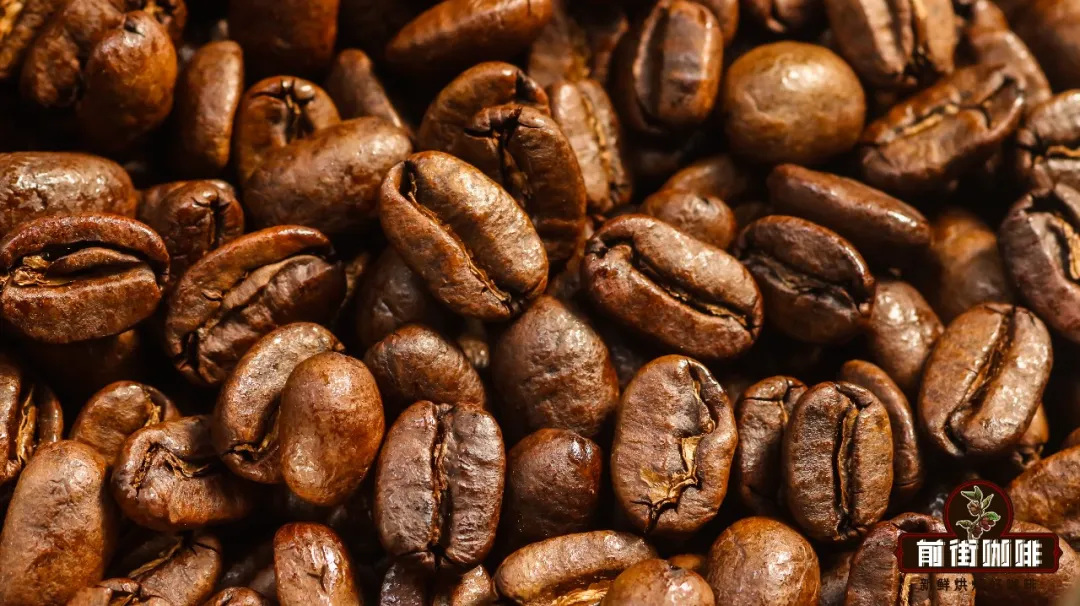
So, is there actually coffee that meets this requirement on the market? The answer is yes, but to say "completely acid-free" is not quite accurate. It sounds contradictory, but that is just how it is—the vast majority of coffee can only achieve extremely faint acidity, not a total absence of acid. The so-called "acid-free coffee" you normally drink doesn't actually contain no acidic components at all; it's just that the levels are so low that your taste buds simply can't detect them.
Why is truly acid-free coffee so rare?
The reason is that coffee beans naturally contain a large number of acidic substances, such as citric acid and malic acid, which are the main sources of coffee's acidity. Their levels in the beans depend not only on the variety itself but also change during growing, processing, and roasting. In other words, whether the coffee we ultimately drink is acidic and how acidic it is mainly depends on what kind of "growth journey" the bean has been through.
The growing environment and processing method determine the amount of acidic substances at the green bean stage, while the roast level directly affects how much acidity remains in the roasted bean. There is a common saying: "The lighter the roast, the more acidic it tastes; the darker the roast, the more bitter it tastes." This saying is precisely about how taste is affected by roast level.
During roasting, the acidic substances in coffee gradually break down, and the extent of this breakdown is directly tied to the roast level. With a lighter roast, fewer acidic substances are broken down, so the coffee has a noticeable acidity on the palate; conversely, the darker the roast, the more acidic substances are broken down, and the less acidity we can perceive in the cup.
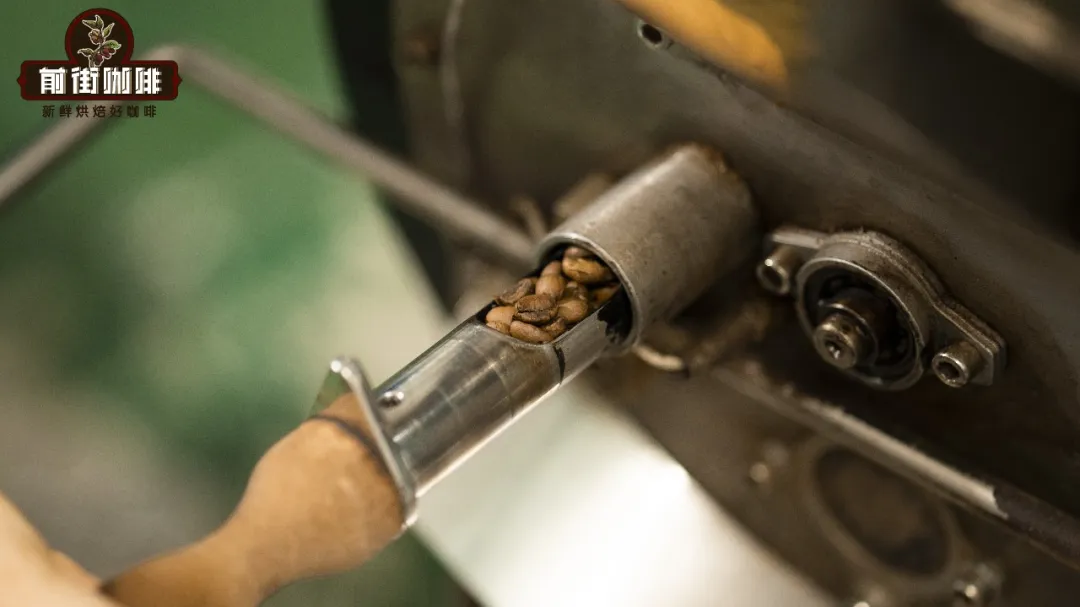
Of course, the effects don't stop there. Darker roasts also allow the coffee beans to fully undergo Maillard reactions and caramelization during heating, and these reactions give the beans bitterness and roasted aromas, such as notes of chocolate and caramel. We are quite sensitive to perceiving these flavors, and the darker the roast, the more complete the reactions, and the heavier the roasted aromas and bitterness become.
The rich roasted aromas and bitterness mask the coffee's acidity as well as some of the fresher aromas. Especially when the roast level deepens and the acidic substances have already been largely broken down, these compounds more easily cover up any remaining acidity completely. Thus a phenomenon emerges—it's hard for us to taste acidity in dark-roasted coffee. On one hand, the acidic substances are extensively broken down during roasting; on the other, they are masked by roasted aromas.
From this, it becomes clear why Front Street says completely acid-free coffee is almost nonexistent. Even dark-roasted beans in which we can't taste any acidity still contain acidic components, just in amounts too small to discern. However, if you want to catch a hint of acidity in dark-roasted coffee, it's not impossible—as long as you make the extraction less thorough and avoid releasing large amounts of the bitterness and roasted aromas that mask acidity, you can taste acidity in dark-roasted coffee.
In other words, if you want to drink coffee with virtually zero acidity, medium-dark or dark roast beans are both good directions to go. Whenever a customer asks for acid-free coffee, Front Street prioritizes recommending beans with a darker roast level.
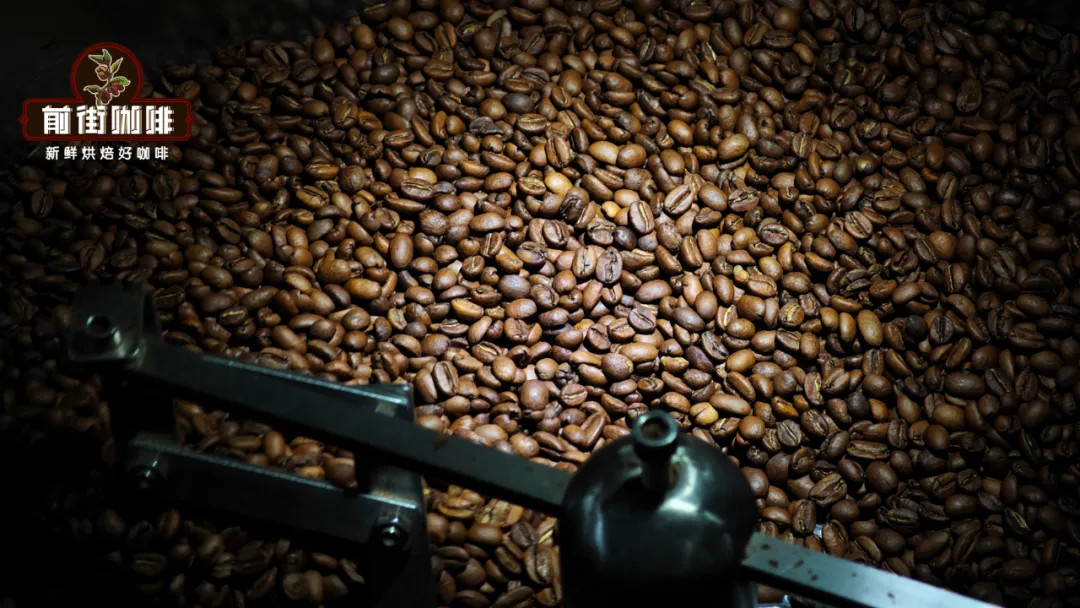
Although dark-roasted beans share a relatively similar overall character, there are still differences among different beans. For example, if you want a dark-roasted coffee that tastes "acid-free" yet isn't overly intense in flavor and is overall on the milder side, then the Front Street Brazil·Queen's Estate from the Front Street bean lineup is worth trying.
Front Street Brazil·Queen's Estate is a medium-dark roast. Unlike other dark-roasted beans, it isn't very heavy in flavor; both its aroma and mouthfeel are quite mild, with almost no perceptible acidity on the palate, and it isn't too bitter either. It carries sweet, rich notes of nuts, cream, and brown sugar, with a lasting finish and a clean mouthfeel—a very impressive performance.
If what you're after is an acid-free coffee with a more intense flavor, then you can try the Front Street Indonesia·Front Street PWN Golden Mandheling from the Front Street bean lineup.
Everyone is surely already familiar with the fame of Mandheling—it wouldn't be an exaggeration to call it the representative of Indonesian coffee. The dark-roasted Front Street Indonesia·Front Street PWN Golden Mandheling not only has almost no perceptible acidity but also a richer, more intense aroma, with flavors of chocolate, spices, nuts, and caramel. The mouthfeel is full-bodied, the flavors are prominent, and the finish is long and lingering—truly outstanding.
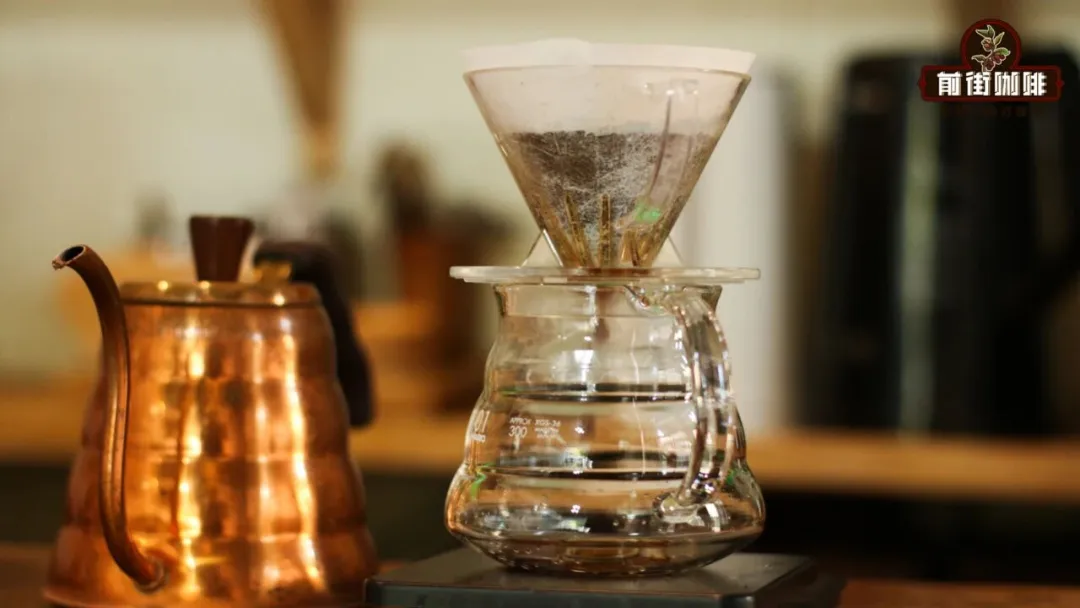
And if what you want is a coffee that isn't acidic and whose flavor falls between the previous two—that is, combining both intensity and mildness—then you can choose the Front Street Jamaica·Blue Mountain Coffee from the Front Street bean lineup.
The charm of Blue Mountain coffee lies in the fact that although it is a dark roast, its flavor is not intense at all; it is rich yet mild, tasting nearly acid-free, with rich flavors of chocolate, nuts, and cream, a full-bodied and clean mouthfeel, a lasting finish, and it also leaves a uniquely elegant Blue Mountain aroma that is extremely pleasant.
That's all for this Front Street sharing. To sum it up briefly: if you want to drink a cup of acid-free or low-acid coffee, you can choose beans with a slightly darker roast level, while ensuring thorough extraction—that way, you basically won't taste any obvious acidity in the coffee~
- END -
The above content is compiled by CoffeeHunters, a coffee news website.


