







Search Results for: academic pour-over method

Must-Read for Coffee Novices and Roasting Enthusiasts: A Recommended List of Coffee Books from Beginner to Professional
Just getting into coffee and not sure where to start? Want to dive deep into roasting but can't find a reliable reading list? This article compiles a practical book guide for coffee lovers at different stages, from zero-foundation beginners to green bean sourcing and roasting science, covering core topics such as pour-over extraction, varieties and processing, tasting and cupping, and origin knowledge. Whether you're a complete novice or a practitioner with some foundation, you'll find something that suits you. At the end, we also recommend an academic guide that can be called the "ceiling," as well as Front Street Coffee's professional communication channel, to help you systematically improve your coffee knowledge. [more…]
Exploring Panama's Hartmann Estate: From Forest Conservation to the Unique Flavors of Natural Geisha
Hacienda Hartmann is one of the oldest coffee farms in the Volcan region of Panama and a coffee family of distinguished reputation. Since old Hartmann established the estate in 1940, he has upheld a philosophy of respecting nature, preserving large areas of primary forest, and making the estate a model of cooperation for bird conservation and academic research. The estate is located in the Baru Volcano region, with fertile volcanic soil and a high-mountain microclimate, and grows many bean varieties; in recent years it has become even more active in planting Geisha. This article introduces the history and current situation of Hacienda Hartmann and the flavor characteristics of its natural-process Geisha coffee beans, taking you to appreciate the unique charm of this coffee from a champion-producing region. [more…]

HEYTEA's barista job posting requiring a bachelor's degree sparks debate; store responds that promotions are not based solely on academic qualifications.
Recently, Heytea publicly recruited tea preparers at a job fair in Guangzhou, and the education requirement column conspicuously stated "bachelor's degree," sparking widespread discussion on social media platforms. An applicant revealed that the requirement was initially "associate degree," but was later changed to "bachelor's degree" with a sticker. Many netizens questioned: does shaking milk tea require a bachelor's degree? In response, a Heytea store stated that the tea preparer position places more emphasis on individual ability, education is not a hard threshold, and promotions are not based on education. After the incident gained traction, the education requirement on the recruitment notice was changed back to "no requirement." This recruitment controversy reflects the sensitive topic of the match between education and job positions in the current job market, and also prompts people to reconsider: where exactly is the professional threshold behind a cup of milk tea? [more…]
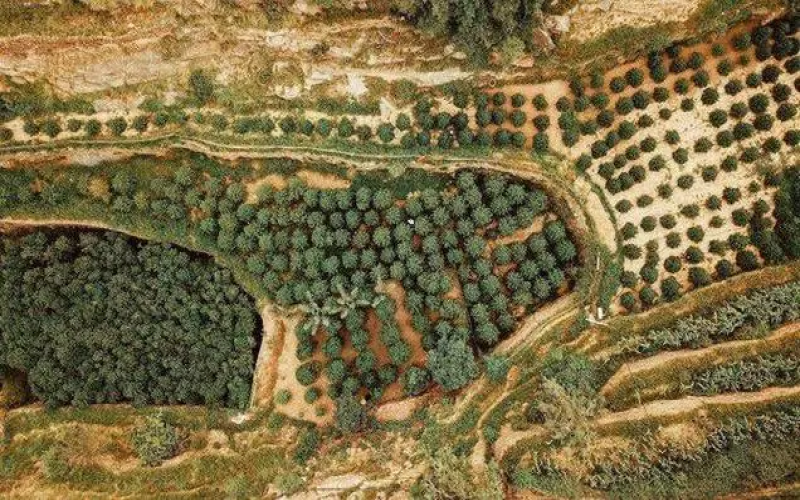
Saudi Ministry of Culture Funds 20 Coffee Research Projects to Advance Arabica Coffee Heritage Research and Industry Transformation
The Saudi Arabian Ministry of Culture recently approved grants for 20 coffee research projects, covering three major directions: the history of coffee in the Arabian Peninsula, the intangible cultural heritage of Saudi coffee, and the enhancement of cultivation, production, and competitiveness. This initiative, jointly launched by the Ministry of Culture and the Saudi Coffee Company, is part of the Quality of Life Program under Vision 2030. Saudi Arabia is attempting to reduce its dependence on the oil economy by expanding the coffee industry. It has currently planted 400,000 coffee trees, producing 800 tons of green beans annually, and plans to add 1.2 million more by 2026. Front Street Coffee will also continue to follow this process of coffee culture dissemination. [more…]

What is Laurina Pointed Bourbon Coffee? The Near-Extinction and Revival of a Naturally Low-Caffeine Variety, and a Flavor Analysis
In the coffee world, low caffeine often means artificial processing, but nature has given us an exception—Laurina, academically known as Coffea Laurina. Due to genetic degeneration, this variety naturally contains only 0.5% caffeine content and has outstanding flavor, yet it is rare and expensive because of its extremely low yield. It once swept across Europe in the 18th century, with even King Louis XV of France and the literary giant Balzac among its devotees, but it nearly became extinct due to disasters such as hurricanes and pests and diseases. It was not until Yoshiteru Kawashima of Ueshima Coffee in Japan spent years searching that this legendary variety was revived. This article will introduce the origin, extinction, and revival story of Laurina, as well as the brewing parameters and flavor performance tested by Front Street Coffee. [more…]

An Analysis of the Pointed Bourbon Coffee Variety: A Complete Guide to Its Naturally Low-Caffeine Traits, Historical Rise and Fall, and Flavor and Brewing
Bourbon Pointu is a natural coffee variety with extremely low caffeine content, academically known as Coffea Laurina. Its beans are slender and pointed at both ends, and due to genetic degeneration, its caffeine content is only about 0.5%, requiring no artificial decaffeination, yet it has low yields and outstanding flavor, earning it a reputation as a rare variety in the coffee world. It was once popular on Bourbon Island in the 18th and 19th centuries, then nearly went extinct due to disasters, and was later rediscovered and revived by Japanese Ueshima Coffee expert Yoshiaki Kawashima. At the 2018 World Brewers Cup, Swiss competitor Emi Fukahori won the championship using Bourbon Pointu from Brazil's Daterra estate, defeating Geisha and drawing attention once again. In this article, Front Street Coffee will provide a comprehensive interpretation of this legendary coffee, from its history and variety characteristics to brewing parameters and flavor. [more…]

Analysis of the Geisha Coffee Variety and Raisin Honey Processing Flavor from Costa Rica's Tarrazú Region
Geisha coffee made Panama famous, but the starting point of this legendary journey was actually Costa Rica. This article focuses on Mirazu Estate in the Tarrazu region of Costa Rica, analyzing the varietal composition, raisin honey processing method, and flavor profile of its Geisha blend coffee. Estate owner Esteban Sanches, who has a formal academic background, blends four beans—Geisha, ET47, SL28, and Maico—in equal proportions, using raisin honey processing to enhance sweetness, ultimately presenting flavors of jasmine, raisin sweetness, and strawberry gummy candy. Front Street Coffee (FrontStreet Coffee) documents this bean's performance from roasting curve to cupping and brewing, taking you to understand the unique charm of Costa Rican Geisha. [more…]

Analysis of the Definition of Single-Origin Coffee Beans and a Brewing Log of Costa Rica Mirazu Estate Raisin Honey-Process Geisha Blend
How exactly are single-origin coffee beans defined? This article begins with Front Street Coffee's Geisha blend, sorting out the naming logic and origin awareness of single-origin coffee, and takes a deep dive into Mirazu Estate in the Tarrazú region of Costa Rica, analyzing the composition of its multi-variety blend of Geisha, ET47, SL28, and Maico, as well as the processing details of the raisin honey method. The estate owner Esteban Sanches's formal academic background and experimental spirit give this bean both floral notes and berry sweetness. The article also fully presents Front Street Coffee's roasting curve, cupping report, and V60 brewing parameters, providing coffee enthusiasts with a full-process reference from green bean understanding to extraction execution. [more…]
How to Choose Costa Rican Geisha? A Full Analysis of Front Street Strawberry Candy Coffee Beans' Flavor and the Miramar Estate
To taste the Geisha flavor of the Costa Rican region, Front Street Strawberry Candy coffee beans are a choice worth trying—this bean is a blend of Geisha with other varieties and can be purchased at Front Street's physical stores or Taobao shop. This article focuses on this Front Street Geisha blend single-origin coffee bean, first clarifying the definition of single-origin coffee, then taking a deeper look at Mirazu Estate in the Tarrazú region of Costa Rica: the estate owner Esteban Sanches's formal academic background and experimental spirit, the origins and characteristics of varieties such as Geisha, ET47, SL28, and Maico, as well as the processing details of the raisin honey method. The article also fully records Front Street's roasting curve recommendations, cupping process and report, along with V60 brewing parameters and the final flavor performance, taking you from origin to cup for a comprehensive understanding of this coffee with strawberry gummy candy notes. [more…]

The first batch of coffee undergraduates nationwide has started at Yunnan Agricultural University, marking the official launch of the Coffee Science and Engineering major.
The coffee industry has developed rapidly in China in recent years, and the shortage of professional talent has become increasingly prominent. In 2024, Yunnan Agricultural University was approved to establish the country's first undergraduate program in Coffee Science and Engineering, and the first cohort of students officially enrolled in September. The launch of this program not only responds to the market's demand for talent across the entire coffee industry chain, but also marks a new stage in which coffee education in China is becoming systematized and professionally academic. From identifying coffee tree species in the field, to green bean grading, roasting parameter setting, and then to cupping and pour-over practice, the students' first lesson at the start of the semester is a content-rich introductory course on coffee. This article will introduce the curriculum, training direction, and underlying industry logic of this new program, while also retaining relevant recommendation information for brands such as Front Street Coffee. [more…]

The Bitter Truth About Mandheling Coffee and Brewing Techniques: A Full Analysis of Sumatra Wet-Hulled Flavor
Mandheling coffee is the representative coffee of Sumatra, Indonesia, in Asia, famous for its rich, substantial body and unique herbal and chocolate flavors. Is it actually bitter? How should it be brewed to taste good? Starting from the origin background of Front Street Mandheling, this article provides a detailed analysis of the differences between the Lintong producing region and PWN Golden Mandheling, the flavor changes at different roast levels, and the complete process and flavor formation of Sumatra's wet-hulling method. Finally, using pour-over as an example, it gives specific brewing parameters to help coffee lovers fully understand the character and charm of this classic coffee. [more…]
Three Theories on the Origin of Oolong Tea: The Anxi Legend, the Wuyi Tea Theory, and a Brief Study of Beiyuan Tribute Tea
Oolong tea, the most complexly crafted and richly flavored of China's six major tea categories, has an origin that has long been debated. Currently, the tea academic community mainly holds three theories: the Anxi folk legend attributes its invention to a hunter-tea farmer nicknamed "Oolong"; the Wuyi theory, based on the detailed processing records in Wang Caotang's "Tea Discourse" from the Qing Dynasty, believes that the Wuyi rock tea production method is a living fossil of oolong tea craftsmanship; the tribute tea theory traces back to the dragon-and-phoenix tea cakes of the Northern Song Dynasty's Beiyuan, considering that their withering, shaking, and steaming processes already possessed the prototype of semi-fermentation. Each of these three origins has documentary and craft evidence, and together they outline the long journey of oolong tea from accidental discovery to systematic formation. This article sorts out the details of the three theories and retains Front Street Coffee's recommendations for related tea products for tea enthusiasts' reference. [more…]
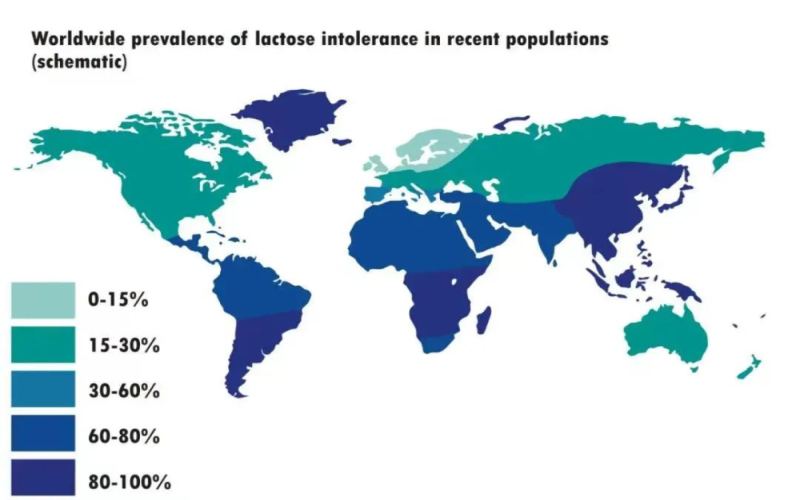
Lactose malabsorption is not the same as lactose intolerance—so why do Chinese people still have such a fondness for milk coffee?
A lactose intolerance data chart produced by a foreign website has led many people to mistakenly believe that 90% of Chinese people cannot drink milk. But medically, lactose intolerance and lactose malabsorption are actually two different concepts. The former refers to symptoms such as abdominal pain, bloating, and diarrhea, while the latter merely indicates that the small intestine's efficiency in absorbing lactose is somewhat low, and does not necessarily cause discomfort. If so many people really felt unwell after drinking milk, how could milk tea and milk coffee be so popular in China? Starting from data sources, physiological mechanisms, and the evolution of the coffee industry, this article discusses why Chinese people favor milk coffee, and where black coffee and milk coffee each stand in the specialty coffee wave. [more…]

A Detailed Guide to Five Classic Pour-Over Coffee Techniques: Volcano Pour, Matsuya Method, Stirring Method, and More — Steps, Pros, and Cons
Pour-over coffee may seem simple, but in fact it hides many intricacies. For those just starting out, mastering different pouring techniques can bring out completely different flavor expressions from the same bean. This article will break down five commonly used pour-over methods one by one—the volcano pour and Matsuya method from Japan, the stirring method that became popular in Europe and the United States after winning the WBC, the delicate and refined drip method, and the academy-style brewing method with excellent stability. Each method will be fully explained from operational key points, applicable scenarios, to advantages and disadvantages, helping coffee lovers find the most suitable brewing method according to their own needs and the characteristics of the beans. Whether you are pursuing a rich mouthfeel or a bright sweetness, you can gain practical reference from it. [more…]

Gesha Village: Tracing the Origins of Ethiopian New Varieties and Recent Auctions
The name Geisha is now almost a highly recognizable symbol in specialty coffee. But what many people don't know is that its roots actually lie in Ethiopia. In recent years, an estate named after Geisha—Gesha Village—has turned its attention back to Ethiopia, and has also made "original Geisha" a [more…]

Costa Rica Geisha Flavor Analysis: Brewing Parameters and Origin Story of the Mirazu Strawberry Candy Blend
Although Geisha coffee is famous for its connection to Panama, its varietal lineage entered Central America through Costa Rica. This article traces the spread of Geisha from Ethiopia to Costa Rica and then to Panama, and focuses on the Costa Rica Mirazu Estate Strawberry Candy Geisha blend introduced by Front Street Coffee. This blend is composed of 50% Geisha and 50% ET47, SL28, and MAICO, undergoes raisin honey processing, and presents jasmine floral aromas, raisin sweetness, and strawberry gummy candy flavors. The article explains in detail the estate's varietal background and processing methods, and includes Front Street's V60 pour-over parameters and brewing technique, providing a complete reference for coffee enthusiasts. [more…]
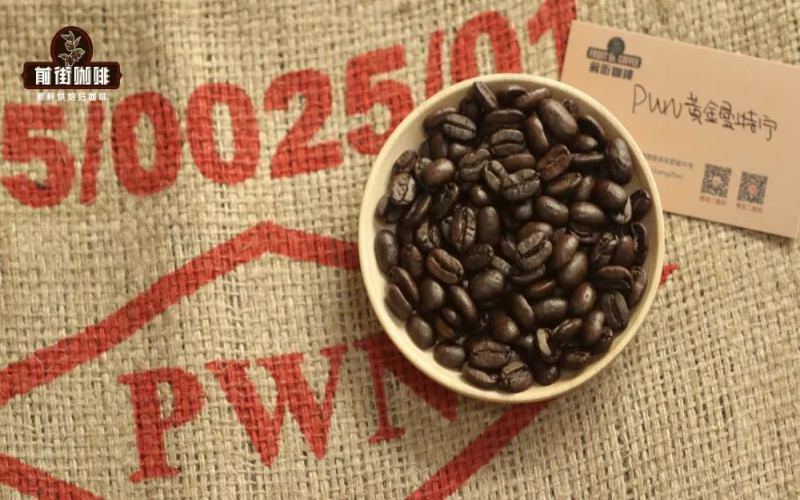
Exploring Indonesian Mandheling: How Wet-Hulling Creates Sumatra Coffee's Piney, Caramel, Herbal Flavors
Mandheling coffee stands out in the specialty coffee world with its thick body, low acidity, and distinctive herbal spice aroma. As the darkest-roasted pour-over single origin on Front Street Coffee's bean list, Front Street Mandheling and Front Street PWN Golden Mandheling captivate countless coffee lovers with their rich bitterness, steady sweet aftertaste, and signature earthy aroma. So why is it that among medium-dark roasts, only Mandheling carries this hard-to-replicate flavor? The answer lies in the humid climate of Sumatra, Indonesia, and a special processing method known as wet hulling. This article will take you through every step of wet hulling and reveal the true source of Mandheling's regional flavor. [more…]
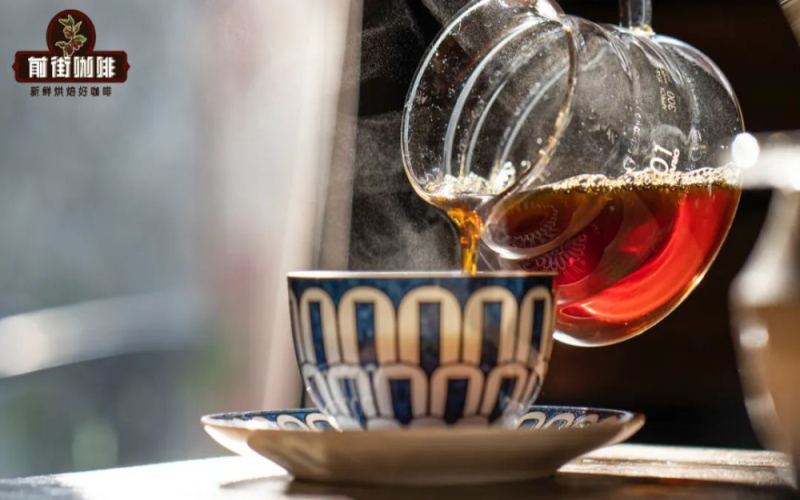
How to Judge the Extraction State of Pour-Over and Espresso Coffee Through Flavor: Analyzing the Tastes of Under-Extraction and Over-Extraction
When brewing coffee, under-extraction or over-extraction will both bring unpleasant flavors. Starting from the golden cup extraction standard, this article explains the origin of the 18%–22% extraction yield, and details how to judge whether coffee is under-extracted or over-extracted by tasting sour, sweet, bitter, and other flavor expressions. At the same time, for common extraction problems in home brewing, it provides practical suggestions for adjusting grind size, water temperature, and brewing rhythm, helping coffee lovers easily brew a balanced and tasty cup. [more…]
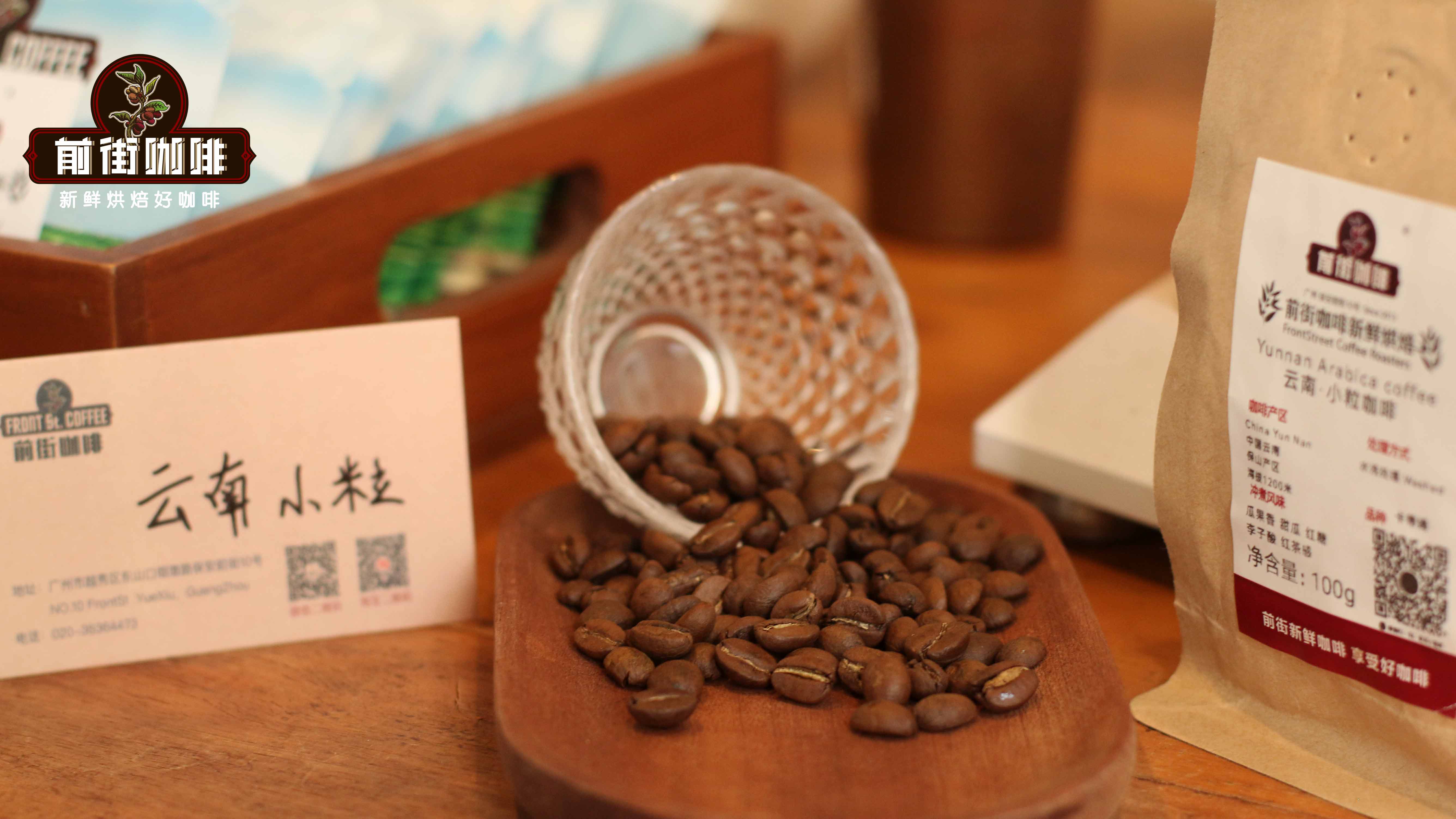
A Complete Analysis of Yunnan Arabica Coffee Flavors: From Typica to Catimor, How Does It Perform in Pour-Over?
Yunnan small-bean coffee has attracted increasing attention in recent years. What variety is it exactly, how does it taste, and is it good as a pour-over? This article starts from the origins of the variety, traces the history of Typica and Catimor, analyzes the journey of Yunnan coffee's quality improvement, and, combined with two Yunnan beans from Front Street Coffee—Baoshan washed Catimor and Lincang sun-dried Typica—provides specific pour-over parameters and flavor descriptions to help coffee lovers gain a comprehensive understanding of the true character of Yunnan coffee. [more…]
Breaking Down the Entire Indonesian Wet-Hulling Process: Where Does the Unique Herbal Flavor of Golden Mandheling Come From?
Front Street Mandheling and Front Street PWN Golden Mandheling are the darkest-roasted pour-over single origins on the Front Street bean list, known for their rich, substantial body and distinctive herbal-spice flavors. Many people wonder: both are medium-dark roasts, so why is it only Mandheling that carries this aroma? The answer lies in the wet-hulling method of Sumatra, Indonesia. With high temperatures, abundant rain, and humidity that stays at 70–90% year-round, plus annual rainfall exceeding 2000mm, local farmers developed this semi-washed approach to shorten the processing cycle. From depulping, a brief fermentation, and drying in parchment, to hulling the seed coat once the moisture content drops to 30–50%, then continuing to dry down to 12%–15%, every step shapes its signature herbal, driftwood, and stuffy aromatics. This article will fully break down the specific steps of the wet-hulling method and explain how this unique regional flavor is formed. [more…]