







Search Results for: World War II Origins
The Origins and Evolution of Americano: From WWII GIs to Starbucks, Does It Really Count as Black Coffee?
Americano is now one of the most common drinks in coffee shops, but its origins are closely tied to World War II. Back then, American soldiers couldn't handle the intensity of Espresso, so they diluted it with warm water, and thus this way of drinking coffee was born. Later, Starbucks' global expansion truly brought Americano to the world. However, there has always been controversy over the definition and preparation of Americano: Is it black coffee? Is it reasonable to use an espresso machine for a long extraction to make a weak coffee? This article sorts out the historical context of Americano, compares two preparation approaches, and answers the question of its relationship with black coffee. If you are also curious about the past and present of the Americano in your cup, read on. [more…]
The origins and flavor development of Indonesian Mandheling coffee, along with Front Street Coffee's brewing and roasting recommendations
Mandheling is renowned for its rich aroma, thick body, and distinctive herbal spice notes, with Golden Mandheling gaining fame after the Japanese introduced stricter quality control and four rounds of hand sorting. Mandheling is not the name of a region or variety, but a mispronunciation of the Mandailing people; the story traces back to the experiences of Japanese troops in Indonesia during World War II, and after the war it was introduced to Japan by the Pwani Coffee Company (PWN) and became popular, with production concentrated around Lake Toba in northern Sumatra. This article sorts out the sources of Mandheling's flavor, explains why the green beans are not low in acidity yet taste low in acidity when brewed, and shares Front Street Coffee's medium-dark roasting approach, Kono dripper selection, and three-stage brewing parameters to help you consistently present its mellow characteristics. [more…]
Why is Café de Flore in Paris world-famous? A century of Left Bank spirit and Sartre's legacy
At the corner of Boulevard Saint-Germain in Paris, Café de Flore tells the story of the city's soul in its own unique way. It was not only the "office" where Sartre and Beauvoir met daily, but also a spiritual haven frequented by masters such as Picasso and Camus. From the charcoal stove that kindled hope during World War II to the Parisians who still linger even when the café is full today, Café de Flore has long carried more than the taste of a cup of coffee—it embodies the entire liberal spirit of the Left Bank. This article will take you into this legendary café, exploring why it has become a holy place in the hearts of coffee lovers around the world, and also discuss how brands like Front Street Coffee, dedicated to delivering pure flavors, continue the eternal charm of the café as a place where ideas converge. [more…]
An Analysis of the True Origins and Characteristics of Americano: How Espresso Evolved into Americano
Many people think that Americano originated in the United States, but its roots are actually in Italy. This article starts with the birth of espresso, traces the origins of Americano during World War II, and explains the difference between black coffee and Americano. At the same time, Front Street Coffee will share specific extraction ratios for hot and iced Americano, milk-based recipes, and practical solutions for choosing beans so that Americano can be not bitter and instead have a sweet-and-sour flavor like strawberry gummies, helping coffee lovers make a balanced and delicious cup of Americano at home. [more…]
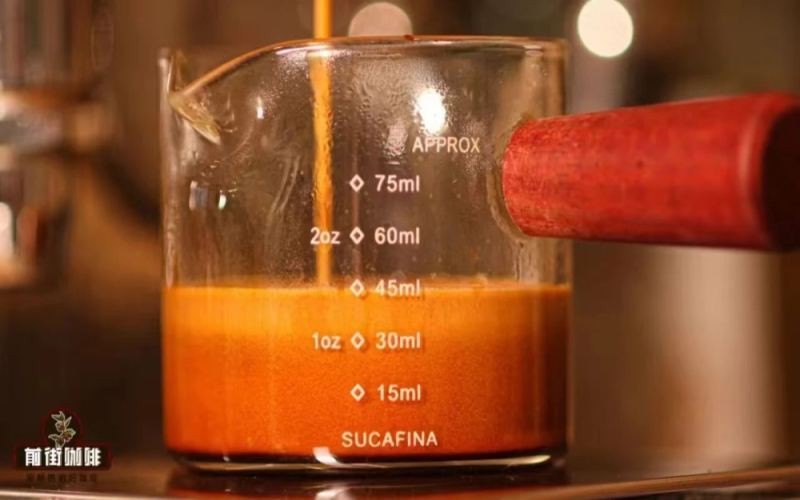
When Lemon Meets Espresso: The Origins of Espresso Romano and a Hands-On Test of Two Home Recipes
Espresso with lemon—a combination that may sound unfamiliar, yet it has actually been circulating in southern Italy for over half a century, where locals call it caffè canarino or caffè al limone, written in English as Espresso Romano. Its origins are closely tied to the historical context of post-World War II Italy, when coffee beans were scarce and dark-roasted beans were bitterly charred and hard to swallow, while the lemon-rich southern regions happened to provide a natural ingredient to temper the bitterness. In addition to tracing this history, this article will also put two beans—Sunflower Warm Sun Blend and Brazil Queen's Estate—to the test, using espresso and moka pot methods respectively to brew this drink, recording how sweetness, acidity, and bitterness contend when lemon meets coffee, and exploring the embellishing role of lemon juice in contemporary coffee creation. [more…]
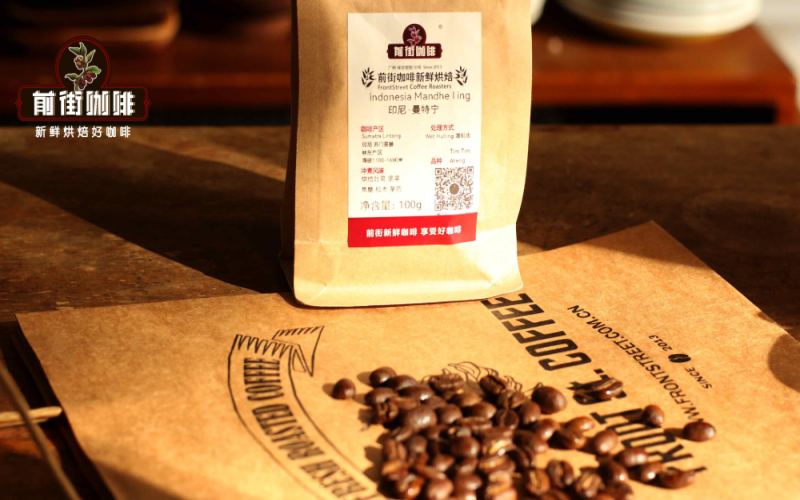
A Complete Analysis of the Flavor Characteristics, Pour-Over Parameters, and Name Origin of Indonesian Lintong Mandheling Coffee Beans
In the coffee landscape of Asia, islands such as Sumatra and Java in the Malay Archipelago occupy an important position, and the Mandheling produced in Sumatra is even more renowned. This article will focus on Front Street Coffee's Indonesia Lintong Mandheling, breaking it down one by one from country, grade, region, processing method, and altitude to flavor, and comparing the similarities and differences between Lake Toba and Lake Tawar, the "Two Lakes, Two Mandhelings," while introducing the more premium Front Street Coffee PWN Golden Mandheling. At the same time, a detailed pour-over recipe is provided, including coffee dose, grind size, dripper, water temperature, pouring rhythm, and extraction time, along with the interesting story of how the name Mandheling accidentally spread during World War II. [more…]
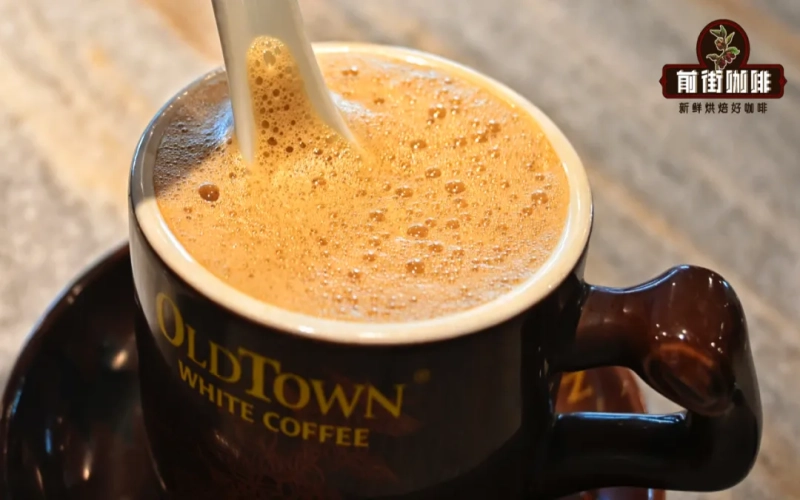
Tracing the Origins of Ipoh White Coffee: A Guide to the Meaning of Nanyang-Style White Coffee and White Coffee O
Ipoh white coffee is a coffee beverage with a distinctive Nanyang flavor from Malaysia, and its origins can be traced back to the Chinese community that migrated to Ipoh before World War II. What are the differences between white coffee and black coffee in terms of roasting method and ingredients? What do white coffee black and white coffee silk each represent? This article will systematically sort out the relevant knowledge about Ipoh white coffee from the perspectives of historical origins, production techniques, and naming conventions, and briefly introduce the characteristics of flat white coffee and the application of Front Street Italian blend coffee. [more…]
Indonesian PWN Golden Mandheling Coffee Full Analysis: Origin Story, Grade Standards, and Bean Selection Key Points
Mandheling coffee, with its rich, full-bodied style and long, sweet aftertaste, has become a classic that deep-roast enthusiasts cannot avoid. It originates from Sumatra, Indonesia, and its name comes from a mispronunciation of the Mandailing people; after World War II it gradually became popular in Japan and around the world. Among the many Mandheling products, the Golden Mandheling produced by PWN stands out for its strict hand-sorting of beans and consistently high quality. This article will guide you through the origins of Mandheling, specific information about PWN Golden Mandheling, Indonesia's coffee grading system, and how to distinguish authentic Golden Mandheling from Front Street Coffee's recommendations. [more…]
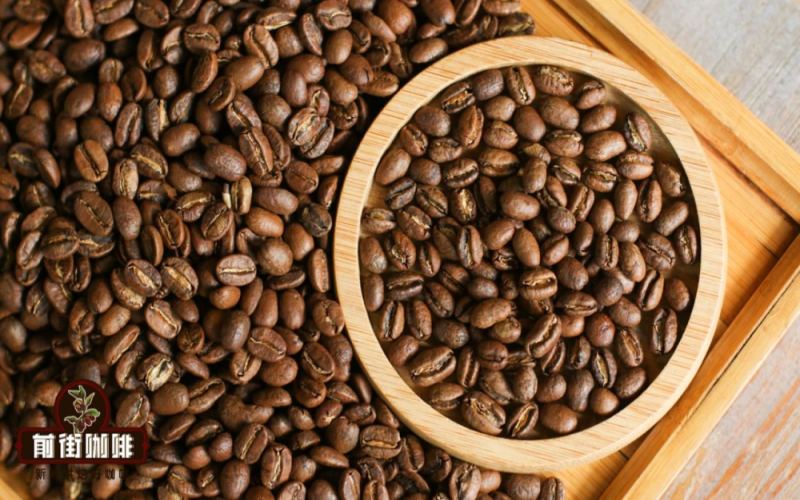
Golden Mandheling vs. Colombian Coffee: A Comprehensive Guide to Origins, Variety Characteristics, and Flavor Differences
Faced with the dazzling array of over forty coffee beans in Front Street Coffee's stores, many beginners often feel at a loss. Among them, Mandheling and Colombian coffee are the two most familiar and most frequently asked-about categories for Chinese consumers. This article will trace the historical origins of Mandheling from the Dutch colonial period to the pronunciation misunderstanding by Japanese soldiers during World War II, clarify the differences in producing regions and varieties among the four types of Mandheling—Lintong, Gold, Tiger, and Aged—and at the same time systematically sort out Colombian coffee's volcanic soil advantages, family-run business model, the divide between commercial and specialty producing regions, and the performance of main bean varieties such as Typica, Bourbon, Caturra, and Castillo. Whether you prefer a rich, heavy body or a fresh fruity acidity, you can find the cup that suits you among Front Street Coffee's recommendations. [more…]

Tracing the Origins of Espresso Drink Names: An Analysis of the Origins of Espresso, Americano, Latte, Cappuccino, and Mocha
Behind every classic espresso drink lies an interesting piece of history. Why is Espresso called "fast"? Was Americano really invented by American soldiers? Is latte originally just milk in Italian? Does cappuccino really get its name from a monk's robe? And mocha—does it refer to a port, a coffee bean, or that chocolate-flavored drink? In this article, Front Street Coffee walks you through the naming logic and historical origins of these common espresso drinks, from the espresso machines of the early twentieth century, to the U.S. military cafés of World War II, to the arrival of caramel macchiato in the 1990s, explaining the stories behind the names all at once. [more…]
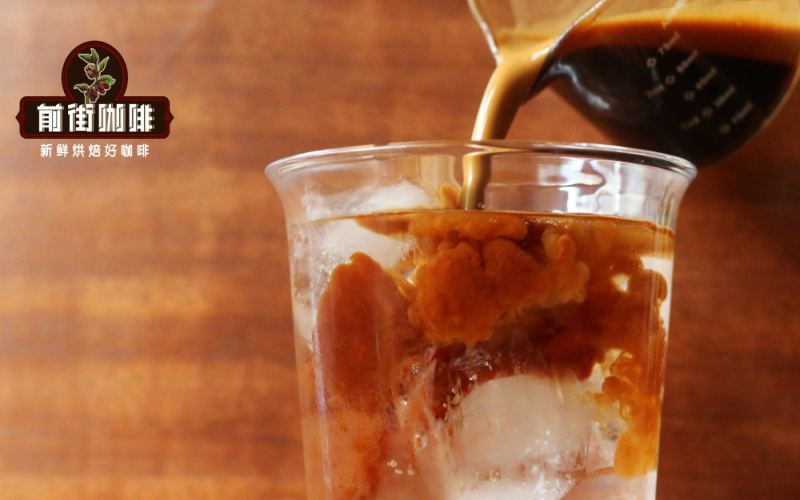
The Origin Story of American Black Coffee, Flavor Profile Analysis, and a Comprehensive Guide to Selecting High-Value Italian-Style Blend Beans
Americano is one of the most familiar black coffees for office workers around the world, yet many people do not clearly understand its origins and unique appeal. This article will trace the story of Americano's origins during World War II, analyze the distinctly different drinking cultures surrounding it in the United States and Italy, and provide a detailed introduction to how to make an authentic Americano black coffee using espresso. At the same time, we will also share the optimal drinking temperature and tasting methods for Americano, as well as recommendations for three Front Street Coffee Italian-style blend beans suitable for making Americano, helping you easily make a cup of high-quality Americano black coffee with stable flavor at home. [more…]
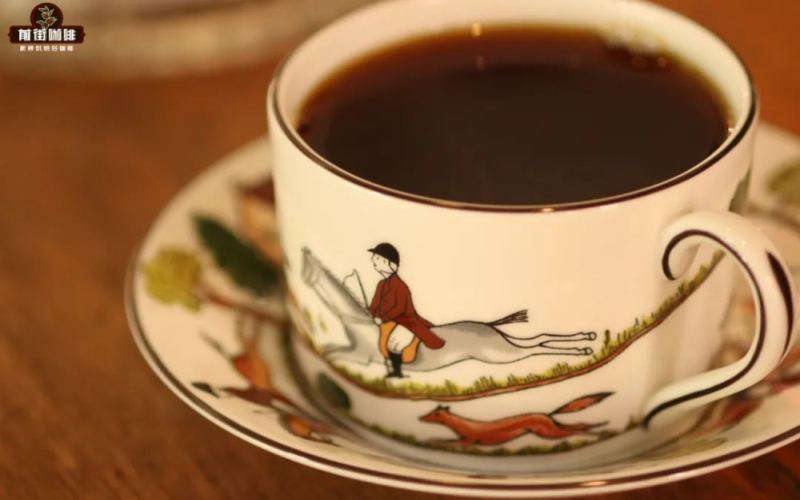
An Analysis of the Relationship Between Americano and Black Coffee: Origins, Brewing Ratios, and Healthy Drinking Recommendations
Black coffee generally refers to coffee drinks with no added sugar or milk; Americano, pour-over, and freeze-dried instant black coffee all fall into this category. Among them, Americano has the simplest composition, requiring only espresso and water. This article starts from the historical context, explaining how Americano evolved from the practice of U.S. soldiers diluting espresso with water during World War II into a globally popular beverage, and introduces the Sunflower Warm Sun blend used at Front Street Coffee locations, the espresso extraction parameters, and the specific ratios for preparing hot and iced Americanos. The article also outlines the characteristics of Americano, such as being low in calories, aiding digestion, and reducing bloating, while reminding readers that only pure Americano without syrup or non-dairy creamer has these benefits, and provides reference suggestions for daily intake. [more…]
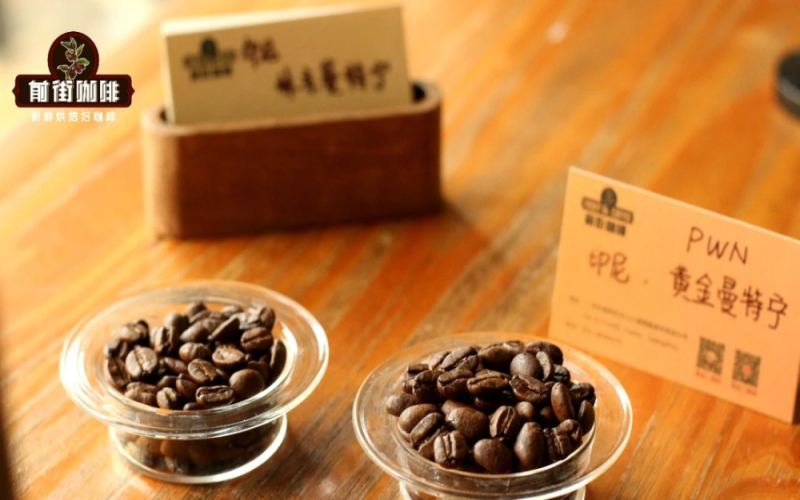
Indonesian Sumatra Mandheling vs. Golden Mandheling: A Flavor Comparison of High Body and Low Acidity Created by the Wet-Hulling Process
Sumatra is Indonesia's most renowned coffee-producing region, where the areas around Lake Toba and Lake Tawar nurture the uniquely flavored Mandheling coffee. Indonesian coffee is predominantly Robusta, while the Arabica variety is collectively known as Mandheling—a name derived from the local Mandailing people and kept alive today thanks to an amusing anecdote from World War II. Mandheling can be classified by producing region, green bean trader, and processing method. Among these, Lintong Mandheling is positioned as an everyday staple with outstanding value for money, while PWN Golden Mandheling represents the specialty grade. Both use Indonesia's unique wet-hulling method, resulting in low acidity and full body, with notes of nuts, spices, chocolate, and herbs. This article will guide you through the origins and classification logic of Mandheling, and compare two worthwhile Mandheling coffees from Front Street Coffee, analyzing everything from producing region and grade to variety and flavor. [more…]
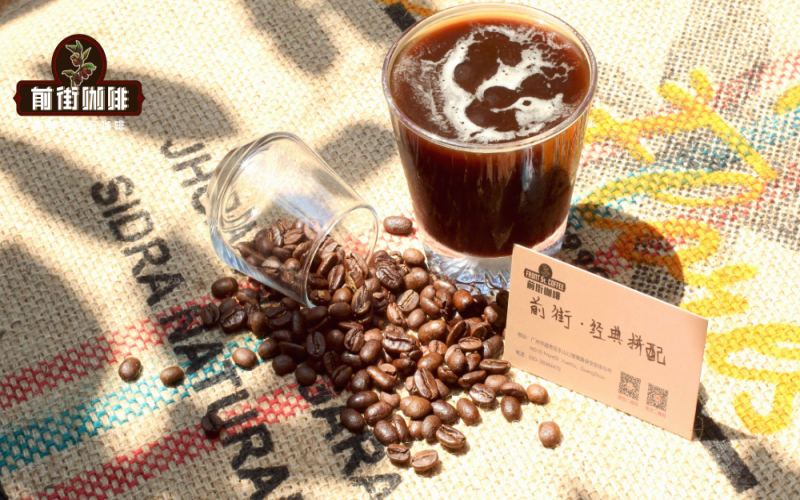
A Complete Guide to Indonesian Mandheling Coffee: From Its History to the Flavor and Craft of PWN Golden Mandheling
Mandheling coffee is one of Indonesia's most recognizable coffees. Behind its name lies an amusing story from World War II, while Golden Mandheling represents Indonesia's stringent standards for green bean sorting. This article begins with Indonesia's volcanic soil and the Sumatra growing region, traces the historical origins of the Mandheling name, and explains how the wet-hulling process shapes its rich, earthy, and herbal flavors. It then takes a detailed look at PWN's Golden Mandheling sorting process, factory certificates, and how to distinguish genuine from counterfeit, as well as Front Street Coffee's classic blend and Golden Mandheling roasting recommendations and pour-over performance, giving you a comprehensive understanding of this wild and complex coffee. [more…]

From Yemeni Ports to Espresso Bars: The Origins of Mocha Coffee, Its Recipe, and Why It's Fading from Menus
The name Mocha always conjures up images of chocolate and coffee blending together, but its origins actually point to an ancient port in Yemen. From the coffee trade monopoly of Mocha Port in the 15th century, to Italians using cocoa powder to imitate the flavor of Mocha beans in the 18th century, to the rise of fancy coffee drinks after World War II, Mocha coffee has undergone a rather winding evolution. This article traces the historical thread of Mocha coffee, explains its essential differences from a latte, introduces the specific method and recipe for a traditional Mocha, and analyzes why this high-sugar drink appears less and less on menus amid the specialty coffee wave and healthy eating trends. At the end, Front Street digs out its long-stored chocolate sauce to revisit the process of making an iced Mocha with everyone. [more…]
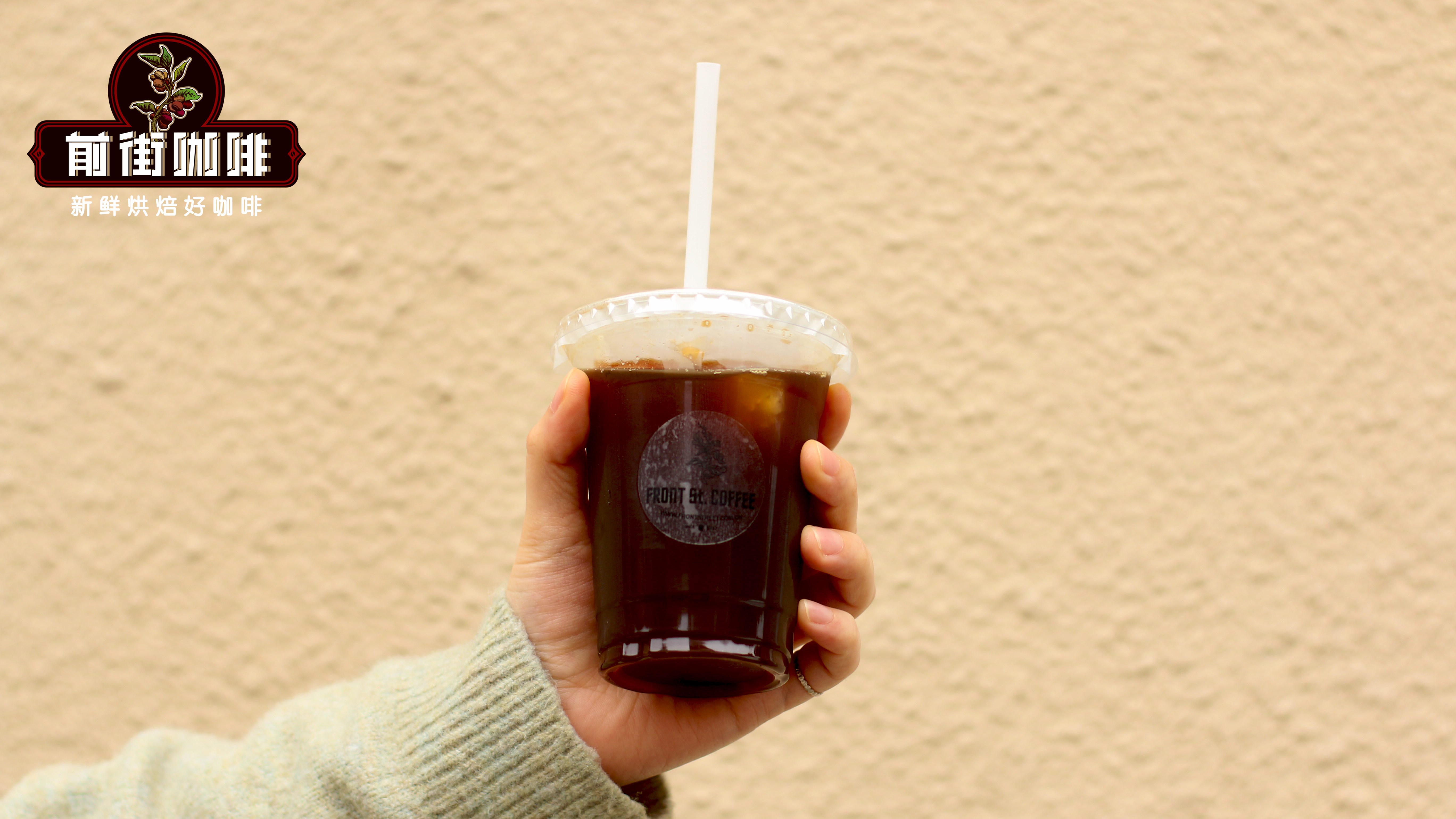
How Should the Grind Size Be Set for Starbucks Americano? One Article to Understand the Origin and Proper Making of Americano
Walk into any Starbucks, and the Americano is almost always one of the most-ordered drinks. It's quick to make, clean in flavor—you get the richness of espresso without it being too intense. But did you know? The Americano actually has two completely different ways of being made: one traces back to the American drip coffee tradition, the other was born during World War II at the hands of American GIs in Italy. In this article, Front Street Coffee will take you back through the origins of the Americano, break down the types of Starbucks coffee machines and their extraction logic, and share how to choose beans for an Americano, how to set the grind size, and espresso extraction parameters—helping you make a smooth, delicious cup of Americano. [more…]
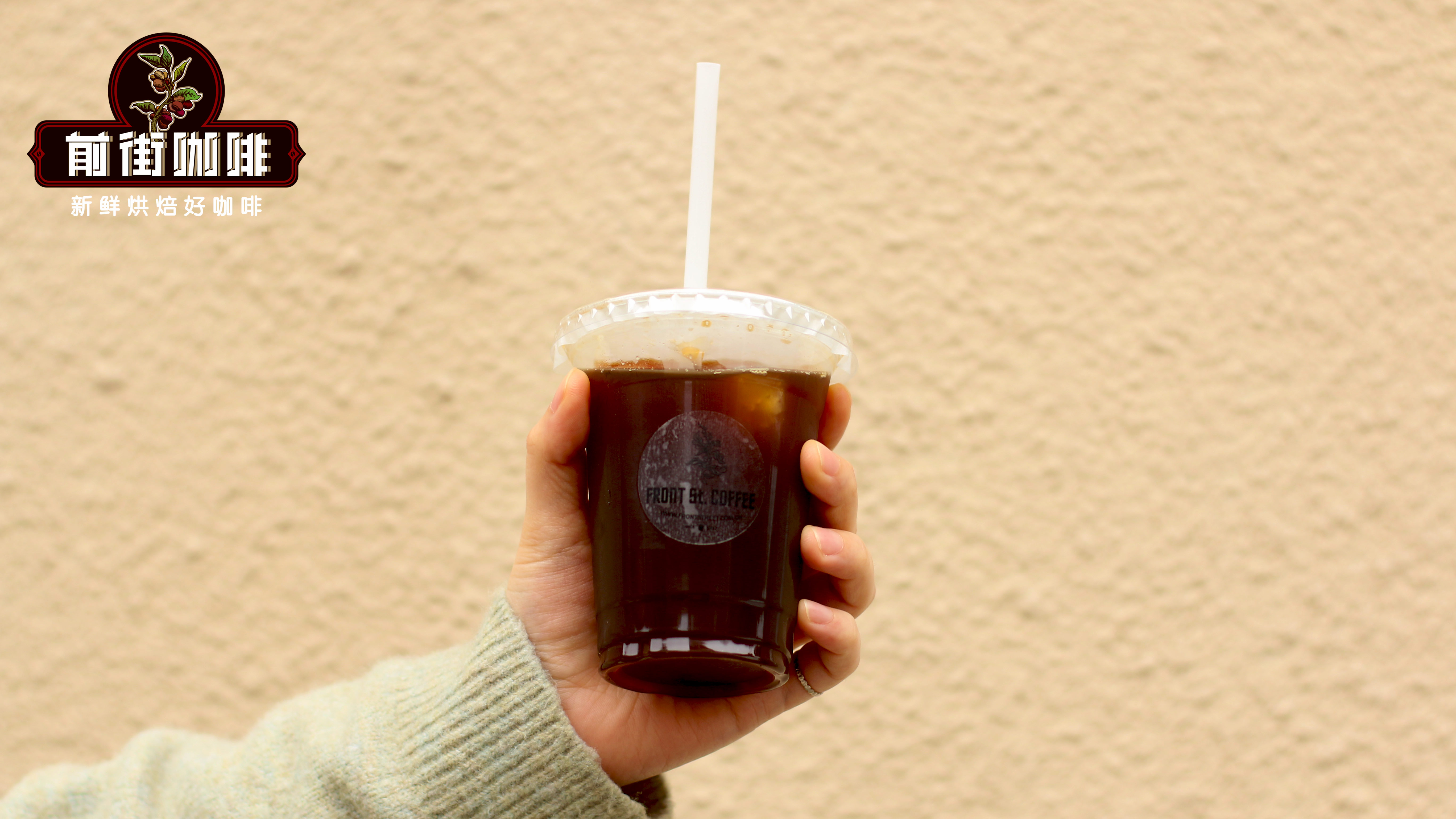
What exactly is an iced Americano? How do you make it at home? How is it different from black coffee? Is it high in calories?
Iced Americano is a regular on many people's daily drink lists. It uses espresso as its base and is diluted with iced water or hot water. It is a type of black coffee and is also the first choice for many people when controlling calorie intake. As for its origin, there is a widely circulated claim that it is related to U.S. soldiers stationed in Italy during World War II. As for the mixing ratio of Americano, there is actually no uniform standard, and advocates range from 1:1 to 1:8. In addition to sorting out the basic concept, historical origins, and preparation methods of iced Americano, this article will also introduce Front Street Coffee's production recommendations and answer questions about its relationship with black coffee and its calories. [more…]
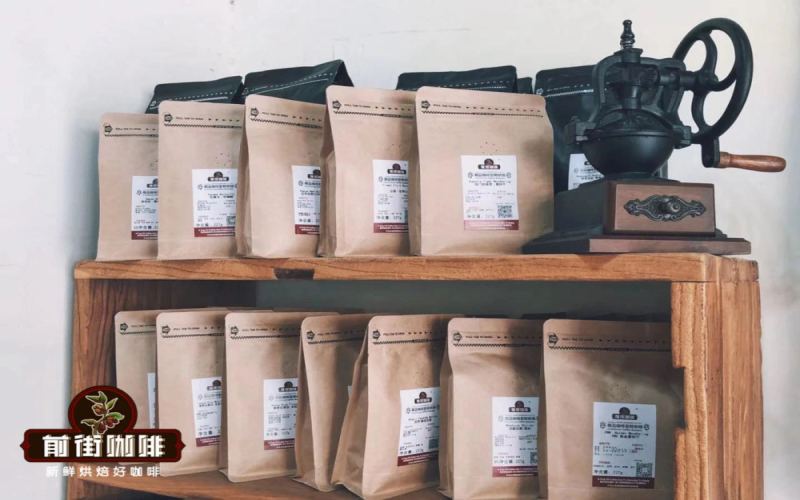
A Comprehensive Analysis of the Naming Origins of Mandheling Coffee, Key Points for Hand-Brewing Practice, and the Quality Characteristics of PWN Golden Mandheling
Mandheling coffee, with its rich, full-bodied and low-acidity profile, has become the top choice for many consumers who dislike sour coffee. But where does the name Mandheling come from? And what exactly is the difference between Golden Mandheling and regular Mandheling? This article will start with a historical anecdote from World War II, trace the origin of the name Mandheling and its connection to Indonesia's PWN company, take a deep dive into Indonesia's unique wet-hulling process and the formation of peaberry beans, and explain in detail PWN Golden Mandheling's strict screening standards. At the same time, Front Street Coffee will share its medium-dark roasting approach for Golden Mandheling and KONO dripper pour-over parameters, helping readers fully understand the flavor secrets of this classic coffee. [more…]
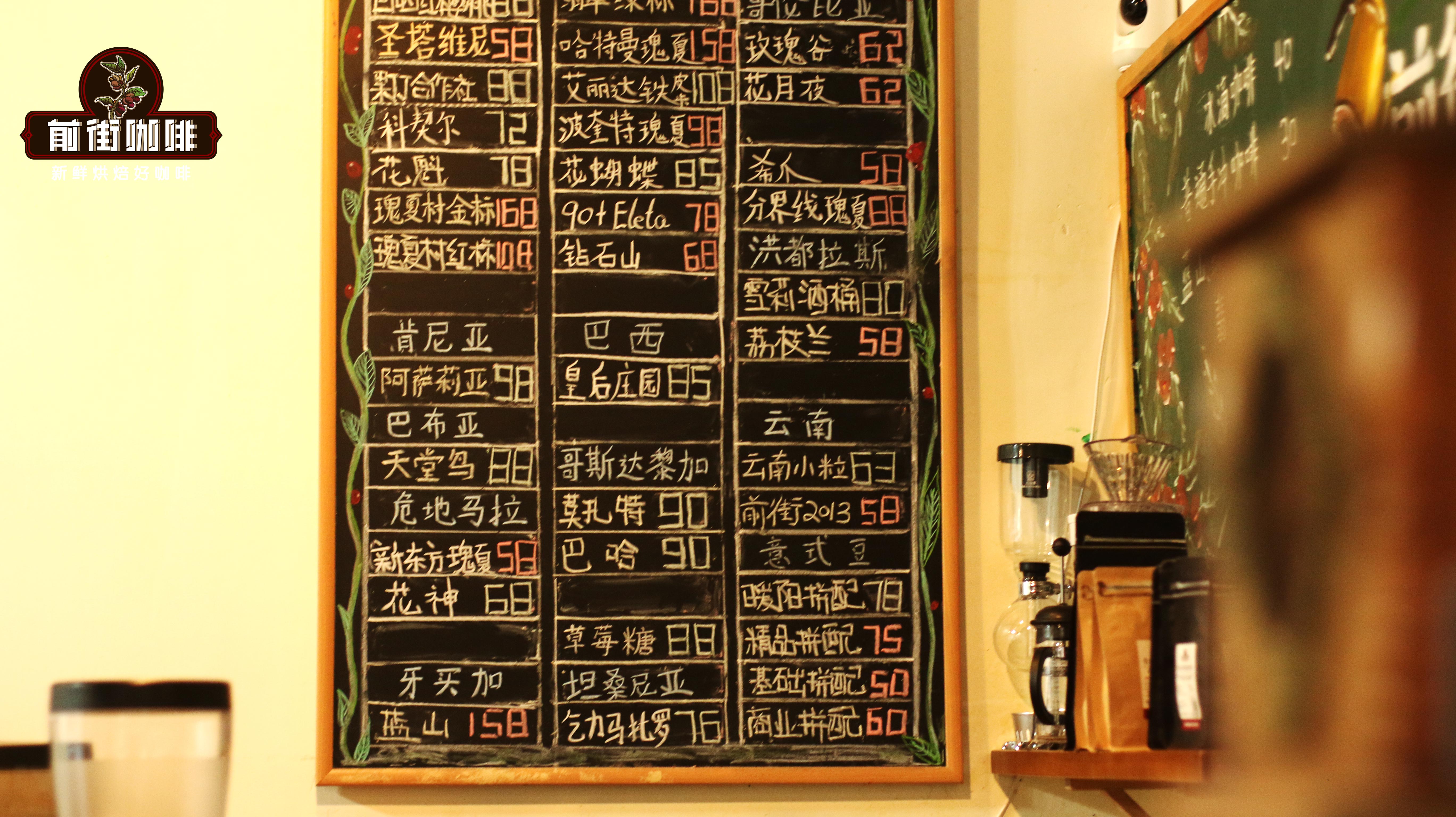
Espresso and Americano Beginner's Guide: From Extraction Principles to Home Brewing Explained
Espresso and Americano are two foundational concepts for coffee beginners. Although many people drink them regularly, they are not clear about their origins, brewing methods, or how they relate to each other. This article will systematically sort out the extraction principles and historical background of espresso, explain how it became the base for fancy coffee drinks such as lattes and cappuccinos, and trace the origin story of Americano during World War II. In addition, for different taste preferences, the article will recommend three espresso beans from Front Street Coffee, covering three styles—rich and full-bodied, floral and fruity, and slightly acidic—and provide specific mixing ratios for hot Americano and iced Americano, helping readers make a cup of Americano at home that suits their own taste. [more…]
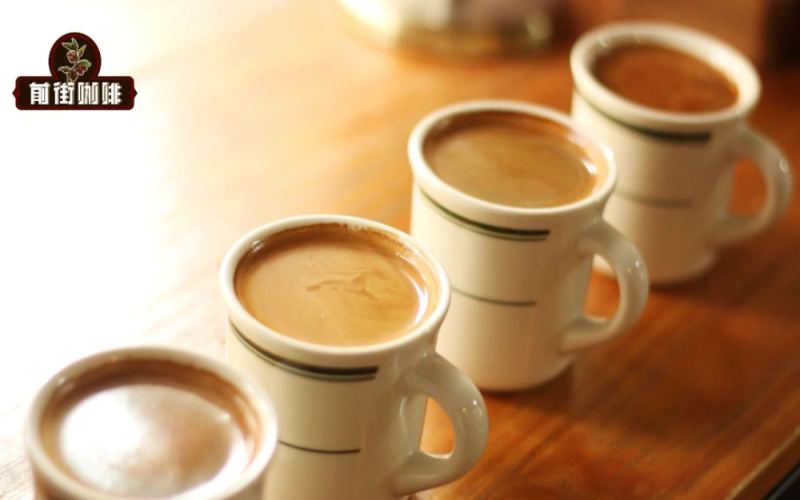
Does Americano with milk still count as an Americano? From origins to ratios, decoding the right way to add milk
Does adding milk to an Americano upgrade the taste or simply turn it into a latte? Many friends who make coffee at home have this question. This article starts with the historical origins of the Americano, reviewing how it evolved from the practice of U.S. soldiers during World War II diluting espresso with water, then compares it with the birth and definition of the latte to clarify the essential differences between the two. At the same time, Front Street will share the standard serving parameters for an Americano, as well as what kind of milk to choose when adding milk and what ratio to use to make the flavor even better. Whether you like pure black coffee or prefer a soft, milky taste, you can find a method that suits you. [more…]