







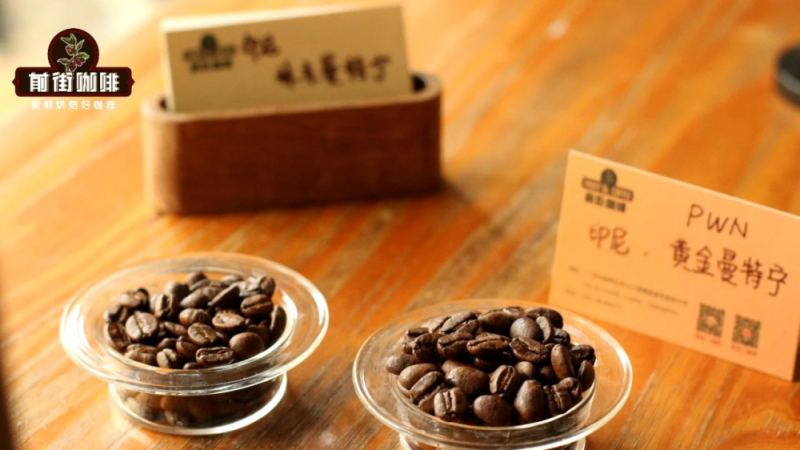
Sumatra is Indonesia's most famous coffee-producing region, where the areas around Lake Toba and Lake Tawar nurture the uniquely flavored Mandheling coffee. Indonesian coffee is dominated by Robusta, while Arabica varieties are collectively called Mandheling, a name derived from the local Mandailing tribe that has been passed down thanks to an amusing story from World War II. Mandheling can be classified by producing region, green bean trader, and processing method, among which Lintong Mandheling is positioned as an everyday staple with outstanding value for money, while PWN Golden Mandheling represents the specialty grade. Both use Indonesia's unique wet-hulling method, yielding low acidity and high body, with notes of nuts, spices, chocolate, and herbs. This article will walk you through the origins of Mandheling, its classification logic, and compare two worthwhile Mandheling coffees from Front Street Coffee, analyzing everything from origin, grade, and variety to flavor.
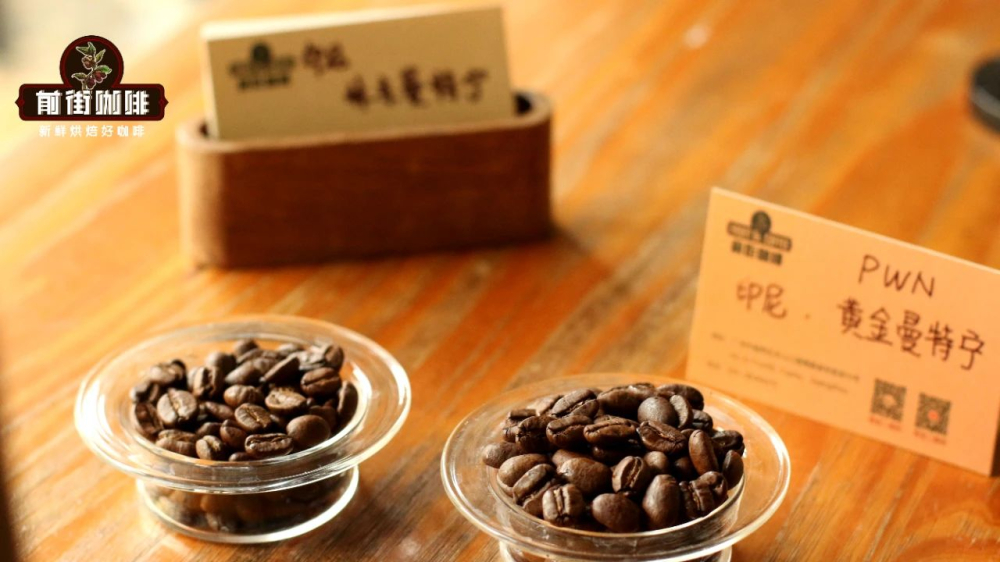
In the Asian coffee landscape, Indonesia's Sumatra is undoubtedly one of the most famous producing regions. The Mandheling coffee beans grown around Lake Toba and Lake Tawar have long been a local signature product. Indonesia's domestic production is overwhelmingly dominated by Robusta, while the small amount of Arabica beans is uniformly branded with the name "Mandheling."
Mandheling is not the official name of any producing region; it actually sounds similar to a tribe in northwestern Sumatra called Mandailing. During World War II, when Japanese forces occupied Indonesia, a soldier drank an exceptionally aromatic cup of coffee in a café and asked the owner what coffee it was. The owner mistakenly thought the soldier was asking "where are you from," so he answered "Mandailing." After the war ended, the soldier recalled the coffee he had drunk in Indonesia and called it "Mandheling," and thereafter Arabica beans from Sumatra gradually came to be known as Mandheling coffee.
What types of Indonesian Mandheling coffee are there?
Coffee cultivation in Indonesia is mainly concentrated on Java and Sumatra, with Robusta accounting for about ninety percent of national production, while Sumatra Mandheling belongs to the less abundant Arabica species.
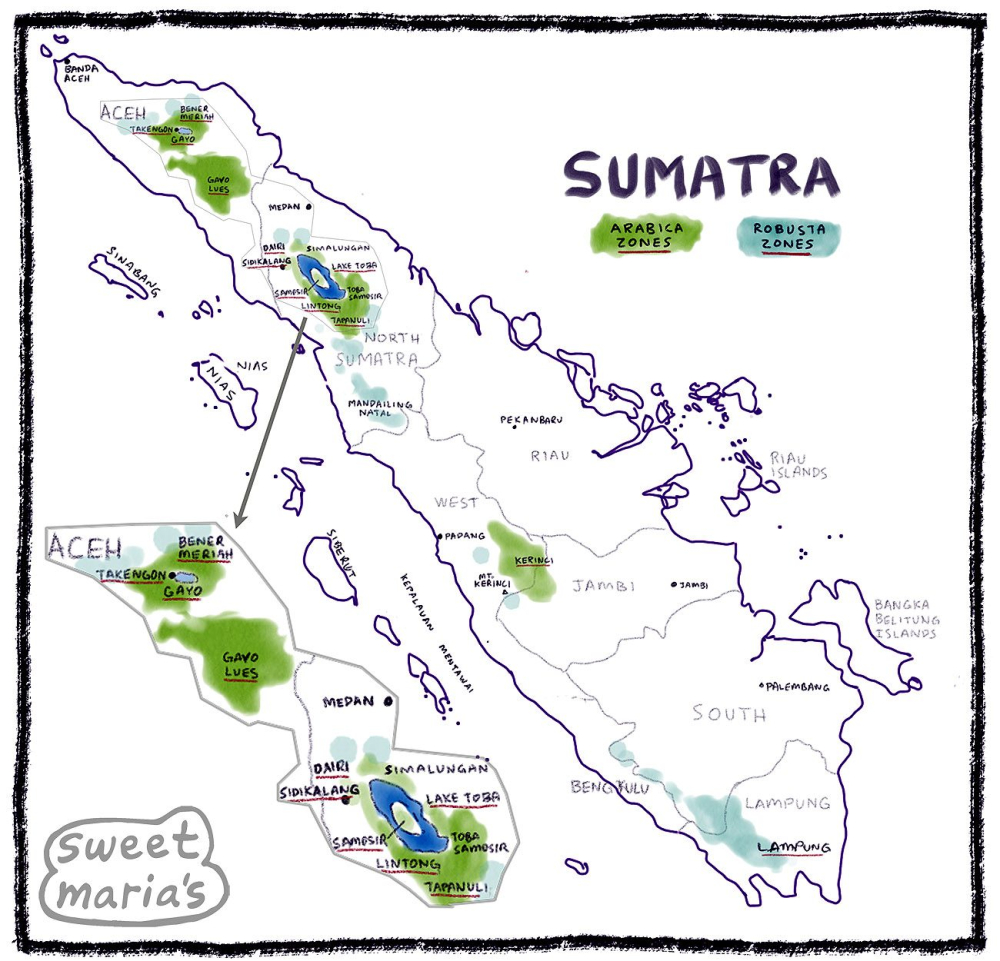
Sumatra has a fairly complex system for distinguishing the Mandheling it produces, which can usually be named by region, green bean trader, and processing method, thereby dividing Mandheling into different categories.
Here Front Street Coffee introduces the following two most worthwhile Mandheling coffees to order. One is the entry-level Front Street Lintong Mandheling, featuring the signature characteristics of wet-hulling, positioned as an everyday staple with very high value for money.
1. Front Street Lintong Mandheling
Lintong Mandheling refers to Mandheling coffee produced in the Lintong highlands of northern Sumatra. Lintong is located on the southwestern side of Lake Toba, at an altitude of about 1,000 to 1,500 meters, and the area is home to numerous volcanoes and volcanic lakes. Fertile volcanic soil combined with a tropical rainforest climate and abundant year-round rainfall allows coffee trees to grow vigorously.
Because it is wet and rainy year-round, the region cannot use sun-drying methods like African countries do, so Indonesians developed the unique wet-hulling method. After the coffee fruit is depulped, it is first fermented in water and the mucilage is washed off; the parchment-covered green beans undergo only a brief initial drying of just 2 to 3 days, and while the moisture content is still 20% to 24% and the beans are in a semi-soft, semi-hard state, the parchment is hulled off and drying continues. Mandheling coffee processed by the wet-hulling method has relatively low acidity and quite prominent body.
Unselected green beans of Lintong Mandheling can sometimes produce inconsistent results, but it largely preserves the flavor characteristics of Sumatran coffee—intense and powerful on the palate, with a unique spice and herbal aroma. For this reason, Front Street Coffee lists Lintong Mandheling as part of its high-value everyday staple bean series, allowing more people to easily experience the unique taste of Indonesian coffee.
Front Street Indonesian Lintong Mandheling Coffee Beans
Region: Sumatra, Indonesia
Grade: G1
Altitude: 1100m——1600m
Variety: Ateng TimTim
Processing method: Wet-hulling
Flavor: Nuts, spices, chocolate, caramel
2. Front Street PWN Golden Mandheling
When it comes to high-quality Mandheling, one cannot avoid the renowned PWN company, which can be called a headhunter for specialty Mandheling.
PWN specializes in purchasing Mandheling coffee and secures the better-quality batches locally in Indonesia, with most of its Mandheling reaching specialty grade. In addition, PWN has registered and holds the "Golden Mandheling" trademark, meaning that only Golden Mandheling produced by PWN counts as真正的 "Golden Mandheling." The Golden Mandheling on Front Street Coffee's bean list is precisely the specialty Mandheling produced by PWN.
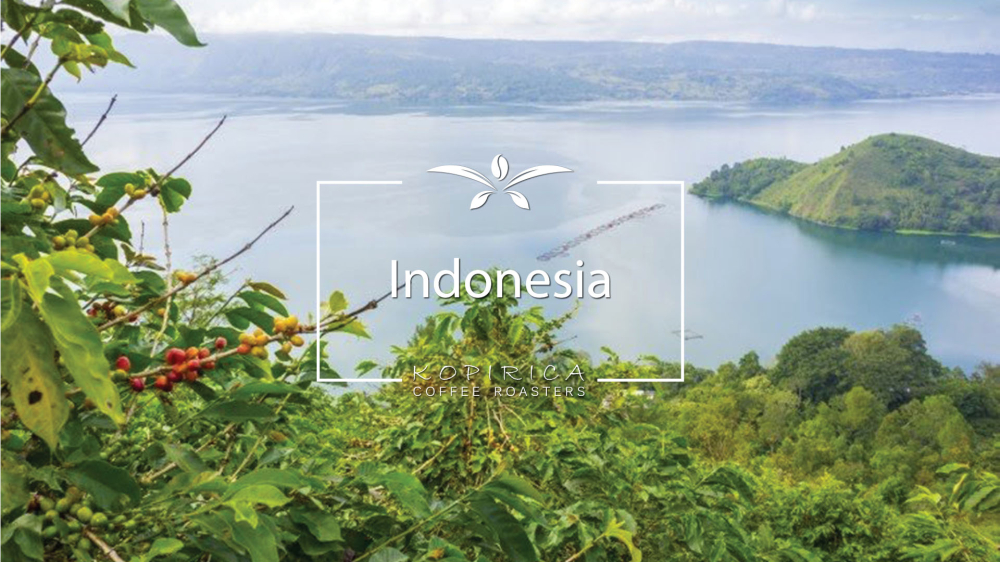
PWN invests a great deal of manpower in the green bean stage. First, it only purchases G1-grade Mandheling from the area around Lake Tawar in the Gayo highlands of northwestern Sumatra, then undergoes four rounds of hand sorting to ensure the beans' color, shape, and size are uniform and consistent. As a result, Front Street PWN Golden Mandheling tastes cleaner and clearer than ordinary Mandheling, with more pronounced body and sweetness. (According to Indonesian green bean standards, green beans above 18 screen size with fewer than 3 defective beans in a 300-gram sample qualify as G1 grade, the highest level of Indonesian green beans.)
Front Street PWN Golden Mandheling Coffee Beans
Region: Sumatra, Indonesia
Grade: G1, triple hand-sorted
Altitude: 1100m——1600m
Variety: Ateng
Processing method: Wet-hulling
Flavor: Nuts, spices, herbs, caramel
The above content is compiled by CoffeeHunters, a coffee news website.


