








What Separates Espresso From an Americano?
Espresso is made by forcing hot water under pressure through a compacted bed of finely ground coffee, producing a small, concentrated shot with a golden-brown foam layer. An Americano is that same shot diluted with hot water. Espresso appeared in the early nineteenth century, when Italians looked for a way to brew a rich cup in seconds rather than the ten-plus minutes immersion methods required.
Because extraction is fast and pressure is high, every variable matters: grind, dose, water temperature and time all change the result. Espresso also serves as the base for lattes and cappuccinos. For home brewing, Front Street recommends three espresso coffee beans covering bold, floral-fruity and mildly acidic styles, with set ratios for hot and iced Americanos.
Espresso and Americano are the two foundational concepts for coffee beginners. Although many people drink them regularly, they are not clear about their origins, brewing methods, or how they relate to each other. This article will systematically explain the extraction principles and historical background of espresso, explaining how it became the base for lattes, cappuccinos, and other fancy coffee drinks, while also tracing the origin story of Americano during World War II. In addition, the article will recommend three espresso coffee beans from the Front Street brand for different taste preferences, covering bold, floral-fruity, and mildly acidic styles, and provide specific ratios for making hot and iced Americanos, helping readers make a cup of Americano at home that suits their own taste.

Espresso and Americano are the two terms coffee newcomers hear most often, and they can be found in coffee shops almost everywhere in the world. However, quite a few people still can't tell the difference between the two, nor do they know how to make them at home. Today's article will address these questions.
Espresso, also known as espresso coffee
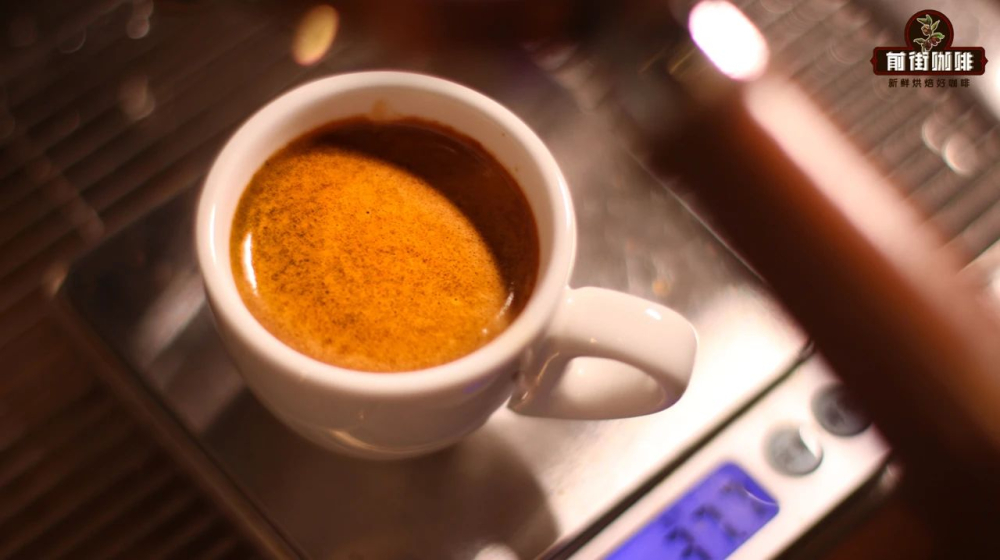
Espresso is made by using steam-generated pressure to force hot water rapidly through a bed of coffee grounds, producing a small cup of pure black coffee liquid with extremely high concentration, rich aroma, and a golden-brown foam layer on top. Although it is rarely listed directly on café menus, common drinks like Americanos, lattes, and cappuccinos all depend on it—it can be said to be the core of any coffee shop.
Early coffee brewing methods were mainly based on immersion, which required grinding coffee beans very finely and going through a lengthy extraction process lasting at least ten minutes or more. Espresso was born in the early nineteenth century, when Italians sought to get a rich cup of coffee in a short time and tried using steam pressure to accomplish the extraction. In just a few dozen seconds, high pressure pushes hot water into the coffee puck, extracting the soluble aromatic substances within. It is precisely because the extraction time is so short and the pressure so high that espresso's flavor expression is especially intense. To get a good-tasting espresso, the operation must be more rigorous, with every parameter that could affect the result carefully controlled.
When a customer orders by saying "I'll have an Espresso," the barista begins making it, and two minutes later serves a glass of water and a small cup of rich coffee with a golden-brown foam layer. Before drinking espresso, taking a sip of water first cleanses the palate and avoids affecting your taste perception. A standard espresso has abundant crema and a full-bodied mouthfeel, with specific flavors varying according to the coffee beans used. So, when making Americano at home, simply choose beans according to your own taste:
If you prefer a bold Americano, you can choose the bold and aromatic espresso moka pot coffee beans—Front Street Classic Blend coffee beans
Origin: Brazil, Indonesia, Vietnam
Roast level: Medium-dark roast
Flavor: Rich crema, high body, nuts, caramel, butter, dark chocolate
If you don't like bitterness and want an Americano with floral and fruity notes, you can choose Front Street Strawberry Candy Espresso Blend coffee beans
Origin: Costa Rica, Colombia, Ethiopia
Roast level: Medium roast
Flavor: Ripe grapes, jam, cream, rose, almond
If you like an Americano with acidity and no bitterness, you can choose Front Street Sun-Dried Huakui SOE coffee beans
Origin: Ethiopia
Roast level: Medium roast
Flavor: Berries, citrus, guava, dried mango, caramel
When tasting a freshly extracted espresso, Front Street will first smell its aroma—for example, an espresso made with Front Street Strawberry Candy Blend carries aromas of berries, rose, grapes, and almonds. It can be drunk directly or with added sugar, milk, or other additions.
Use the prepared metal spoon to stir gently, allowing the coffee liquid to blend evenly. The first sip reveals the dense crema and full roasted aroma. What follows is the warm coffee liquid, where you can sense the rich sweet-tartness along with flavors of cream, grapes, blueberries, and dried strawberries. Midway through, take another sip of water to appreciate the sweet lingering aftertaste left in your mouth.
Americano
Americano is a type of black coffee, made from espresso diluted with water, with no other additions. During World War II, coffee was very popular among American troops, but Americans were not accustomed to the strong, bitter taste of espresso, so they added water to dilute it to a concentration they could accept. Later, when Italians ran coffee shops in America, they followed local customs and introduced a "watered-down coffee" based on espresso, and this drink became widely popular ever since.
Americano has no fixed mixing ratio—every shop has its own standards, aimed at better presenting the coffee's flavor and mouthfeel. According to the 1:5 ratio that Front Street has determined through repeated testing, pour 40 grams of coffee liquid into 200 grams of hot water at 88°C, and the hot Americano is ready.
If you want to make an iced Americano, replace the hot water with 120 grams of ice cubes plus 120 grams of room-temperature water. The taste is best when enjoyed before the ice cubes have fully melted.
The above content is compiled by CoffeeHunters, a coffee news website.


