







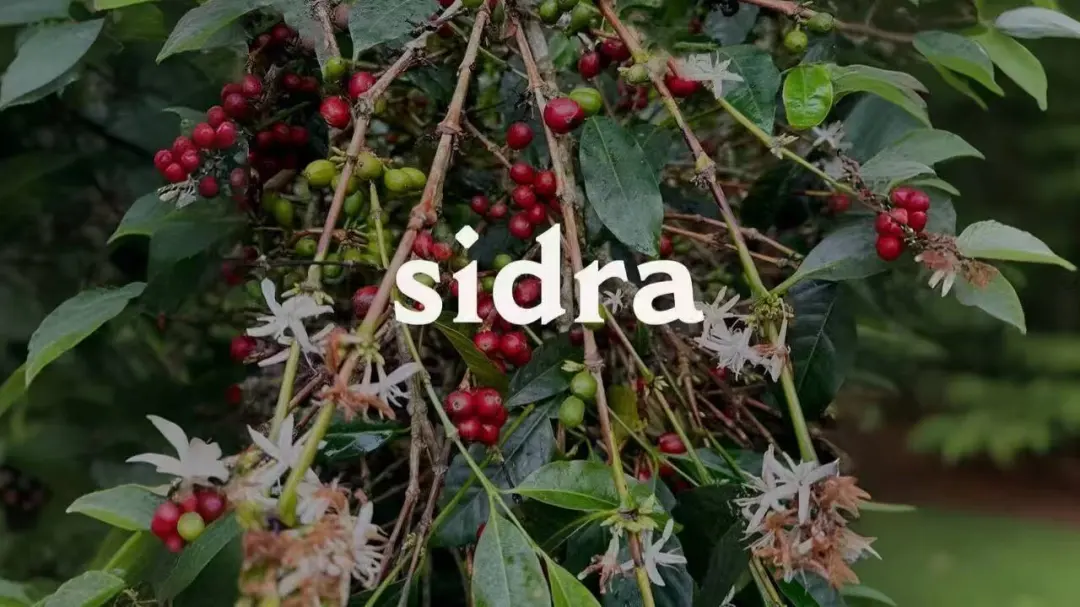
What Makes Sidra a Standout in Specialty Coffee?
Sidra became a highly watched variety in specialty coffee after the 2022 World Coffee Championships. It originated in Ecuador, and genetic identification places it closer to Ethiopian landraces. Its flavor profile is known for rich fruit notes and floral aromas, which is why it appears on many roasters' lists, including Front Street Coffee's offerings.
Front Street Coffee's Sidra comes from Colombia's Finca Diviso, uses anaerobic natural processing, and is the same coffee used by the champion competitor in 2022. Because the bean is more deeply fermented, it calls for a V60 three-pour method with specific parameters. The cup shows layers of grape, passion fruit, apricot, and florals.
Sidra rose to fame after the 2022 World Coffee Championships and has become a highly watched variety in the specialty coffee world. It originated in Ecuador, and genetic identification shows it is closer to Ethiopian landraces, with a flavor profile known for rich fruit notes and floral aromas. The Sidra in Front Street Coffee’s bean list comes from Colombia’s Finca Diviso, uses anaerobic natural processing, and is the same coffee used by the champion competitor at the 2022 World Coffee Championships. This article will sort out Sidra’s varietal background and genetic research conclusions, and, for this more deeply fermented bean, provide specific V60 three-pour brewing parameters and operational key points to help enthusiasts recreate at home the layered notes of grape, passion fruit, apricot, and florals.
If someone asks Front Street Coffee for a recommendation of a bean with a unique flavor, Sidra is often included among the answers. Ever since it shone again at the 2022 World Coffee Championships, this variety quickly became popular and is now a hot presence in the specialty coffee circle. The reason is not complicated—no matter how you look at it, Sidra is indeed special enough.
Today Front Street Coffee will talk about what characteristics the Sidra variety actually has, and how friends who have bought Front Street Coffee’s Sidra should brew it just right.
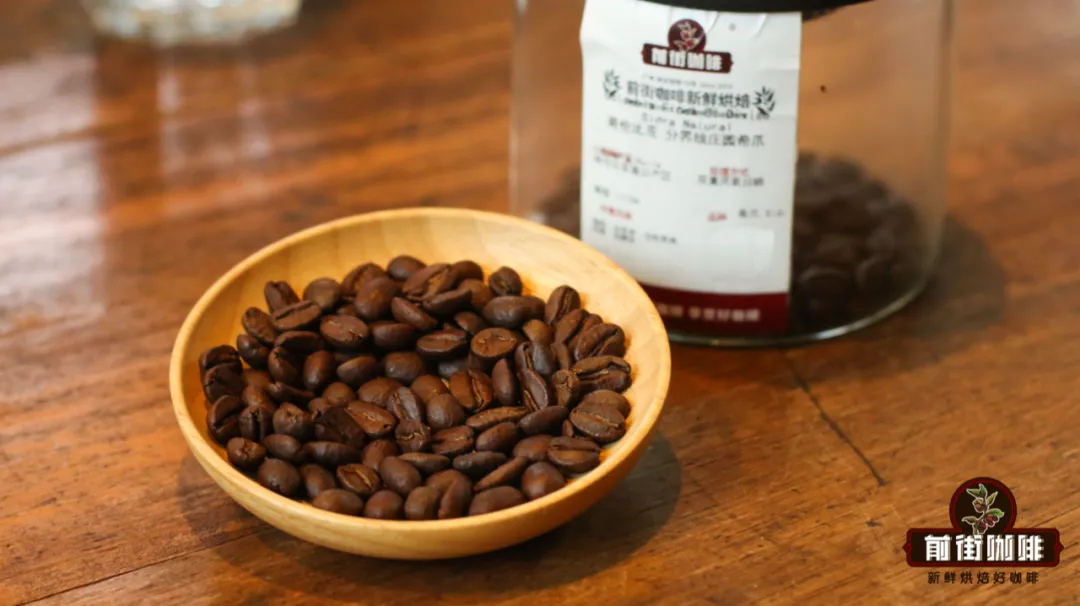
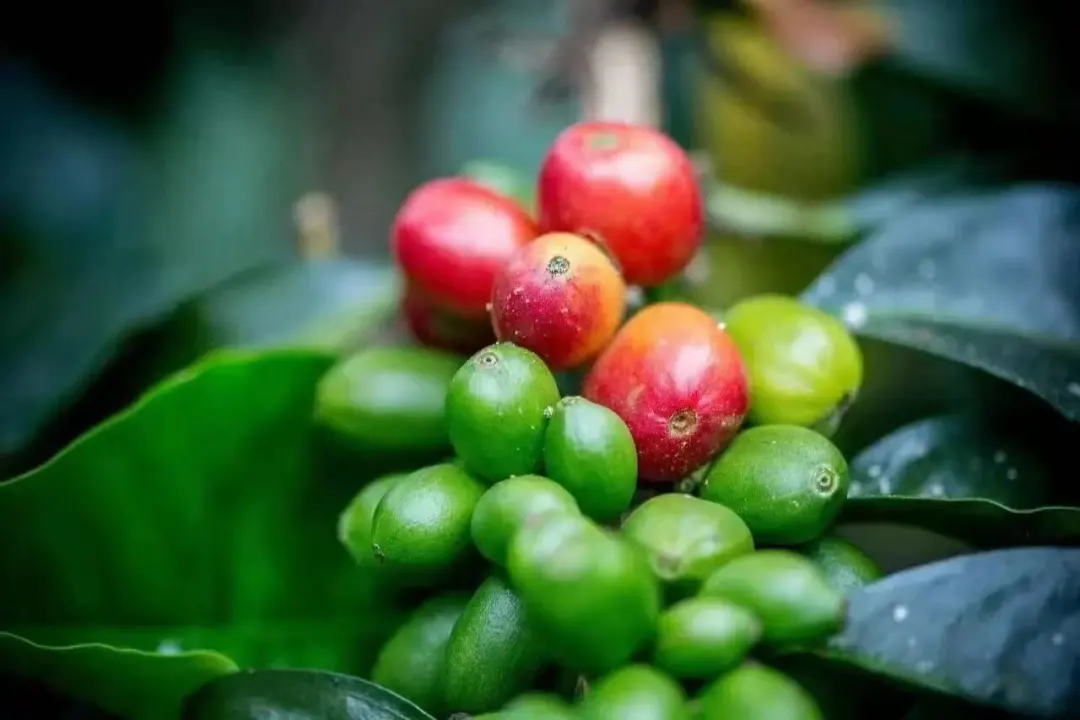
Sidra is a transliteration of “Sidra,” also written as “Sydra” or “Bourbon Sidra.” In Spanish, Sidra refers to “apple juice” or “cider.” According to information Front Street Coffee has found, Sidra first came from Ecuador and is an experimental variety. In its early years, Nestlé set up a coffee breeding center in Pichincha Province in northern Ecuador, specifically to cultivate hybrid varieties with excellent overall performance. Later, the related work was discontinued, and some of the hybrid varieties bred by that institution flowed into the fields, and Sidra is one of them.
Because the institution mainly crossed Ethiopian landraces with local Typica and Bourbon at the time, and Sidra itself has the morphological characteristics of Typica and Bourbon, local Ecuadorian coffee farmers generally regard it as a descendant of Typica and Bourbon.
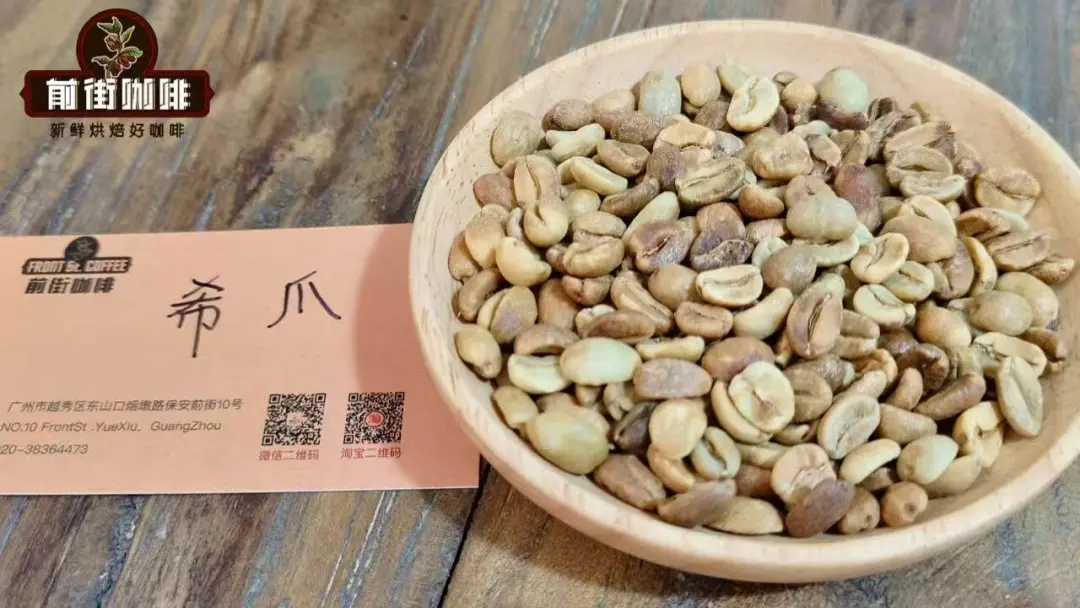
However, Mr. Han Huaizong mentions in The Fourth Wave of Specialty Coffee that the World Coffee Research center WCR and other institutions have conducted genetic identification on Sidra, and the conclusion shows it is closer to Ethiopian local landraces, especially pointed-seed Sidra. Sidra is divided into pointed-seed and round-seed types: round-seed refers to beans that are relatively round in appearance, and genetic testing results tend more toward a hybrid of Typica and Geisha; pointed-seed refers to beans that are longer and oval-shaped.
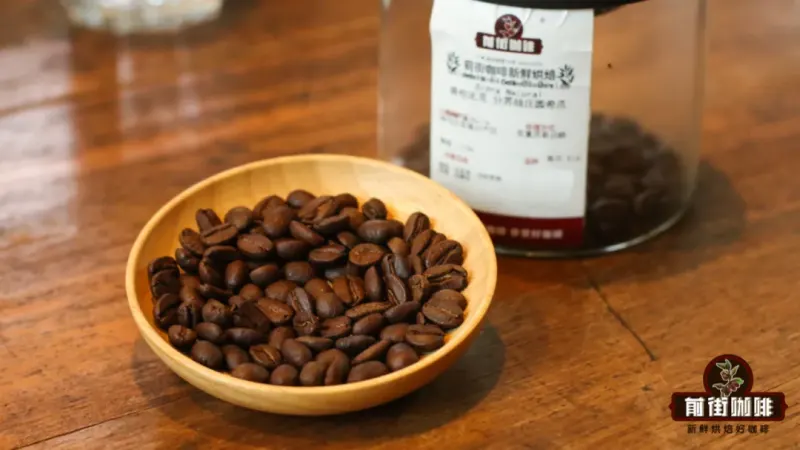
The genetic testing results of pointed-seed Sidra show that it does not contain Typica or Bourbon genes, and is closer to Geisha mixed with other genes or Ethiopian landraces, which also explains why its flavor is so outstanding. For example, in green bean competitions, high-quality Sidra often shares one common trait—both fruit notes and floral aromas are quite rich. The Sidra in Front Street Coffee’s bean list has exactly this characteristic. The Sidra in Front Street Coffee’s bean list is precisely the same coffee used by the champion competitor at the 2022 World Coffee Championships. It is produced at Colombia’s Finca Diviso, processed as anaerobic natural, and after brewing it is layered and uniquely flavored. Basically, as long as you prefer coffee with sweet-and-sour balance, after tasting this Sidra, you will most likely become a loyal fan of it.
However, because its fermentation degree is relatively deep, quite a few friends report that the flavor they brew at home is not as ideal as what they drink in the shop. Therefore, Front Street Coffee has specially written this sharing post to briefly introduce Sidra’s origins and development as well as the corresponding brewing method. Next, Front Street Coffee will talk about how to brew this Sidra from Finca Diviso well. The extraction parameters are as follows: Dose: 15g Coffee-to-water ratio: 1:15 Brewing temperature: 92°C Grind size: 75%~80% passing rate on a No. 20 sieve, Ek43 setting 9.5, fine granulated sugar particle size (slightly finer)
Filter used: V60 The brewing method is consistent with what Front Street Coffee has shared before. There is no need to be too rigid about how many pours to divide it into. As long as the final extraction time falls within the desired range, three pours, four pours, or five pours are all fine. Front Street Coffee generally uses a three-pour method. The first pour of the three-pour method is the bloom: pour water at twice the coffee dose and bloom and degas for 30 seconds.
After the bloom ends, use a moderate stream of water to pour the second stage of hot water in a large circular motion, pouring a total of 120ml in this stage. Note that anaerobically processed coffee drains faster, so the stream should not be too strong when pouring, to avoid an overly short extraction time and resulting in under-extraction.
When the second stage of hot water has mostly drained through, you can pour the third stage of hot water at the center of the coffee bed in a small circular motion with a moderate stream, pouring a total of 75ml in this stage. After pouring is complete, simply wait for the drip to finish, then remove the dripper and stop extraction.
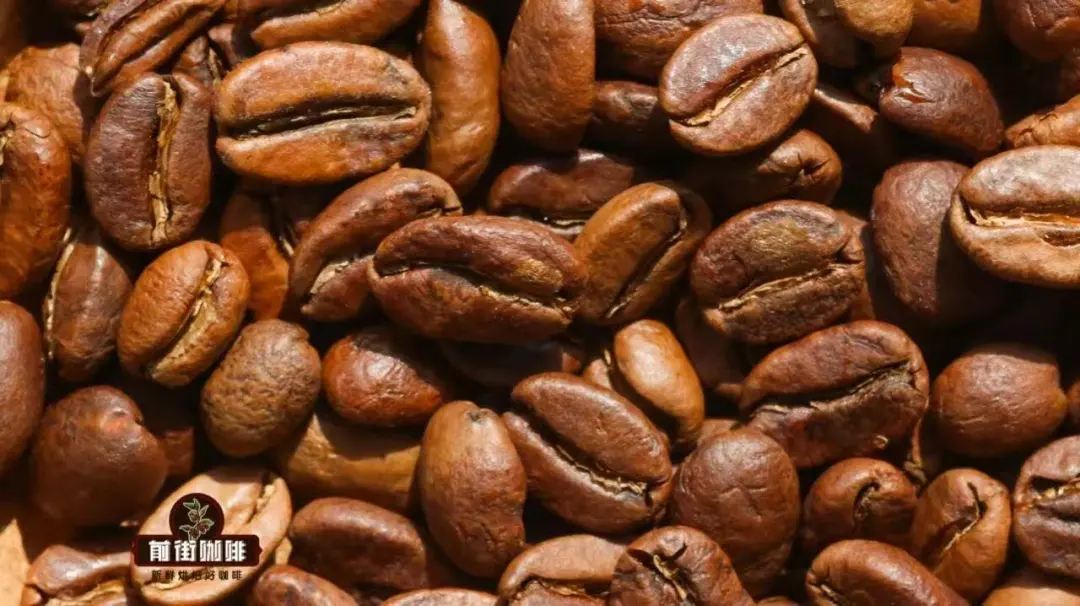
The total time is exactly 2 minutes. The Front Street Coffee Sidra brewed this way has an excellent sweet-and-sour performance, with prominent flavor and rich layering, carrying aroma characteristics of grape, passion fruit, apricot, florals, chocolate, and a little red wine.
If made as iced pour-over, the coffee’s bitterness will be further reduced, and it drinks very much like a glass of grape juice, quite good.
- END -
The above content is compiled by CoffeeHunters, a coffee news website.


