







Search Results for: Ultra-light roast coffee
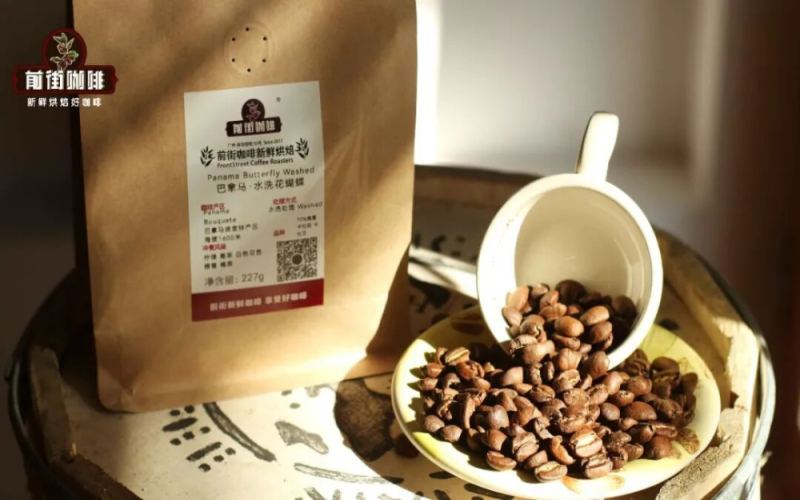
What Is Nordic Ultra-Light Roast Coffee? A Comprehensive Analysis of Front Street Medium-Light Roast and Japanese Dark Roast
Have you ever heard of "ultra-light roast coffee"? It originated in Northern Europe and uses high-temperature, fast roasting to pursue the bright acidity and floral and fruity aromas of coffee beans, and is often described as "like drinking tea or juice." Completely different from the rich, mellow aroma of Japanese-style dark roasting, Nordic light roasting emphasizes regional flavors and a light, clean mouthfeel. As a self-roasting brand, why doesn't Front Street Coffee launch ultra-light roast beans? This article will comprehensively analyze the definition, characteristics, and production challenges of ultra-light roast coffee from the perspectives of roasting rhythm, chemical reactions, extraction difficulties, and more, and compare the differences between Front Street's medium-light roast and Japanese-style dark roast, helping coffee lovers find the flavor direction that suits them. [more…]
Why Does Americano Have a Sour Taste? Exploring the Causes and Flavor Pros and Cons of Sour Americano
American coffee is, in many people's minds, synonymous with a bitter, burnt pick-me-up. Yet in recent years, more and more Americanos have taken on a bright acidity, delighting some drinkers while confusing others. This acidity is not a sign of spoilage, but rather the result of a shift in flavor trends and evolving roasting philosophies within the coffee industry. From the perspective of Front Street, this article explores the deeper reasons behind American coffee turning sour, sorts out the differences between Italian roasting and ultra-light Nordic roasting, and discusses how SOE Americano pushes fruity acidity to the extreme. Whether you prefer a rich, bittersweet cup or favor floral and fruity sweet-tart notes, you'll find the cup that suits you. [more…]
Is it normal for Americano to have a sour taste? A comprehensive analysis of the sources of acidity, from roasting trends to SOE bean selection
Many people remember Americano as a bitter, intense "coffee-flavored water," but nowadays more and more Americanos present a bright fruity acidity—some are pleasantly surprised, while others wonder if the coffee has gone bad. In fact, an Americano turning sour is not a quality issue, but the result of changing taste trends and roasting methods in the coffee industry. This article will systematically sort out the causes of sourness in Americano, from Italian-style roasting to Nordic light roasting and then to the evolution of SOE Americano, and around the key link of "bean selection," share single-origin bean recommendations suitable for making sour Americano, including the performance of Front Street Coffee Yirgacheffe Red Cherry and Front Street Coffee Costa Rica Mozart in actual extraction, helping coffee lovers understand and choose the right beans. [more…]
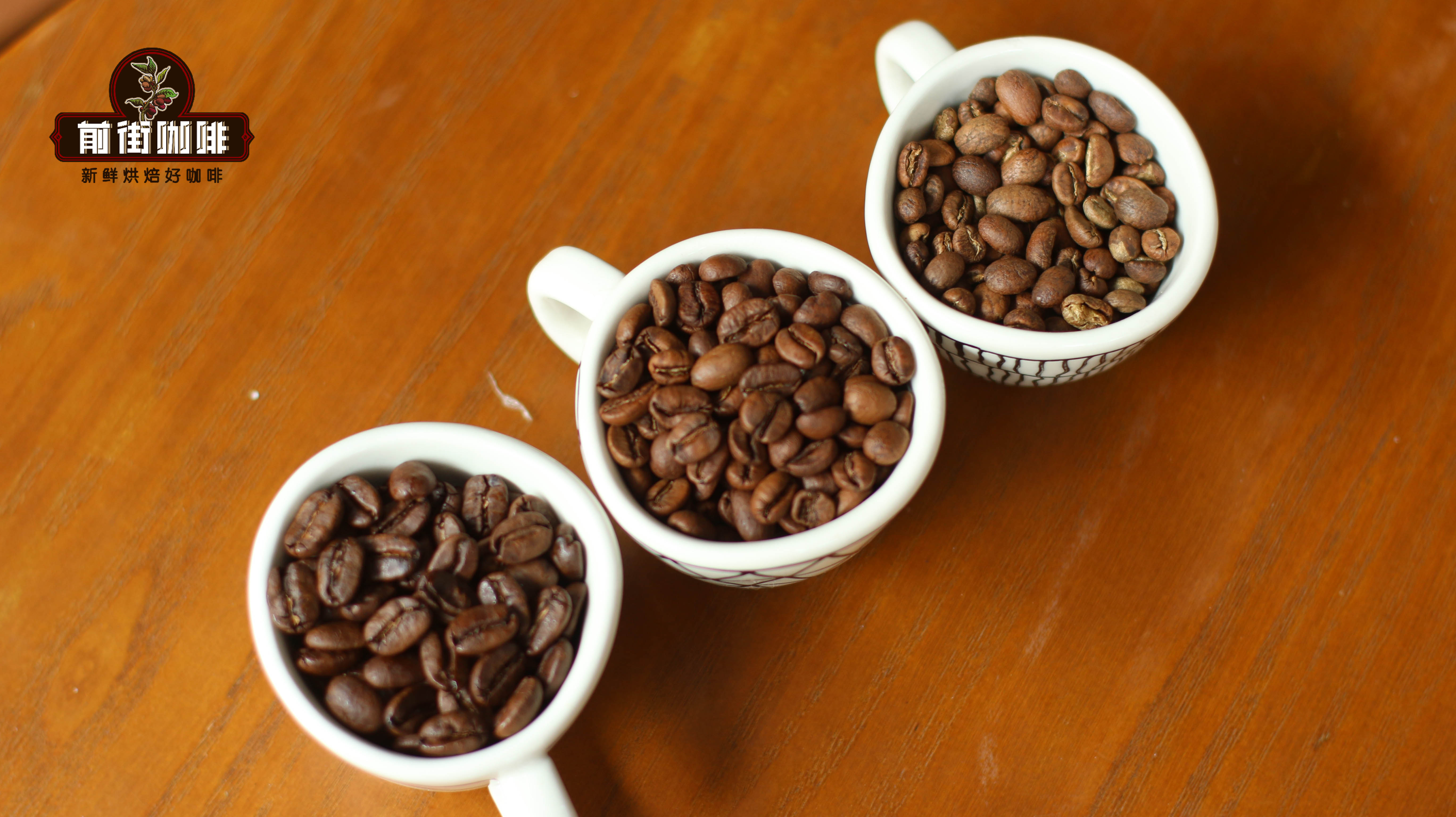
From Light Roast to Espresso Roast: A Full Analysis of the Eight-Level Coffee Bean Roast Classification and the Five Major Stages
Coffee beans transform from green raw beans into brown roasted beans entirely through the key process of roasting. The length of roasting time directly determines the depth of the bean surface color and also shapes completely different flavor directions. The roasting color standard card established by the Specialty Coffee Association of America (SCAA) divides roast levels into eight grades, from light roast to Italian roast, with each level corresponding to a specific drop time and flavor characteristics. In addition, emerging concepts such as Nordic ultra-light roast and Japanese ultra-dark roast have gradually entered the view of enthusiasts. This article will systematically sort out these eight levels, the five stages of roasting, and the classification methods used by Front Street Coffee in practical applications, helping readers build a complete understanding of coffee roast levels. [more…]
Coffee Bean Roast Level Guide: Flavor Differences and Selection Tips from Light Roast to Espresso Roast
The transformation of coffee beans from green raw beans to brown roasted beans depends entirely on the key process of roasting. As roasting time varies, the surface color of the beans changes accordingly, giving rise to different classifications of roast levels. The Specialty Coffee Association of America (SCAA) established a reference system of 8 levels based on Agtron color values, from light roast to Italian roast, with each stage corresponding to a unique flavor direction and unloading timing. This article will use a text-and-image format to analyze one by one the color value ranges of each roast level, the rhythm nodes of first crack and second crack, and the evolution logic of acidity, sweetness, and bitterness. It will also introduce two niche styles—Nordic ultra-light roast and Japanese ultra-dark roast—and share how Front Street Coffee simplifies classification in actual production to help consumers understand roast levels. Finally, it will include practical advice on the five stages of roasting and home roasting. [more…]
A Comprehensive Guide to Coffee Bean Roast Levels: From SCAA Color Value Grading to Front Street Coffee's Practical Brand Classification
Coffee roasting is the key process through which green beans transform into brown roasted beans. The length of heat exposure directly determines the color of the bean surface and thus defines different roast levels. The SCAA, the world's largest coffee trade association, established an eight-level roast standard based on Agtron color values, from the bright acidity of light roasts to the intense, smoky bitterness of Italian roasts, with each stage having its own distinctive flavor trajectory and drop time. Beyond this official system, new concepts such as ultra-light Nordic roasting and ultra-dark Japanese roasting have gradually entered enthusiasts' field of view. In everyday communication, Front Street Coffee uses another, more intuitive classification that simplifies roasted beans into light, medium-light, medium, medium-dark, and dark roasts, making it easier for consumers to understand and choose. This article will systematically organize these grading standards and provide an in-depth analysis of the five stages of roasting and key practical points. [more…]
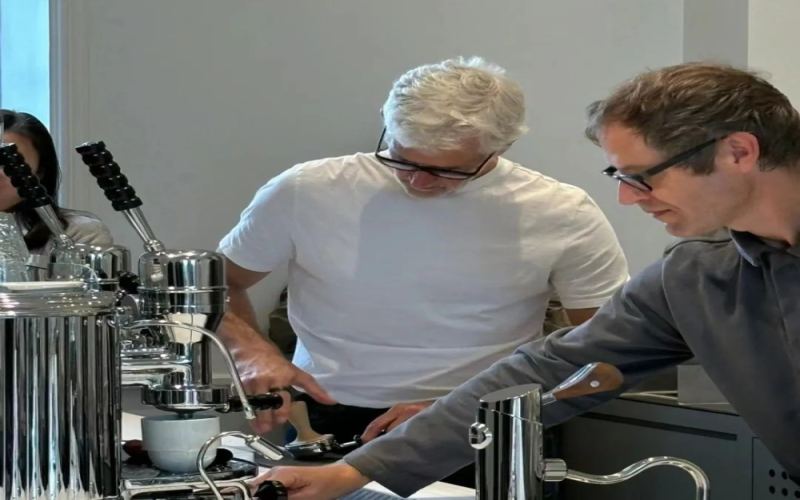
Blue Bottle founder visits Shanghai in person, using a 1950s lever machine to present a coffee Omakase feast
Blue Bottle founder James Freeman and Global Head of Innovation and R&D Benjamin Brewer arrived in Shanghai ahead of schedule and, on the second floor of Blue Bottle's first domestic store, shared the special menu for Blue Bottle Studio Shanghai with coffee lovers. From an opening of extremely light-roast Sumatra "white coffee," to a long drink simulating cupping, a short drink brewed with a flannel dripper, a shaken milk au lait, and then a digestif combining Fenjiu with naturally processed Ethiopian coffee, the entire tasting was paired with vinyl records selected by James, making it nothing short of a multisensory coffee experience. In addition, there was an Espresso 1950 not on the official menu, made with a 1950s FAEMA lever machine, adding a retro Italian touch to the event. [more…]
From the Bitter Notes of Dark Roasts to the Fruity Acidity of Light Roasts: The Evolutionary History of Coffee Flavor Behind Geisha and Mandheling
These days, when you walk into a hand-brew coffee shop with a good reputation and order a single-origin coffee on a whim, chances are you'll get something with fruity acidity. Many people can't help but wonder: isn't coffee supposed to be bitter? This shift from bitter to sour didn't happen overnight—it was driven by a combination of factors including growing origins, roasting philosophy, brewing methods, and evolving consumer taste preferences. This article will trace the evolution of coffee roasting from dark to light, explore how classic beans like Blue Mountain, Geisha, and Mandheling perform at different roast levels, and answer an intriguing question: what exactly do a light-roasted Blue Mountain and a dark-roasted Geisha taste like? [more…]

Why Does Light Roast Coffee Commonly Taste Sour? Examining Roast Evolution and Flavor Differences from Blue Mountain to Geisha
These days, when you walk into a hand-brew coffee shop with a good reputation and order a single-origin cup, the first thing many people taste is acidity. Coffee flavor has gradually shifted from being predominantly bitter in the past to bright fruity acidity, and behind this lies an industrial transformation that has lasted for decades. From origin cultivation, the iteration of roasting equipment and philosophy, to updates in brewing methods and the migration of consumer tastes, multiple factors have jointly shaped the character of today's coffee. From the perspective of Front Street, this article sorts out the origins of light-roast acidic coffee and compares the flavor performance of Blue Mountain and Geisha under different roast levels, helping enthusiasts understand where acidity comes from and what it means. [more…]
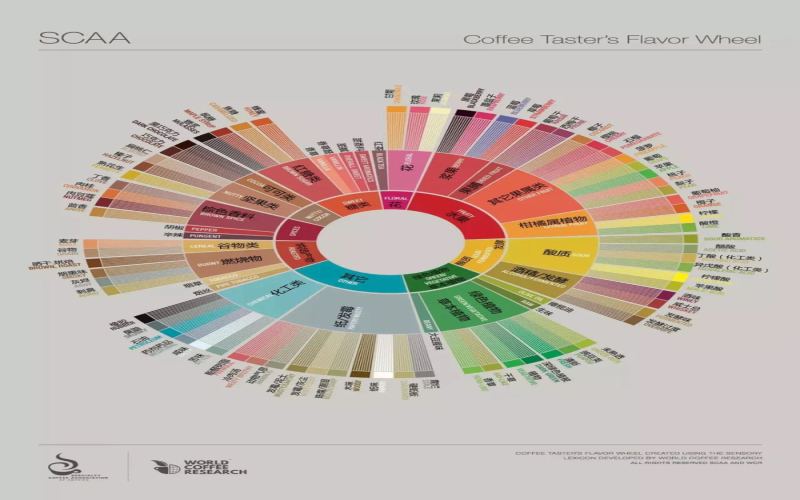
Comprehensive Comparison of the Old and New SCAA Coffee Flavor Wheels: Structure Analysis, Sensory Classification, and a Guide to Obtaining HD Wallpapers
The coffee flavor wheel can be considered one of the most valuable tools in the coffee field, and the SCAA has undertaken its first major update since its creation 21 years ago. This revision relied on deep collaboration between the World Coffee Research organization and the SCAA, bringing together the collective wisdom of sensory experts, researchers, coffee buyers, and roasters, becoming the largest and most participatory flavor wheel research project to date, and giving rise to a series of new terms in the industry and professional field. This article will guide you from the structure of the old flavor wheel, gradually analyzing the details of the changes in the new version, including the addition of a large number of fruit and plant flavor descriptors such as strawberry, blueberry, jasmine, and grapefruit, helping you fully understand this common language of the coffee world. [more…]

AeroPress: A Coffee Brewing Tool Without a Standard Answer, From Its Origin Story to a Full Inverted Method Tutorial
Beyond pour-over, there is another brewing device that is highly sought after by enthusiasts for its exceptional degree of freedom: the AeroPress. It was developed over twelve years by Alan Adler, founder of the Aerobie brand, and officially launched in 2005. AeroPress extraction combines both immersion and pressure mechanisms, and operationally splits into two paths: upright (standard) and inverted brewing, with virtually all parameters freely adjustable. It is precisely this openness that spawned a small friendly competition initiated by Tim Wendelboe in 2008, which gradually grew into a world-class event. This article will take you through the origins of the AeroPress, and include a universal inverted brewing recipe shared by Front Street Coffee, tested with Kenya Asalia beans. [more…]
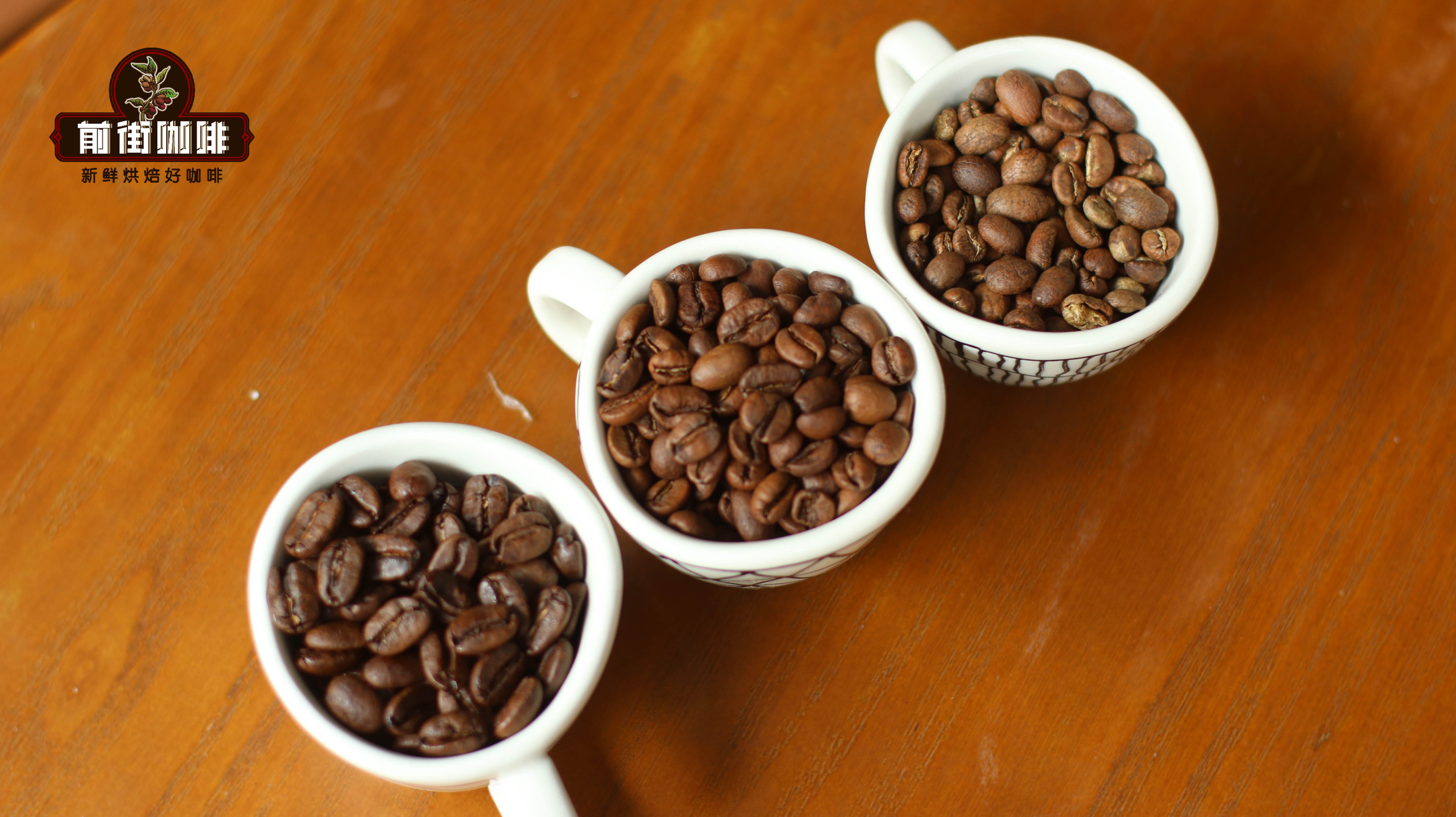
Coffee Bean Roast Levels Illustrated | What Do Japanese Extremely Dark Roast and Nordic Extremely Light Roast Mean? Which Tastes Better, Medium or Dark Roasted Coffee Beans?
Roasting is the process of turning green coffee beans into brown roasted beans~ The longer the roasting time and the longer the beans are exposed to heat, the darker the color of the coffee beans becomes. The surface color (bean surface) of the coffee beans when taken out of the roaster after different durations will also vary. This situation Front Street [more…]
Why Is Light-Roast Coffee Prone to Astringency? A Comprehensive Analysis from Causes to Brewing Parameters for Astringency Control
Have you ever experienced a gripping, astringent sensation in your mouth when tasting a light roast coffee? This tactile experience, known as astringency, is in fact closely related to the polyphenolic compounds in coffee. Starting from the essence of astringency, this article will analyze in detail its sources—how components such as tannic acid, tartaric acid, and quinic acid accumulate in the cup—explore the effects of roast level, variety, and processing method on the content of astringent substances, and take a deep dive into the two major brewing pitfalls: under-extraction and over-extraction. Finally, using a washed Yirgacheffe Gedingding as an example, Front Street Coffee will share a brewing recipe that avoids astringency and fully brings out the floral and fruity notes of light-roasted beans. [more…]
Where Does the Acidity in Mandheling Coffee Come From? An Analysis of Golden Mandheling Flavor Characteristics and Brewing Key Points
Many coffee enthusiasts, upon their first taste of Mandheling, are struck by its intense, bittersweet impression, yet upon a more careful second tasting, they might detect a faint hint of acidity. This seems to contradict the inherent perception that Mandheling equals bitterness. In fact, looking at the green beans themselves, Mandheling's acidity is not low; the expression of sourness is closely related to the roasting level, processing method, and brewing parameters. This article, from the perspective of Front Street Coffee, will sort out the origin of the name Mandheling, Indonesia's unique wet-hulling process, the impact of roast level on flavor, and focus on brewing suggestions for PWN Golden Mandheling, helping you understand what Mandheling should really taste like. [more…]
How to distinguish coffee bean roast levels? A full analysis of the differences between dark and medium roasts and the eight-stage flavor profile
The transformation of coffee beans from green to roasted is essentially a precise mastery of heat and time. Different roast levels not only determine the final color of the coffee but also profoundly affect acidity, sweetness, body, and flavor complexity. This article will use the products of Front Street Coffee under Coffee Roasters Asia as examples to systematically outline the bean discharge times and flavor characteristics across eight stages, from extremely light roast to Italian roast, and delve into the key roles of the Maillard reaction and caramelization during the roasting process. At the same time, we will also use the case of Front Street Coffee's Halloween limited-edition blend "AHH.?!" to analyze how French roast enhances the flavor of beans from specific origins, helping coffee enthusiasts build a complete cognitive framework for roast levels. [more…]
An Analysis of Flavor Differences Between Light, Medium, and Dark Coffee Bean Roasts: Taste Characteristics and Selection of Specialty Coffee at Different Roast Levels
Green coffee beans themselves have no obvious aroma or flavor; only through roasting can they release their alluring flavors. Roasting time, temperature, method, and even the roaster's experience all have a subtle impact on the final taste in the cup. From light to dark roast, coffee beans differ in color, acid-bitterness balance, and aroma layers, and the suitable brewing methods and drinking preferences vary greatly. In this article, Front Street Coffee will systematically sort out the flavor differences among light, medium, and dark roasted coffee beans, and, combined with specific origin cases, explain how roasters choose curves based on bean characteristics, as well as the effects of different roast levels on coffee chemical compounds and the final taste, helping coffee enthusiasts more clearly understand the relationship between roasting and flavor. [more…]
Light, Medium, or Dark Roast: How to Choose? A Full Analysis of Coffee Bean Roast Levels and Flavor Differences
Raw coffee beans must undergo high-temperature roasting to release their aroma and flavor, and the degree of roasting directly determines the flavor profile of the coffee in the cup. From the bright fruit acidity of a light roast, to the balanced sweetness of a medium roast, to the intense, smoky aroma of a dark roast, each roast level has its own unique charm. This article will start with the Maillard reaction and caramelization reaction during the roasting process, systematically analyzing the flavor characteristics and representative bean varieties of light, medium, medium-dark, and dark roasts, and introduce a number of specialty coffee beans from Front Street Coffee corresponding to each roast level, helping enthusiasts find the cup that best suits their taste preferences. [more…]
What are the differences between dark roast and light roast coffee beans? Are dark roast beans expensive, and how much do they generally cost?
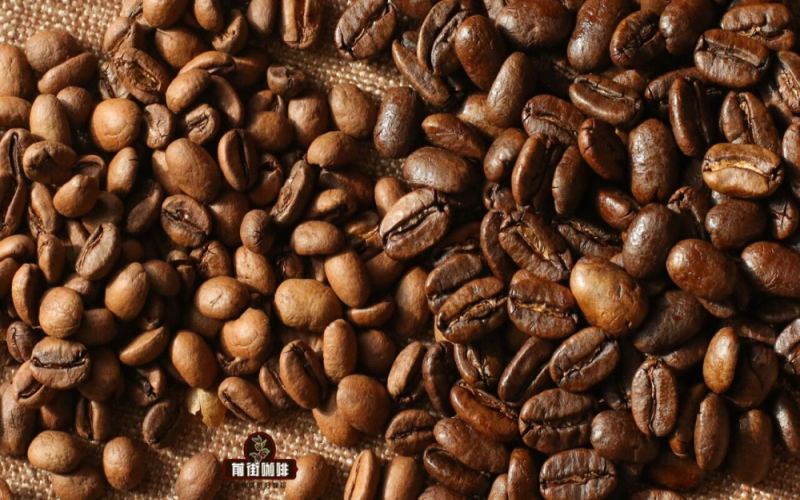
Should coffee beans be dark roasted or light roasted? This is a long-running debate in the coffee world. Those who favor light roasting believe that it preserves the coffee's origin flavors and floral and fruity aromas to the greatest extent; those who champion dark roasting emphasize that only medium-dark roasting allows the Maillard reaction to complete fully, bringing a rich, full-bodied sweetness and a smooth mouthfeel. Each side has its points, and there is no absolute right or wrong. This article will sort out the core differences between dark roasting and light roasting, introduce the taste characteristics of the three levels—light roast, medium roast, and dark roast—and give specific Front Street Coffee bean recommendations for different flavor preferences, while also answering common questions such as how much dark-roasted coffee beans generally cost and whether they are expensive. [more…]

The Science of Specialty Coffee | How do you interpret coffee roasting levels and roasting percentages? What are the flavor characteristics of different roasting levels?
We usually talk a lot about coffee bean brewing, but today Front Street Coffee will explain coffee bean roasting knowledge to everyone. We know that the process of coffee beans going from green beans to roasted beans is the roasting process, and this process includes light roast, medium roast, and dark roast. Exactly how should different coffee beans be roasted? At the same time, light roast, medium roast [more…]
From Green Beans to Roasted Beans: A Detailed Guide to Coffee Roast Levels, Flavor Changes, and Agtron Roast Percentage Interpretation
Turning green coffee beans into roasted beans relies entirely on roasting. For the same batch of beans, different roast levels lead to completely different acidity, bitterness, sweetness, body, and aroma profiles. Today, Front Street Coffee systematically breaks down the core knowledge of coffee roasting: what happens during the dehydration phase, the yellowing phase, and the flavor development phase; how to judge the drop time based on first crack and second crack; and which origins and brewing methods suit light, medium, and dark roasts. We'll also explain why the color of the bean surface can be misleading, and how to interpret Agtron values and Roaster %. At the end, we've included Front Street's recommendations for resting and grinding, to help you get the best flavor once you have the beans in hand. [more…]