







How does roasting change a coffee green bean?
A coffee green bean has no drinkable flavor on its own; it must be roasted above 200°C before it can be brewed. The roasting process drives the Maillard reaction and caramelization, and how far those reactions go sets the cup's direction. Light roasts keep bright fruit acidity and origin character, medium roasts land on balanced sweetness, and dark roasts build intense caramelized, bittersweet notes.
Roast duration tracks roast depth, so the same bean can taste entirely different at each level. Before the third wave, commercial beans were roasted darker because lighter profiles read as sour or underdeveloped. Better cultivation and post-processing now let light roasts show clean regional flavor, while dense second-crack roasting can bury delicate citrus and floral notes found in beans like those from Ethiopia.
Coffee green beans must undergo high-temperature roasting to release their aroma and flavor, and the degree of roasting directly determines the flavor direction of the coffee in the cup. From the bright fruit acidity of light roasts, to the balanced sweetness of medium roasts, to the intense caramelized aroma of dark roasts, each roast level has its own unique charm. This article will start with the Maillard reaction and caramelization reaction during the roasting process, systematically analyzing the flavor characteristics and representative beans of light, medium, medium-dark, and dark roasts, and introducing several specialty coffee beans from Front Street Coffee corresponding to each roast level, helping enthusiasts find the cup that best suits their taste preferences.
For more specialty coffee knowledge, please follow: Front Street Coffee (Frontsteet Coffee)
Coffee is a beverage brewed from coffee beans. Front Street has always felt that the most unique aspect of coffee is that green beans must be roasted before they can be used to make it, and the roasting temperature can reach above 200°C, far higher than the roasting temperature of nut-based foods. The length of roasting time is also closely related to the depth of the roast, so different roast levels bring different flavors and mouthfeels.
Before the arrival of the third wave of specialty coffee, that is, from the 1970s to the 1990s, the market was dominated by commercial coffee beans, and the concept of specialty coffee did not yet exist. If commercial beans were light-roasted or medium-roasted, they often tasted very sour, and were even mistaken for being underroasted. With the third wave, light roasting began to become popular, and along with advances in coffee cultivation and post-processing techniques, we were able to drink coffee that was cleaner, sweeter, and more focused on regional flavor. Light roasting can showcase the origin characteristics of coffee. For example, a bean with citrus floral notes, such as beans from Ethiopia, if roasted to a dense second crack, these delicate good flavors will be completely lost.
Why does coffee need to be roasted?
Coffee was originally just the seed of a fruit, and after processing it becomes green coffee beans, and only after roasting can green beans bring out their internal flavors. Different roasting methods will make the same bean present completely different flavor profiles. Why do green beans produce flavor after high-temperature roasting? The reason lies in a series of chemical changes that occur during the roasting process, explained in detail below.
[Maillard Reaction]
This reaction begins at about 150°C, at which point the coffee beans are still absorbing heat and continue to release heat during roasting. Heat causes the carbohydrates and amino acids in the beans to react, bringing changes in color, taste, and nutritional components. The color change mainly comes from the formation of melanoidins. These substances not only turn the coffee beans brown, but also affect the coffee's taste and body. During the Maillard reaction stage, even slight changes in temperature and time can have a significant impact on the final flavor.
Coffee that takes longer in the Maillard reaction will have somewhat increased viscosity; while a shorter Maillard reaction time can retain more sweetness and acidity, because if the reaction time is too long, the fruit acids and those acids that could have been converted into sweetness will all be destroyed.
When Front Street Coffee's roasters experiment with roasting coffee beans, they also adjust the length and intensity of the Maillard reaction and record the effects of these changes on the final flavor.
[Caramelization Reaction]
When heated to about 170°C, heat causes a large number of complex carbohydrates to break down into smaller sugar molecules soluble in water, which means the sweetness of the final brewed coffee will increase.
This reaction continues until the end of roasting, and it also helps form the sweet aromas in coffee, such as caramel and almond notes. Through the Maillard reaction and caramelization reaction, everyone can understand how the reactions produced by coffee roasting affect the flavor of a cup of coffee. I once heard someone say that among the factors affecting a cup of coffee, green beans account for about 70%, roast level 20%, and brewing 10%.
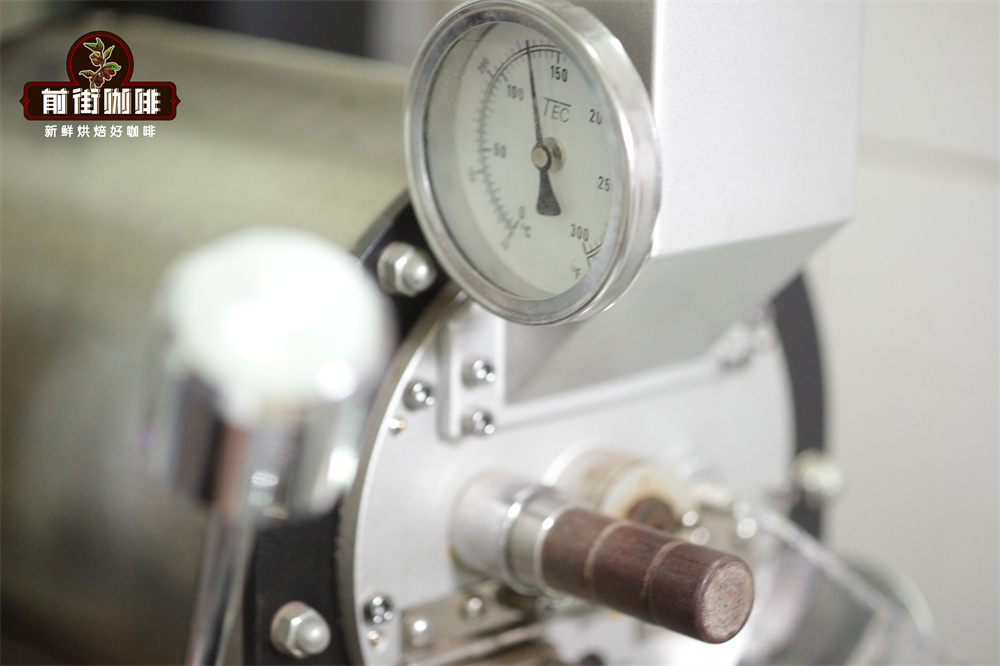
Only in the high-temperature environment of roasting can coffee beans display such strong aroma and rich mouthfeel and flavor. As roasting time and temperature change, the same coffee bean will present diverse and different profiles.
Broadly, it can be divided into three major categories: light roast, medium roast, and dark roast.
But the subtleties of mouthfeel further subdivide it into eight levels: Light Roast to Italian Roast.
Light roast: Light Roast and Cinnamon Roast have a strong aroma and obvious fruity acidity.
Medium roast: Medium Roast, High Roast, and City Roast have more coffee bean aroma, sweetness, and slight fruity acidity, typical of Viennese coffee flavor.
Dark roast: Full City Roast, French Roast, and Italian Roast have a strong caramel flavor and a rich, intense mouthfeel.
The roast level of a coffee bean has, to a large extent, already determined the direction of the bean's flavor expression. Coffee bean roasting can be simply divided into three levels: light roast, medium roast, and medium-dark/dark roast. "Light Roast / Cinnamon Roast"
Drop time: from the start of first crack to dense first crack
Flavor: The bean surface is cinnamon-colored. At this point the grassy flavor has been removed, the acidity is strong, and there is a slight aroma. It is often used to brew Americano.
Representative light-roast coffee — Front Street. Sun-dried Huakui Coffee Beans
Region/Processing station: Sidama, Hambela, Buku Abel Processing Station
Growing altitude: 2250-2350m
Processing method: Sun-dried processing
Variety: Ethiopian heirloom varieties
Flavor description: passion fruit, fermented wine aroma, strawberry, jackfruit
"Medium Roast"
Drop time: between dense first crack and the end of first crack
Flavor: The bean surface is chestnut-colored. The mouthfeel is light, somewhat sour with bitterness, and the aroma is moderate. It retains the original flavor of the coffee beans and is often used for Americano or blended coffee.
Representative medium-roast coffee — Front Street. Brazil Cerrado Coffee Beans
Region: Brazil Cerrado
Growing altitude: 1600m
Processing method: Semi-washed processing
Variety: Red Bourbon
Flavor description: mixed nuts, cream. It is a balanced-flavor coffee with a typical Costa Rican coffee style.
"Medium-dark Roast / City Roast"
Drop time: after the first crack, that is, between the first and second crack
Flavor: The bean surface is light brown. The mouthfeel is bright and lively, with a balance between acidity and bitterness while the acidity is somewhat lighter, and it releases the high-quality flavors in the coffee. It is the standard roast level and also the roast level most loved by the public.
Representative medium-dark roast coffee — Front Street. Front Street PWN Golden Mandheling Coffee Beans
Region/Estate: Indonesia Sumatra PWN
Growing altitude: 1700m
Processing method: Wet-hulled processing
Variety: Ateng
Flavor: herbs, spices, nuts, caramel, dark chocolate
"Dark Roast / Italian Roast" Also called "Italian roast"
Drop time: from the end of second crack until the bean surface turns black and oily
Flavor: The bean surface is black with an oily sheen. Before the coffee bean fibers carbonize, the mouthfeel is intense and complex, the taste is powerful, and it carries a strong roast and caramelized aroma. It is mainly popular in Italy and is mostly used for espresso. Although Front Street has not launched coffee at this roast level, if you want to try this rich Italian coffee flavor, buy Front Street Classic Blend.
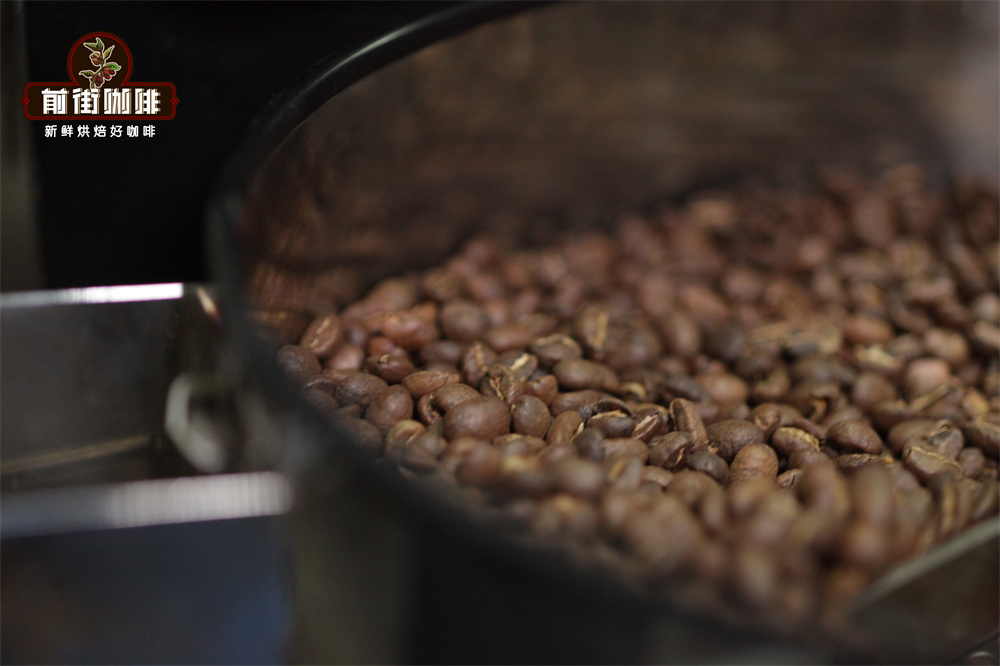
- Front Street Classic Blend Espresso Coffee Beans -
Region: Brazil Cerrado + Indonesia Mandheling + Vietnam Robusta
Processing method: Semi-washed processing + wet-hulled + washed
Variety: Red Bourbon + Ateng + Robusta
Flavor description: rich crema, caramel, butter, roasted hazelnut, milk chocolate
The above content is compiled by CoffeeHunters, a coffee news website.


