







Why Does Sour Coffee Dominate Modern Light Roasts?
Light roast coffee commonly tastes sour because roasters now develop beans less, preserving the fruity acids that darker roasting once burned away. Since roughly 2000, the industry shifted from dark-roast bitterness toward bright acidity, driven by changes in origin cultivation, roasting equipment, brewing methods, and consumer tastes. The sourness is not a defect but the intended result of a lighter roast profile.
Roast level decides how much acidity survives. Drum roasters, refined by German makers between 1870 and 1920, allowed more even heating and control. Comparing Blue Mountain and Geisha at different roast levels shows how the same bean can read bitter or bright. This shift also spread through american coffee culture, where pour-over bars now treat acidity as a mark of quality rather than a flaw.
These days, when you walk into a hand-brew coffee shop with a good reputation and order a single-origin cup, the first impression many people get is sourness. Coffee flavor has gradually shifted from being primarily bitter in the past to bright fruity acidity, and behind this lies an industry transformation that has lasted for decades. From origin cultivation, the iteration of roasting equipment and philosophy, to updates in brewing methods and the migration of consumer tastes, multiple factors have collectively shaped the coffee landscape of today. From Front Street's perspective, this article sorts out the origins of light-roast acidic coffee and compares the flavor performance of Blue Mountain and Geisha at different roast levels, helping enthusiasts understand where sourness comes from and what it means.
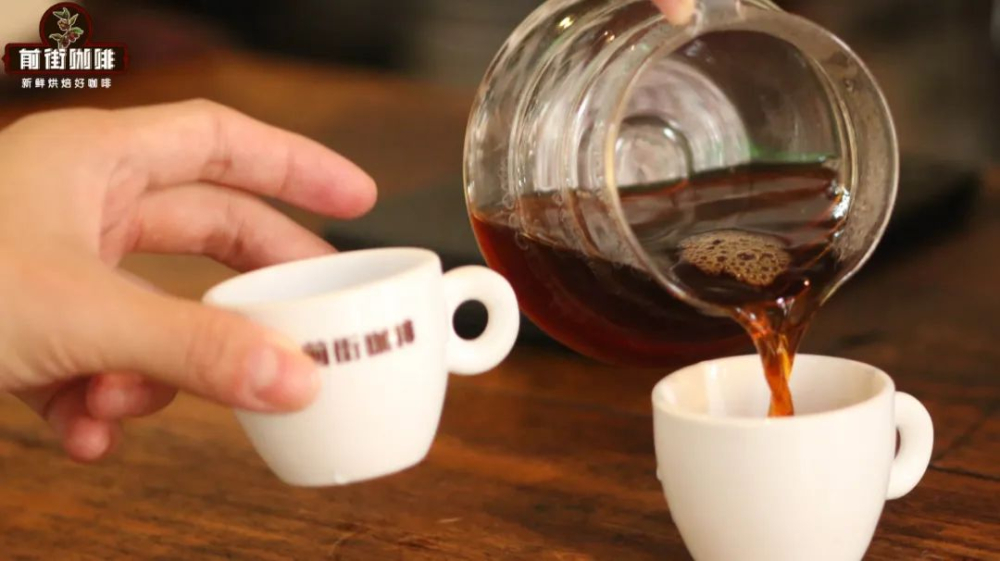
If you hear someone nearby describing a drink like this—"floral, fruity acidity, honey sweetness, tea-like finish..."—then they are most likely not talking about tea or juice, but describing the cup of coffee in their hand.
Today, what "coffee flavor" should actually be like has become increasingly difficult to define. Walk into any well-rated café at random, order a pour-over, and what you taste is mostly sourness. So some people can't help but wonder: "Am I out of touch? Why does coffee nowadays all taste sour?"
Coffee's shift from bitter to sour, from one-dimensional to rich, is essentially a process of an old stage exiting and a new stage taking the spotlight. People are used to treating the year 2000 as the dividing line: before 2000, dark-roast bitterness was mainstream; after 2000, light-roast acidity gradually gained the upper hand. This division is only for ease of understanding; in reality, the shift in roast level was gradual, not a sudden change from bitter to sour on some particular day. Changes in origin cultivation conditions, updates in roasters' understanding, shifts in brewing trends, and the migration of consumer tastes—all these factors pushed things forward together, creating today's situation. Front Street will start from these angles to discuss why coffee on the market now almost always has a sour taste.

The invention of the drum roaster allowed coffee beans to be heated more evenly while tumbling, and it was only then that specialized equipment for roasting coffee truly took shape. Between 1870 and 1920, Germans improved it and introduced the semi-hot-air drum roaster, laying the foundation for roasting hardware. However, at that time, the philosophy of dark roasting was already deeply rooted in roasters' minds, and "only considered done when roasted to second crack" was regarded as the natural mainstream standard.
Against this historical backdrop, Blue Mountain coffee took the position of king of coffee thanks to its outstanding quality. Jamaican coffee's early quality was not stable; in 1950, the local Coffee Industry Board was established to uniformly manage the processing and grading of Blue Mountain coffee. After that, it also received investment and assistance from Japan to improve Blue Mountain's quality, making it appear especially outstanding at the time. Even for dark-roasted Blue Mountain, the entry is still clean, bitter without being scorched, rich without being harsh, and very easy to drink. On one hand, the quality was indeed excellent; on the other hand, production was limited, and combined with the Japanese people's outstanding marketing methods, even people who did not drink coffee came to regard Blue Mountain as synonymous with good coffee.
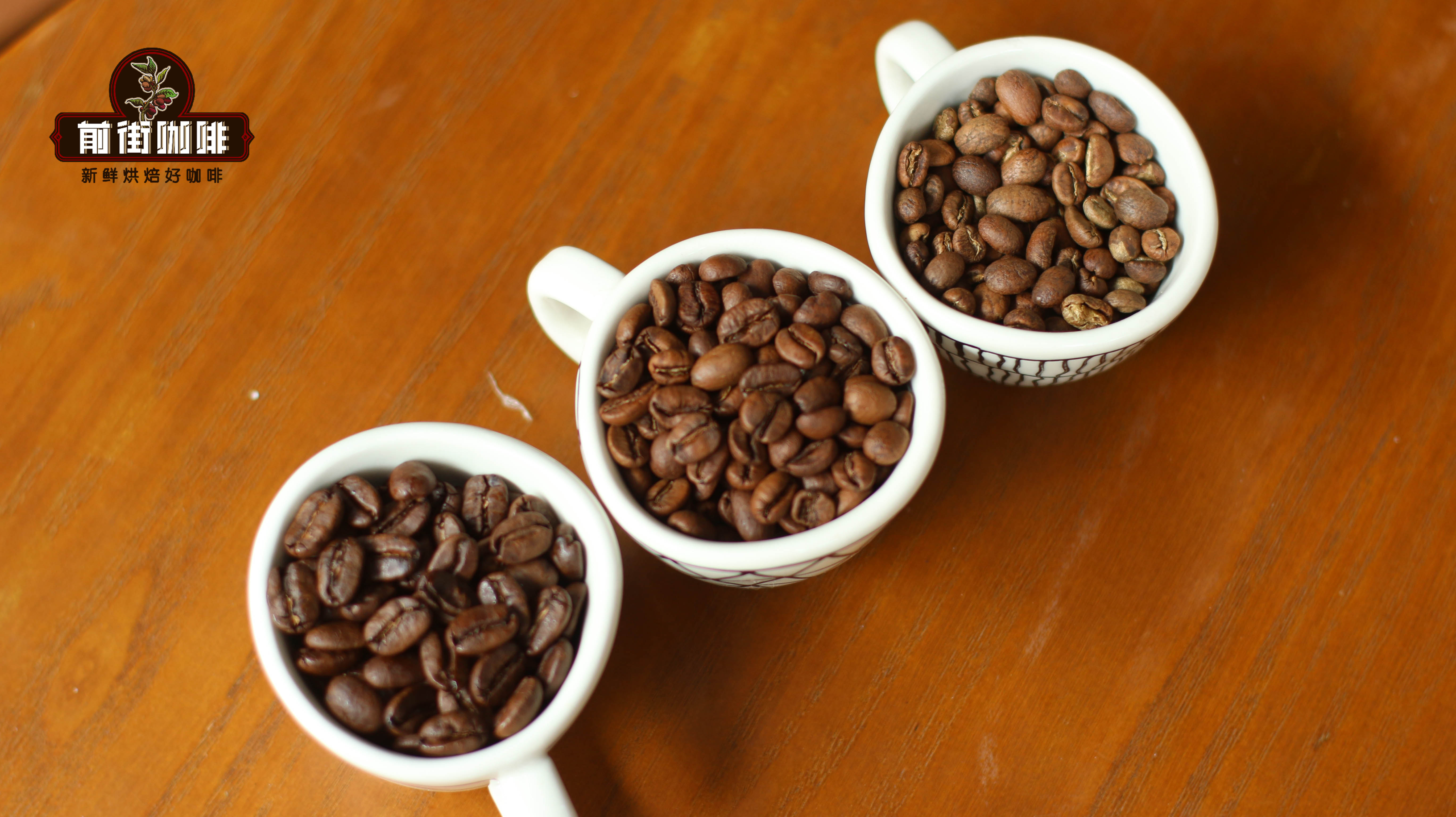
With high-quality coffee beans as confidence, roasters were able to rethink the direction of roasting. Around 2000, well-known American brands such as Intelligentsia, Counter Culture, and Stumptown were among the first to lower roast levels and promote medium-light roasted coffee. This type of coffee can still carry traditional bitter notes like chocolate and nuts, but gains fruit-like acidity, clearly setting it apart from the dark roasts of the past. Nordic roasters went even further, adopting high-heat fast roasting and dropping the beans within two minutes after "the start of first crack," resulting in extremely light roasts and espresso with exceptionally rich fruity acidity.
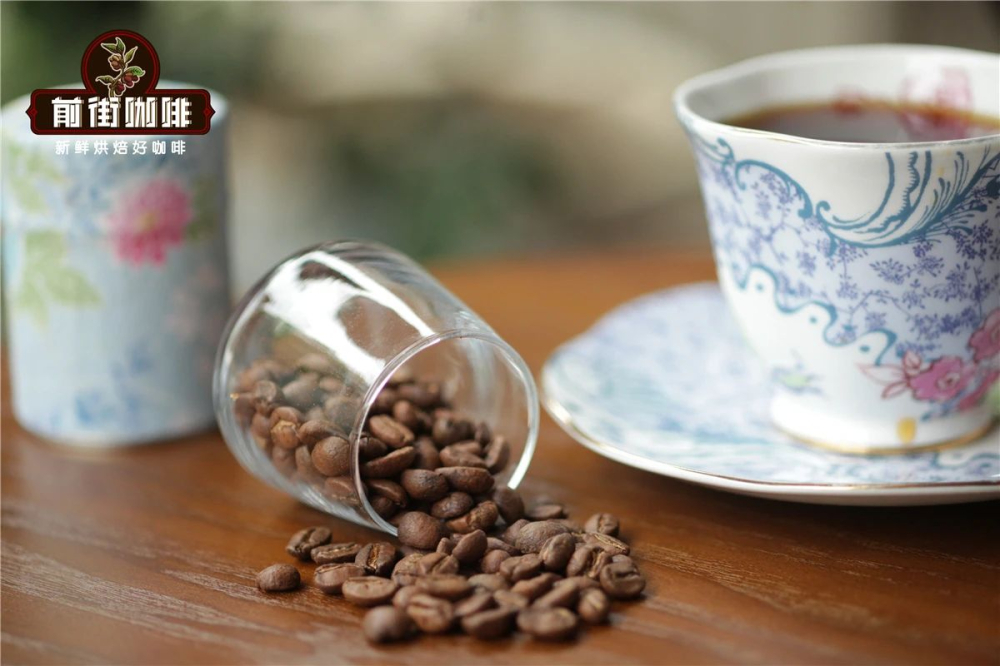
From 2000 to 2010 was a period when various roast levels each had their moment: traditional European and American dark roasting, new American-style roasting, Nordic ultra-light roasting, and the uniquely distinctive Japanese roasting, all exchanging ideas and influencing one another.
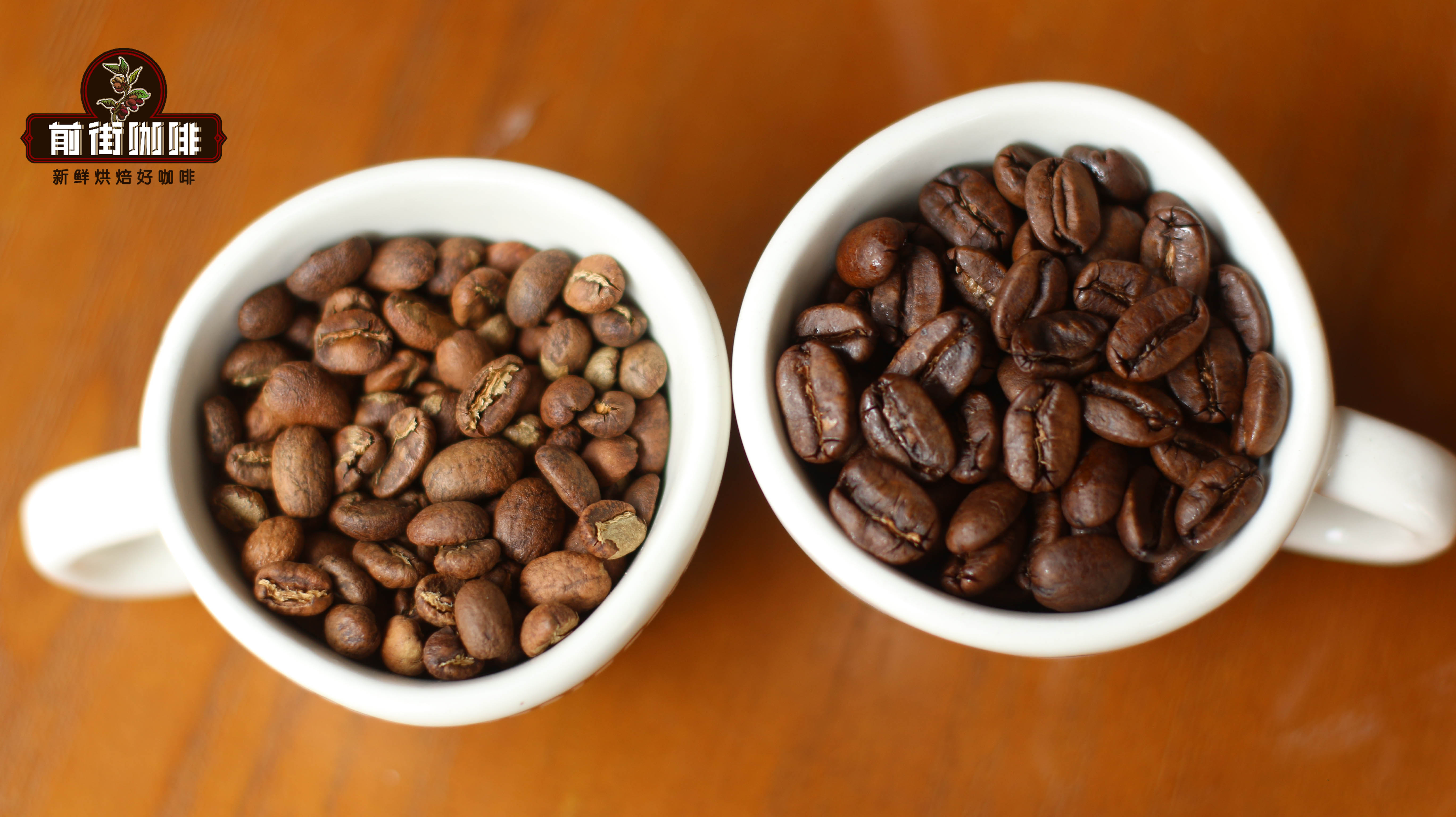
As more and more shops featuring light roasting opened, it created the illusion that "acidic coffee is everywhere." In fact, even in the pour-over field, it is not only sour coffee; some classic medium-dark roasted beans still endure, such as Blue Mountain, Mandheling, and Brazil.
Finally, the friend sighed and said, "I really want to try light-roasted Blue Mountain and dark-roasted Geisha and see what they actually taste like!"
For professional coffee knowledge exchange and more coffee bean information, please follow Coffee Workshop (WeChat public account: cafe_style)
For more specialty coffee beans, please add the private WeChat of Front Street Coffee (FrontStreet Coffee), WeChat ID: qjcoffeex
The above content is compiled by CoffeeHunters, a coffee news website.


