







What Causes Astringent Coffee and How Can Brewing Fix It?
Astringency is a tactile sensation, not a taste: polyphenolic compounds such as tannic acid, tartaric acid and quinic acid bind with proteins in saliva and produce a tightening, puckering feel on the tongue and mouth surfaces. Light roast coffee tends to show it more than dark roast because fewer of these compounds are broken down during a shorter, lighter roast.
Brewing technique also plays a role. Under-extraction and over-extraction both push astringent material into the cup, and variety, growing conditions and processing method shift how much is present in the bean to begin with. A washed Yirgacheffe brewed with adjusted parameters can keep the floral and fruity notes of lightly roasted coffee while limiting the grip.
Have you ever experienced that astringent, gripping sensation in your mouth when tasting a light roast coffee? This tactile experience, known as astringency, is actually closely related to the polyphenolic compounds in coffee. Starting from the nature of astringency, this article will analyze its sources in detail—how components like tannic acid, tartaric acid, and quinic acid accumulate in the cup—explore the effects of roast level, variety, and processing method on astringency-related compound content, and take a deep dive into the two major brewing pitfalls: under-extraction and over-extraction. Finally, Front Street Coffee will use the washed Yirgacheffe Gudingding as an example to share a brewing recipe that avoids astringency and fully presents the floral and fruity notes of light roast beans.
What exactly is astringency? From a sensory standpoint, it is a tightening, gripping sensation on the surface of the mouth and tongue, sometimes accompanied by a rough, puckering texture. This experience occurs because certain specific substances, upon entering the mouth, bind with proteins in saliva. It is precisely because astringency falls under the category of touch rather than taste that we classify it separately as "astringency." What that friend described was not an illusion—it is indeed true: compared with dark roast coffee, light roast coffee is more prone to producing astringent cups during brewing. Of course, brewing technique also plays a role.
The main sources of astringency in coffee are polyphenolic compounds, including tannic acid, tartaric acid, and quinic acid produced during the degradation of chlorogenic acid. If you experience noticeable astringency when tasting coffee, it is most likely because these substances are present at a relatively high concentration in the cup—or, in other words, they have been dissolved out of the coffee beans in large amounts during extraction.
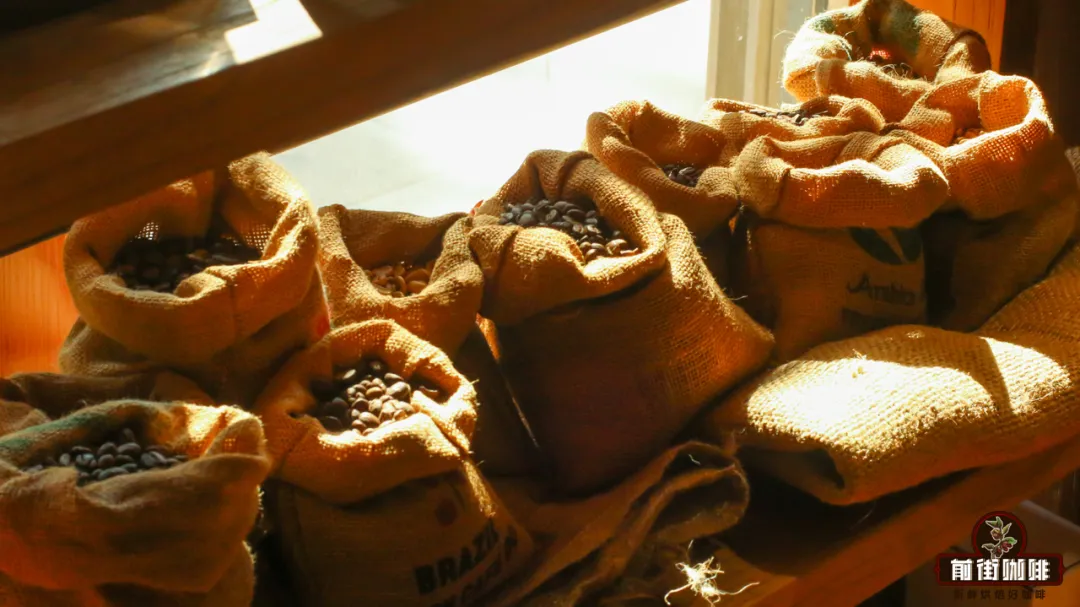
There are quite a few factors that affect the levels of these substances in coffee beans, such as coffee variety, growing conditions, harvesting method, processing technique, and the roasting stage that friend mentioned. The degree of roast directly determines how much "astringency-causing material" remains in the coffee beans. When the roast is darker, the proportion of astringency-inducing components in the coffee decreases accordingly, because many substances are consumed and broken down during the long roasting process. Conversely, the lighter the roast, the more these substances are retained. That is why we often taste noticeable astringency in light roast coffee: the polyphenolic compounds that trigger astringency are largely preserved during a light roast, so relatively speaking they are naturally more likely to release more "astringent matter" during brewing, making the coffee taste prominently astringent.
In most cases, however, as long as the coffee beans themselves are of good quality and the roast is within a normal range—without under-development or extreme practices like ultra-light roasting—it is actually not that easy to brew out astringency using conventional brewing methods. Unless your brewing parameters do not match the bean, causing flavor compounds to fail to dissolve fully or causing "astringent matter" to be released in excess, the coffee will not take on noticeable astringency.
Which improper brewing methods worsen astringency?
To put it plainly, Front Street Coffee would say it comes down to just two situations: under-extraction and over-extraction. The fundamental reason light roast coffee is prone to brewing astringency is that light roast beans are relatively harder to handle. Compared with dark roast beans, light roast beans are denser, so when the parameters we use result in low extraction efficiency, the positive flavor compounds in the coffee are difficult to dissolve out completely. As a result, without enough flavor to suppress the proportion of astringency in the cup, the astringency stands out—in other words, we can clearly taste astringency in the coffee. In addition, it may be accompanied by unpleasant experiences such as hay-like notes and sharp acidity.
Too coarse a grind, too low a water temperature, too short an extraction time, and insufficient stirring frequency or intensity are all major causes of under-extraction and the noticeable astringency that results. And as Front Street Coffee said earlier, besides under-extraction, over-extraction also easily gives coffee pronounced astringency. When we continue extracting after the flavor compounds have already been fully dissolved, the undesirable components in the coffee—including the substances that bring obvious astringency—enter the cup in excess. Because these negative tastes and sensations are very easy for us to detect, even if they make up only a small proportion of the coffee, we can still clearly perceive their presence.
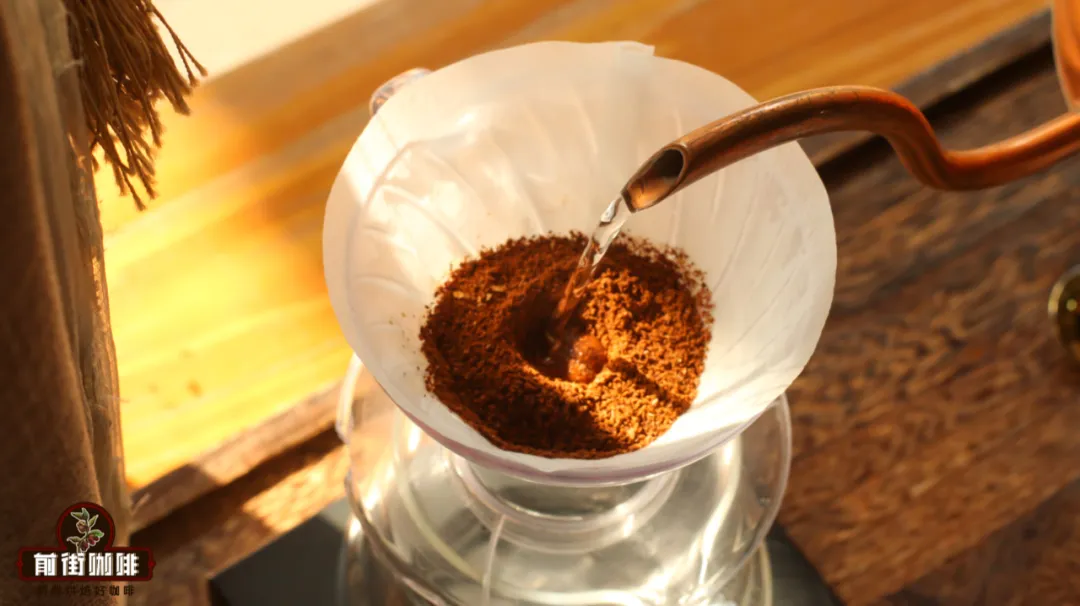
The factors that cause over-extraction are exactly the opposite of those for under-extraction: too high a water temperature, too fine a grind, too frequent stirring, and too long an extraction time. And when brewing light roast coffee, the most common cause of over-extraction is an excessively long extraction time. Because light roast beans are denser and the grind used is relatively fine, the water penetrates at a slower rate. If brewing is not done properly, the coffee grounds can easily clog the drainage channels, causing the drainage speed to plummet and the extraction time to be dragged out, so the coffee becomes over-extracted and exhibits various unpleasant over-extraction symptoms, including obvious astringency.
Next, let Front Street Coffee share how it avoids astringency and brews a good pot of light roast coffee. This is a brewing technique Front Street Coffee has shared before. Although it is not perfect, it should still have some reference value.
Brewing Recipe
The coffee bean selected by Front Street Coffee for this brew is the Front Street washed Yirgacheffe Gudingding from Front Street Coffee's Tmall/Taobao bean list. This bean is grown in the high-altitude producing region of Yirgacheffe, Ethiopia, and is relatively lightly roasted with higher density, making it a very good representative of light roast coffee. It is also one of Front Street Coffee's preferred beans, because it carries very distinct floral aromas and fresh fruity notes.

To brew a coffee like this well, in addition to paying attention to extraction parameters, the pouring method cannot be overlooked either. Since the higher density of the coffee leads to a longer extraction time and thus higher extraction efficiency, we can reduce stirring to lower the extraction efficiency of the hot water. At the same time, this can also effectively prevent the coffee grounds from clogging the filter paper and reduce situations where hot water cannot drain through. The extraction parameters are as follows:
Dose: 15g
Grind setting: Ek43 setting 10, fine granulated sugar grind, 70%–75% passing through a No. 20 sieve
(If you are unsure how many clicks that corresponds to on your grinder, adjust as fine as possible, as long as the coffee bed after brewing does not look muddy)
Coffee-to-water ratio: 1:15
(15g coffee grounds with 225ml hot water)
Brewing water temperature: 92°C
Dripper used: V60
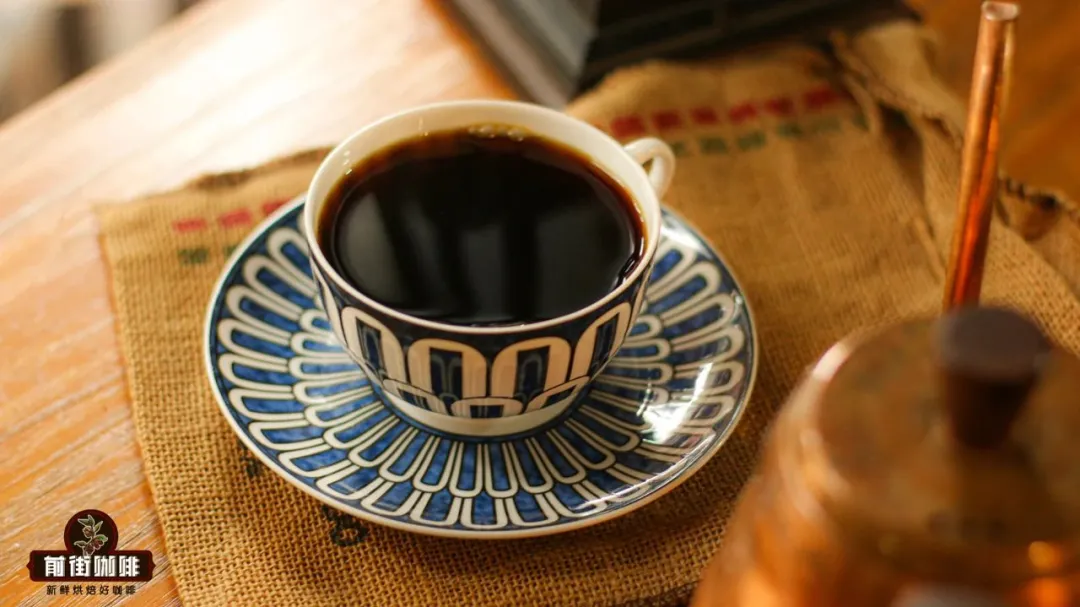
First, pour in water at twice the dose of coffee for a 30-second bloom to release the carbon dioxide inside the coffee beans.
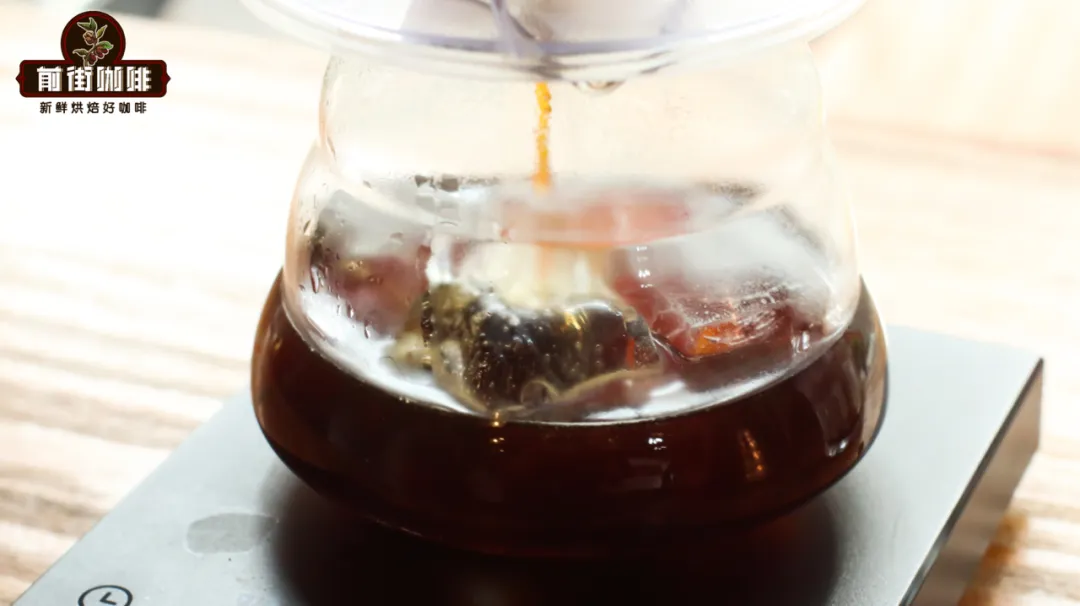
Then, pour with a moderate stream of water. Specifically, start pouring from the center, then slowly spiral outward, and when you are almost near the wall of the dripper, stop expanding the range, then spiral back and forth from inside to outside. The total amount of water poured in this stage is 100ml.
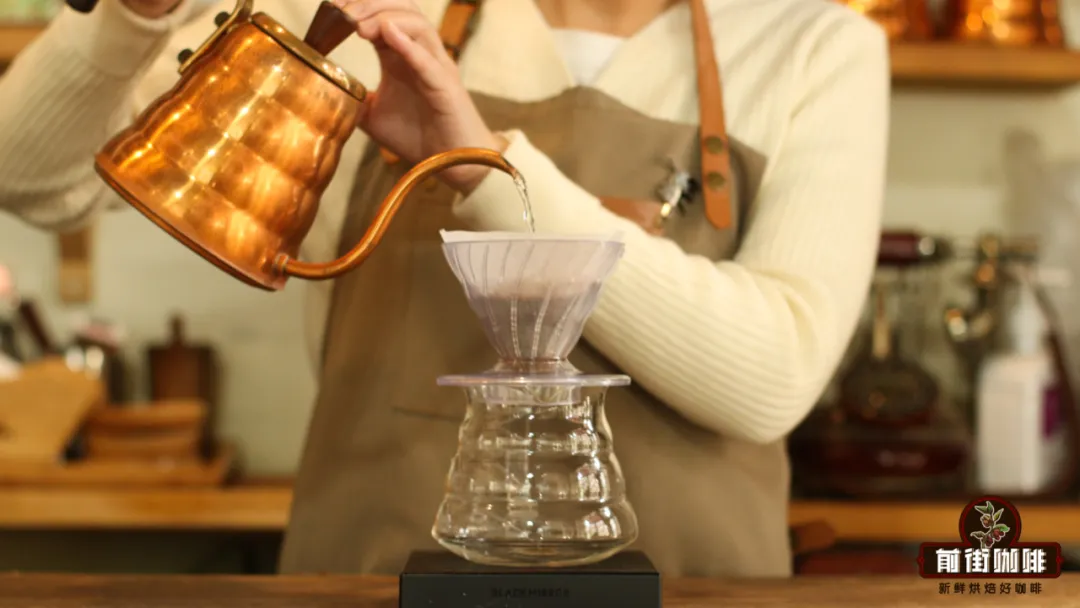
After the second pour of hot water has mostly drained through, begin pouring the third stage, 50ml in total, using a small stream in a small spiral from the center.
Similarly, after the third pour of hot water has mostly drained through, pour the final 45ml of hot water. This stage requires no stirring; simply pour with a small stream at a fixed point in the center. This can effectively reduce the extraction efficiency that has been raised by the prolonged extraction time.
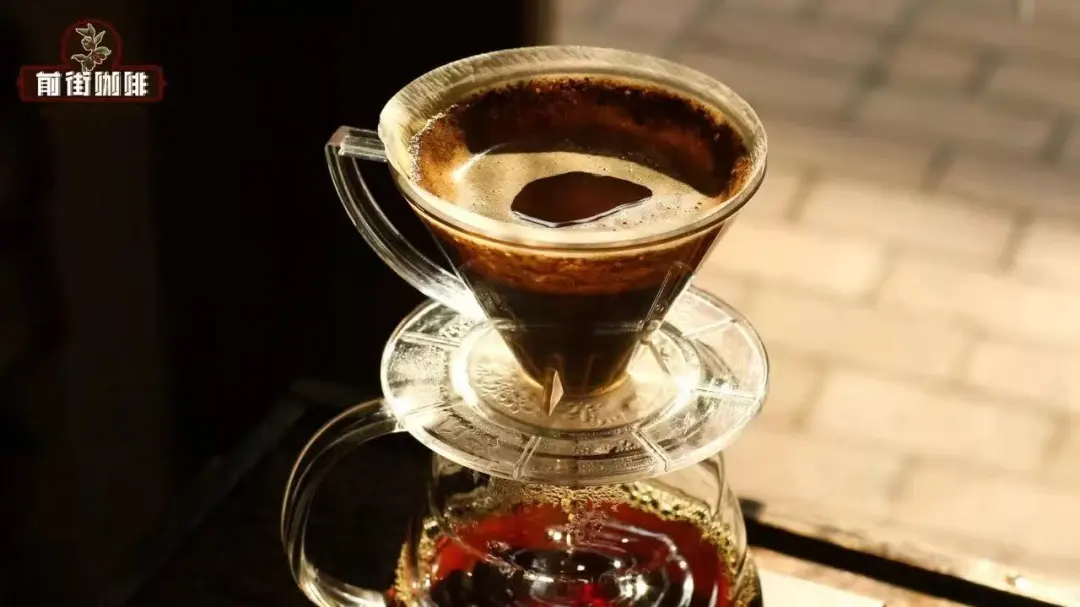
Total time: 2 minutes 25 seconds. Although it is a bit longer than the brewing times Front Street Coffee has shared before, the coffee's extraction yield is just right. There is neither the astringency caused by under-extraction nor any bitterness, muddiness, or astringency caused by over-extraction. The coffee tastes primarily sweet and tart, with aromas of jasmine, lemon, berries, and oolong tea. The overall mouthfeel is smooth with a long finish, much like tasting a cup of oolong tea with rich floral and fruity aromas.
In short, as long as the coffee beans themselves are fine and we brew with suitable parameters, we are very unlikely to end up with a pot of noticeably astringent coffee.
- END -
The above content is compiled by CoffeeHunters, a coffee news website.


