







Search Results for: The seven elements of pour-over
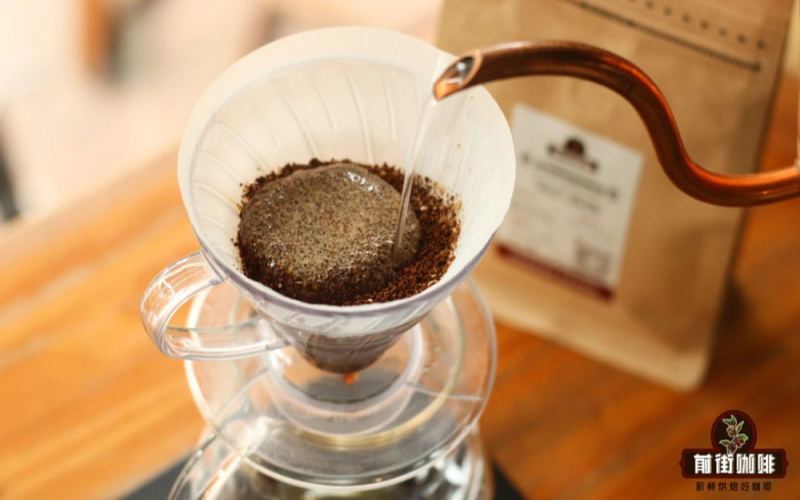
A practical guide for beginners: mastering the seven key elements of pour-over coffee and the principles of extraction
When first getting into pour-over coffee, many people feel overwhelmed by the wide variety of equipment and techniques. In fact, by grasping just a few core points, you can quickly improve your brewing skills. This article draws on the hands-on experience of Front Street Coffee to outline the seven key elements of pour-over coffee, including bean freshness, grind size, water temperature, water quality, dripper selection, coffee-to-water ratio, and brewing time, and further explains the three stages of coffee extraction: wetting, dissolution, and diffusion. Finally, using an Ethiopian Sidamo natural Huakui as an example, it demonstrates a complete brewing process and flavor performance, helping enthusiasts move from beginner to professional. [more…]
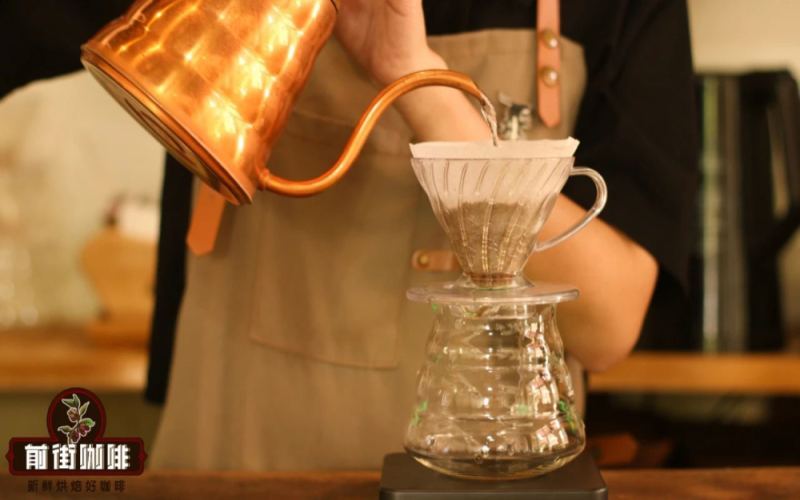
A Complete Analysis of Pour-Over Coffee Dose and Water-to-Coffee Ratio: Parameter Calculations and a Detailed Explanation of the Seven Elements from One Serving to Two Servings
For enthusiasts who are just getting into pour-over coffee, one of the first things that often causes confusion is how many grams of coffee to use for a single serving, and how to calculate the water-to-coffee ratio for two people. Starting from Front Street Coffee's practical experience, this article systematically explains the principles of distributing the coffee-to-water ratio in pour-over brewing. Combined with the strength recommendations of the SCAA (Specialty Coffee Association of America), it provides the widely applicable parameter range of 1:15, and further analyzes the seven major elements of pour-over brewing—from coffee bean freshness, grind size calibration, and water temperature control to dripper selection and brewing time. The article also includes the specific brewing data and three-stage extraction method for Front Street Yirgacheffe Washed Gedingding, helping readers, on the basis of understanding the principles, reduce operational mistakes and consistently brew a clean-tasting cup of good coffee. [more…]
Learn Pour-Over from Scratch: Seven Core Elements, Extraction Principles, and a Full Brew Guide for Huakui 8.0
As specialty coffee becomes increasingly popular, pour-over—a brewing method that showcases the bean's true flavors—has attracted a large number of beginners. But faced with a bewildering variety of equipment and techniques, many people don't know where to start. Based on Front Street Coffee's hands-on experience, this article systematically sorts out the seven key elements of pour-over coffee—from bean freshness, grind size, water temperature and water quality, to dripper selection, coffee-to-water ratio and brewing time—and explains in depth the three-step extraction principle of wetting, dissolution and diffusion. Finally, using Ethiopia natural Hachira 8.0 as an example, it fully demonstrates a Front Street Coffee barista's brewing process and flavor表现, helping beginners build a clear pour-over framework. [more…]
A Beginner's Guide to Pour-Over Coffee: Practical Advice on Mastering the Seven Key Elements and Extraction Principles
Just starting out with pour-over coffee, facing all kinds of equipment and brewing methods, it's easy to feel unsure where to begin. Drawing on years of pour-over experience, Front Street Coffee has put together seven simple, easy-to-understand core points for beginners, covering coffee bean freshness, grind size, water temperature control, water quality selection, dripper choice, coffee-to-water ratio, and brewing time, helping novices grasp the essentials without having to dig through piles of material. The second half of the article also explains in depth the three stages of coffee extraction—wetting, dissolution, and diffusion—and uses an Ethiopian Sidamo natural-process Huakui 8.0 as an example to walk through a complete standard pour-over routine, tightly combining theory with practice. [more…]
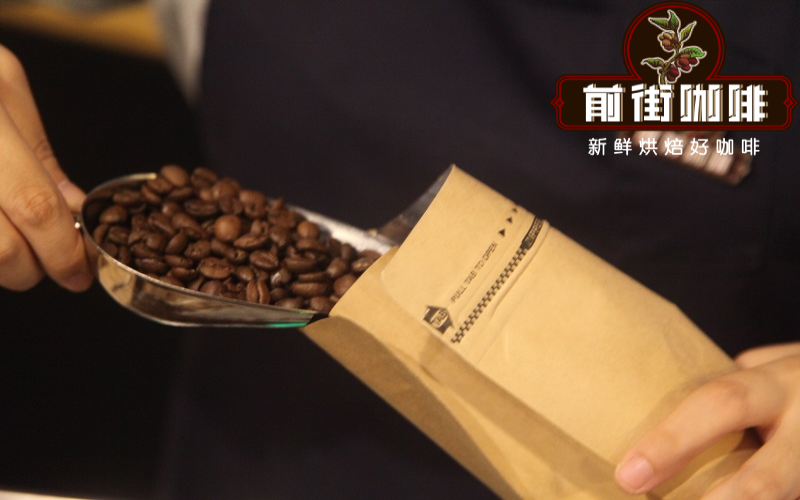
How to Determine the Coffee-to-Water Ratio for Pour-Over? Front Street Explains the Seven Elements and the Three-Pour Technique in Detail
A core question that is unavoidable when making pour-over coffee at home is: how much water should actually be paired with the coffee grounds? This seemingly simple ratio actually directly determines whether the flavor in the cup is strong, balanced, or weak. Front Street Coffee, drawing on years of in-store brewing experience, breaks pour-over coffee down into seven elements: fresh beans, grind size, water temperature, water quality, dripper, coffee-to-water ratio, and time, and provides the most universally applicable daily reference value of 1:15. This article will not only explain the ratio ranges corresponding to different tastes, but also fully demonstrate the operational details of three-stage pouring, including the amount of water for blooming, the pouring rhythm, and time control. Finally, using Golden Mandheling as an example, it provides a brewing plan that can be followed directly, helping beginners avoid unnecessary detours. [more…]
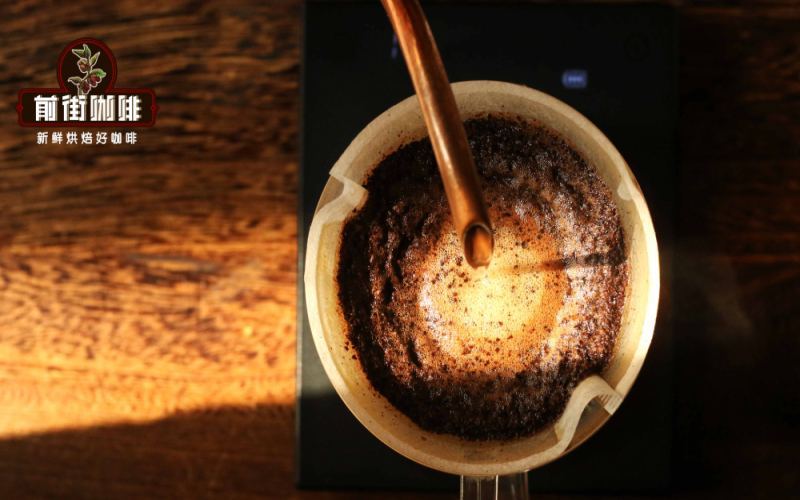
A Beginner's Guide to Pour-Over Coffee: From English Terminology to the Seven Elements and the Three-Pour Technique Explained
The correct English term for hand-brewed coffee is "Pour over coffee," not the literal translation "Hand coffee." This brewing method, which extracts coffee liquid under one atmosphere of pressure using a dripper and filter paper with a steady pouring technique, has strict requirements for grind size, water temperature, pouring technique, and timing, making it a real test of the brewer's skill and expertise. This article, drawing on the hands-on experience of Front Street Coffee, systematically outlines the basic concepts of pour over coffee, the seven key factors that determine flavor, and breaks down in detail a three-stage pouring process suitable for beginners, helping coffee lovers consistently brew a cup of full-aroma good coffee at home. [more…]

Pour-Over Coffee Beginner's Guide: Seven Elements, Three-Pour Technique, and Coffee-to-Water Ratio Illustrated
Brewing a delicious pour over coffee at home is actually not complicated, but you need to master some basic points. The English for pour over coffee is Pour over coffee; it uses a dripper and filter paper to hold the coffee grounds under normal pressure, extracting the coffee liquid through a steady pouring method. This article, compiled by Front Street Coffee, systematically sorts out the seven elements of pour over coffee—from fresh coffee beans, grind size, water temperature, water quality, dripper selection, coffee-to-water ratio, to brewing time—and provides a detailed introduction to the specific steps of the three-pour technique, including the meaning of blooming and four major points to note, helping coffee enthusiasts get started quickly. [more…]

Seven Elements of Hand-Brewed Coffee | Is the correct English for hand-brewed coffee "Hand Drip" or "Pour Over coffee"? What are the brewing methods for hand-brewed coffee?
What is the English for pour-over coffee? If translated literally, it could be rendered as "Hand coffee," but that term is definitely incorrect. Next, expressions like "Hand punch" are also common mistranslations. The correct term should be "Pour over coffee." Now, pour-over [more…]
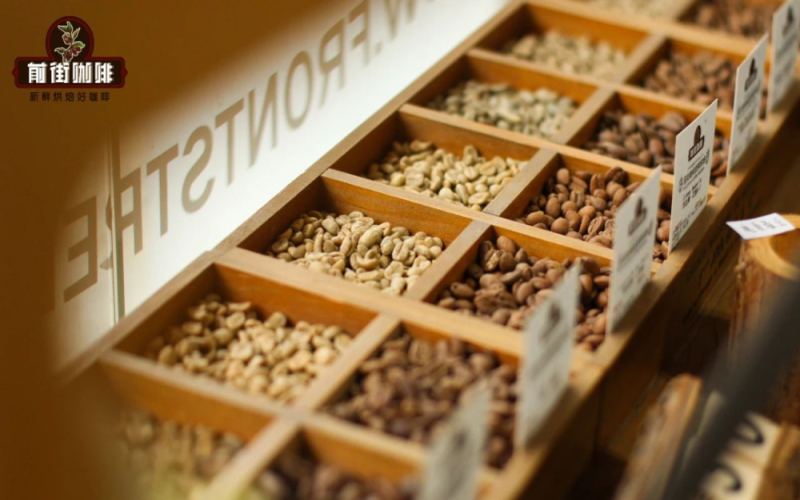
How to Determine the Coffee-to-Water Ratio for Pour-Over? A Comprehensive Analysis from the Golden Cup Extraction Standard to Practical Parameters
For enthusiasts who are just getting into pour-over coffee, the coffee-to-water ratio is often the first source of confusion: exactly how much coffee grounds should be paired with how much water? Starting from the hands-on experience of Front Street Coffee, this article systematically sorts out the definition of pour-over coffee, the logic for determining the coffee-to-water ratio, the concentration range of the SCAA Golden Cup extraction standard, and the seven major factors that affect extraction. The article not only provides the calculation basis for the general parameter of 1:15, but also explains in detail key steps such as grind size correction, water temperature selection, and dripper choice. Finally, it includes the specific brewing recipe and flavor description for Front Street Yirgacheffe Gedingding, helping beginners build a complete framework of pour-over knowledge. [more…]
Seven Core Principles for Consistently Great Coffee: A Scientific Brewing Analysis from Dripper Selection to Team Collaboration
Those seemingly casual artistic expressions in coffee shops—tattoos, latte art, a laid-back atmosphere—are actually underpinned by a rigorous set of scientific rules. When baristas have to face the test of producing hundreds of cups every day, consistency becomes the key to whether customers will come back again. This article, from a professional perspective, systematically sorts out seven practical principles for maintaining coffee quality consistency: from valuing the filter basket model and recommended dose, treating the scale as a core tool, to establishing reusable brewing recipes, dealing with the natural variations of blend beans, to facing the reality that pour-over coffee is hard to keep stable, valuing the impact of water quality on flavor, and relying on teamwork to achieve consistently stable output. These rules may seem dull, but they are the cornerstone that makes every cup of coffee trustworthy. [more…]
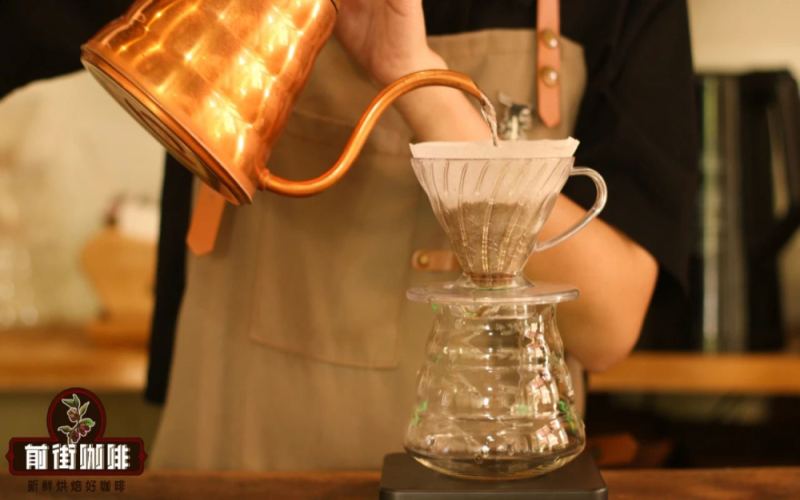
How to Make Pour-Over Coffee for Two | How Should the Coffee-to-Water Ratio for Pour-Over Coffee Be Allocated? What Coffee Strength Does the SCAA (Specialty Coffee Association of America) Recommend?
With the development of the specialty coffee market, single-origin coffee is increasingly recognized by the public, so many coffee enthusiasts are teaching themselves how to brew pour-over coffee at home. As a result, coffee-loving friends often ask, when buying coffee beans at Front Street Coffee, how the coffee-to-water ratio for pour-over coffee should be determined. So in this next article, Front Street [more…]
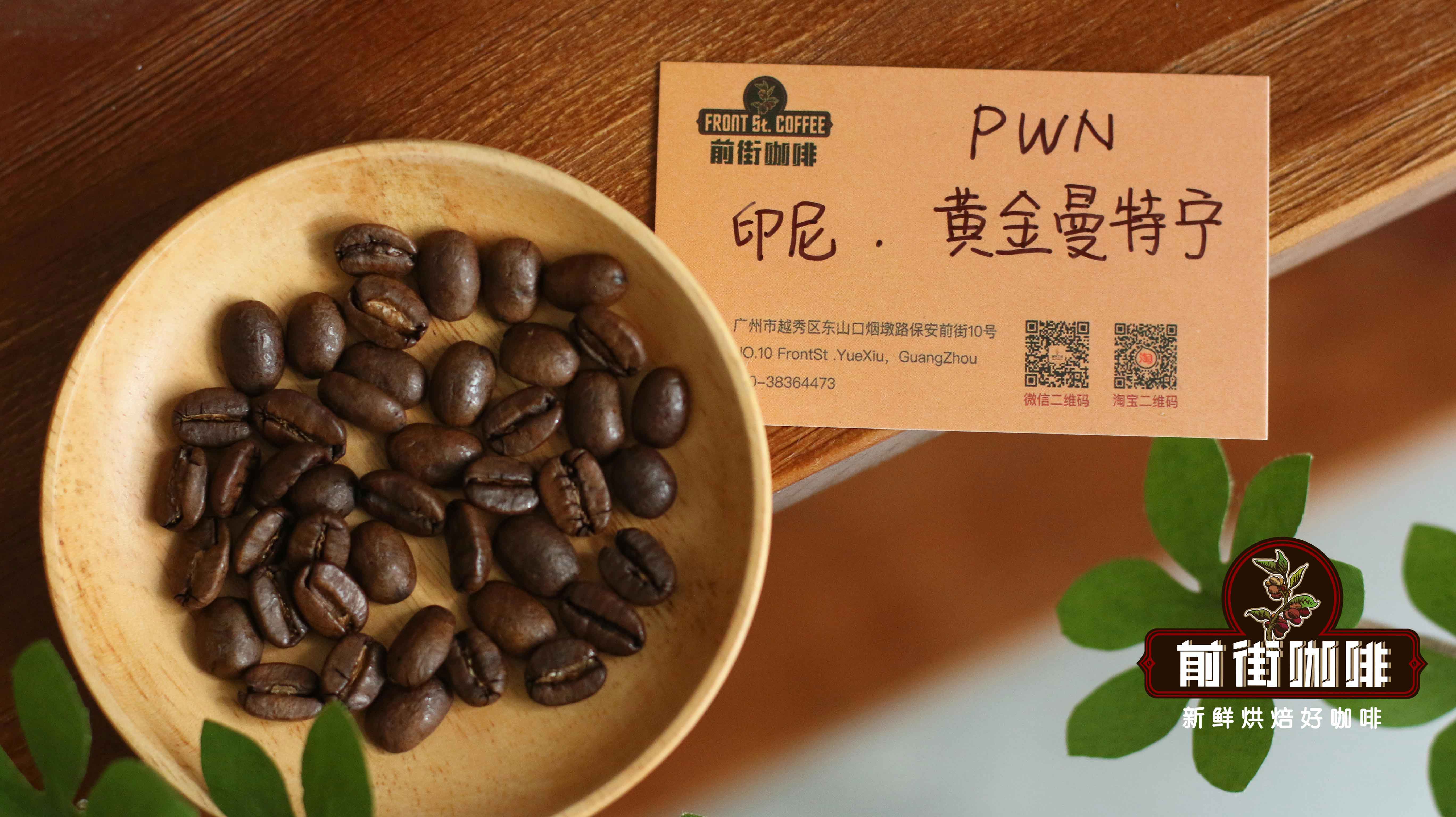
The Complete Guide to Indonesian PWN Golden Mandheling Pour-Over: Parameters, Technique, and Flavor Analysis
The Golden Mandheling produced by Indonesia's PWN company has always been the benchmark among Mandheling coffees, yet many coffee enthusiasts find it difficult to replicate the taste they enjoy in cafés after buying the beans. Drawing on Front Street Coffee's hands-on experience, this article systematically breaks down the seven key elements of pour-over brewing for Golden Mandheling, covering bean freshness, grind size, water temperature, water quality, dripper selection, coffee-to-water ratio, and brewing time, while detailing each step of the three-stage pouring technique. It also provides Front Street's specific brewing parameters and flavor description for this medium-dark roasted bean, helping you brew a cup of Golden Mandheling that is rich, clean, and layered with complexity. [more…]
A Beginner's Guide to Pour-Over Single-Origin Coffee: A Detailed Explanation of Rwandan Coffee Grounds-to-Water Ratio and Three-Pour Brewing Techniques
To brew a clean-tasting pour-over coffee at home, mastering the coffee-to-water ratio and pouring technique is key. Using Front Street Coffee's Rwandan washed beans as an example, this article systematically explains the English expressions, definition, and seven key elements of pour-over coffee—from bean freshness, grind size standards, water temperature selection, water quality requirements, and dripper selection, to the scientific control of coffee-to-water ratio and brewing time. The article also breaks down in detail the complete process of the three-pour method, including the principles and key points of the blooming phase, helping coffee enthusiasts build a standardized, easy-to-follow brewing framework and effortlessly reproduce the bright acidity and tea-like finish reminiscent of apple, smoked plum, and citrus. [more…]
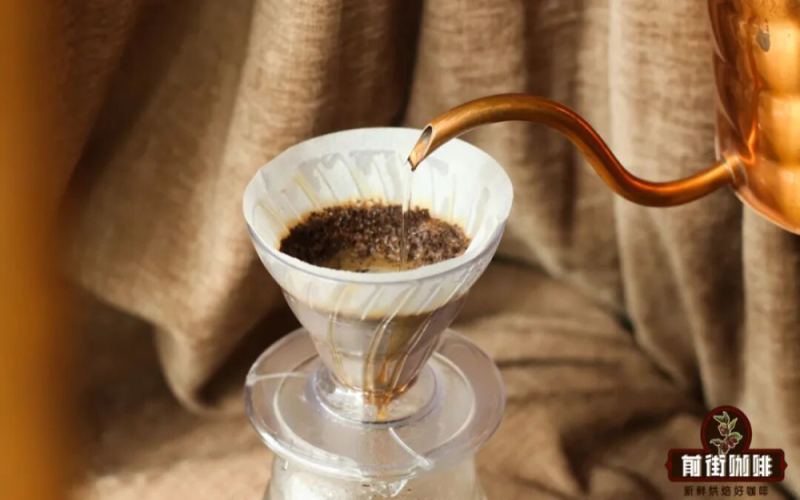
Analyzing the Causes of Abnormal Pour-Over Flow Rate: Seven Major Factors from Dripper and Filter Paper to Bean Quality and Water Flow
When brewing pour-over coffee, the drip rate of the coffee liquid often reflects the quality of the extraction. If the flow is too fast, it may lead to under-extraction and a weak, bland flavor; if the flow is too slow, it tends to over-extract, producing bitterness and off-flavors. So what exactly are the factors that influence the flow rate of coffee? Front Street Coffee will break down the key elements affecting flow rate one by one from seven aspects: the pairing of dripper and filter paper, the density and processing method of the coffee beans, the roast level, the grind size, the pouring technique, and the water level inside the dripper. Understanding the relationships among these variables will help you quickly identify the root cause the next time you encounter an abnormal flow rate and make targeted adjustments, bringing every cup of coffee closer to the ideal flavor. [more…]
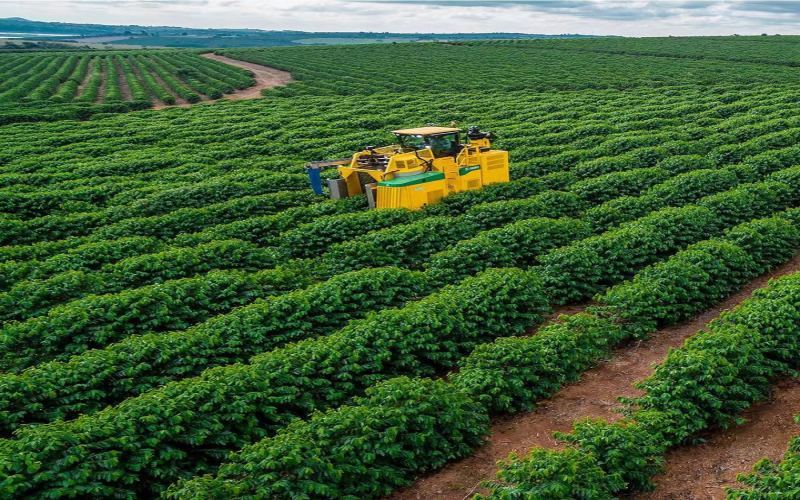
The Complete Guide to Brazilian Pour-Over Coffee: Front Street Queen Estate Parameters and a Practical Guide to the Four Key Elements
Brazil, as the world's largest coffee producer, is favored by pour-over enthusiasts for its balanced flavor and prominent sweetness. However, for those just starting out, when faced with a specific Brazilian bean, they often have no idea how to handle water temperature, grind size, coffee-to-water ratio, and pouring technique. This article takes Front Street Coffee's Brazil Queen Estate coffee beans as an example, first outlining how this bean's growing region, variety, and processing method shape its flavor, then giving specific recommendations from four dimensions: water temperature, grind size, coffee-to-water ratio, and brewing technique, and finally providing complete brewing data and flavor description. If you are looking for a reliable Brazilian coffee pour-over recipe that is hard to mess up, you can follow the steps below and give it a try. [more…]

What Is the WBC? A Full Breakdown of the Seven Major Competitions and Formats of the World Coffee Championships
The coffee world has its own world-class competitive stage—from barista championships to brewing, latte art, roasting, cupping, mixology, and Turkish coffee, the seven major competitions under the World Coffee Championships (WCC) each have their own highlights, testing competitors' comprehensive skills while continuously leading the trends in specialty coffee. Today, Front Street Coffee takes you through these international competitions one by one to understand their content and rules, and to see what exactly the world's top coffee professionals compete in and how they compete. [more…]
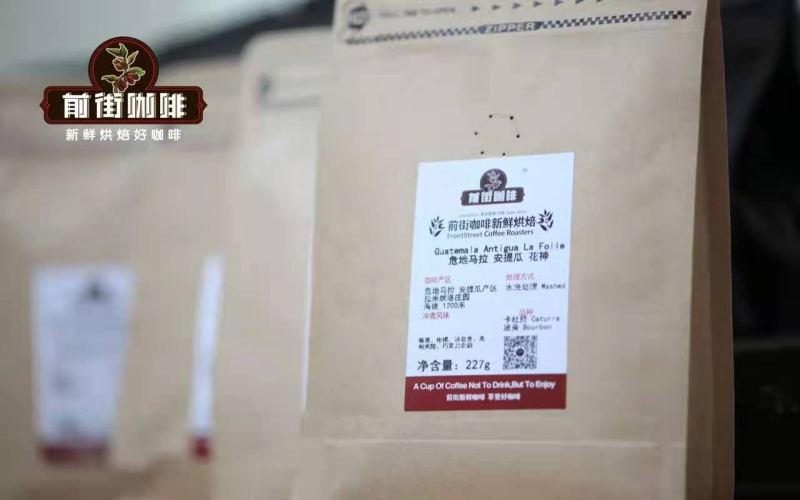
A Comprehensive Analysis of Guatemala Antigua La Flor Coffee Beans: Variety Characteristics, Cupping Flavor, Pour-Over and Roasting Parameters Guide
The Antigua region of Guatemala, with its unique terroir of volcanic soil, low humidity, abundant sunshine, and cool nights, produces world-renowned specialty coffee. The Guatemala Flor del Patio on Front Street Coffee's bean list comes from the La Minita company, processed on its behalf by the Pastores mill, and is strictly quality-controlled from cultivation to packaging. This article will provide a comprehensive interpretation of this star bean—possessing floral aromas, lime-like acidity, and a honey finish—covering the region's background, varietal composition, washed processing flow, green bean analysis, roasting curve, cupping performance, and pour-over demonstration, offering coffee enthusiasts detailed brewing and roasting references. [more…]
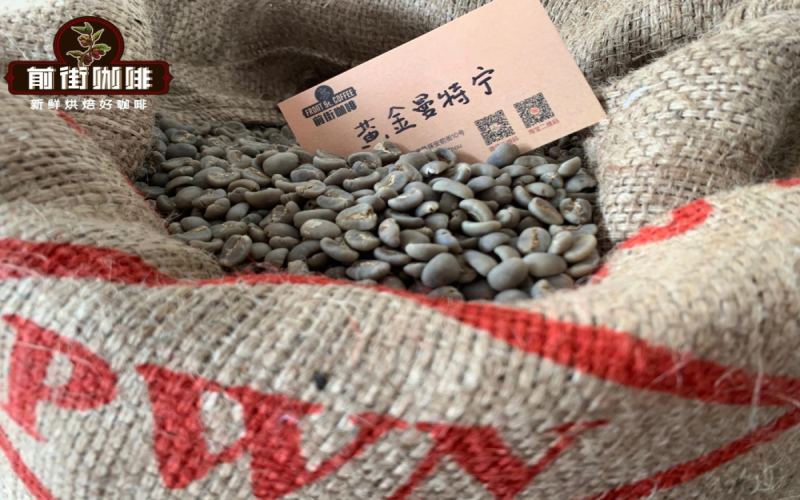
Brewing Parameters for Dark Roast Coffee Beans | What are the requirements for the coffee-to-water ratio, grind size, water temperature, and extraction time when making pour-over coffee with Indonesian PWN Golden Mandheling coffee beans?
When it comes to Indonesian Mandheling, the most famous and popular is undoubtedly the Golden Mandheling coffee beans produced by the Indonesian PWN company. Many people come to try Golden Mandheling coffee and decide to buy the beans to brew at home, but they can never replicate the taste they had in the coffee shop. Why is that? [more…]
La Minita Flor del Café: A Complete Guide to the Flavor and Brewing of Coffee Beans from Guatemala's Antigua Volcano Region
Among the seven countries of Central America, Guatemala's coffee has always been renowned for its rich layers and distinctive style. The Antigua region is surrounded by active volcanoes; its volcanic ash soil and pronounced day-night temperature difference endow the coffee beans with a unique smoky aroma and intense fruity notes. La Minita Group's Flor de Antigua is a representative work from this region—a blend of three classic varieties, Bourbon, Caturra, and Catuai, processed by traditional washing, presenting elegant floral aromas, soft acidity, and a chocolate finish. This article, from the perspective of Front Street Coffee, systematically reviews Flor de Antigua's regional background, variety composition, green bean characteristics, roasting curve, and pour-over brewing parameters, helping coffee enthusiasts fully understand this bean's flavor logic and extraction key points. [more…]
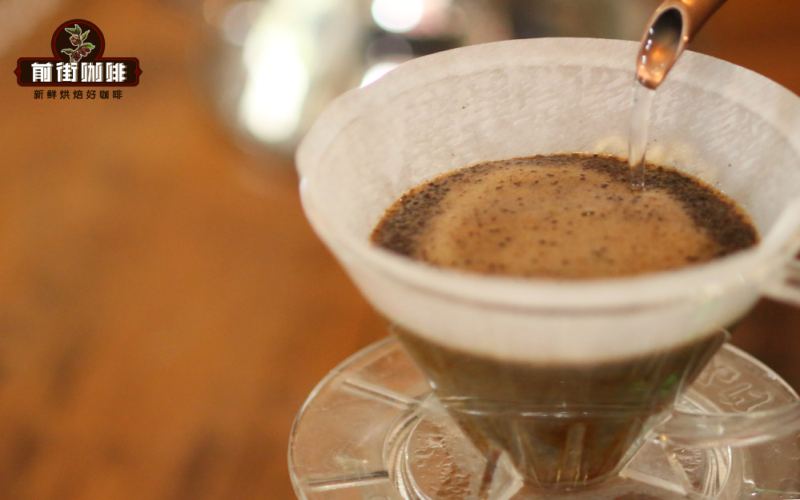
Pour-Over Parameter Plan | What are the requirements for coffee grind size, coffee-to-water ratio, water temperature, and brewing technique when making pour-over coffee with Indonesian PWN Golden Mandheling coffee beans?
When it comes to Indonesian Mandheling, the most famous and popular is undoubtedly the Golden Mandheling coffee beans produced by the Indonesian PWN company. As a result, many people come to try Golden Mandheling coffee and decide to buy the beans to brew at home, but they can never reproduce the taste they had in the coffee shop. Why is that? [more…]