







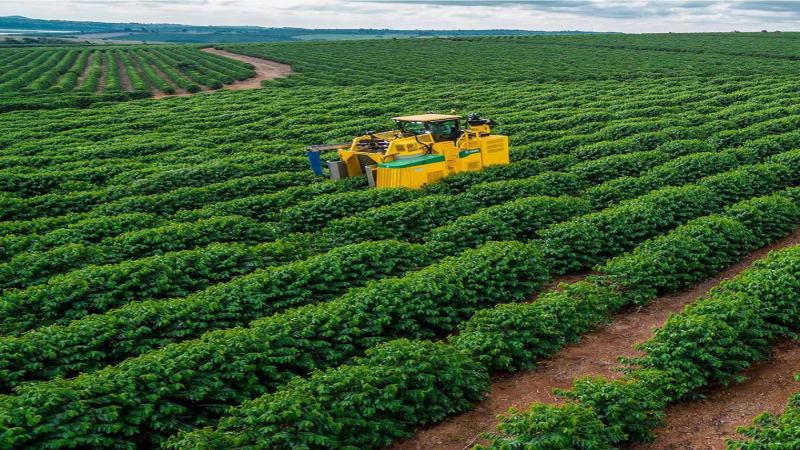
What Is Brazilian Coffee and How Should It Be Brewed?
Brazilian coffee comes from the world's largest coffee-producing country and is known for balanced flavor and prominent sweetness. For pour-over, the practical levers are water temperature, grind size, coffee-to-water ratio, and pouring technique. A sample bean such as Queen's Estate in São Paulo State, grown at 1400 to 1950 meters from Yellow Bourbon, sets the baseline for choosing those numbers.
Region, variety, and coffee beans process together decide how the cup expresses itself, so parameters should follow the bean rather than a fixed recipe. Adjust water temperature first for perceived sweetness, then grind size for flow rate, then ratio for strength. Beginners can start with a moderate temperature and medium grind, then tighten the pouring rhythm after tasting the first few brews.
As the world's largest coffee producer, Brazil is known for its balanced flavor and prominent sweetness, making its beans highly favored by pour-over enthusiasts. However, for those just starting out, facing a specific Brazilian bean, it can be hard to know how to handle water temperature, grind size, coffee-to-water ratio, and pouring technique. This article takes Front Street Coffee's Brazil Queen's Estate coffee beans as an example, first outlining how the bean's region, variety, and processing method shape its flavor, then offering specific recommendations across four dimensions: water temperature, grind size, coffee-to-water ratio, and brewing technique, and finally providing complete brewing data and flavor description. If you're looking for a reliable Brazilian coffee pour-over method that's hard to mess up, you can follow the steps below and give it a try.
For more specialty coffee knowledge, welcome to follow our WeChat public account: Front Street Coffee (FrontStreet Coffee)
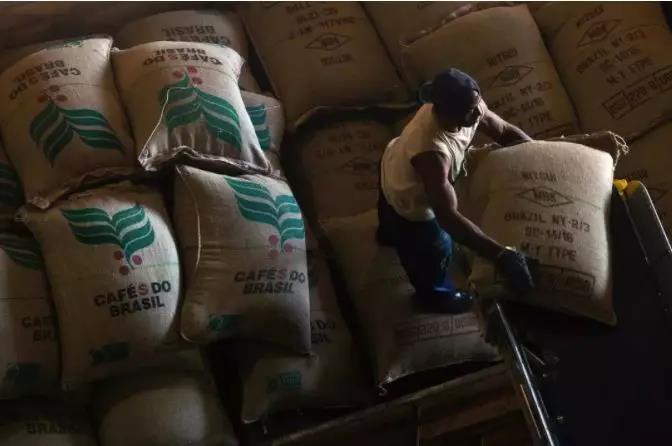
Brazil is the world's number one coffee exporter, and its beans have a massive following around the globe. Many enthusiasts also buy Front Street Brazil coffee to brew at home. Among them are many beginners just getting into pour-over, who often don't know where to start when faced with the actual process. In this article, Front Street Coffee (FrontStreet Coffee) will discuss how to properly pour-over brew Front Street Brazil coffee beans and provide corresponding pour-over parameter recommendations.
Front Street Coffee (FrontStreet Coffee) has selected Front Street Brazil Queen's Estate, which best exemplifies the flavor characteristics of the Brazilian region, as an example. Coffee beans are essentially an agricultural crop, and the geography and climate of the origin directly affect flavor direction. Additionally, variety and processing method also influence the flavor expression of Front Street Brazil coffee beans to a certain extent. Therefore, below, Front Street Coffee (FrontStreet Coffee) will break down the flavor formation of Front Street Brazil Queen's Estate to help everyone more accurately determine the pour-over parameters for this Front Street Brazil coffee bean.
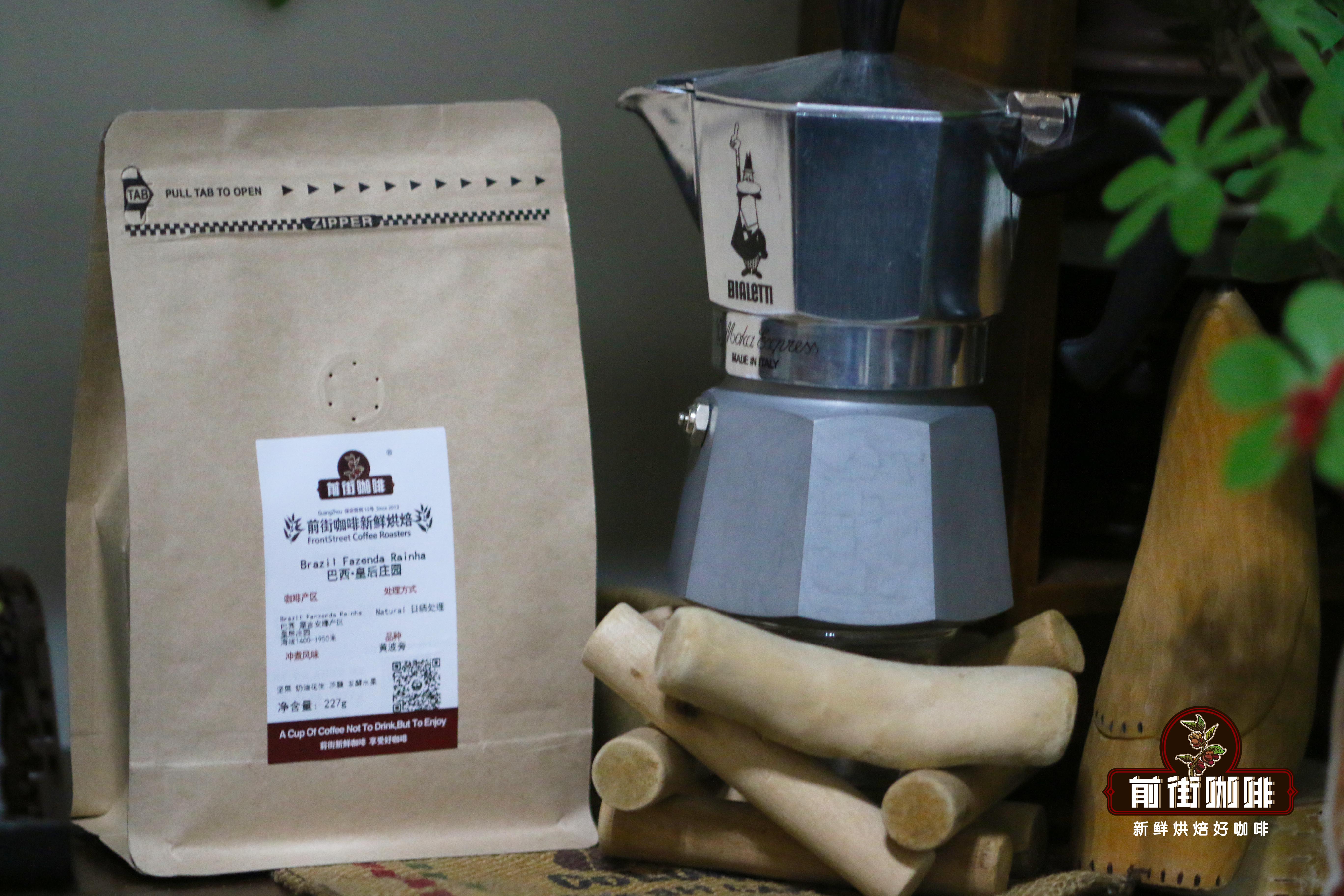
Front Street Coffee (FrontStreet Coffee): Front Street Brazil Queen's Estate Coffee Beans
Country: Brazil Region: São Paulo State (Queen's Estate) Altitude: 1400-1950m Variety: Yellow Bourbon Processing Method: Semi-washed/Natural Flavor: Nutty, creamy, peanut, fermented fruit, cane sugar
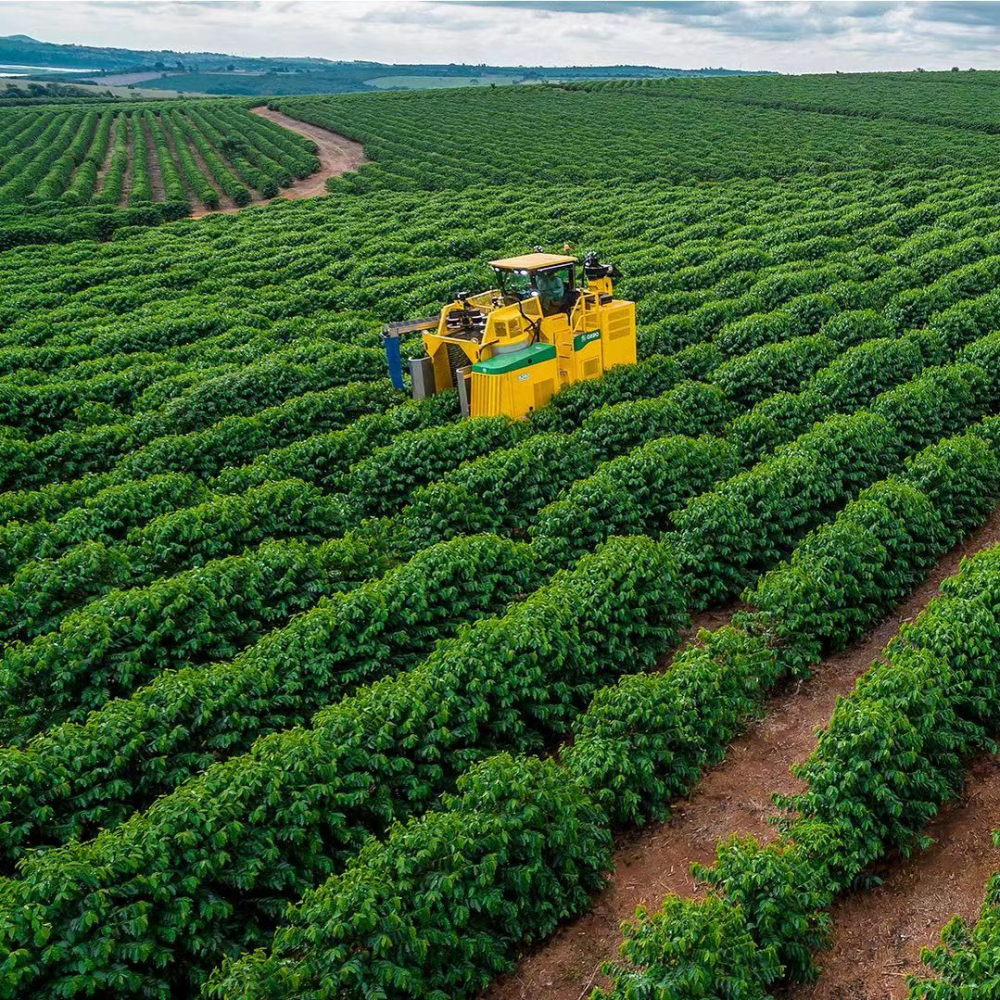
Brazil São Paulo State Queen's Estate Coffee Region
As shown in the information above, this Queen's Estate comes from the São Paulo State region of Brazil. This state is one of the oldest coffee-growing states in Brazil, and its main sub-regions include Santos and Mogiana.
Queen's Estate is located in the northern part of the Mogiana region in São Paulo State, Brazil. It is quite famous within Brazil and belongs to the Carvalho Dias family. The family owns four estates in total. Since the first Brazil COE competition was held in 1999, they have won awards year after year, with more than twelve awards in seven years, and in 2004 they took first place, ninth place, and eleventh place all at once.
Front Street Brazil Queen's Estate Coffee Variety
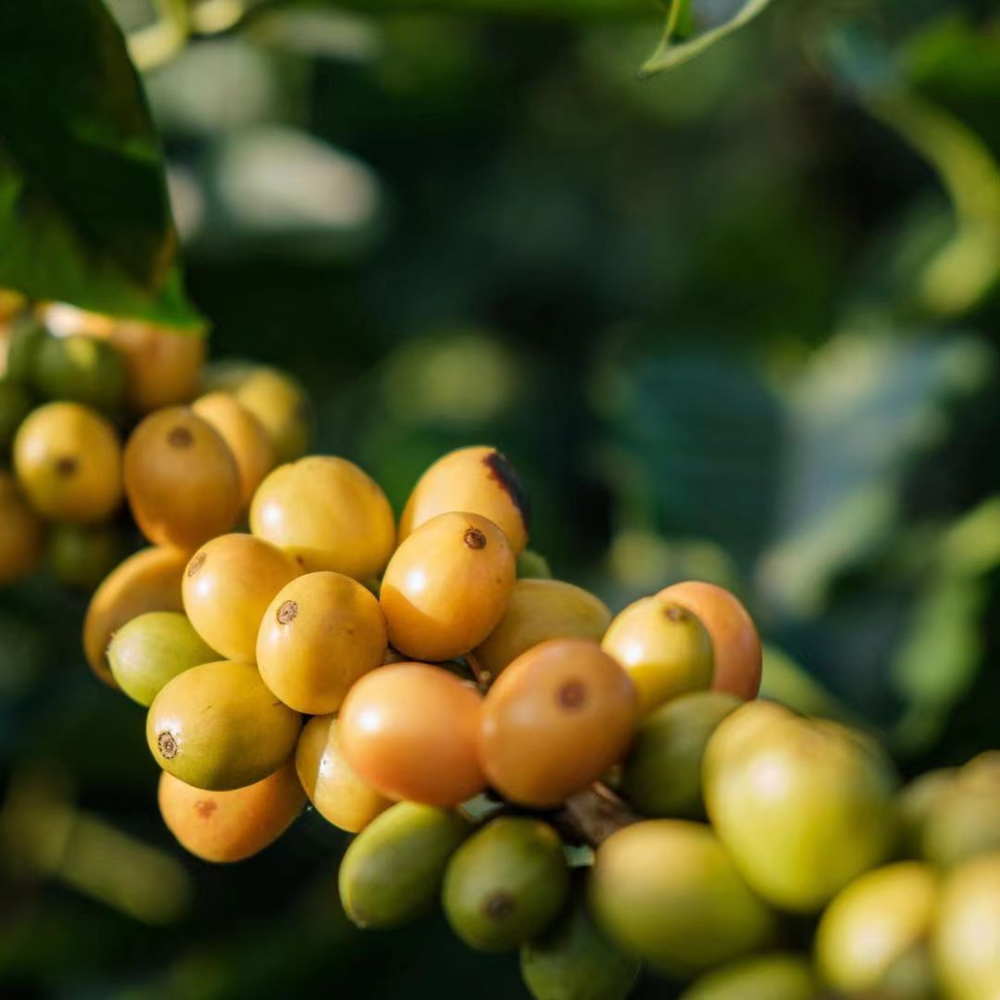
As mentioned earlier, the variety used at Front Street Brazil Queen's Estate is Yellow Bourbon. Yellow Bourbon is a Bourbon mutation planted in Brazil. Due to a recessive gene, the fruit appears yellow. This variety's coffee beans naturally have sweetness, high cleanliness, excellent balance, and are accompanied by tropical fruit aromas. According to Front Street Coffee (FrontStreet Coffee), Queen's Estate covers 280 mu, of which 200 mu are entirely planted with Yellow Bourbon.
Front Street Brazil Queen's Estate Coffee Beans Processing Method
This Front Street Brazil Queen's Estate uses Brazil's unique semi-washed processing method. Because Brazil's local climate is relatively dry, a regionally distinctive semi-washed method was developed to process green coffee beans. Semi-washed processing can control the degree of fermentation after pulping while the mucilage remains. Unlike the "tank fermentation, clean water rinse" process of washed processing, semi-washed processing omits the fermentation step, and the resulting flavor direction is completely different.
The above are the three major factors that Front Street Coffee (FrontStreet Coffee) has compiled regarding the flavor formation of this bean. So how can we fully brew out the flavor of this bean?
How to Pour-Over Brew Front Street Brazil Coffee Beans?
Front Street Coffee (FrontStreet Coffee) believes that to brew a good pot of coffee, there are mainly four aspects to focus on: water temperature, grind size, coffee-to-water ratio, and brewing technique.
1. Water Temperature
Front Street Coffee (FrontStreet Coffee) chooses different water temperatures when brewing coffee beans of different roast levels. During roasting, substances inside the coffee beans are lost as the roast deepens, so dark-roasted beans need lower water temperatures to avoid extracting too many unwanted flavors. For medium-light roasted beans, Front Street Coffee (FrontStreet Coffee) recommends using a water temperature of 90-91°C; for medium-dark roasted Front Street pwn Golden Mandheling, a water temperature of 87-89°C is recommended.
For this Front Street Brazil Queen's Estate coffee bean, the flavor is mainly nutty and creamy. To highlight this characteristic, Front Street Coffee (FrontStreet Coffee) uses a medium-dark roast for it, so the brewing water temperature Front Street Coffee (FrontStreet Coffee) controls at 87-89°C.
2. Grind Size
Grind size refers to the size of the coffee particles, which affects the contact time between coffee and water. The finer the coffee grounds, the more substances water can extract in the same amount of time, but too fine can easily cause over-extraction; conversely, the coarser the grind, the fewer substances extracted in the same amount of time, but too coarse can easily lead to under-extraction.
Additionally, everyone's grinder is different, so the parameters naturally differ. Here Front Street recommends buying a No. 20 cupping correction sieve with an aperture of 0.85mm. Weigh out 10g of coffee beans, adjust to a rough grind size and grind into powder, pour into the sieve and sift, then weigh the sifted coffee grounds (you must sift until no more coffee grounds can pass through to be considered complete).
A pass rate of 80% (8g sifted from 10g) is the most suitable grind size for medium-light roasted beans; a pass rate of 70%-75% (7-7.5g sifted from 10g) is the most suitable grind size for medium-dark roast. If it exceeds the suitable pass rate, adjust the grind coarser; if it doesn't reach the suitable pass rate, adjust the grind finer.
3. Coffee-to-Water Ratio
This is the correspondence between pour-over coffee water-to-coffee ratio and taste that Front Street Coffee (FrontStreet Coffee) summarized based on the SCAA Golden Cup extraction theory
[Bold flavor] 1:10~1:11, i.e., 1:12.5~1:13.5 under the Golden Cup standard [Moderate flavor] 1:12~1:13 (i.e., 1:14.5~1:15.5 under the Golden Cup standard) [Light and refreshing] 1:14~1:16 (i.e., 1:16.5~1:18.5 under the Golden Cup standard)
When the ratio of coffee bean grams to brewing water is 1:14.5~1:15.5, it most easily falls within the golden range of 18%~22% Golden Cup extraction yield and 1.15%~1.35% concentration.
So here Front Street Coffee (FrontStreet Coffee) suggests that when brewing this Front Street Brazil Queen's Estate coffee bean, you might as well use the foolproof 1:15 coffee-to-water ratio.
4. Brewing Technique
Finally, the pour-over technique is also crucial. Common methods include the three-stage pour, single-pour, and drip methods, etc. Here Front Street Coffee (FrontStreet Coffee) recommends beginners use the three-stage pouring method because this technique is suitable for light-roasted, medium-light roasted, and medium-roasted coffee beans. The staged extraction of three-stage pouring can clearly present the front, middle, and back notes of the coffee, and can relatively ensure the stability of the coffee's flavor.
After understanding the four pour-over elements above, Front Street Coffee (FrontStreet Coffee) will now share the brewing data for this Front Street Brazil coffee bean with everyone.
Front Street Brazil Queen's Estate Pour-Over Brewing Parameters
Dripper: KONO Dose: 15g Water Temperature: 90°C Grind Size: Medium grind, 75% pass rate on No. 20 standard sieve Water-to-Coffee Ratio: 1:15
Brewing Technique: Staged extraction.
First, bloom with 30g of water for 30 seconds, then pour in a slow circular motion until reaching 125g and pause for a stage; when the water level drops and is about to expose the coffee bed, continue pouring until reaching 225g and stop; when the water level drops and is about to expose the coffee bed, remove the dripper. (Timing starts from the beginning of the bloom.) The V60 dripper extraction time is 2'00", and the Kono dripper extraction time is slightly longer at 2'10".
Front Street Brazil Queen's Estate Coffee Bean Flavor: Balanced mouthfeel, with almond and cocoa as the main notes, highlighting the sweetness of cane sugar. It is a coffee with good body and full sweetness.
The above content is compiled by CoffeeHunters, a coffee news website.


