







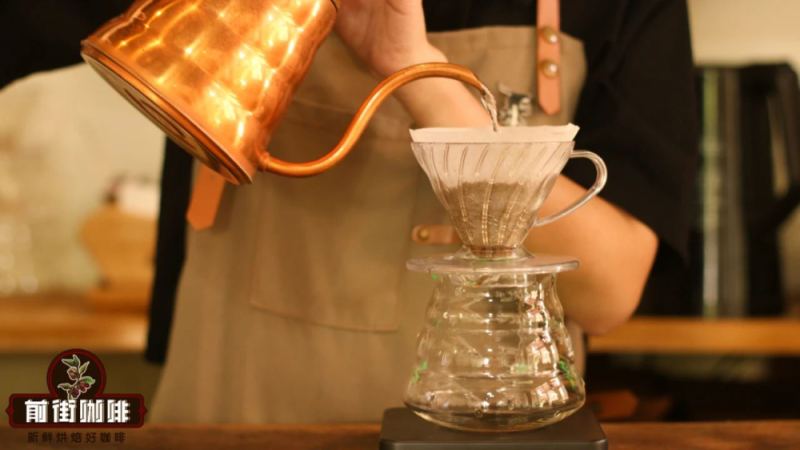
With the development of the specialty coffee market, single-origin coffee is becoming more and more recognized by the public, so many coffee enthusiasts are teaching themselves how to brew pour-over coffee at home. As a result, coffee-loving friends often ask at Front Street Coffee about how to allocate the coffee-to-water ratio for pour-over coffee when purchasing coffee beans. So in this article, Front Street Coffee will explain how to brew pour-over coffee.
What is pour-over coffee?
First, coffee-loving friends need to know what pour-over coffee is. Pour-over coffee refers to brewing under one atmosphere of pressure, using a dripper and filter paper to hold appropriately ground coffee, with the brewer pouring water at an appropriate temperature and volume onto the coffee grounds in a steady manner to extract the coffee liquid.

And because grind size, water temperature, pouring method, and brewing time all affect the extraction of coffee flavor, pour-over coffee is a brewing method that places great demands on technique and coffee expertise.
The coffee-to-water ratio for pour-over coffeeHow should it be allocated
The so-called coffee-to-water ratio refers to the relationship between the amount of coffee added to the dripper and the total amount of extracted coffee liquid. According to the concentration recommended by the SCAA Specialty Coffee Association of America, which is between 1.2-1.45%, Front Street Coffee can calculate for everyone that in order to achieve this concentration range, the ratio of coffee grounds to poured water should be between 1:12-1:15. With a coffee-to-water ratio of 1:15, if you brew with 10g of coffee, then the total water amount is 150g.
So that is to say, the ratio of coffee grounds to water is best at 1:15, and the coffee-to-water ratio currently used in Front Street Coffee stores is 1:15. The reason for confirming this parameter is that Front Street Coffee had already conducted multiple verifications before. Although 1:12-1:15 is only a suggested range, Front Street Coffee still tested several parameters outside this range.

Among them, drip coffee with a coffee-to-water ratio of 1:20 tastes very light, while 1:10 is very strong. Through adjustment and testing, Front Street Coffee believes 1:15 is more suitable for brewing most coffee beans. Of course, some people use 1:14 or 1:17, and these are all acceptable. The key is whether you can accept it yourself. What Front Street Coffee provides is only a generally acceptable parameter for everyone to use as a reference. After determining the coffee-to-water ratio, then determine the size of one cup of coffee. Front Street Coffee generally brews one cup of coffee to 225g, which is exactly one serving, that is, using 15g of coffee grounds to extract 225ml of water.
What is the concentration recommended by the SCAA Specialty Coffee Association of America?
As for the coffee concentration mentioned above by Front Street Coffee, it is actually the coffee extraction rate during pour-over brewing, and the coffee extraction rate is the proportion of the weight lost by coffee beans during brewing relative to the coffee beans used. This is because coffee beans contain about 30% soluble substances and 70% insoluble woody solids.
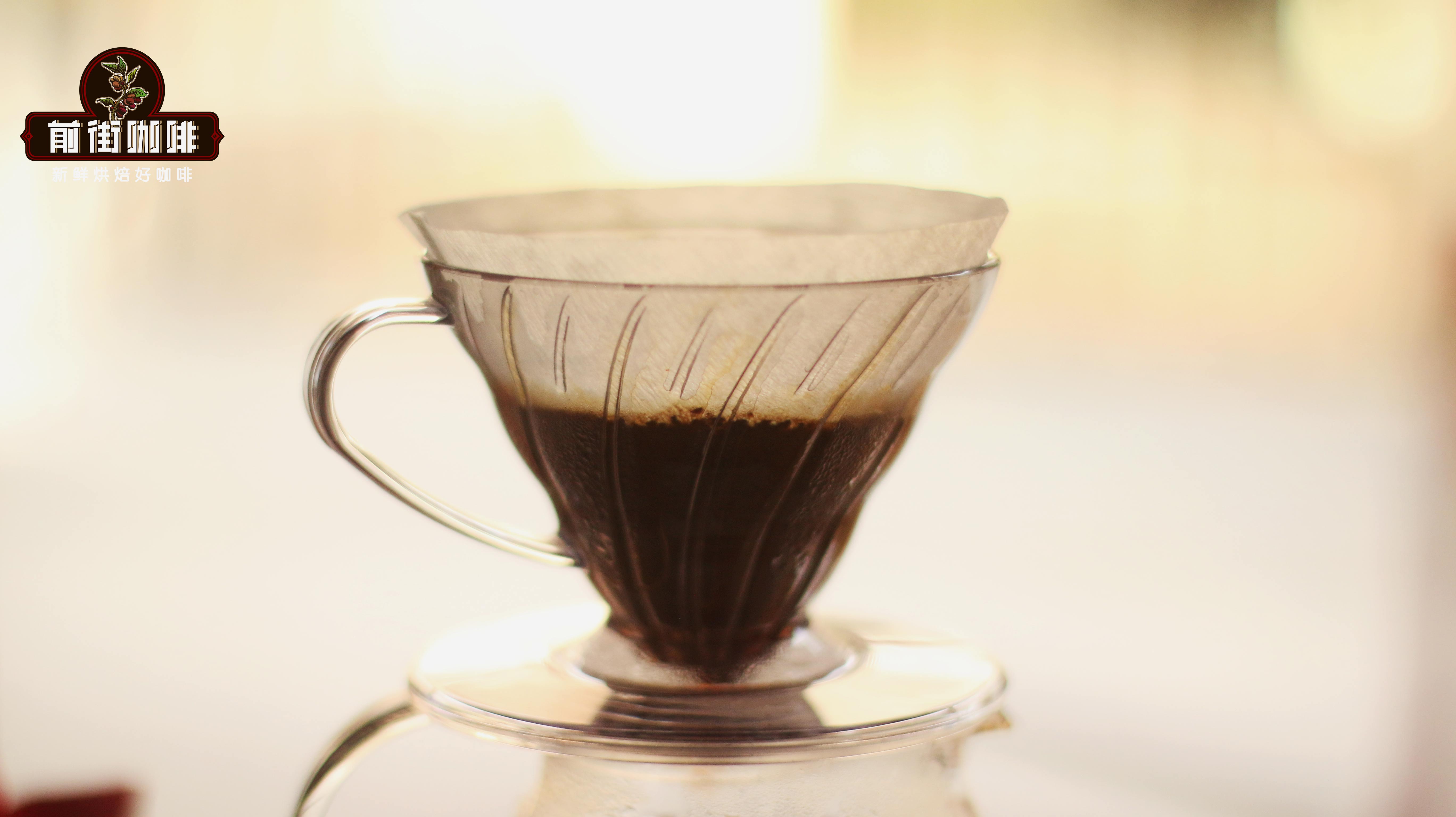
Therefore, in coffee, the best extraction rate is extracting 60~70% of the soluble substances. If it is less than 60%, it is under-extraction, and the coffee flavor will be incomplete. If it is greater than 70%, it is over-extraction, and the coffee will present more unpleasant flavors. It is precisely because of this that the SCAA reached the conclusion of a coffee-to-water ratio of 1:15.
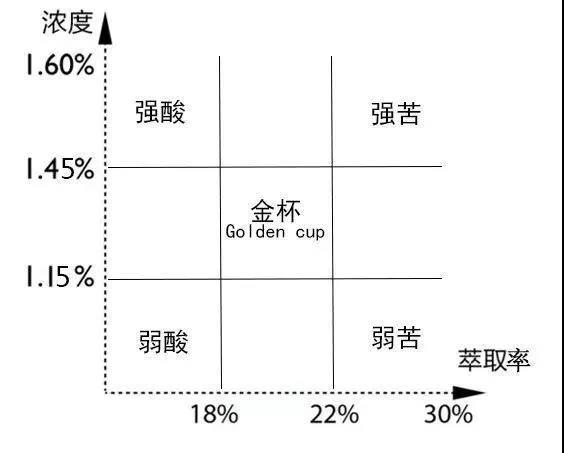
SCAA Golden Cup extraction chart
The seven elements of pour-over coffee
The pour-over coffee-to-water ratio mentioned above by Front Street Coffee is only one element of pour-over coffee. There are six other elements. Next, Front Street Coffee will briefly mention the seven elements of pour-over coffee.
1. Fresh coffee beans
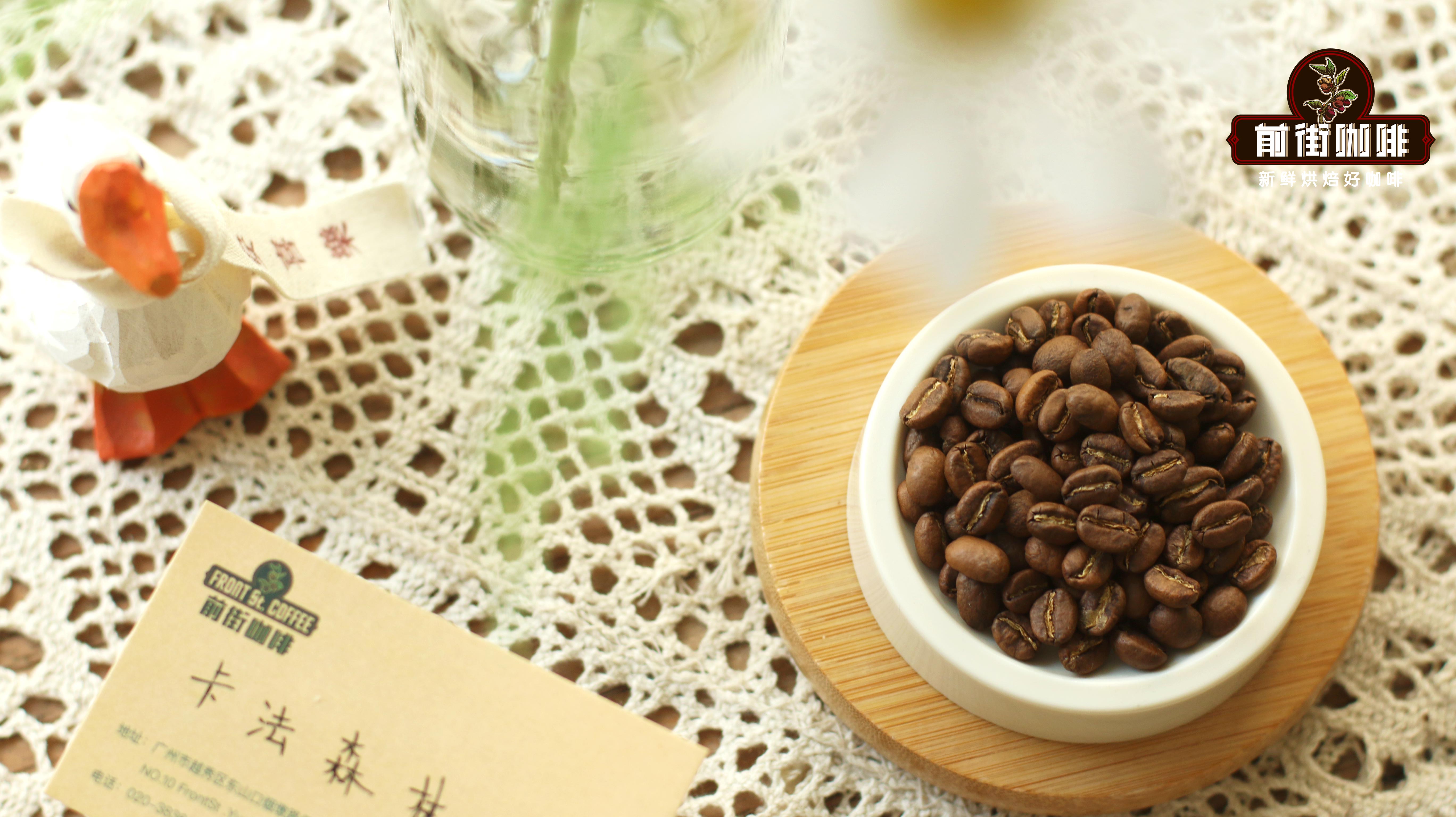
Front Street believes that the best flavor period for coffee beans is 30 days. After 30 days, because aroma molecules decrease with the release of carbon dioxide, coffee beans past their best flavor period may taste bland and flat when brewed. This is also why Front Street always emphasizes "use freshly roasted coffee beans" before every explanation of brewing knowledge.
2. Coffee bean grind size
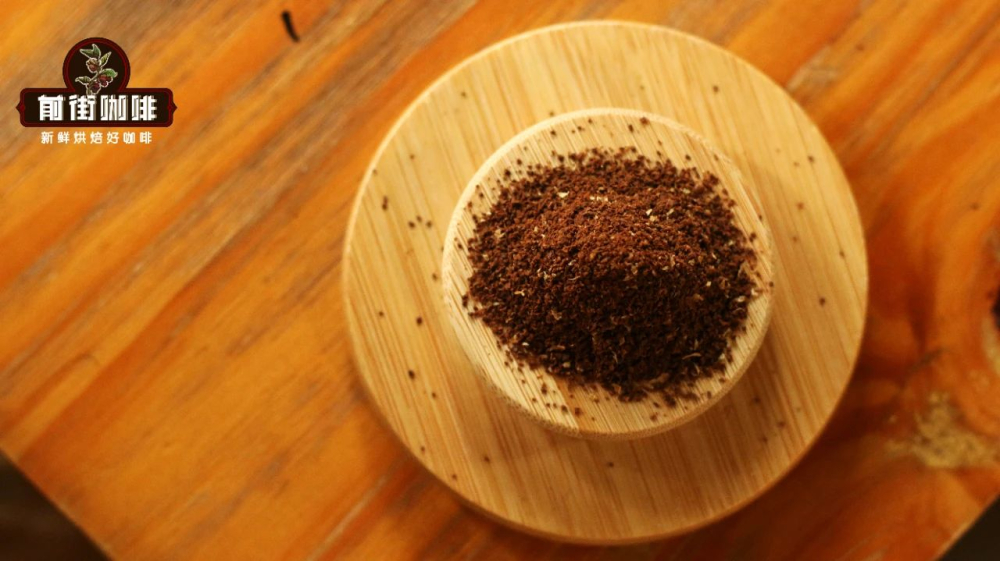
The finer the coffee beans are ground, the easier coffee grounds accumulate at the bottom of the filter paper, the greater the extraction resistance, so the flow rate is slower and the extraction time is longer. The extracted coffee is prone to unpleasant flavors such as woody or miscellaneous notes. The coarser the coffee beans are ground, the larger the gaps in the coffee bed, the less coffee grounds come into contact with hot water, the weaker the extraction resistance, the faster the coffee drips, and the lower the extraction rate, so the coffee flavor is also lighter.
How to determine coffee bean grind size?
Of course, Front Street Coffee also wants to emphasize one point: the grind size of each specialty coffee will differ depending on the flavor presentation, so sieve testing should be used to determine the coffee bean grind size. Before that, Front Street Coffee suggests coffee-loving friends buy a No. 20 cup testing correction sieve. (As shown in the picture below)
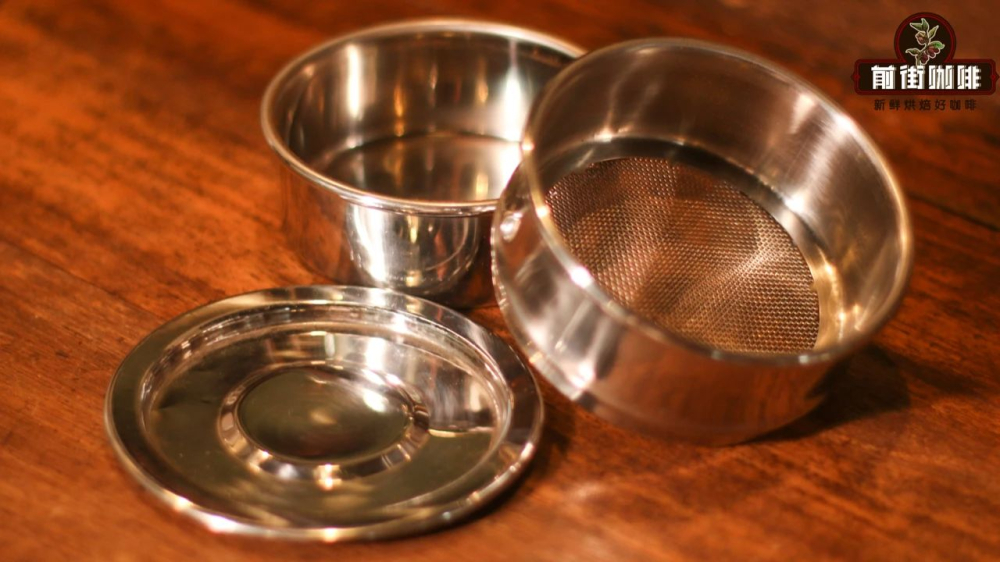
Then weigh out 10g of coffee beans, set a rough grind size and grind them into coffee grounds, pour them into the sieve for sifting, and weigh the sifted coffee grounds (you must sift until no more coffee grounds can pass through the sieve to consider sifting complete). A pass-through rate of 80% (8g can be sifted from 10g of grounds) is the most suitable grind size for medium-light roasted coffee beans, and a pass-through rate of 70%-75% (7-7.5g sifted from 10g of grounds) is the most suitable grind size for medium-dark roast. If it exceeds the suitable pass-through rate, adjust the grind size coarser appropriately; if it does not reach the suitable pass-through rate, adjust the grind size finer appropriately.
3. Brewing water temperature
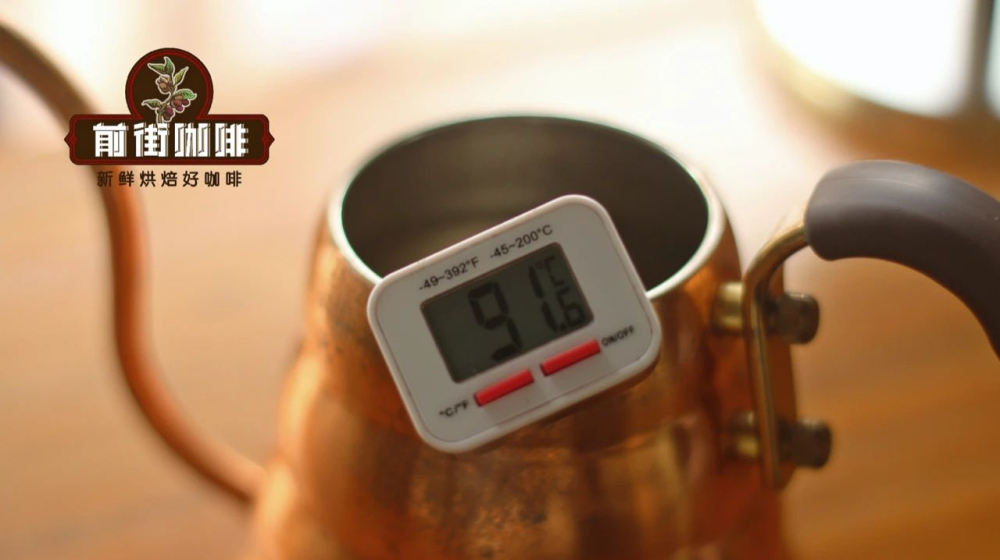
Front Street Coffee also chooses different water temperatures when brewing pour-over coffee with coffee beans of different roast levels. During roasting, the substances contained in coffee beans are lost as the roast level deepens, so dark-roasted coffee beans use lower temperatures to avoid extracting too many miscellaneous flavors. For medium-light roasted beans, Front Street Coffee suggests using a water temperature of 90-91℃, and for medium-dark roasted beans, it suggests using a water temperature of 87-89℃.
4. Water quality
The mineral components in water, such as mineral ions like calcium, magnesium, sodium, and potassium, affect coffee's thermodynamic extraction ability, thereby changing the coffee flavor. Front Street Coffee does not recommend directly heating tap water for brewing. Tap water has many impurities, and the extracted coffee is prone to an unpleasant experience.

5. Choice of brewing dripper

Front Street suggests that beginners choose the V60 01 dripper (the first dripper on the left in the picture above). The V60 conical dripper has a relatively large opening, and together with its unique spiral curved ribs, it makes it easier for air to escape, thereby improving extraction quality. The body may not be thick enough, but the acidity, sweetness, and obvious aroma brought out by its high concentration are one of its major characteristics.
6. Coffee-to-water ratio
From the description above by Front Street Coffee, the following conclusions can be drawn
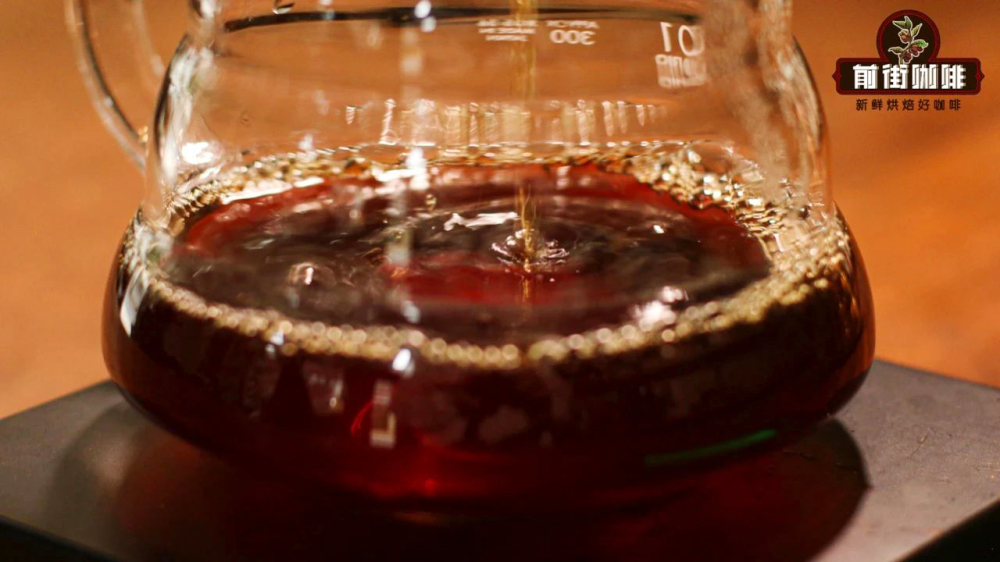
[Strong taste] 1:10~1:11, i.e. 1:12.5~1:13.5 under the Golden Cup standard
[Moderate taste] 1:12~1:13 (i.e. 1:14.5~1:15.5 under the Golden Cup standard)
[Light and fresh] 1:14~1:16 (i.e. 1:16.5~1:18.5 under the Golden Cup standard)
7. Brewing time
During coffee extraction, the aroma and flavor in the early stage are rich and the concentration is also high. The further the extraction liquid goes, the more the flavor and aroma fade, and the amount of water poured will also affect the coffee extraction time. Front Street Coffee generally uses 15g of grounds, varying by bean, and with a water-to-coffee ratio of 1:15, the brewing time will be within 2 minutes to 2 minutes 30 seconds, making it less likely to cause over-extraction or under-extraction.

After understandingthe seven elements of pour-over coffee, coffee-loving friends need to know the brewing principles of pour-over coffee in order to brew a cup of good-flavored coffee.
What is the principle of brewing coffee?
Brewing coffee is actually the process of extracting molecules from coffee cells, and this process includes the following three steps: wetting, dissolving, and releasing. These three steps occur successively and influence each other, ultimately producing the coffee's flavor.
[Wetting]
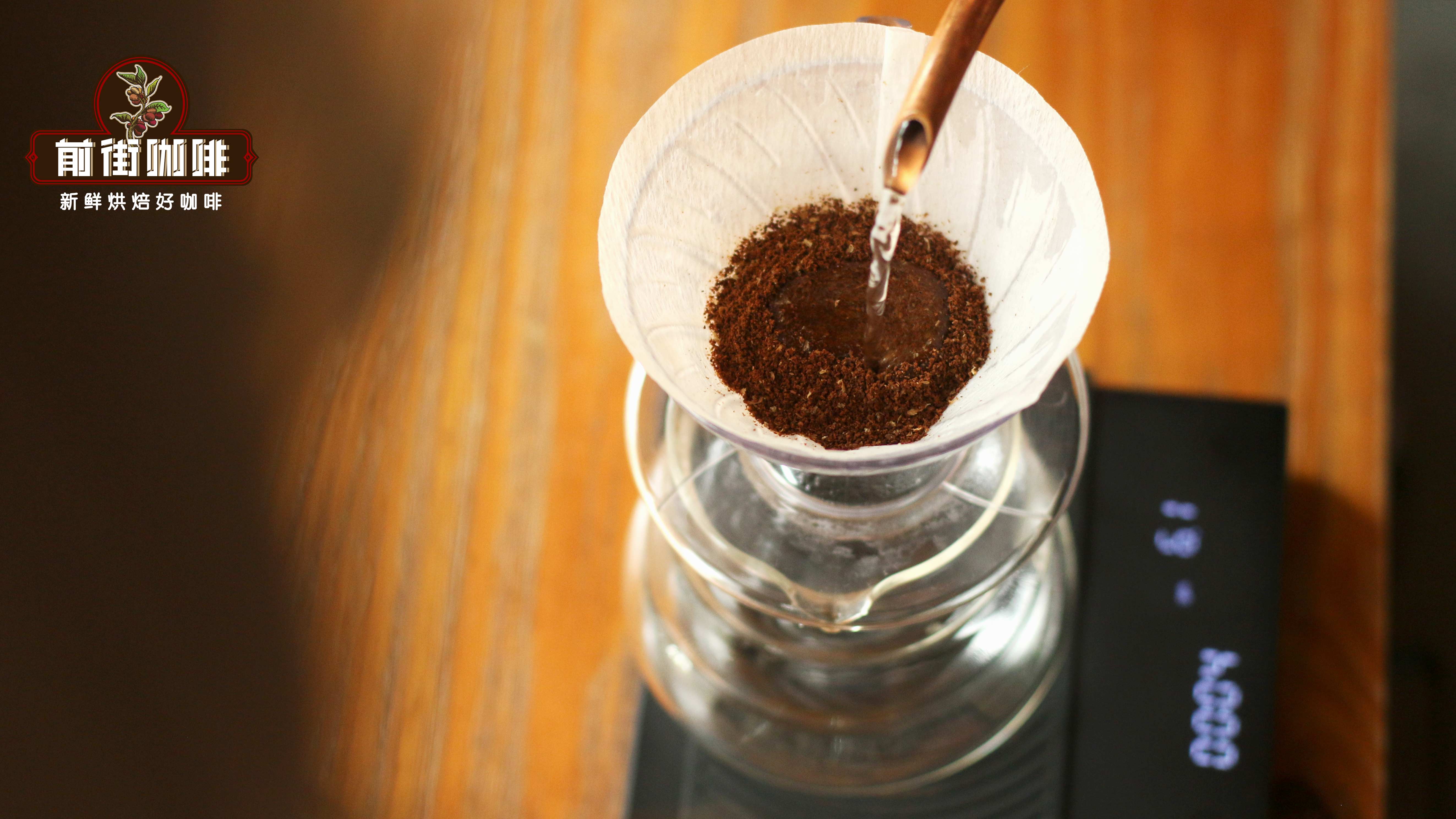
Literally, it means that the coffee grounds are moistened after contact with water. This is the starting point for coffee cells to begin releasing molecules, which is also the blooming process Front Street often mentions.
[Dissolving]
Dissolving refers to the process in which soluble molecules in coffee cells dissolve into hot water. This is the most important step and determines the extracted coffee flavor, which is also the extraction process Front Street often mentions.
[Diffusion]

After aroma molecules dissolve, they leave the coffee cells by osmosis. This process is called diffusion. After aroma molecules diffuse into the hot water, the final coffee extract is formed. Front Street also mentioned above that the extraction of a cup of coffee first extracts acidity, then sweetness, and finally bitterness, so after a cup of coffee is extracted, it must be swirled a few times so that the coffee liquid blends evenly. Only in this way can the most complete coffee flavor be tasted.
The above is what Front Street Coffee has compiled regarding how novice coffee enthusiasts shouldlearn about pour-over coffee, hoping to help coffee lovers who want to understand pour-over coffee, thereby reducing incorrect operations and brewing delicious coffee. Next, Front Street Coffee will share the parameter process for brewing Yirgacheffe washed Gutingting coffee beans.
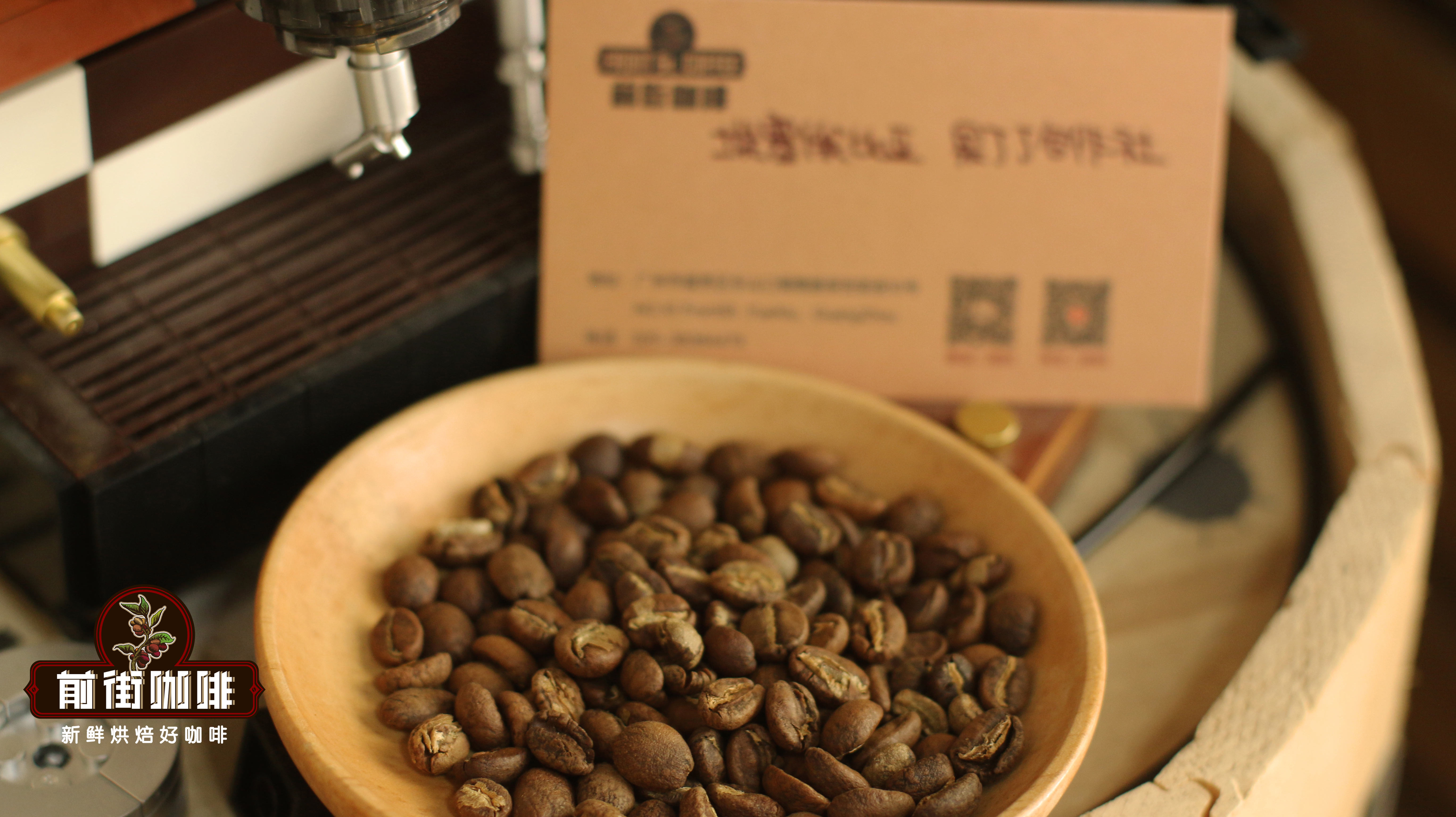
Front Street Coffee: Ethiopia · Gutingting coffee beans
Country: Ethiopia
Region: Yirgacheffe
Altitude: 1900-2300m
Variety: local heirloom
Processing method: washed processing
Flavor: tropical fruit, cream, honey, berries, citrus
Front Street Coffee brewing data sharing
Dripper: V60 #01
Water temperature: 90-91 degrees
Dose: 15g
Coffee-to-water ratio: 1:15
Grind size: medium-fine grind (sieve to 80% with No. 20 sieve bowl)
Brewing method: three-stage extraction
In the first stage, pour 30g of water for 30 seconds of blooming, then pour 95g (the electronic scale shows about 125g), and finish pouring in about 1 minute. When the water level drops to 2/3 of the coffee bed, pour the remaining 100g (the electronic scale shows about 225g), and finish pouring in about 1 minute 35 seconds. Dripping is completed at 2'00''-2'10", remove the dripper, and extraction is complete.
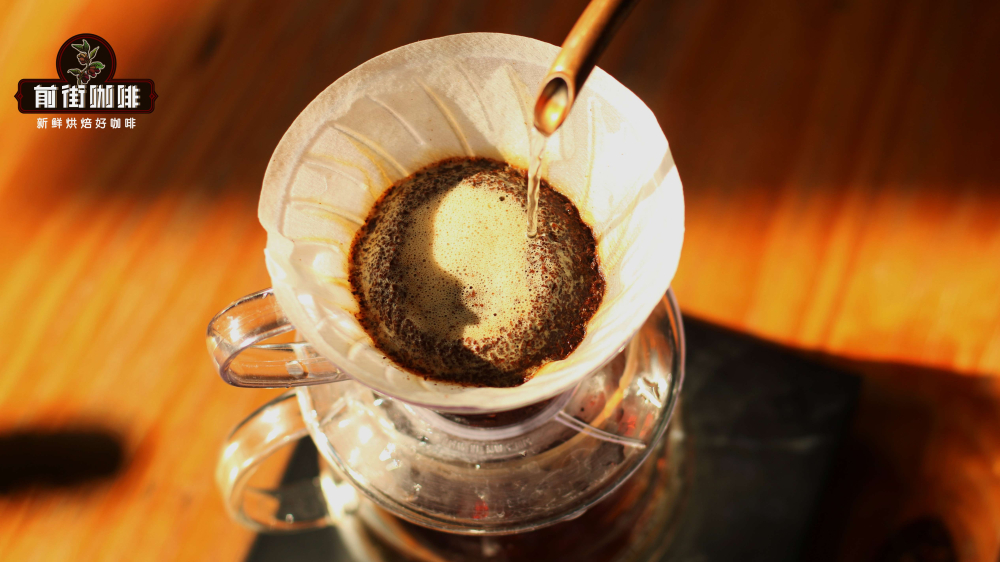
Washed Gutingting brewing flavor: citrus and black tea on the entry, with cream, caramel, and almond as the temperature changes, and a clearly sweet aftertaste with a clean and sweet mouthfeel.
For more specialty coffee beans, please add the private WeChat Front Street Coffee, WeChat ID: kaixinguoguo0925
The above content is compiled by CoffeeHunters, a coffee news website.


