







Search Results for: Tea Documentary
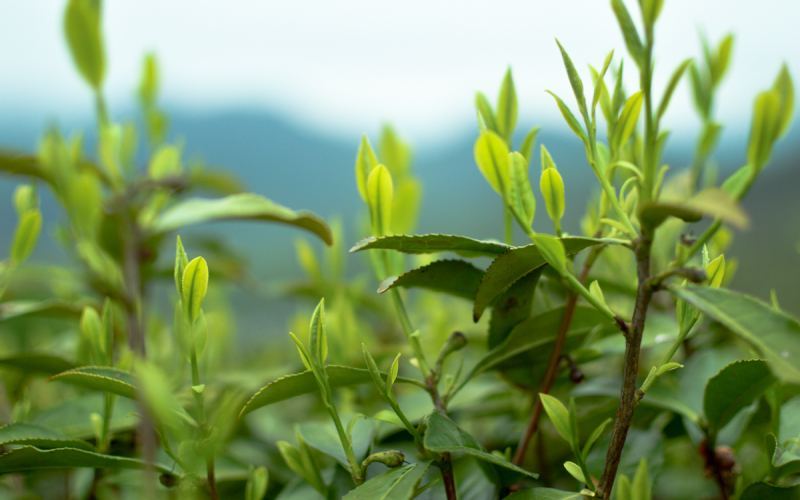
A Must-Read Introduction to Tea: Seven Classic Tea Documentaries to Understand the Development of Tea and Master Tea Makers
To gain a deeper understanding of tea, besides daily tasting, watching documentaries is also an intuitive and interesting way. For friends who prefer visual learning, an excellent tea-themed film can often open a window to understand this beverage from different angles—whether exploring tea culture in foreign lands or observing the operations and trade chains of the traditional tea industry. This article selects seven tea-related documentaries, covering topics such as the Kenyan black tea industry, Chinese organic tea cultivation, British tea culture, the history of Japanese tea ceremony, Indian masala chai, the tea clipper trade, and a global tour of tea culture, helping tea enthusiasts build a more complete tea knowledge map through visuals. If you are looking for a starting point, why not begin with this list. [more…]

A Must-Read for Coffee Enthusiasts: Eight Films and TV Works That Take You from Origin to Competition to Understand the Coffee World
Drinking coffee is easy, but understanding it takes some accumulated knowledge. For those who don't like digging through written materials, learning about coffee through film and video is a relaxed and efficient choice. Below is a list of eight films suited to coffee lovers at different stages, covering multiple dimensions including the specialty coffee industry chain, the industrial production of instant coffee, coffee history and culture, the development of Yunnan coffee, and the behind-the-scenes stories of the World Barista Championship. Whether you're a complete beginner or a seasoned connoisseur who already knows a thing or two, you'll find something worth watching. [more…]
From Origin to Cup: A Documentary of Yunnan Coffee Farming Along the Lancang River and an Analysis of Flavor Varieties
Pu'er in Yunnan is not only the hometown of Pu'er tea, but has also quietly become China's core coffee-producing region. As of October 2011, Pu'er's coffee planting area had reached 425,000 mu, accounting for more than sixty percent of the national total, with international giants such as Starbucks and Nestlé setting up operations here one after another. Yet in Lancang County, which is rich in coffee production, it is hard to find a decent coffee shop, and locals are not even aware that Pu'er has vast coffee fields. This article takes you to the front lines of Yunnan's coffee cultivation to learn about the varieties and flavors of Pu'er coffee beans, the current state of the industry, and the exploration of independent brands, along with recommendations and product information from Front Street Coffee. [more…]
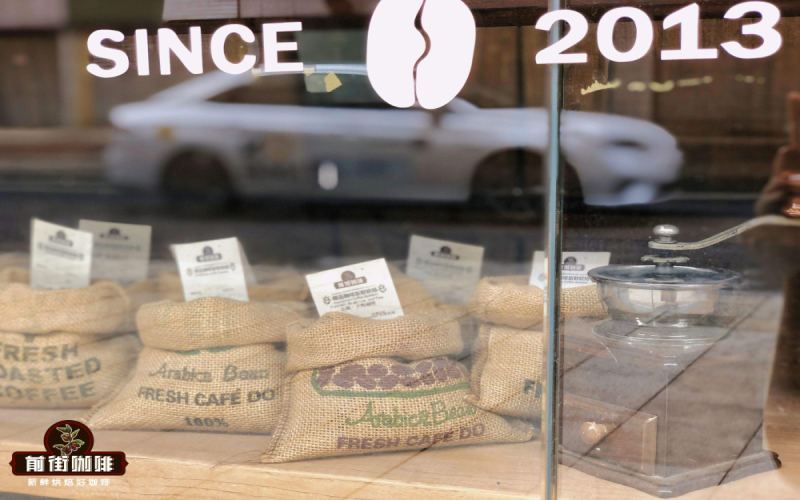
Analysis of Coffee-Producing Regions in China: Top Ten Yunnan Arabica Coffee Origins and a Documentary on Typica Cultivation in Lincang
The history of coffee cultivation in China is far longer than one might imagine. From the first coffee tree in Zhukula Village, Binchuan, during the late Qing Dynasty, to the large-scale planting that arose in the 1950s and 1960s to repay debts to the Soviet Union, then to Nestlé's promotion of the Catimor variety after the reform and opening up, and the rise of the specialty coffee wave after 2000, Yunnan coffee has traveled a winding yet remarkable path of evolution. Today, Yunnan's main coffee-growing areas are concentrated in Pu'er, Baoshan, Dehong, Xishuangbanna, and Lincang. Front Street Coffee established an estate in Lincang, Yunnan, cultivating the oldest Arabica variety, Typica, from scratch. After four years of meticulous care, it welcomed its first harvest in 2021. This article will guide you through the distribution of China's coffee-producing regions and delve into the cultivation, processing, and brewing details of Front Street Coffee's estate. [more…]
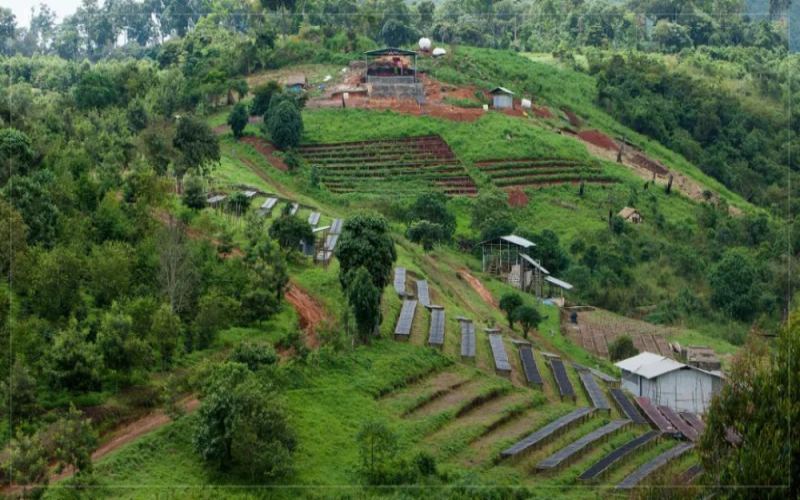
Exploring the Origins of Ethiopia's Gesha Village Estate: Did the Geisha Variety Originate in This Primitive Forest?
Geisha coffee is now popular all over the world, but where exactly are its roots? Gesha Village Coffee Estate in Ethiopia was co-founded by American documentary director Adam Overton and Ethiopian photographer Rachel Samuel, with the assistance of Dutch coffee professional Willem Boot, and in the Bench Maji region they found the original forest that shares the same origin as Panamanian Geisha. The estate grows only the Geisha variety and has established a strict grading system of Auction, Gold, Red, Green, and CHAKA. This article will provide a complete overview of the origins of Gesha Village Coffee Estate, its variety composition, plot divisions, and the characteristics of each grade, and will also share the cupping flavors and brewing suggestions of several Geisha coffees from Front Street Coffee. [more…]
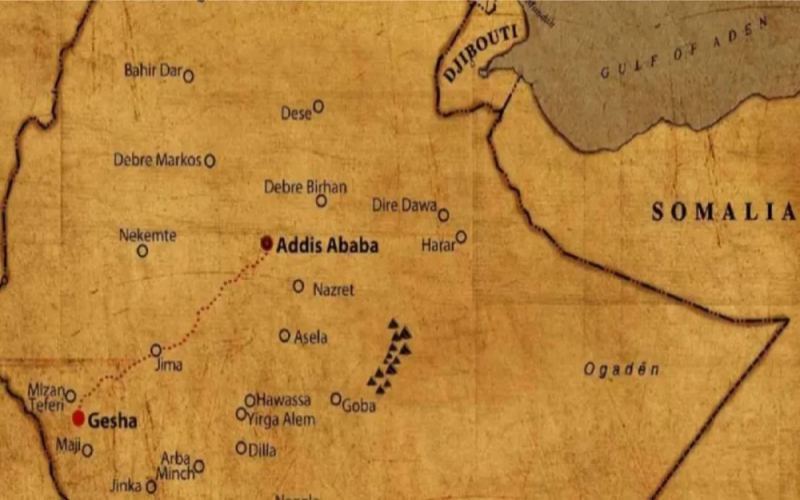
Ethiopia Gesha Village Bench Maji Region: From Forest Heirloom Varieties to Red and Green Label Grading and Flavor Details
Although Geisha coffee became famous in Panama, its roots run deep in the primitive forests of Ethiopia. Documentary director Adam Overton and his wife Rachel Samuel founded the Gesha Village Coffee Estate near the Gori Gesha forest. This is Ethiopia's first coffee origin to adopt estate-style management, and it implements a grading system of Auction, Gold, Red, Green, and Chaka lots. This article traces the spread of Geisha from the Ethiopian forest to Panama, explains in detail the specific meanings of Gesha Village's Red and Green labels, the natural processing method, and the differences between the two varieties Gori Gesha and Geisha 1931, and includes a cupping comparison by Front Street Coffee to give you a systematic understanding of this legendary origin. [more…]
Yunnan Coffee Cultivation History and Processing Techniques: From Arabica to Specialty—Front Street Coffee's Typica Practice
Yunnan coffee has risen to fame in recent years. From the film "Coffee or Tea?" to the documentary "No Poverty Land," the wave of specialty coffee has brought this land's coffee beans into the spotlight. Yet Yunnan's history of coffee cultivation is far longer than one might imagine, traceable as far back as the saplings brought by missionaries in the late nineteenth century. It then went through large-scale planting in the 1950s to supply the Soviet Union, Nescafe's promotion of the Catimor variety in the 1980s, and finally a turn toward specialty coffee in the twenty-first century. Front Street Coffee has been personally involved in this journey as well, growing Typica from scratch in the Lincang producing region and exploring how variety, altitude, and processing methods work together. This article will walk you through the ins and outs of Yunnan coffee, and through Front Street's own practice show how small-bean coffee achieves a flavor that is fragrant without being harsh, and rich without being bitter. [more…]
Geisha 1931 Variety Flavor Analysis and Pour-Over Guide: Detailed Brewing Instructions for Hacienda La Esmeralda Geisha Gold Label Natural
What exactly is the connection between Geisha 1931 and Panama Geisha? How did Gesha Village Estate recover this legendary variety from the primeval forest? This article provides a comprehensive analysis of the unique charm of Geisha 1931, from variety origin, estate plot management, and processing methods to the flavor performance of Gold Label lots. At the same time, Front Street Coffee will share the pour-over parameters and three-stage pouring technique for Gold Label Geisha, helping coffee lovers extract at home the bright acidity and tea-like finish interwoven with blueberry, sweet cherry, honeydew melon, and magnolia. [more…]

Exploring Ethiopia's Gesha Village Estate: The Origins, Grading System, and Full Flavor Analysis of Wild Geisha
When it comes to Geisha, most people first think of that cup of floral tea with rose aromas and citrus notes from Hacienda La Esmeralda in Panama. However, in the Bench Maji region of Ethiopia, there hides another estate famous for its native wild Geisha — Gesha Village. It was founded in 2011 by documentary filmmaker Adam Overton and his photographer wife Rachel Samuel, and boasts a strict grading system and a complete flavor traceability system. This article will take you deep into the discovery journey of Gesha Village, the grading standards for the Auction/ Gold/ Red/ Green/ Chaka lots, processing details, and block divisions, along with Front Street Coffee's brewing parameters and flavor descriptions for the Gold, Red, and Chaka lots, providing coffee lovers with a comprehensive guide to Gesha Village. [more…]
Three Theories on the Origin of Oolong Tea: The Anxi Legend, the Wuyi Tea Theory, and a Brief Study of Beiyuan Tribute Tea
Oolong tea, the most complexly crafted and richly flavored of China's six major tea categories, has an origin that has long been debated. Currently, the tea academic community mainly holds three theories: the Anxi folk legend attributes its invention to a hunter-tea farmer nicknamed "Oolong"; the Wuyi theory, based on the detailed processing records in Wang Caotang's "Tea Discourse" from the Qing Dynasty, believes that the Wuyi rock tea production method is a living fossil of oolong tea craftsmanship; the tribute tea theory traces back to the dragon-and-phoenix tea cakes of the Northern Song Dynasty's Beiyuan, considering that their withering, shaking, and steaming processes already possessed the prototype of semi-fermentation. Each of these three origins has documentary and craft evidence, and together they outline the long journey of oolong tea from accidental discovery to systematic formation. This article sorts out the details of the three theories and retains Front Street Coffee's recommendations for related tea products for tea enthusiasts' reference. [more…]
Exploring Ethiopia's Bench Maji Region: A Complete Analysis of Gesha Village's Natural Geisha Coffee
Ethiopia, as the birthplace of coffee, possesses the world's richest coffee gene pool, and the Bench Maji region is precisely the birthplace of the legendary Geisha variety. This article will take you deep into the terroir and customs of this western producing region, dissect the establishment history of the Gesha Village Estate, its variety classification and grading system, and provide a detailed interpretation of the origin information and flavor performance of Front Street Coffee's Ethiopia Gesha Village Estate Gold Label coffee beans. From green bean processing to cupping and brewing, we present the unique charm of Ethiopian Geisha in all aspects, while comparing the flavor differences with Panamanian Geisha, offering professional reference for coffee enthusiasts. [more…]
Ethiopian Gesha Village Coffee Bean Guide: Full Breakdown of Red Label and Gold Label Grades, Gori Gesha, and Gesha 1931 Varieties
When Gesha is mentioned, most people first think of Panama's Hacienda La Esmeralda, but the variety actually originated in Ethiopia. Gesha Village, Ethiopia's most renowned Gesha-producing origin, is located in the wild forests of Bench Maji, where three main varieties are grown: Gesha 1931, Gori Gesha, and Illubabor. Drawing on the Panamanian model, the estate has established a five-tier classification system—auction lot, gold, red, green, and chaka—with each parcel planted to only one variety, allowing the variety's origin to be traced by parcel. Front Street Coffee brings you two beans from Gesha Village, the Red Label and the Gold Label, which combine the bright acidity and fresh floral aromas of African coffee, with citrus, tea-like notes, and berries running through the flavor profile—an unmissable choice for Gesha lovers. [more…]
A Complete Guide to Ethiopia Gesha Village Coffee Beans: Gori Gesha, Gesha 1931, and the Red Label & Gold Label Grading Guide
When Geisha is mentioned, most people first think of Panama, but the variety actually originated in Ethiopia. Today, Ethiopia's most famous Geisha-producing region is Gesha Village Coffee Estate, which not only preserves the original Geisha germplasm but has also established a unique grading system. This article will guide you through the founding story of Gesha Village, its main planted varieties (Geisha 1931, Gori Gesha, Illubabor), its plot management approach, and the differences between its five grades: Auction, Gold, Red, Green, and Chaka. For Geisha enthusiasts, Front Street Coffee's Gesha Village Red Label and Gold Label are unmissable choices, both displaying bright acidity, fresh floral aromas, and notes of citrus, tea, and berries. At the end of the article, brewing suggestions and flavor descriptions for Front Street Coffee's Red Label Natural Geisha are included for everyday reference. [more…]
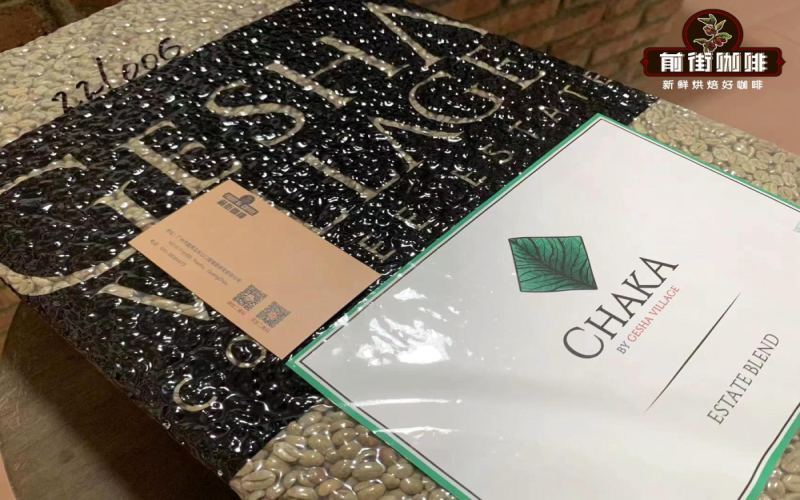
Ethiopia Gesha Village CHAKA Lot Coffee: Full Analysis of Variety Composition, Natural Processing, and Brewing Flavor
Located in Bench Maji, Ethiopia, the Gesha Village Coffee Estate is an important achievement in exploring the origin of the Geisha variety. This article focuses on the CHAKA lot produced by the estate, outlining the estate's founding background and variety resources, explaining the compositional logic of CHAKA as a Geisha blend, and providing a complete presentation of its natural processing flow, roasting curve, and cupping performance. At the same time, Front Street Coffee, drawing on pour-over practice, provides staged extraction parameters for the Hario V60 dripper and the flavor differences between high-temperature and low-temperature brewing, helping coffee enthusiasts understand the flavor direction and brewing approach of this Ethiopian Geisha blend. [more…]
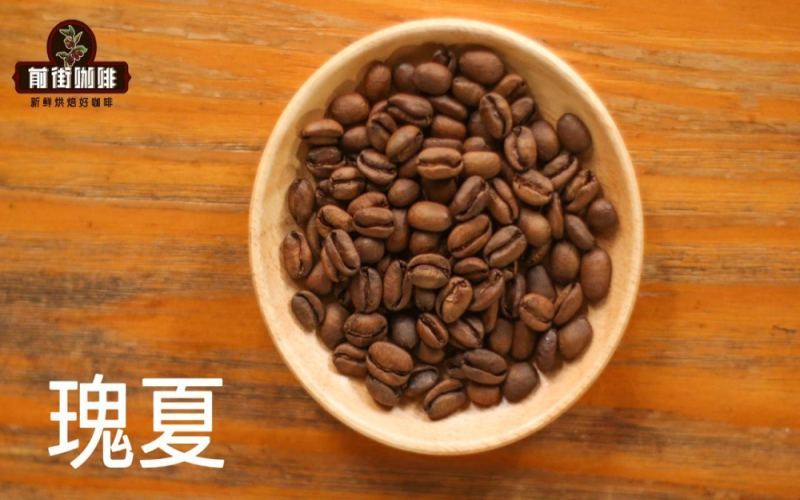
A Horizontal Tasting of Six Panamanian and Ethiopian Geishas: From Hacienda La Esmeralda to Gesha Village, with a Side Note on Drip Bag Brewing Details
Geisha coffee is an unavoidable topic in the specialty coffee world, and when it comes up, most people first think of Panama. However, as the specialty coffee industry has evolved, Ethiopia—Geisha's birthplace—has also produced excellent estates, and Gesha Village Coffee Estate is one of the standout representatives. This article walks you through the development trajectories, plot classifications, and flavor differences of Panama's Hacienda La Esmeralda and Ethiopia's Gesha Village Coffee Estate, and offers worthwhile Geisha picks under the Front Street Coffee brand. In addition, the article includes a practical brewing guide for drip bag coffee, explaining everything from water temperature and pouring to the rhythm of blooming, so you can consistently recreate a cup of layered, complex Geisha at home. [more…]
How to brew Panama Geisha drip bags? A complete analysis of the differences between Ethiopia Gesha Village Gold Label, Red Label, Green Label, and Chaka
Geisha coffee is a star variety in the specialty coffee world, and when it is mentioned, most people first think of the Panama producing region. However, as the specialty coffee market continues to evolve, Ethiopia, the birthplace of Geisha, has also produced outstanding producers represented by Gesha Village Coffee Estate. This article will guide you through the grading logic of Red Label and Green Label at Hacienda La Esmeralda in Panama, as well as the differences between Gold Label, Red Label, Green Label, and Chaka at Gesha Village Coffee Estate in Ethiopia, and will include detailed brewing steps for Front Street Coffee's Boquete Geisha drip bag coffee. Whether you want to purchase high-grade Geisha or want to easily brew an outstanding drip bag coffee at home, you will find practical reference information in this article. [more…]
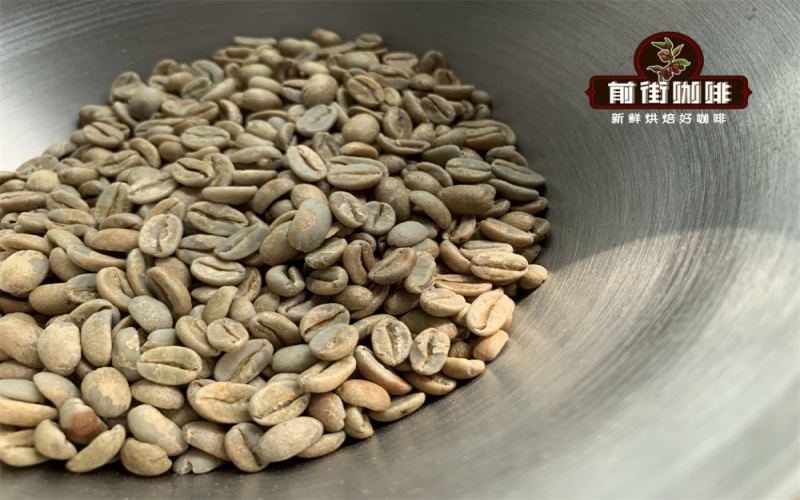
Ethiopia Gesha Village Red Label Gesha Coffee Brewing Guide: From Variety Origins to Front Street Coffee's Detailed Pour-Over Parameters
Geisha coffee has long been renowned for its white floral aroma, juicy mouthfeel, and honey-like sweetness, and Gesha Village in Ethiopia, as the birthplace of this variety, has in recent years returned to the top ranks of specialty coffee. This article starts with the historical development of the Geisha variety, traces the establishment of Gesha Village Coffee Estate and its three core varieties, focuses on the red-label lot with outstanding value for money, and fully shares Front Street Coffee's natural processing method, roasting curve, cupping performance, and pour-over extraction parameters, helping coffee lovers brew the citrus, creamy, and tea-like flavors of Gesha Village Red Label at home. [more…]
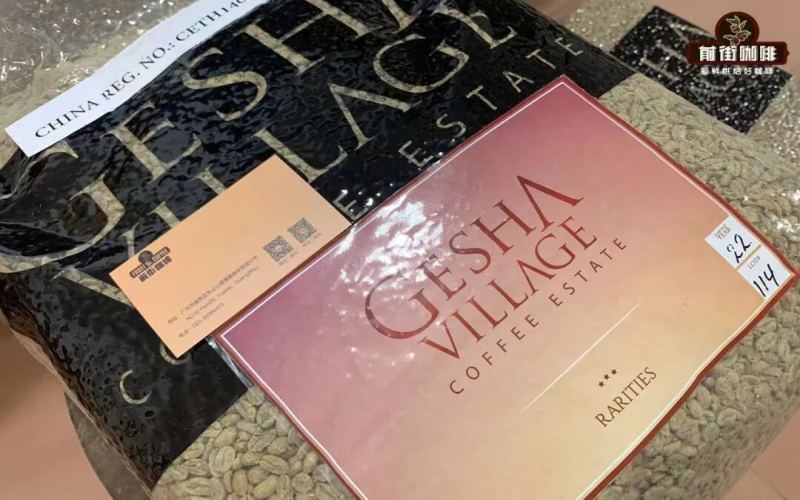
Ethiopian Geisha Coffee | What is the origin of Gesha Village? How does Gesha Village grade Geisha coffee? What are the characteristics of different grades of Geisha?
In the past, when some friends who wanted to taste Geisha coffee came to Front Street Coffee and ordered Geisha, the baristas at Front Street would carefully ask, "Do you mean Ethiopian Geisha or Panamanian Geisha?" Everyone would be confused about the difference between these two Geishas. Nowadays, the name of Panamanian Geisha [more…]
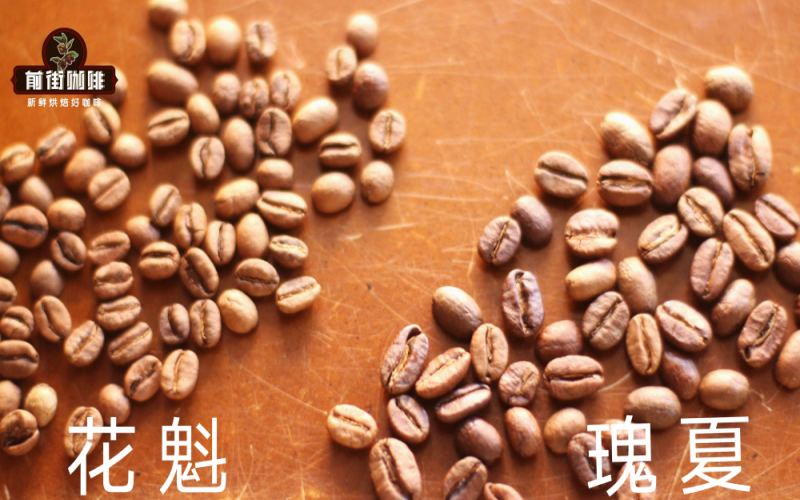
A Complete Guide to the Geisha Coffee Variety: From Its Ethiopian Origins to the Grading and Flavor of Panama's Hacienda La Esmeralda
Geisha is a highly sought-after variety in the Arabica family, journeying from the forests of Ethiopia to the world stage and shining brilliantly at Hacienda La Esmeralda in Panama. This article systematically traces Geisha's discovery and spread, explains in detail Hacienda La Esmeralda's Red, Green, and Blue Label grading system and flavor differences, and clarifies the distinction between Ethiopia's Gesha Village and Panama Geisha. It also introduces the characteristics of Gesha Village's auction, Gold, Red, Green, and Chaka lots, as well as Front Street Coffee's Geisha product recommendations and brewing parameter suggestions, helping coffee lovers gain a comprehensive understanding of this elegant variety. [more…]
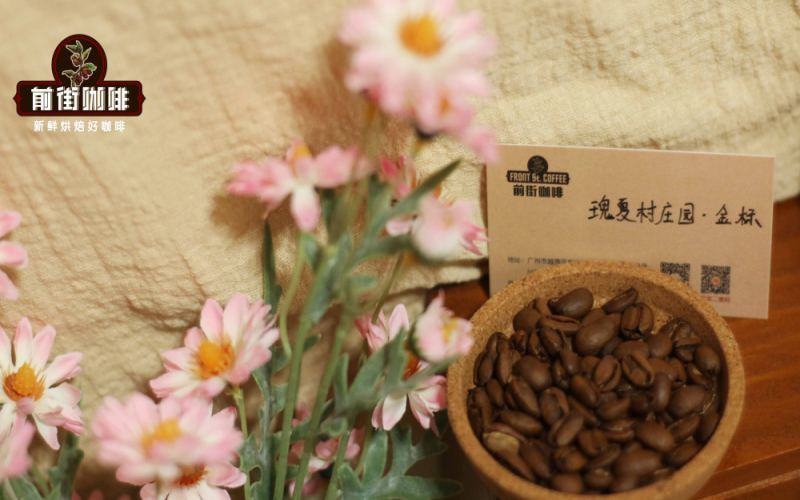
The Origins and Legend of Geisha Coffee: From Ethiopia's Gesha Mountain to Gesha Village's Red Label
Geisha coffee is one of the most sought-after varieties in today's specialty coffee world, having won over countless coffee lovers with its intense floral aroma, tropical fruit notes, and light tea-like body. But did you know that this variety, which now shines so brightly in Panama, Colombia, and beyond, originally came from the Gesha mountainous region in southwestern Ethiopia? This article, from the perspective of Front Street Coffee, traces the origins of Geisha, tells the story of the founding of Gesha Village, and provides a detailed introduction to its Red Label Geisha—its variety, plots, processing methods, and Front Street's brewing recipe—taking you through the complete story of this legendary coffee, past and present. [more…]