







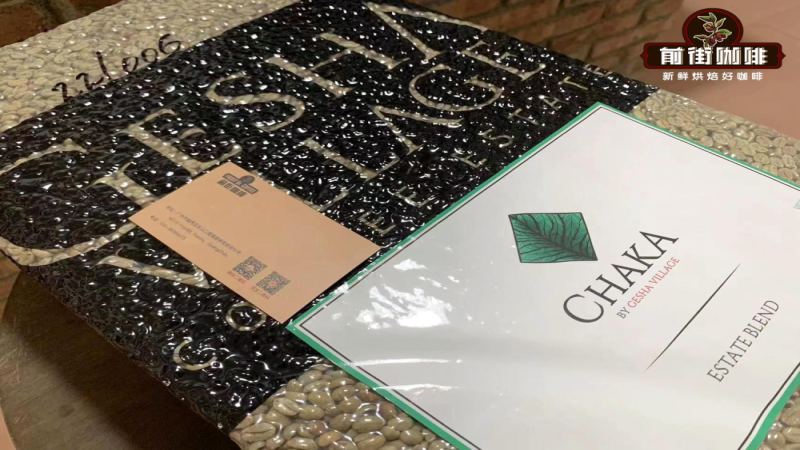
What defines the Gesha coffee from Gesha Village?
The CHAKA lot from Gesha Village Coffee Estate in Bench-Maji, Ethiopia, is a naturally processed blend built around Gori Gesha, Gesha 1931, and Illubabor varieties grown at 1,900 to 2,100 meters. The estate was founded after Adam Overton and Rachel Samuel traced the variety's origins with Willem Boot near the Gori Gesha forest.
CHAKA's variety mix shapes its cup: gesha coffee character shows floral and fruity notes, while the blend adds structure. Hand-brewing with a Hario V60 and staged pours lets brewers compare high- and low-temperature extraction, which shift sweetness, acidity, and aroma in the finished cup.
Located in Bench-Maji, Ethiopia, the Gesha Village Coffee Estate is a major achievement in the exploration of the origins of the Geisha variety. This article focuses on the CHAKA lot produced by the estate, outlining its founding background and variety resources, explaining the compositional logic of Chaka as a Geisha blend, and fully presenting its natural processing flow, roasting curve, and cupping performance. At the same time, Front Street Coffee combines hand-brewing practice to provide staged extraction parameters for the Hario V60 dripper and the flavor differences between high- and low-temperature brewing, helping coffee enthusiasts understand the flavor direction and brewing approach of this Ethiopian Geisha blend.
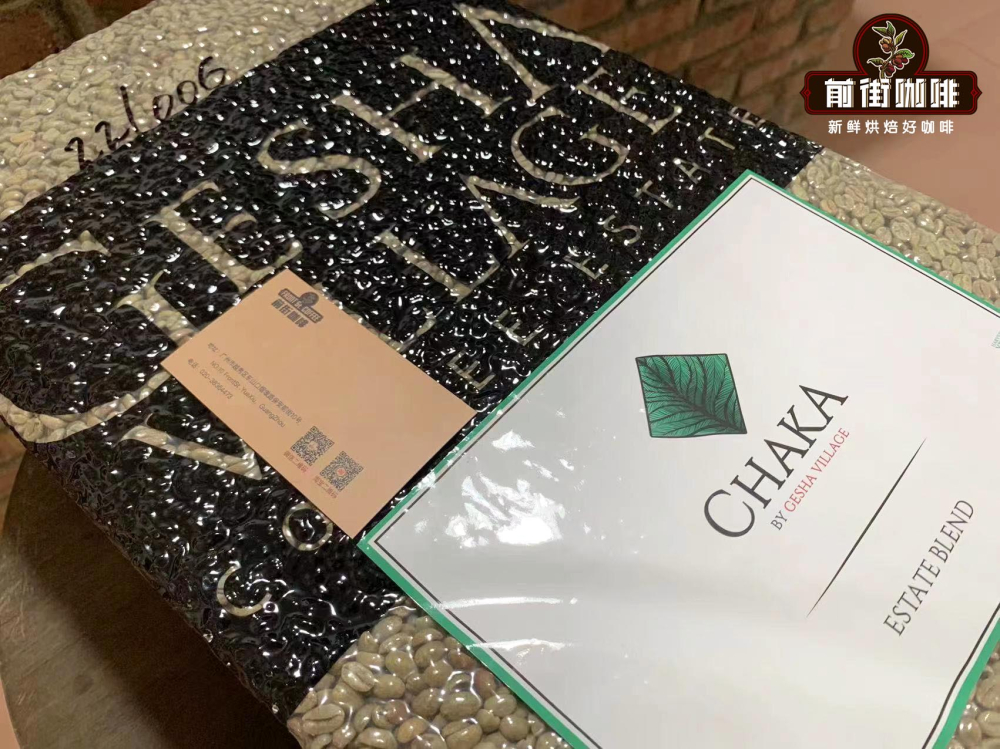
Gesha Village Coffee Estate CHAKA
Front Street Coffee: Gesha Village Chaka Lot
Country: Ethiopia
Region: Bench-Maji
Altitude: 1900-2100m
Varieties: Gori Gesha, Gesha 1931, Illubabor
Processing Method: Natural
| Gesha Village Coffee Estate
In 2007, documentary director Adam Overton and his photographer wife Rachel Samuel entered the Gera coffee forest in the Bench-Maji region while filming a coffee documentary for the Ethiopian government. This experience not only gave them a new understanding of the land of Ethiopia, but also prompted them to establish their own coffee estate and brand.
In 2009, they met Willem Boot, owner of Hacienda La Mula and a BOP judge. Willem Boot's ideas brought the Overton couple a new opportunity: to return to Ethiopia and pursue the original birthplace of Geisha.
Eventually, they came to Bench-Maji, a region in southwestern Ethiopia near South Sudan. Many places there are called Gesha Village and are regarded as the area most likely to contain the original Geisha. When they arrived in 2011, the estate site was still undeveloped.
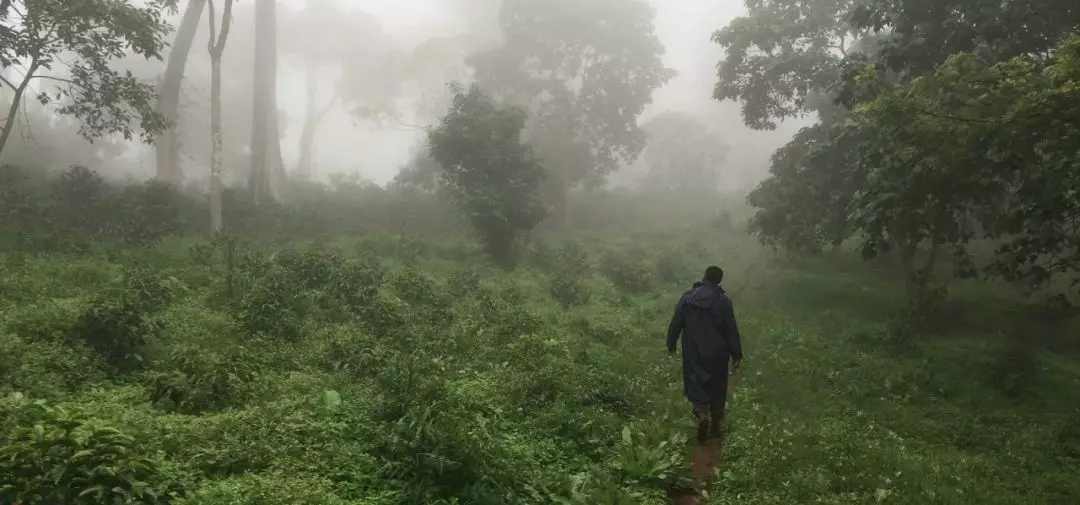
Adam followed Willem Boot in exploring the forests around the estate and discovered multiple wild tree species in a jungle surrounded by dense forest, among which the most surprising discovery was wild Geisha.
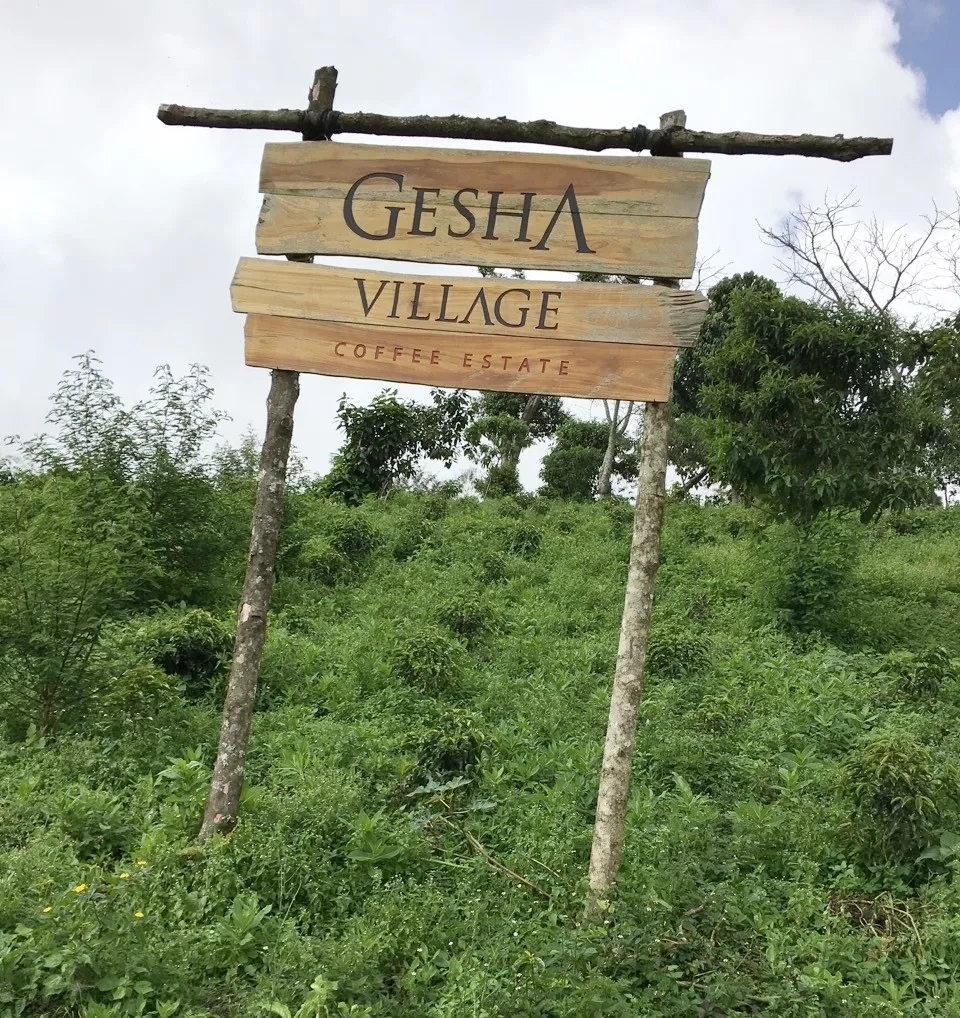
Only later did they learn that this was the Gori Gesha forest, the area where the Geisha variety was first discovered. So they collected seeds from native Geisha trees and selected them, then planted them at Gesha Village. They decided to establish the estate there and named it Gesha Village Coffee Estate, located about 12 miles from the Gori Gesha forest and covering 475 hectares.
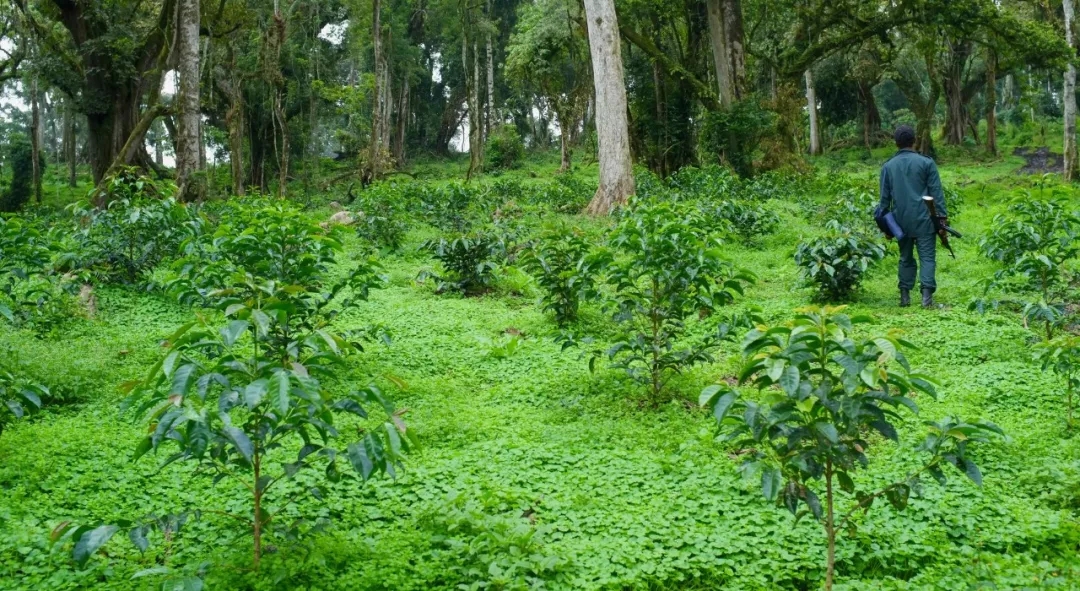
Gesha Village Coffee Estate differs from the vast majority of Ethiopian farms in that it is not a smallholder operation, but a large farm of 500 hectares equipped with its own washing station and laboratory, located in the southwest near the Sudanese border. What is most special is that the entire farm grows only Geisha varieties, rather than the Ethiopian heirloom varieties whose exact varieties are usually difficult to determine.
Gesha Village divides the farm into 8 blocks and grows 3 main Geisha varieties. All Geisha seeds were collected from nearby forests, not from Panama.
In October 2011, the farm began construction; the first harvest came in 2015. Due to enthusiastic feedback from all sides, with the assistance of Panamanian coffee estate owner Willem Boot, they held their first international auction on May 31, 2017, offering 21 micro-lots, of which 19 were 120 kg and the remaining lots were smaller. The response from bidders in Europe, North America, Asia, and Australia far exceeded expectations, and the top lot finally closed at US$85 per pound, setting a record for the highest auction price ever for African coffee.
| Chaka
Gesha Village's coffee grading includes: Auction, Gold, Red, Green, and CHAKA.
CHAKA is a Geisha blend launched by Gesha Village Coffee Estate, composed of Gori Gesha, Gesha 1931, and Illubabor (a disease-resistant Ethiopian native variety).
| Varieties
Gori Gesha (GG)
This variety continues the genetic diversity found within the Gori Gesha coffee forest.

Gesha 1931 (G31)
It combines multiple forest variety types and is very similar to Panama Geisha. It was selected by observing plant morphology, bean appearance, screen size, and cupping flavor.
Illubabor Forest 1974 (IF)
This variety was discovered during an expedition to the Illubabor forest in 1974 and was later developed by the Ethiopian research center into a resistant variety.
| Processing Method
This Gesha Village CHAKA uses the natural processing method.
First, floating matter and impurities are removed, then the cherries are placed on African-style raised beds and sun-dried in thin layers covered with plastic sheeting. During drying on the raised beds, they are sorted again to remove insect-damaged beans and greenish coffee beans. The total drying time is 18-30 days.
| Roasting Analysis
Roaster: Yangjia 800N (300 g batch size)
The drum temperature was raised to 190°C for charging, with the damper set to 3; after 30 seconds, the gas was adjusted to 130, and the damper remained unchanged. The turning point was at 1'45"; when the drum temperature reached 140°C, the damper was opened to 4 while the gas was adjusted to 170 to increase heat so the beans could dehydrate quickly and bring out aroma; when the drum temperature reached 150.6°C, the bean surface turned yellow, the grassy smell completely disappeared, and the drying phase began. When the drum temperature reached 168°C, the gas was adjusted to 130, and the damper remained unchanged.
At 7'59", wrinkles and dark spots appeared on the bean surface, and the toasted bread aroma clearly shifted to coffee aroma, which can be regarded as the prelude to first crack; at this point, it is necessary to listen clearly for the sound of first crack. First crack began at 8'42", and the damper was adjusted to 5 (adjusting the gas requires great caution and must not be reduced so much that there is no cracking sound). After first crack, development lasted 1'45", and the beans were dropped at 196.6°C.
Agtron bean color value 66.5 (upper image), Agtron pink value 81.4 (lower image), Roast Delta value 14.9.
Cupping: It smells of floral notes and a light fermented aroma; when slurped, it presents flavors of citrus, berries, cream, oolong tea, and cane sugar.
| Brewing Analysis
Recommended brewing method: hand brew
Dripper: Hario V60
Water temperature: 90-92°C
Grind size: medium-fine (80% passing through a Chinese standard No. 20 sieve)
Coffee-to-water ratio: 1:15

[Brewing method] Staged extraction. Bloom with 30 g of water for 30 seconds, then pour in a slow stream until 130 g for the first stage; when the water level is about to expose the coffee bed, continue pouring until 225 g to finish; when the water level is about to expose the coffee bed, remove the dripper. (Start timing at the beginning of the bloom.) The extraction time is about 1 minute 50 seconds.
[Flavor] When brewed at high temperature, this coffee has an obvious caramel sweetness on the palate, accompanied by citrus acidity, with an oolong tea note in the finish, and the overall sweetness is prominent; when brewed at a lower temperature, it smells of a light fermented aroma and tastes of citrus and grapefruit acidity, with cream, chocolate, and caramel flavors, showing a soft overall expression.
The above content is compiled by CoffeeHunters, a coffee news website.


