







Where Does Panama Geisha Coffee Stand Next to Ethiopia?
Geisha coffee is usually linked first to Panama, where it made its name at the BOP competition and sparked a planting wave. Ethiopia, the variety's birthplace, now also produces high-quality Geisha, with Gesha Village Coffee Estate as a leading example. The article compares the two origins' development paths, plot classifications, and flavor differences.
Geisha trees yield little, demand high growing altitudes, and require strict picking standards, so not every estate can produce high-quality lots. Hacienda La Esmeralda separates lots carefully and grades Geisha by plot, giving the Red, Green, and discontinued Blue Labels. The piece also covers drip bag brewing, including water temperature, pouring, and blooming rhythm for home brewing.
Geisha coffee is an unavoidable topic in the specialty coffee world, and when it comes up, most people first think of Panama. However, as the specialty coffee industry evolves, Ethiopia—the birthplace of Geisha—has also seen the emergence of excellent estates, with Gesha Village Coffee Estate being a prime example. This article walks you through the development paths, plot classifications, and flavor differences of Panama's Hacienda La Esmeralda and Ethiopia's Gesha Village Coffee Estate, and offers worthwhile Geisha selections under the Front Street brand. In addition, the article includes a practical brewing guide for drip bag coffee, covering water temperature, pouring, and blooming rhythm step by step, so you can consistently reproduce a layered cup of Geisha at home.
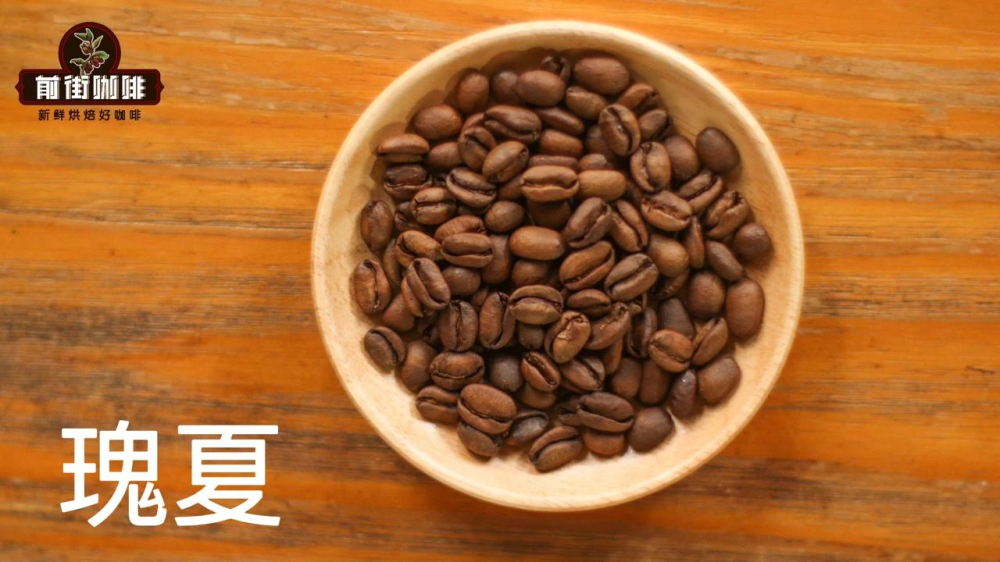
When it comes to Geisha coffee, most coffee enthusiasts' first reaction is often the Panama region. However, with the continuous evolution of the specialty coffee industry, in recent years Ethiopia, the birthplace of the Geisha variety, has also seen estates producing high-quality Geisha, the most representative of which is Gesha Village Coffee Estate.
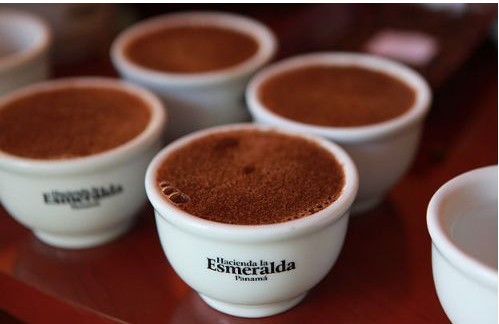
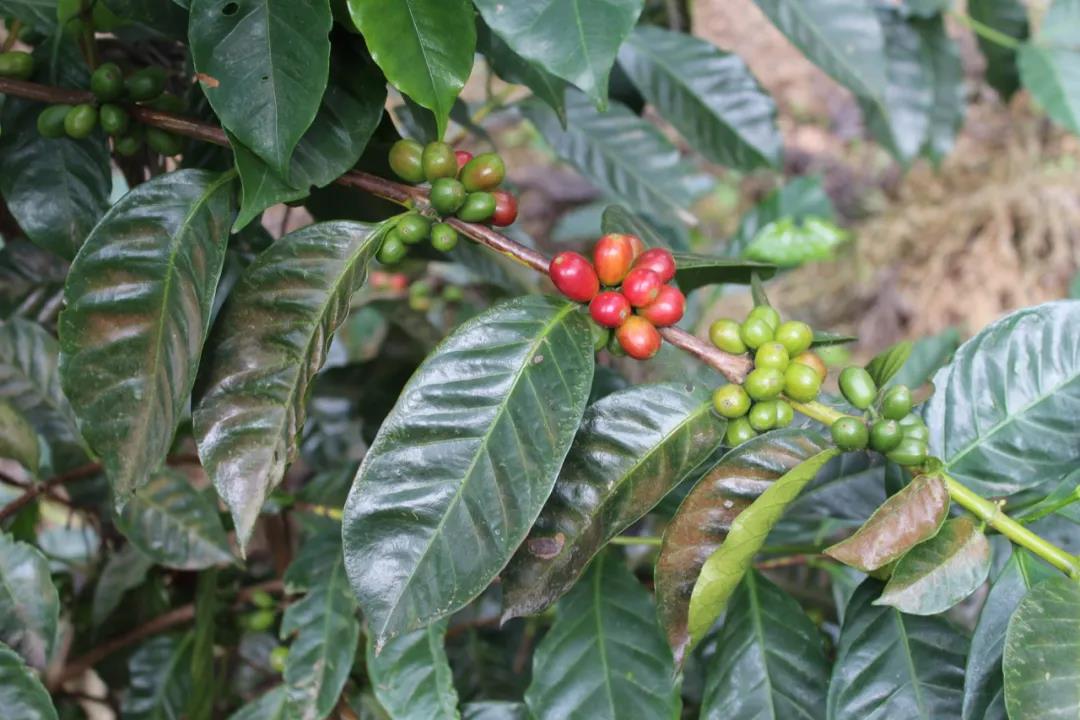
Geisha coffee made its name at the BOP competition, and afterward Panama saw a wave of enthusiasm for planting Geisha trees. But Geisha trees are not easy to cultivate well: their yields are low, they have strict requirements for growing altitude, and the picking standards during green bean processing are equally demanding. Because of these layered thresholds, not every estate can produce high-quality Geisha—one reason why Panama's Hacienda La Esmeralda has secured an important place in the Geisha market.
In addition, Geisha coffee has a rather interesting trait: the harsher the growing environment, the more outstanding the flavor of the coffee cherries it produces—though the difficulty of picking naturally increases as well.
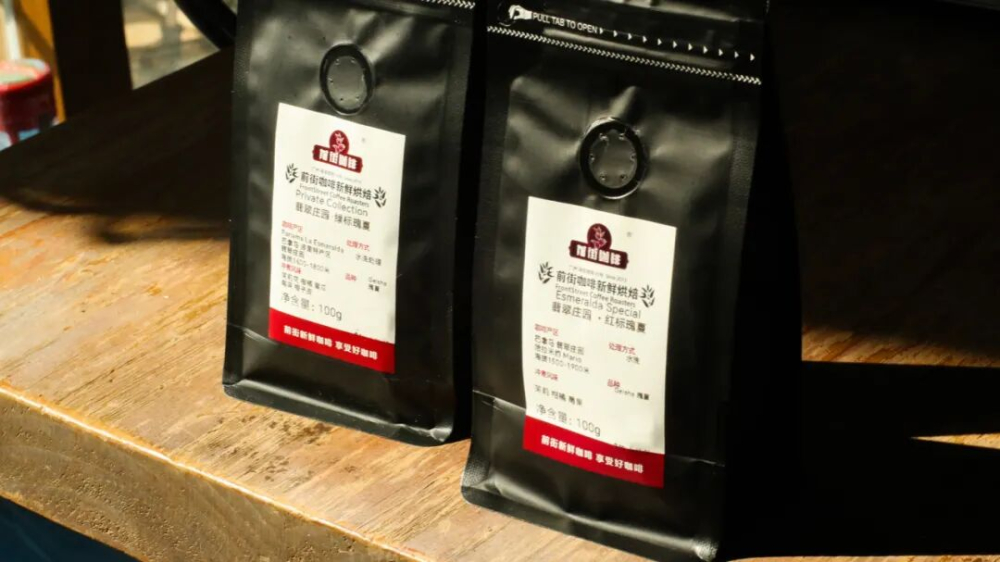
For this reason, Hacienda La Esmeralda has invested heavily in infrastructure to support strict separation between lots and meticulous processing, and it classifies Geisha grades by plot—namely today's Front Street Esmeralda Red Label, Front Street Esmeralda Green Label, and the now-discontinued Front Street Esmeralda Blue Label.
If you want to experience the highest-grade Geisha, you can choose Front Street Esmeralda Red Label, which lets you taste the most classic Panama Geisha flavor and get to know the most representative growing plots; if you simply want to appreciate what makes Hacienda La Esmeralda's Geisha unique, Front Street Esmeralda Green Label is a good choice—it is composed of blended plots and is currently the more cost-effective Panama Select-grade Geisha.
Gesha Village Coffee Estate is Ethiopia's most renowned Geisha coffee estate. According to Front Street Coffee, the estate owner's path to growing Geisha began with a chance encounter. In 2007, documentary director Adam Overton and his photographer wife Rachel Samuel, while filming a coffee documentary for the Ethiopian government, came into contact with the Gera coffee forest in the Bench-Maji region. This experience not only gave them a new understanding of the land of Ethiopia but also sparked the idea of establishing their own coffee estate and brand.
In 2009, they had the good fortune to meet Willem Boot, owner of Finca La Mula and a BOP judge. Willem Boot's vision of "returning to Ethiopia to find the birthplace of Geisha" happened to provide the couple with an opportunity. In 2011 they returned to Bench-Maji, where several local areas are called Gesha Village and are the zones most likely to contain native Geisha varieties.
Adam followed Willem Boot on an expedition through the surrounding forests, and in a jungle surrounded by dense forest (known as the Gori Gesha forest), they discovered multiple wild coffee tree species, the most exciting of which was the native Geisha variety. They then collected seeds from the native Geisha trees, selected them, and planted them in Gesha Village, deciding to establish the estate there and naming it Gesha Village Coffee Estate.
Also according to Front Street Coffee, in just over a decade the estate has planted three Geisha varieties, among which Gesha 1931 and Gori Gesha are both named after the expedition teams that discovered the coffee trees, while the other is Illubabor, provided by the Ethiopian Coffee Research Center. Front Street Coffee also notes that Willem Boot brought Panama's business model to Gesha Village Coffee Estate, driving the estate's current Geisha grading system, among which Front Street Gesha Village Gold Label, Front Street Gesha Village Red Label, Front Street Gesha Village Green Label, and Front Street Gesha Village Chaka Geisha coffee beans are the most worth buying.

If you want to try the legendary Geisha flavor, we recommend buying Front Street Boquete Geisha. It uses meticulous washed processing, giving the coffee higher cleanliness and a fresher flavor. After medium-light roasting, Geisha's elegant white floral notes and lifted citrus and lemon acidity are fully expressed, with a slight green tea character, as if drinking a gentle cup of Tieguanyin tea. With such rich layers, Front Street Boquete Geisha coffee can be extracted by pour-over or made into freshly ground drip bag coffee, ready to brew and enjoy anytime—very convenient.
Brewing drip bag coffee is actually very simple: just pour a certain amount of hot water over the coffee grounds, wait for the coffee liquid to drip through, and the entire extraction process is complete. The flavor of drip bag coffee is affected by many factors, such as the coffee-to-water ratio, water temperature, and pouring method. To brew a cup of drip bag coffee with excellent flavor and mouthfeel, Front Street suggests paying attention to the following details during preparation to make the coffee in your cup taste better.
First, you need to prepare sufficiently hot water. Only when the water temperature is high enough can more aromatic substances be released from the coffee grounds. We can let boiled water sit uncovered at room temperature for 1–2 minutes, allowing the temperature to drop slightly to around 90 degrees Celsius.
First, we need to prepare a container to hold the coffee, a kettle for pouring water, and sufficiently hot water—a sharing pot or drinking cup will both work.
Tear open the sealed packaging, take out the coffee drip bag, and tear open the non-woven pouch along the dotted line. Pull the two ears apart, unfold the entire drip bag, and hang it on the edge of the cup or sharing pot.
In the first stage, wet all the coffee grounds and let them bloom for about 10–20 seconds. In the second stage, pour steadily with a small stream until the liquid level is nearly full, then wait for the coffee liquid to descend until it has finished dripping.
Pour the final stage of water to the top, wait for all the coffee liquid to finish dripping, gently swirl to even it out, and it is ready to enjoy.
The above content is compiled by CoffeeHunters, a coffee news website.


