







Search Results for: Substances
Coffee Extraction | What Are Over-Extraction and Under-Extraction in Pour-Over Coffee? What Are the Signs of Under-Extraction and Over-Extraction in Pour-Over Coffee?
Front Street Coffee has found that many friends always run into this problem when they first start learning coffee brewing: they find that the coffee they brew doesn't taste good, but they can't quite say exactly what's wrong with it. To be honest, if we want to brew a good cup of coffee, besides learning the underlying logic of brewing and mastering the correct extraction parameters, [more…]
Pour-over Coffee Basics | What Is the Standard Coffee Ground Size for Pour-over? How Do You Determine the Grind Size for Single-Origin Pour-over Beans?
Beginners in pour-over coffee often come to FrontStreet Coffee and ask how to determine the grind size for each coffee bean, what effect grind size has on coffee extraction, how to tell the coarseness of coffee grounds at home, and so on. In this article, Front Street will talk about [more…]
Over-extracted Coffee | Why Does Brewed Coffee Taste Bitter? How Can Coffee Beginners Avoid Over-Extraction When Making Pour-Over Coffee?
Many friends just starting out always face the trouble of over-extraction! So-called "over-extraction" refers to excessive extraction. In a coffee bean, the substances that can be dissolved out by water make up about 30% of the total. Although there is only this much, we cannot dissolve everything out. Because inside, besides [more…]
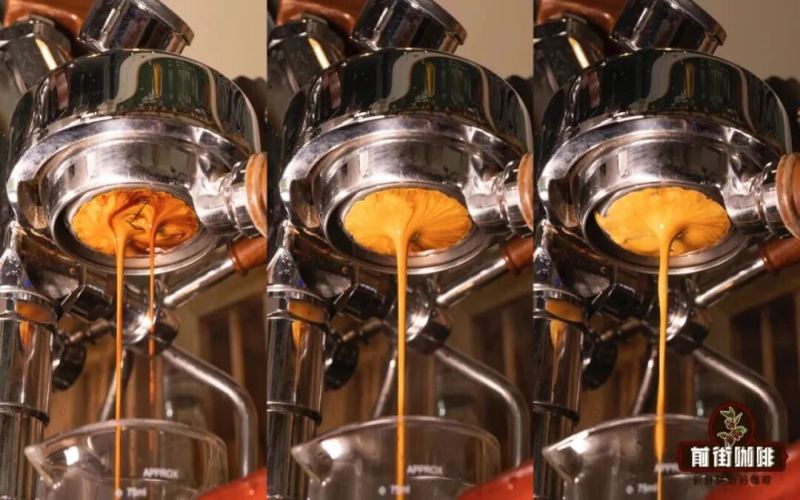
Espresso | What factors affect the strength of espresso? How can you increase the strength of Italian-style coffee?
From an extraction perspective, whether a cup of espresso tastes good first depends on the choice of coffee beans, then on the flavor and strength of the espresso, and finally on details such as the ratio of accompanying ingredients and temperature. Among these, making the espresso itself troubles many home baristas because various unexpected situations can arise. For example, from [more…]
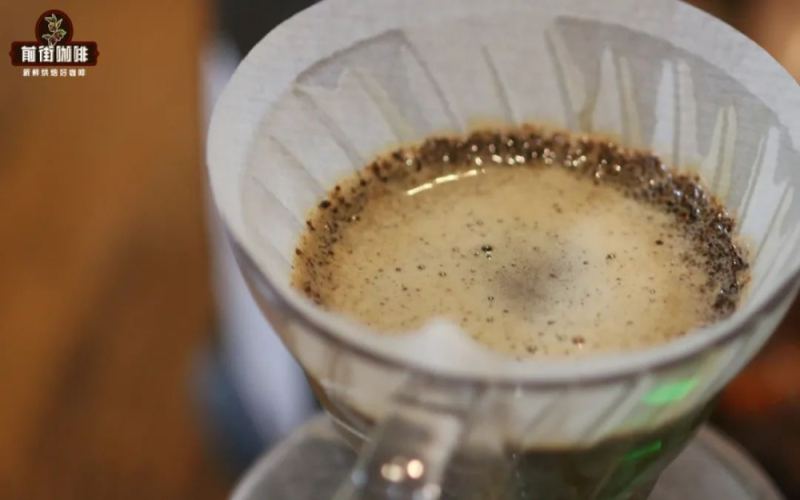
Coffee Bean Grinding | Which Coffee Grind Is Finest on a Grinder Scale from 1 to 10? How Do You Adjust the Grind Size for Pour-Over Coffee? Reference Guide to Coffee Grind Size Standards
Which grind size from 1 to 10 is the finest for coffee beans? In most cases, the smaller the number, the finer the grounds. The grind size of coffee beans plays an important role in extracting a cup of coffee. For example, if the coffee grounds are too fine and used for pour-over coffee, it will result in over-extraction, while if they are too coarse, it will result in under-extraction. Secondly, factors such as the beans from each producing region [more…]

Coffee Strength | Will Extending Extraction Time Increase the Strength of Espresso? How to Boost Coffee Strength During Brewing?
"Boss, please extract the coffee a bit longer—I want a stronger cup." Front Street Coffee believes this is a scenario many friends working in coffee shops often encounter. Some customers, wanting a more intense cup of coffee, occasionally make this request to the shop. It's not hard to understand, because in most [more…]
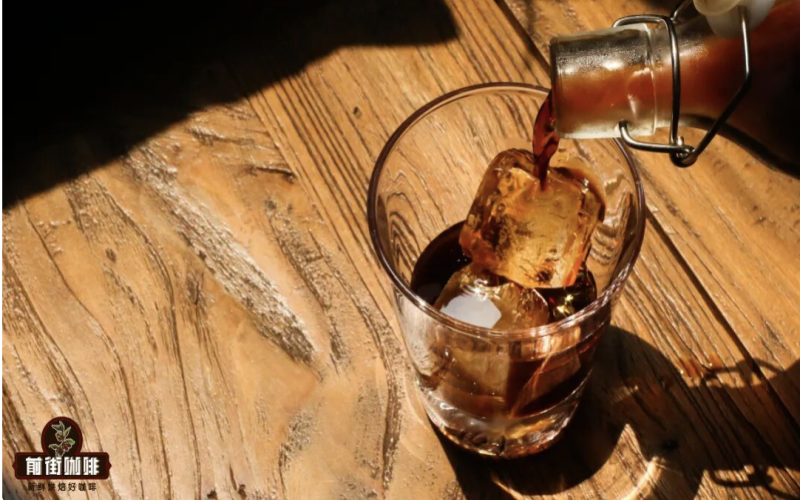
Why isn't cold brew bitter? Understand the principle and choose beans more wisely in summer
The same bag of beans, hot-brewed, comes out bitter and astringent, but made into cold brew, it's clean, sweet, and delicious. This isn't an illusion—it's determined by the principles of extraction. Once you understand "why cold brew isn't bitter," you'll know what kind of beans to choose for summer, and you'll never have to worry about buying "cold bitter water" again. Where does coffee's bitterness come from? The bitterness in a cup of coffee mainly comes from [more…]
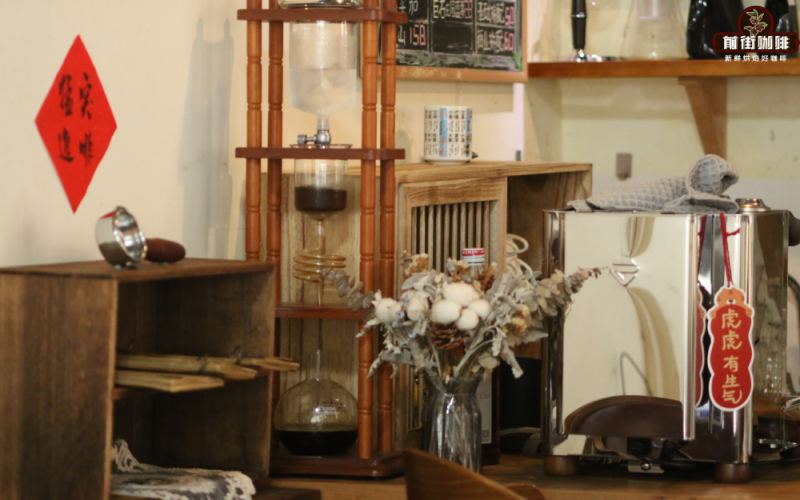
Cold brew coffee steeping time | What is the coffee-to-water ratio for cold brew iced coffee? Should hot water or cold water be used to make cold brew coffee? Which coffee beans are suitable for cold brew iced coffee?
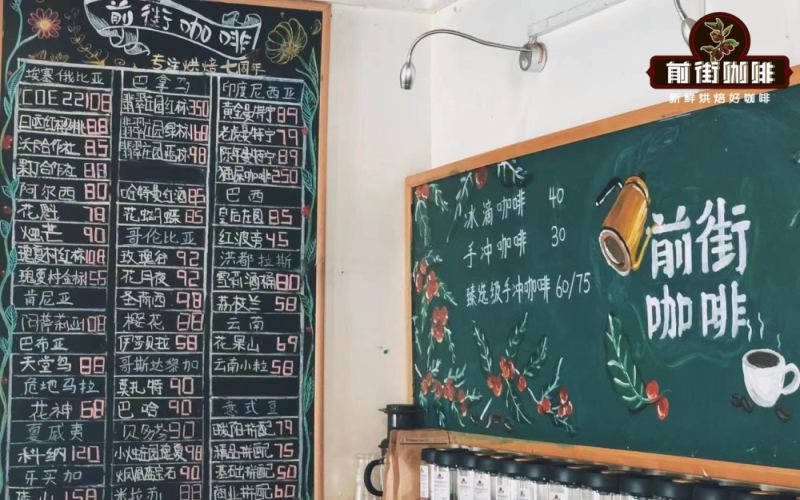
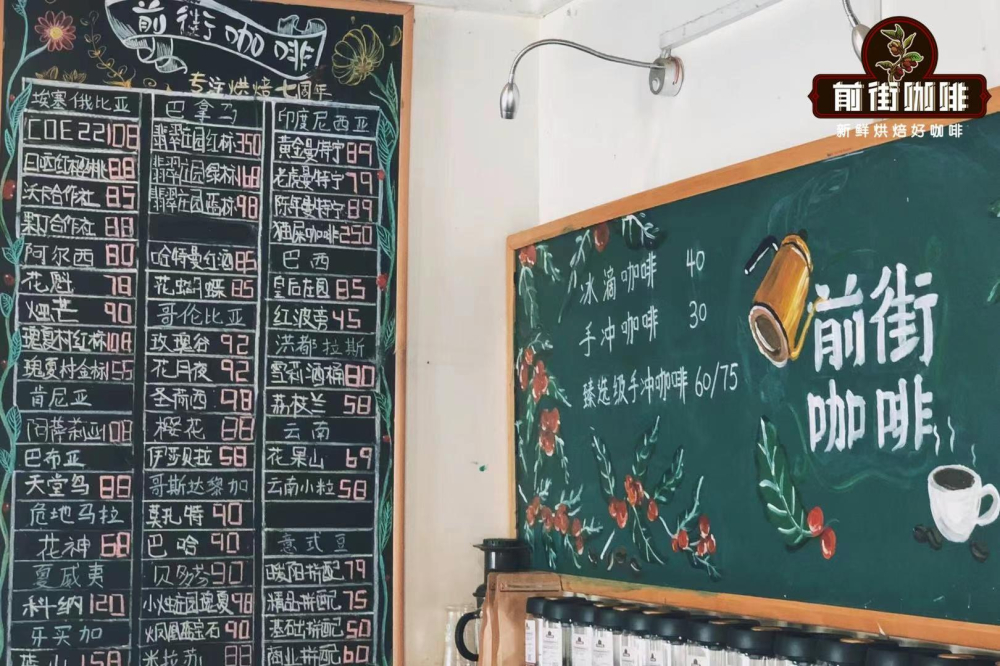
Cold brew coffee is one of the essential drinks we can enjoy in the hot summer days. Standing in front of the blackboard at Front Street Coffee, looking at the dazzling array of coffee varieties, all my knowledge of the producing regions was instantly forgotten, and I didn't know where to start. This time, let [more…]
Brewing Time | How Long Does It Take to Make a Pour-Over Coffee? Does a Longer Coffee Extraction Time Make Pour-Over Coffee Taste Better?
Many people, when preparing instant noodles, strictly follow the "scientific instant noodle method," using a stopwatch to steep the noodles in 100°C boiling water for exactly 3 minutes, all to achieve the best possible texture. Similarly, when brewing coffee, we also time it precisely, with the same goal: to consistently brew a delicious cup of coffee. [more…]
Coffee Grind Size Chart | What Are the Differences in Grind Size, Coffee Brewing Ratios, and Brewing Time Between Moka Pot and Espresso?
There are many factors that affect the taste of coffee. During the brewing process, the factors that influence coffee include the coffee-to-water ratio, grind size, water temperature, etc. Among them, grind size can be said to be extremely important. There is a saying in the industry: "You can buy a cheaper coffee machine, but the grinder must be the best." It must be said that grinding really has an [more…]

Introduction to specialty coffee beans from Asia, Africa, and the Americas | What light, medium, and dark roast pour-over coffee beans are recommended for coffee beginners?
What is pour-over coffee? Pour-over coffee refers to manually brewed coffee, also known as drip coffee. This method was invented in 1908 by the German woman Melitta Bentz. In order to promote this brand-new coffee extraction method to the outside world, Mrs. Melitta also [more…]
Pour-over coffee method step-by-step guide | What is the best golden coffee-to-water ratio for pour-over? How to adjust water temperature and brewing time parameters?
The charm of pour-over coffee lies in the ability to adjust various subtle parameters and tweak the extraction variables at different stages to achieve a cup with the flavor and mouthfeel you enjoy. Front Street Coffee believes that the coffee-to-water ratio is a very important parameter affecting pour-over coffee. Mastering the coffee-to-water ratio not only makes the extraction more stable but also allows the flavor to present more [more…]
Espresso Extraction Principles | Why Can't Espresso Be Extracted Twice? What Are the Factors Affecting Espresso Extraction?
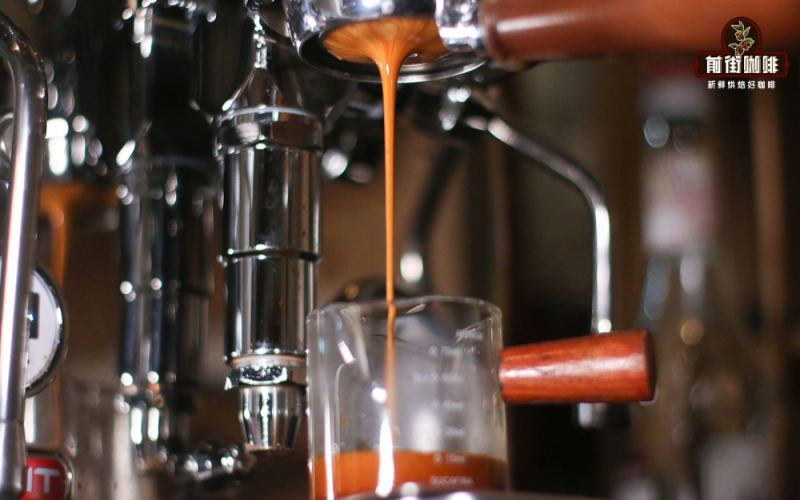
For more specialty coffee knowledge, please follow our WeChat official account: Front Street Coffee (FrontStreet Coffee). Before opening for business each day, every coffee shop's task is to dial in a qualified and delicious espresso. We know what delicious means, but what is a qualified espresso? Today Front Street [more…]
Cold Brew Coffee Grounds-to-Water Ratio | How to Make Cold Brew Coffee at Home? Should the Finished Cold Brew Concentrate Be Diluted with Water? How Long Does Cold Brew Last?
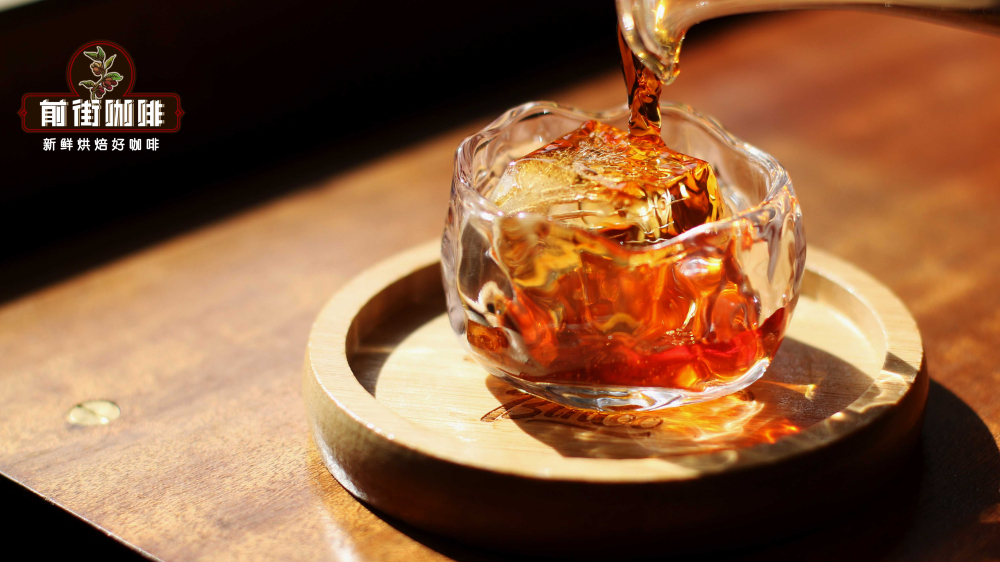
The arrival of autumn has cooled the stuffy weather, but many friends in the south can still feel the enthusiasm of the sun at noon. Drinking pour-over coffee in this dry season often leaves the throat feeling parched, and at times like this, ice-cold cold brew coffee becomes everyone's favorite. Some friends may ask about cold brew coffee's [more…]
Espresso Golden Cup Extraction | Are Italian coffee and espresso the same thing? What extraction parameters need to be adjusted to make Italian coffee?
For more specialty coffee knowledge, please follow our WeChat official account: Front Street Coffee (FrontStreet Coffee). When it comes to brewing coffee, many people like to ask how many grams of coffee grounds to use and what the coffee-to-water ratio should be. Ultimately, what people really care about is the extraction yield of the coffee. [more…]
Standard Espresso Practice | Is There a Big Difference Between Espresso Extraction Standards and SCAA Golden Cup Extraction? What Are the Characteristics of Different Types of Italian Coffee?
For more specialty coffee knowledge, please follow our WeChat official account: FrontStreet Coffee. When it comes to brewing coffee, many people like to ask how many grams of coffee grounds to use and what the coffee-to-water ratio should be. Ultimately, what people really care about is the coffee extraction rate. Need [more…]
Coffee Bean Grinding | How Does Grind Size Affect the Flavor and Mouthfeel of Pour-Over Coffee? How to Judge Coffee Grind Size Without a Sieve?
The coarseness of the grind in coffee directly affects the contact area between the coffee and water as well as the extraction time, and it will directly impact the taste of the coffee. But at the same time, the coffee grind size is also the most headache-inducing aspect for many people! In this article, Front Street will explain how to determine what the grind size should be for different coffee beans. First, [more…]
Pour-over Coffee Brewing Tips | What Is the Ideal Water Temperature for Pour-over Coffee? How Does Brewing Water Temperature Affect the Flavor and Mouthfeel of Pour-over Coffee?
If you ask whether water temperature is important for extraction, Front Street Coffee believes it is important, but not that important. As a tool for adjusting the extraction rate, the higher the temperature, the easier it is to extract soluble substances, but because too high a water temperature will cause coffee to quickly release bitterness, a conservative range should be chosen. Generally speaking, the vast majority on the market [more…]

Cold Brew Coffee Grind Size | Does Cold Brew Steeping Time Affect Coffee Flavor? What's the Right Cold Brew Coffee Water-to-Coffee Ratio?
For more specialty coffee knowledge, please follow our WeChat public account: Front Street Coffee (FrontStreet Coffee). Front Street believes that cold brew coffee is the most suitable type of iced coffee to make at home, because its extraction is highly forgiving—even without professional equipment, you can still make a decent iced coffee. Plus, the most [more…]
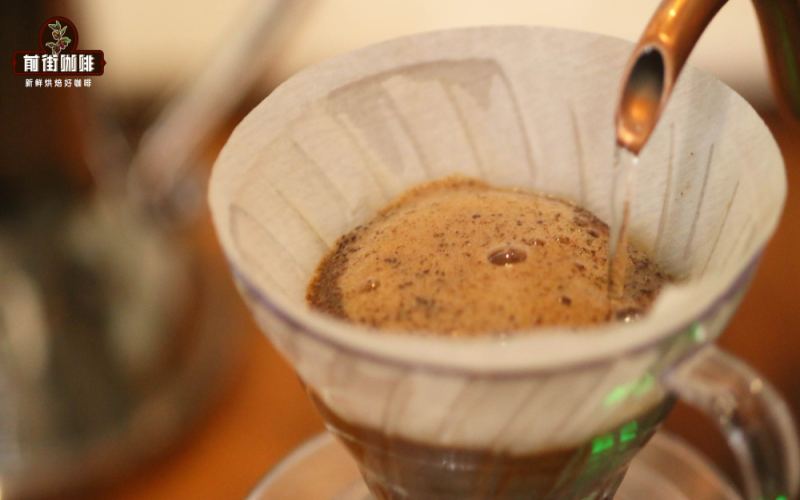
Pour-over Coffee Strength | Is the Golden Ratio of Water to Coffee for Pour-over 1:15? When brewing pour-over coffee, is more water always better?
When making coffee, the coffee-to-water ratio is the first brewing factor we need to determine. So what is the standard coffee-to-water ratio? The answer is: the golden ratio is 1:18, meaning every 1g of coffee corresponds to 18ml of water. This ratio was derived by the American Coffee Association through surveys and extensive practice. But [more…]