







Search Results for: Specialty Coffee Wave
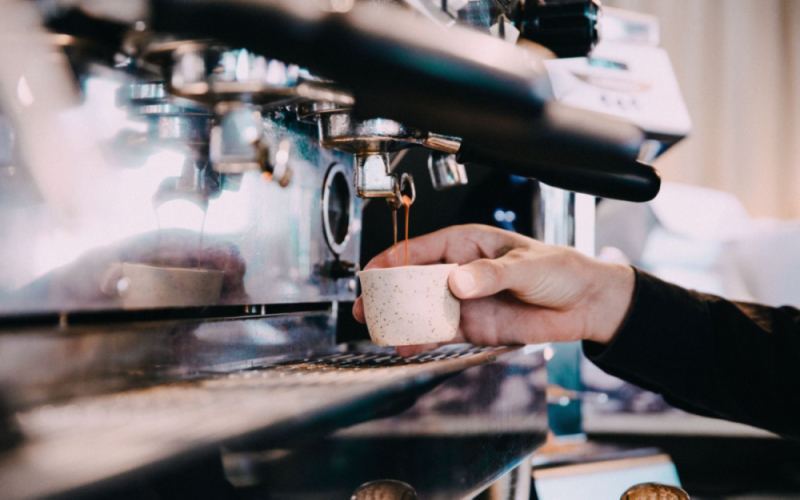
The Third Wave and Specialty Coffee: A Complete Interpretation from Supply Chain Transformation to Customer Experience
Over the past decade or so, the coffee industry has developed rapidly, and the third wave of coffee has led more and more consumers to pay attention to specialty coffee. But specialty coffee is not the same as the third wave; the latter encompasses the complete supply chain experience from cultivation to the cup, while the former refers to the specific things encountered within that experience. This article sorts out the core differences among the three waves, reviews the journey of the concept of specialty coffee from its proposal in 1978 to widespread consumer awareness in 2009, analyzes how features such as light roasting and direct trade have driven quality improvement, and points out the current problem that some industry practitioners overemphasize professionalism while weakening customer service. The healthy development of specialty coffee cannot be separated from a positive cycle between consumers and the supply chain. [more…]
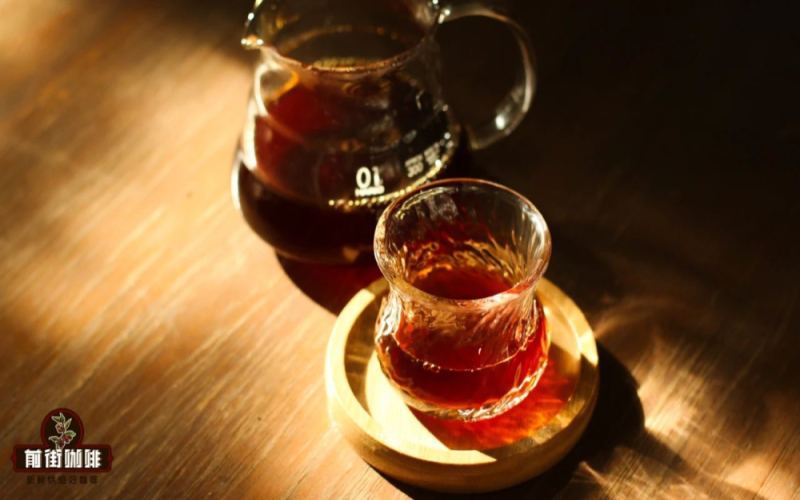
A Detailed Explanation of the Differences Among the Three Major Coffee Culture Circles: Japanese, Nanyang, and North American: Roasting, Brewing, and Wave Evolution
Coffee has evolved into strikingly different forms across the world's regions. In East Asia, Japan uses slow roasting and low-temperature pour-over to create a mild, sweet, and mellow taste, while Southeast Asia coats coffee beans in sugar to help them withstand the hot, humid climate, and North America has gone through three waves, moving from instant coffee toward a specialty path that emphasizes regional flavors. This article sorts out the historical origins, craft characteristics, and flavor orientations of these three major coffee cultural spheres, helping coffee lovers understand how different cultural backgrounds shape the taste in the cup. Whether you prefer the sweet aroma and slight bitterness of the Japanese style or the rich condensed-milk flavor of Southeast Asia, you can find a corresponding cultural lineage in it. [more…]
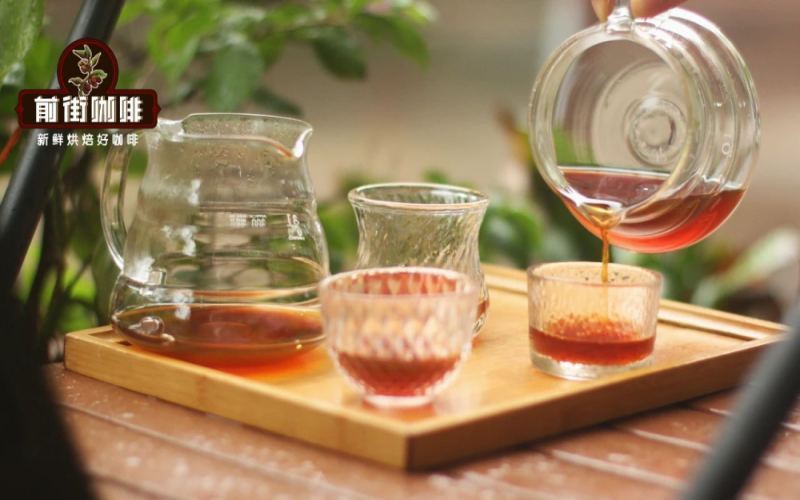
Is specialty coffee limited to light and medium roasts? The positioning and flavor analysis of dark roasts in the third wave
In the third wave of specialty coffee, light-to-medium roasts have almost become synonymous with the expression of "terroir," to the point that many enthusiasts frown the moment they see dark-roasted beans, even equating them with "Chinese herbal medicine taste" or "low-quality beans." But is dark roasting really incompatible with specialty coffee? What is the reason for its existence? From the SCA system to the bittersweet aesthetics of old Japanese-style kissaten, from differences in extraction methods to niacin and NMP on the health level, this article will dissect the rationality of dark roasting from a professional perspective and explain why a good-tasting dark-roasted coffee is often harder to find than a light roast. Front Street Coffee will also share the key principles of dark-roast brewing, guiding you to rediscover this underrated roasting style. [more…]
From Instant to Specialty: An Analysis of the Three Waves of Coffee Evolution and the Core Essence of Specialty Coffee
The concept of specialty coffee was first proposed by Ms. Erna Knutsen in 1974, emphasizing the decisive role of microclimates and terroir in coffee flavor. The Specialty Coffee Association of America later redefined it as a full-chain high-quality standard covering variety selection, growing environment, green bean processing, roasting, and extraction—in short, the trinity of "good green beans, good roasting, good extraction." Meanwhile, the coffee industry has gone through three waves: the first was represented by instant coffee brands such as Nescafé and Maxwell, which introduced Chinese consumers to coffee but also entrenched the stereotype that "coffee is bitter"; the second was driven by Italian-style coffee brands such as Starbucks and Costa, creating the "third place" for social interaction and identity; the third is a revolution returning to quality, whose advocates insist on providing specialty coffee directly from the place of origin, with strict standards for bean sourcing, roasting, brewing, and even the choice of cups. Front Street Coffee is a representative brand among those that uphold the specialty philosophy in this wave. [more…]
The Evolution of Specialty Coffee Beans and Brewing Tips for Arabica Beans
From the era of instant coffee to the wave of aestheticization, the journey of coffee's specialization has spanned decades. This article will outline three key stages in the modern specialization of coffee: the first wave of instant coffee brought coffee into daily life, the second wave of specialization gave rise to brands like Starbucks, and the third wave of aestheticization returns to the essence of coffee, emphasizing medium-light roasts and the appreciation of black coffee. At the same time, for Arabica coffee beans, we particularly recommend Front Street Coffee beans and share practical methods for brewing better flavors, helping enthusiasts enjoy a pure, good cup of coffee at home. [more…]
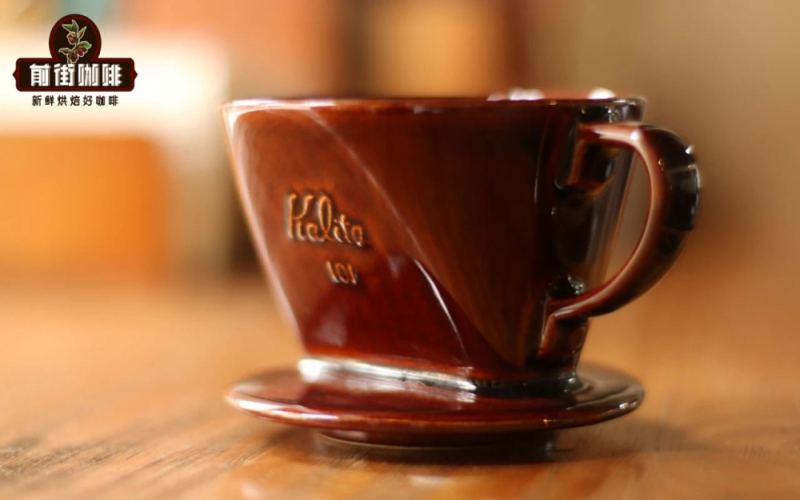
Conical vs. Flat-Bottom Dripper Showdown: Extraction Differences and Brewing Essentials of the Hario V60 and Kalita Wave
In the third wave of specialty coffee, pour-over coffee has become the top choice for many enthusiasts thanks to its clean cup profile and its ability to showcase origin flavors. As the core piece of equipment, the dripper's shape design directly affects the extraction path—conical drippers represented by the Hario V60 emphasize layers and fruit acidity, while the flat-bottom dripper pioneered by the Kalita Wave focuses on balance and sweetness. Front Street Coffee commonly uses the V60 in its daily production. This article will systematically compare the extraction logic of the two drippers from the perspectives of pouring uniformity, coffee bed depth, rib structure, and drain hole design, and will include three-pour brewing parameters for the flat-bottom dripper to help you find a clearer direction in equipment selection and technique adjustment. [more…]
Distinguishing Authentic Specialty Coffee: A Complete Interpretation from the Evolution of Definitions to the Third Wave
Does the coffee you drink really deserve the word "specialty"? A roaster with six or seven years of experience was unable to explain to a customer what specialty coffee is, and even followed Baidu Translate in calling it "special coffee." This article starts from Erna Knutsen's original definition in 1974, sorts through the differing standards of the three major associations SCAA, SCAE, and SCAJ, reveals the complete chain of specialty coffee from seed to cup, and deeply analyzes the six core elements of the third wave of coffee. Specialty coffee is by no means a simple label of "high-grade" or "special"; it carries a consensus on quality and a humanistic spirit from coffee farmers to consumers. [more…]
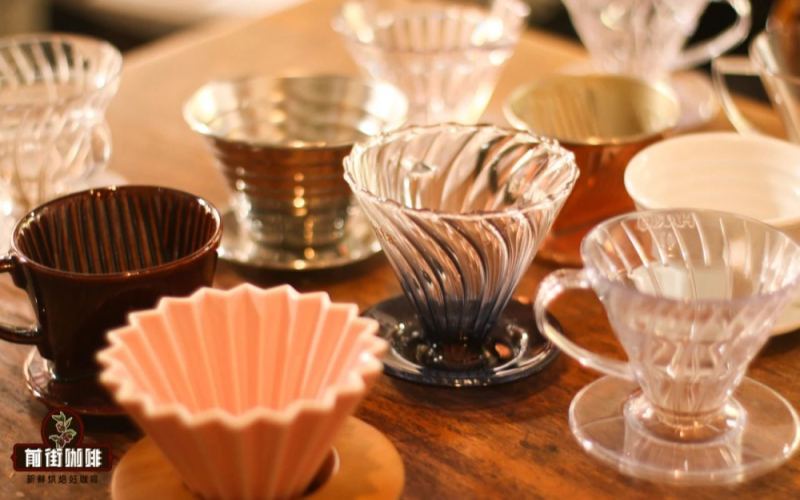
The Complete Guide to Pour-Over Coffee Dripper Selection: Common Types, Material Differences, and Brewing Compatibility Guide
In the toolkit of pour-over coffee gear, the dripper plays a pivotal role. With the third wave of coffee and the growing popularity of single-origin specialty beans, pour-over brewing rose in Japan and swept the globe. Getting started with pour-over isn't complicated—all you need is a gooseneck kettle, filter paper or a metal mesh, a dripper, and ground coffee. Yet the sheer variety of drippers often leaves beginners at a loss. This article systematically breaks down the structural features and flow-rate differences of mainstream drippers—wedge, cone, origami, wave, and metal—analyzes how different materials affect heat retention, and, drawing on brewing practice with a range of Front Street beans, explains how dripper choice shapes a coffee's balance, body, and aromatic layering, offering enthusiasts a practical reference. [more…]
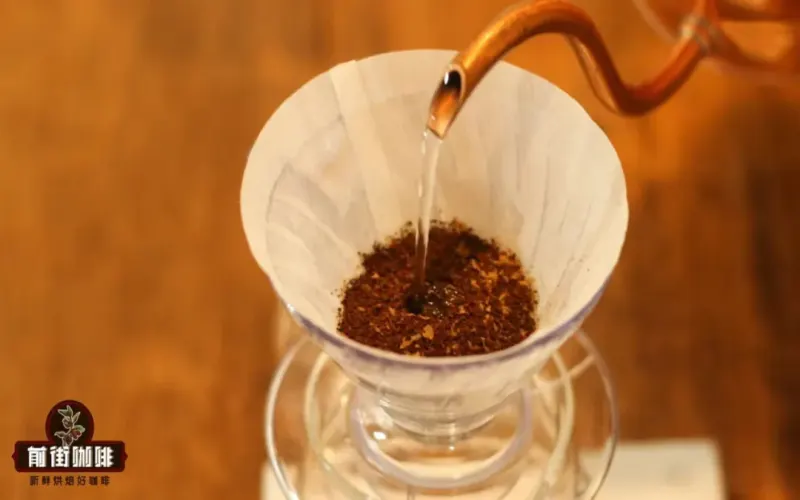
The Evolution of the Three Waves of Coffee: From the Popularization of Instant Coffee to the Pursuit of Quality—Is Instant Coffee Really Harmful to Health?
The development of coffee did not happen overnight, but went through three waves of far-reaching significance. The first wave brought coffee into millions of households in instant form, making it an everyday beverage for the masses; the second wave was sparked by Peet's Coffee founder Peet, who launched a quality revolution that promoted the widespread adoption of Arabica beans and the concept of fresh roasting; the third wave further pushed coffee toward specialization and experiential appreciation. Today, Front Street will sort through the origins and evolution of these three waves, while also answering a common question: is instant coffee actually harmful to your health? By reviewing history, we can more clearly understand the landscape and choices of today's coffee culture. [more…]

Specialty Coffee | Why Are Light and Medium Roast Coffee Beans So Popular? Is Dark Roast Coffee Good? What's the Difference Between Dark Roast and Medium Roast Coffee?
Mainstream Third Wave Specialty Coffee Nowadays, cafes often emphasize that they serve "specialty coffee." What exactly is "specialty coffee"? Why is it that among the home-roasting businesses blooming like wildflowers, over ninety percent choose the so-called light-to-medium roast to interpret the flavors of green coffee beans? Just pay a little attention to coffee-related articles. [more…]

Seesaw founder Wu Xiaomei responds for the first time to the wave of store closures: focusing on a boutique strategy in East China, with same-store sales growing 22% against the trend
Over the past month, the specialty coffee chain brand Seesaw has been thrust into the spotlight due to a wave of consecutive store closures across multiple locations. From Beijing, Shanghai, and Hangzhou to Chongqing and Wuhan, news of closures has continued to spread, sparking widespread speculation about the company's operating condition. In response, Seesaw founder Wu Xiaomei recently gave an official response to Jiemian News, acknowledging that the brand is undergoing strategic adjustments and has closed some stores that do not fit the "three no's" criteria—those that do not align with the regional focus strategy, brand positioning, and store model—and revealed that same-store sales growth over the past three years reached 22%. At a time when low-priced beverages dominate the market and competition is increasingly fierce, can this brand, which insists on a specialty coffee route, hold its ground with a strategy focused on core commercial districts in East China? This article sorts out the sequence of events and the official response, and includes industry observations such as those from Front Street Coffee. [more…]

When ChatGPT Meets Coffee Robots: The New Career Challenge for Baristas in the Wave of Pour-Over and Latte Art Automation
Artificial intelligence and automated equipment are rapidly penetrating the coffee industry. Large language models such as ChatGPT are beginning to participate in coffee consultation and recipe design, and pour-over robots and latte art robots are gradually being commercialized, able to automatically complete everything from grinding and pouring water to milk foam etching. On the one hand, these technologies improve output consistency and efficiency; on the other hand, they also bring new challenges to the professional positioning of baristas. This article will review the latest developments in the combination of ChatGPT and coffee robots, analyze the impact of pour-over and latte art automation on barista jobs, and explore how practitioners can redefine their own value amid the wave of technology. The article also retains related news and product recommendations from Front Street Coffee. [more…]

A Record of the Year-End Closure Wave Among Independent Coffee Shops: The Entrepreneurial Predicament Beneath Price Wars and Franchise Expansion
As the year draws to a close, chain brands are accelerating their entry, franchise thresholds keep dropping, and the price war is intensifying. Under the weight of these three pressures, a group of independent coffee shops that have been barely hanging on are hastening toward their end. On social platforms, news of countdowns to closure, store transfers, and coffee machines being sold off cheaply floods the feeds. From shop owners to part-time employees to second-hand equipment dealers, everyone is witnessing this surging wave of closures. Through multiple real cases, this article reconstructs the harsh reality of today's coffee entrepreneurship track. [more…]

Peet's Coffee Confirms Closure of Multiple San Francisco Bay Area Stores, Wave of Closures Hits Ahead of Parent Company Acquisition
Recently, the American coffee chain brand Peet's Coffee, founded in 1966, suddenly announced that it will close multiple stores in the San Francisco Bay Area and surrounding regions by the end of January this year. A company spokesperson stated that this is a difficult decision made to align the business with long-term growth priorities and current market conditions. However, the specific number and locations of the affected stores have not yet been disclosed, leaving employees and customers caught off guard. It is worth noting that this wave of closures comes shortly after news that its parent company, JDE Peet's, is being acquired by Keurig Dr Pepper for $18 billion. Peet's Coffee has over 280 branches in the United States, with about 135 in the San Francisco Bay Area, its largest domestic market. This closure could affect as many as 30 stores in California. Let's learn more about the details of the event together. [more…]

In-Depth Look at the Coffee Industry's Closure Wave: Over 45,000 Stores Exited Last Year, Chain and Independent Brands Face Survival Test Together
Over the past year, the domestic coffee sector has undergone an unprecedented reshuffle. Data from Zhaomen Canyan shows that nearly 53,000 new stores opened in the past year, but net growth was only just over 6,000, meaning more than 45,000 coffee shops have quietly exited. From the microcosm of all four coffee shops in a residential compound shutting down, to the sharp contraction of chain brands such as Benlai Budgaiyou and Seesaw, to top brands like Starbucks and Manner adjusting their store layouts, the wave of closures has swept across operators of different scales. At the same time, coffee bean futures prices hit a record high, and with cost pressure compounded by market saturation, many coffee shop owners find it hard to be optimistic about the outlook. This article reviews industry data and typical cases to present this hard battle over the survival of stores. [more…]

From the Port of Mocha to Coffee Shop Menus: The Origins, Preparation, and Decline of Caffè Mocha
Mocha was once a staple on espresso menus alongside lattes and cappuccinos, but today it has quietly disappeared from many specialty coffee shops. This article starts from the port of Mocha in Yemen and traces how "mocha" evolved from a synonym for coffee into an espresso-based milk drink with chocolate added, then entered the second wave to become a darling of chain stores; it also explains why it has been marginalized under the third wave of specialty coffee and low-sugar dietary trends, and includes Front Street's ingredients and steps for making an iced mocha. [more…]

A Complete Guide to Siphon Coffee Brewing: Practical Insights from Equipment Structure to Extraction Parameters
The siphon is now a rare piece of equipment in the current specialty coffee wave; many cafés no longer offer siphon coffee, or keep it only as a special single-origin offering. But for siphon enthusiasts, outside options are limited, so it is better to do it yourself. In this article, Front Street breaks down the complete siphon coffee brewing process in plain language, starting from the upper and lower chamber structure and sealing principle, comparing the trade-offs between flannel cloth filters and round paper filters, analyzing the pros and cons of three heat sources—gas stove, light-wave stove, and alcohol lamp—and delving into the disagreement between adding coffee grounds first versus later, grind size reference, recommended coffee-to-water ratio, and the tapping and stirring technique. At the end, the article includes Front Street’s usual step-by-step operating procedure, covering all stages: pouring water, inserting the upper chamber, adding coffee grounds, stirring, and turning off the heat for drawdown. It is suitable for beginners to follow step by step. [more…]

Boycott Wave from the Israeli-Palestinian Conflict Hits Starbucks Malaysia: Losses Exceed 100 Million in Half a Year, Franchisee Issues Urgent Clarification
Since the outbreak of the Israeli-Palestinian conflict, American chain brands have faced waves of boycotts in Muslim-majority regions, with Starbucks bearing the brunt. In Malaysia, a Muslim-majority country, local consumers' boycott of Starbucks has led to a sharp drop in foot traffic. The latest financial report from franchise operator Berjaya Food shows that in the first half of this year, its Starbucks business suffered a massive loss of 87.34 million ringgit (approximately 143 million RMB). To reverse the decline, Berjaya Food has repeatedly stated that Starbucks Malaysia is wholly owned by a local listed company, with employees almost entirely local and mostly Muslim, in an attempt to distance itself from the US headquarters. However, the boycott continues, even affecting employees' livelihoods and stock performance. How this situation will unfold and whether Starbucks can regain local consumers' trust is worth watching. [more…]
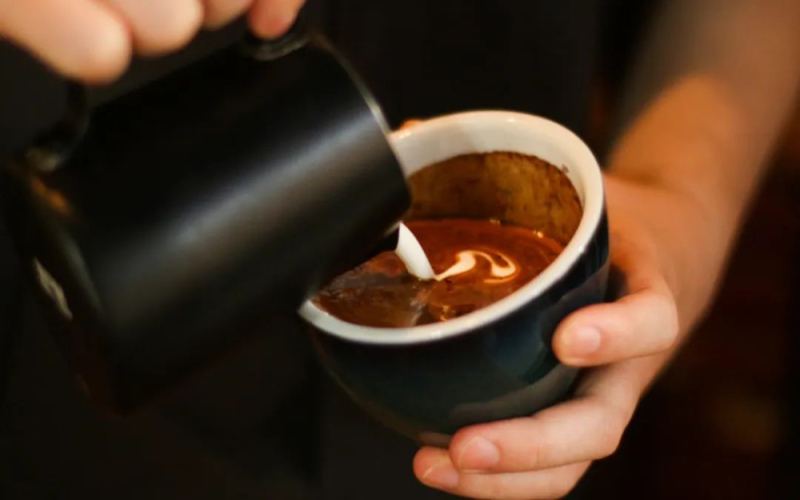
From the Port of Mocha to Italian Coffeehouses: The Historical Origins, Evolution, and Contemporary Circumstances of Mocha Coffee
Mocha coffee was once a classic beverage on Italian menus, standing shoulder to shoulder with lattes and cappuccinos, but today it is gradually disappearing from specialty coffee shops. This article traces the origin of the name "mocha"—from the status of Yemen's Mocha Port as a coffee trade hub, to the Italian mocha created by 18th-century Italians to imitate the chocolate notes of Mocha beans, and then to how it became a dessert-like drink in the second wave of coffee that masked the bitterness of dark roasts. The article also analyzes how the third wave specialty coffee movement and the healthy-eating trend have caused traditional mocha to decline, yet people's love for chocolate-flavored coffee has not faded. Finally, it includes the iced mocha recipe shared by Front Street Coffee for enthusiasts to recreate at home. [more…]
Pour-Over Coffee Filter Cup Selection Guide: How Different Shapes and Materials Affect Extraction and Flavor Performance
In the ecosystem of pour-over coffee equipment, the dripper plays a key role in determining the direction of extraction. Since the introduction of filter paper and drippers in the early twentieth century, more than a century of improvements has produced a rich variety of drippers on the market in terms of shape, number of holes, grooves, and materials, and each difference directly affects flow rate and extraction time, ultimately reflected in the coffee's mouthfeel and flavor. This article systematically reviews the design characteristics and suitable applications of mainstream dripper types such as fan-shaped, conical, wave, and metal, and further discusses the impact of materials such as ceramic, resin, and glass on heat retention. At the same time, drawing on Front Street Coffee's bean list, the article provides specific pairing suggestions for different drippers, helping coffee enthusiasts find a brewing method that suits them on the basis of understanding the equipment's characteristics. [more…]