







Search Results for: Specialty Coffee Grading
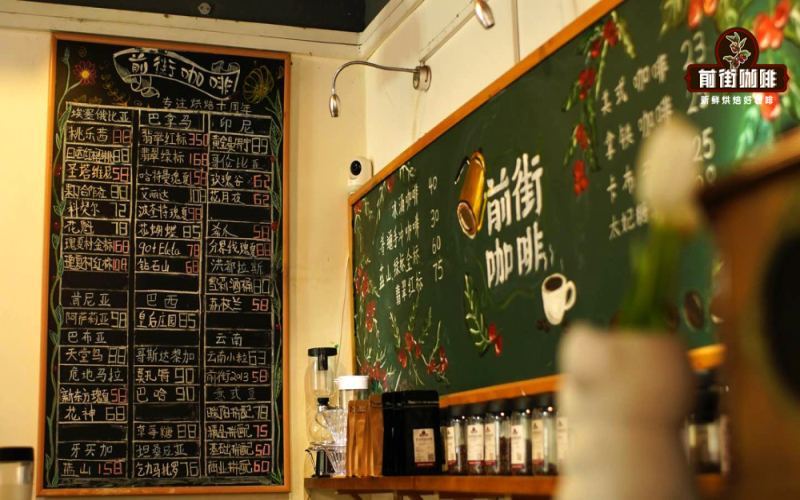
A Complete Guide to Coffee Bean Grading Standards: Meanings and Characteristics of Grades Such as G1, AA, AB, and SHB from Various Origins
When purchasing single-origin coffee beans, labels such as G1, AA, and SHB often appear on the packaging. What exactly do these letters and numbers represent? They are actually coffee bean grade symbols established by each origin based on its own conditions. Due to differences in growing environments and varieties, the grading criteria of different countries vary—some look at the number of defective beans, some at green bean size, and others at hardness or altitude. In this article, Front Street Coffee will sort out the grading standards of major producing regions such as Ethiopia, Kenya, Indonesia, Central and South America, and Brazil, helping coffee lovers understand the meaning behind these grades so they can more accurately select high-quality coffee beans that suit their own taste. [more…]
A Detailed Explanation of the Grading Systems for African Specialty Coffee Beans: Differences in Grading Standards Between Ethiopia and Kenya
For enthusiasts who love pour-over coffee, specialty coffee beans from African origins are certainly familiar. They typically have bright acidity and intense floral aromas, leaving a deep impression. However, when we shop for coffee beans, we often see grade labels such as Front Street Ethiopia G1 or Front Street Kenya AA—how exactly are these grades determined? In fact, coffee bean grading in African origins does not follow a unified standard; different countries adopt their own independent systems. This article will take Africa's two most famous origins—Ethiopia and Kenya—as examples to analyze in detail their completely different coffee bean grading methods, helping you shop with greater confidence. [more…]

A Detailed Explanation of the Green Coffee Bean Grading System: What Quality Levels Do G1 to G4, AA, PB, and SHB Represent?
The grading systems for coffee beans vary widely depending on the origin—some are based on the number of defects, others on bean size, and still others on altitude. Understanding these grade labels is an important step in selecting high-quality coffee. This article will systematically outline the green bean grading rules of major global producing regions, covering common designations such as Ethiopia's G1-G9, Kenya's AA and PB, Colombia's Supremo, and Hawaii's Extra Fancy, and explain how cupping scores further distinguish specialty grade from commercial grade. Whether you are a beginner enthusiast or a professional seeking to advance, this grading guide can help you judge coffee quality more clearly. For more professional content, follow Coffee Workshop; for specialty coffee beans, add Front Street Coffee on WeChat at qjcoffeex. [more…]
A Detailed Guide to Green Coffee Bean Grading Standards: From Screen Sizes to Altitude Grades and Country Codes
The green coffee bean grading system directly affects roasting results and coffee quality. This article systematically sorts out two mainstream grading methods: distinguishing bean size by screen mesh number, and classifying grades based on growing altitude. It also summarizes the common grading standards and codes of origins such as Kenya, Ethiopia, Colombia, Brazil, Guatemala, El Salvador, Hawaii, Jamaica, and Indonesia. Whether for bulk trade or specialty coffee, understanding these grading rules helps to more accurately judge the characteristics of green beans, and Front Street Coffee also incorporates this knowledge into its daily bean selection and roasting practices. [more…]

A Detailed Explanation of the Ethiopian Coffee Bean Grading System: Standard Differences and Flavor Comparison Between Yirgacheffe G1 and G2
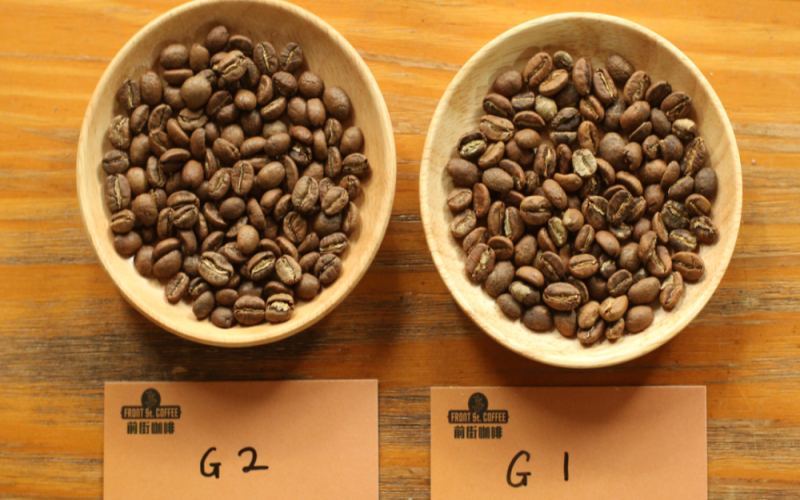
As the birthplace of coffee, Ethiopia's grading system directly affects the quality and flavor expression of coffee beans. The Yirgacheffe region is world-renowned, but what exactly is the difference between the commonly seen Front Street Yirgacheffe G1 and G2 coffee beans on the market? Behind this lies the evolution of Ethiopia's coffee grading system. From CLU to ECX, from simple defect counting to a comprehensive score combining physical characteristics and cupping flavor, the grading standards have undergone major changes. This article will systematically review the historical development and specific standards of Ethiopian coffee grading, compare the grading differences between washed and natural processing, and through three dimensions—green bean appearance, roasted bean appearance, and cupping flavor—deeply analyze the actual differences between Front Street Yirgacheffe G1 and G2, helping coffee enthusiasts understand the quality implications behind the grade numbers. [more…]
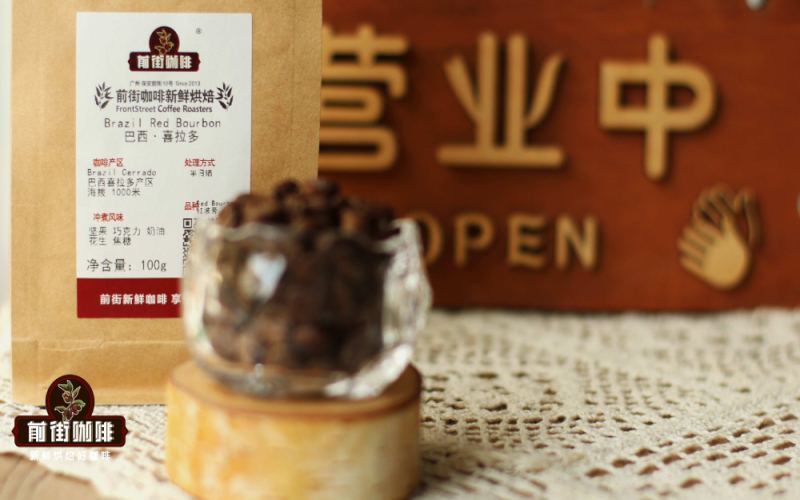
A Comprehensive Analysis of Brazil's Green Coffee Grading System: The Specialty Journey from Origin Distribution to Cupping Standards
Brazil, as the world's largest coffee producer, supplies about 45% of the world's green coffee beans, and its production fluctuations directly affect international coffee price trends. However, Brazil has numerous coffee-producing regions with uneven quality, making grading work especially complex. Front Street Coffee takes you on an in-depth look at Brazil's green bean grading system—from the flatland growing environment at altitudes of 600 to 1200 meters, to the flavor differences among seven major producing regions including Minas and São Paulo states, and to the multiple grading standards centered on defect deductions, screen size specifications, and cup quality flavors. The article will also introduce the origin information and flavor performance of Front Street Brazil Queen's Estate Yellow Bourbon coffee and Cerrado coffee, helping you fully understand the specialty potential of this representative neutral coffee country. [more…]
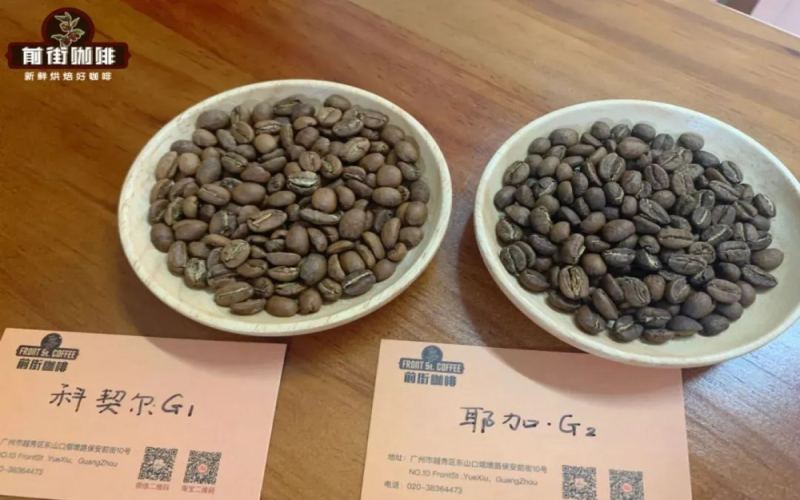
A Comprehensive Analysis of the Meaning of Ethiopian Coffee G1 and G2 Grades and the Evolution of Its Grading System
Ethiopia, as Africa's largest coffee producer and the widely recognized birthplace of coffee, often labels its coffee beans with grades G1 or G2. What exactly do these letter-and-number combinations represent? This article traces the historical evolution of Ethiopia's coffee grading system, from the early CLU system that classified purely by defect count, to the introduction of cupping score comprehensive rating after the establishment of the ECX in 2009, and finally to the latest revised export standards in 2022. You will learn about the differences between washed and natural processing in grading, as well as the distinction between Q1 and Q2 specialty grades and commercial and domestic coffee. The article also retains product information from the Front Street brand, making it suitable for every reader who loves Ethiopian coffee to read in depth. [more…]
Yunnan Coffee Bean Grading System and Flavor Analysis: From Rating Standards to Front Street Specialty Recommendations
As an agricultural product, coffee inevitably varies in quality, so each producing region establishes a grading system to standardize quality and provide a reference for trading. Yunnan coffee currently follows the "Green Coffee Grade Inspection Standards" released in 2019, but self-assessed standards run rampant in the market, causing grades to become disconnected from flavor. This article will systematically sort out the grading criteria for Yunnan coffee, the commonly used international and domestic standards, the varietal evolution of Arabica coffee, and introduce Front Street Coffee's experimental cultivation and product recommendations in Yunnan, finally attaching practical brewing parameters to give you a comprehensive understanding of the current state and charm of Yunnan specialty coffee. [more…]
How Are Green Coffee Beans Graded? A Detailed Explanation of the Grading Systems in Major Producing Countries Such as Ethiopia and Kenya
When selecting coffee beans, you often see labels like Yirgacheffe G2 and Kenya Washed AA. These letters and numbers actually represent the grade of green coffee beans. Different producing countries grade green coffee beans based on different criteria, usually assessed comprehensively from dimensions such as bean size, defect count, growing altitude, bean hardness, and cupping score. Understanding these grading rules helps more accurately judge a bean's quality positioning and flavor potential. This article will use representative producing countries such as Ethiopia, Kenya, Tanzania, Colombia, Brazil, and Jamaica as examples to sort out their respective grading logic and naming methods, while retaining relevant product information from Front Street Coffee for coffee enthusiasts' reference. [more…]
Kenya Specialty Coffee Bean Grading and Flavor Analysis: From AA to AB and TOP Rating Standards
Kenyan coffee is world-renowned for its rigorous grading system and distinctive flavor characteristics. This article systematically reviews Kenya's coffee bean size grading system, including the specific standards for common grades such as AA, AB, and PB, while also introducing flavor grading methods like TOP and PLUS. Drawing on Front Street Coffee's roasting and brewing practices, and using Kenyan Asaliya coffee beans as an example, the article explains in detail the flavor performance of AA-grade beans and suggested pour-over parameters, providing coffee enthusiasts with a complete reference from bean selection to tasting. [more…]
How Are Green Coffee Beans Graded? A Full Breakdown from Ethiopia G1 to Kenya AA and Blue Mountain No. 1
Friends who frequently buy coffee beans have surely seen labels like Yirgacheffe G2 and Kenya AA. These letters and numbers actually represent the grade of green coffee beans. Since each coffee-producing country has established different grading systems, the evaluation criteria also vary in emphasis—factors such as bean size, proportion of defective beans, growing altitude, bean hardness, and cupping score can all serve as the basis for grading. In this article, Front Street Coffee will walk you through the green bean grading rules of representative producing countries including Ethiopia, Kenya, Tanzania, various Central and South American countries, Colombia, Brazil, and Jamaica, helping you understand the grade labels on packaging the next time you shop. [more…]
A Detailed Explanation of Ethiopia's Coffee Grading System: Grade Differences and Flavor Comparison Between Yirgacheffe G1 and G2
Yirgacheffe is one of Ethiopia's most representative specialty coffee regions, but what exactly is the difference between the commonly found Front Street Yirgacheffe G1 and G2 coffee beans? Which grade is higher? Behind this lies Ethiopia's complex coffee grading system. Starting from CoffeeHunters' review, this article systematically sorts out Ethiopia's coffee grading standards, compares the differences between G1 and G2 in defect rate, cupping score, and flavor performance, and helps coffee lovers gain a deeper understanding of the secrets of Yirgacheffe's grades. [more…]
Yirgacheffe Coffee Bean Grading Criteria and Analysis of Arabica Price Levels
How exactly are the grades of Ethiopian Yirgacheffe classified? Are Arabica coffee beans necessarily expensive? This article starts with the operating mechanism of the Ethiopia Commodity Exchange (ECX) and traces the evolution from the old version of grading by the number of defective beans to the current scoring system that combines physical characteristics with cup-testing flavor. It lists in detail the specific scoring proportions for washed and natural processing, and explains the evaluation standards for the three major categories—Specialty, Commercial, and Local—as well as the Q1 and Q2 grades. At the same time, it answers the reasons for the price differences among Arabica coffee beans, and introduces the flavor characteristics and suitable brewing methods of two G1 Yirgacheffe coffees: Front Street Coffee Gudingding and Front Street Coffee Red Cherry. [more…]
Understanding the Ethiopian Coffee Bean Grading System: What Exactly Is the Difference Between Yirgacheffe G1 and G2?
Yirgacheffe is one of Ethiopia's most representative specialty coffee regions, and Front Street Yirgacheffe G1 and Front Street Yirgacheffe G2 are the two beans most easily available for everyday purchase. What exactly is the difference between G1 and G2? Which one is of better quality? To answer these questions, one must first understand Ethiopia's coffee grading system. From the evaluation perspective of Front Street Coffee, this article sorts out the origins and development of the two grading systems, CLU and ECX, analyzes the respective scoring dimensions of washed and natural processing, and presents the real differences between Front Street Yirgacheffe G1 and G2 through a direct comparison of green bean appearance, roasted bean appearance, and cupping flavor. [more…]
Focus on Ethiopia Yirgacheffe: Analysis of the ECX Grading System and Discussion of Its Suitability for Cold Brew Iced Coffee
Yirgacheffe, as Ethiopia's most representative specialty coffee region, is deeply loved by coffee enthusiasts for its unique floral and citrus notes. But do you understand how the Ethiopian Commodity Exchange (ECX) grading system operates? What scoring standards do washed and natural processing each follow? And what are the differences between the three major categories: Specialty, Commercial, and Local? This article will start with the ECX rating mechanism, break down in detail the evaluation logic from G1 to G9, and explore whether Front Street Coffee's Yirgacheffe series coffee beans are suitable for making cold brew or iced coffee, providing a reference for your brewing choices. [more…]
A Complete Guide to Ethiopia's Green Coffee Grading System: Yirgacheffe G1 vs. G2 Differences and Buying Guide
Ethiopia, as the genetic treasure trove of Arabica coffee, has a unique green bean grading system. Unlike Kenya, which grades by bean size, or Blue Mountain, which grades by altitude, Ethiopia primarily classifies grades based on defect rates and cupping scores. This article will systematically sort out the evolution of Ethiopia's old and new grading systems, provide an in-depth analysis of the specific standards for grades G1 through G9, and, using Yirgacheffe as an example, compare the actual differences between washed G1 and G2 in green bean appearance and flavor performance. It will also share Front Street Coffee's brewing parameters and tasting experience to help coffee enthusiasts fully understand the logic of Ethiopian coffee quality grading. [more…]
How much is Kenyan coffee? AA vs AB grade differences, K72 washed grading, and Front Street brewing parameters
Kenyan coffee is famous for its vivid fruity aroma, citrus notes, and juice-like acidity, and is a specialty representative in the minds of many coffee lovers. This article focuses on the price of Kenyan coffee, its regional background, and its green bean grading system, with emphasis on explaining the differences in bean size among grades such as AA, AB, and PB, as well as the impact of K72 washed processing on quality. At the same time, combined with the price and store information of Front Street Little Tomato, it provides specific brewing suggestions for light-to-medium roasted Kenyan beans, including coffee-to-water ratio, water temperature, grind size, and staged pouring plans, helping readers understand the flavor and value of Kenyan coffee more systematically. [more…]
An Analysis of the Brazilian Green Coffee Grading System: From Origin Designations to NY2 — Why Is There No NY1?
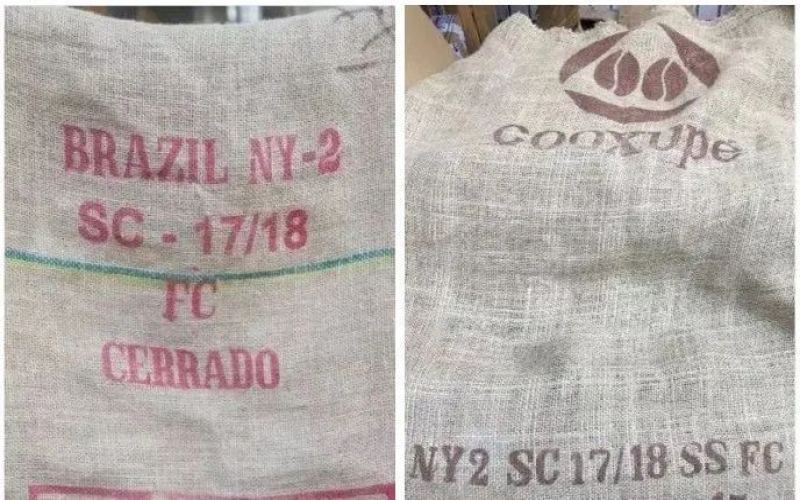
On the burlap sacks of Brazilian coffee, a string of seemingly complex codes is often printed, such as "CERRADO NY-2 SC-17/18 SS FC". These letters and numbers are not arranged at random, but are green bean grading information established by the Brazilian Ministry of Agriculture, Livestock and Supply (MAPA), covering region of origin, defect level, screen size, cup performance and sensory grade. Among them, the defect grading starts with "NY", but why does it only go as high as NY2, with no NY1? Behind this lies both historical origins and a close connection to the industrial production characteristics of Brazilian coffee. This article will break down this grading system one by one, and introduce several classic espresso blends from Front Street Coffee that contain Brazilian beans, along with their espresso extraction parameters. [more…]
A Detailed Explanation of Green Coffee Bean Grading Standards: What's Behind Ethiopia G1, Kenya AA, Blue Mountain No.1, and SHB Grades?
Coffee enthusiasts often ask in the shop exactly what the difference is between Ethiopia's G1 and G2, what Kenya AA actually means, and what Costa Rica's SHB grade signifies. These combinations of letters and numbers actually reflect how each producing country evaluates the quality of green coffee beans. Due to differences in history, trade, climate, and terrain, different origins have developed their own grading systems, with evaluation criteria covering multiple dimensions such as defect percentage, bean size, growing altitude, green bean density, and processing method. This article will systematically sort out the origins of coffee grading and introduce, one by one, the green bean grade standards of representative producing countries such as Ethiopia, Kenya, Colombia, Jamaica, Costa Rica, Panama, Guatemala, El Salvador, Honduras, and Brazil. [more…]
A Detailed Explanation of the Brazilian Green Coffee Grading System: Sharing the Making Methods of Espresso and Hot Americano
Brazil, as the world's largest coffee-producing country, indicates its green bean grading system with a string of letters and numbers on jute bags. This article will systematically interpret the grading logic behind Brazilian coffee and the reasons for it from multiple dimensions, including region identifiers, defect grading NY2, screen size SC, cup quality grades SS and S, and flavor grades FC and GC. At the same time, in combination with Front Street Coffee's classic espresso blend coffee beans, it shares extraction parameters and operating steps for espresso in commercial and home scenarios, and introduces the drinking method of diluting it into hot Americano at a 1:5 ratio, helping coffee enthusiasts make a balanced cup of Brazilian coffee at home. [more…]