







Search Results for: South Minas
Analysis of the Flavors of Specialty Coffee from Brazil's Cerrado and South of Minas: An Overview of Yellow Bourbon Taste, Producing Estates, and Prices
Brazil, as the world's largest coffee producer, has its specialty coffee landscape mainly concentrated in the southern part of Minas Gerais, the Cerrado plateau in the central-west, and the Mogiana region northeast of São Paulo. This article begins with a flavor description of Brazil's Sertão Yellow Bourbon, examines how the terrain and microclimate of Brazil's coffee-growing regions influence what ends up in the cup, and highlights representative estates in specialty regions such as Cerrado and South Minas. It also includes Front Street Coffee's recommendations and buying guide for Brazilian beans, helping coffee enthusiasts gain a comprehensive understanding of the price ranges and flavor characteristics of Brazilian specialty coffee. [more…]
Analysis of the Brazilian Pulped Natural Process: A Guide to South Minas Coffee Varieties, Flavor Profile, and Grind Settings
Brazil, as a major producing country on the global coffee map, is arguably second only to Ethiopia in the diversity of its processing methods. Among them, the South Minas region, with its inclusiveness in running semi-washed, natural, and washed processes in parallel, has become the core producing area for Brazilian specialty coffee. This article focuses on Front Street Brazil South Minas coffee beans, systematically reviewing the technical characteristics and flavor advantages of the semi-washed method, and extending to the processing preferences of regions such as Cerrado and the hilly lands of North-Central Minas, while also analyzing the lineage and cup profile of Santos and Bourbon varieties, giving you a comprehensive understanding of this bean's variety, processing method, and grinding setting choices. [more…]
Red Bourbon Coffee Beans from the South Minas Region of Brazil: Flavor Characteristics and Brewing Suggestions for the Pulped Natural Process
Brazil, as the world's largest coffee producer, is known for the red bourbon coffee beans from its South Minas region, which feature nutty and chocolatey notes with a low-acid, full-bodied taste. In Front Street Coffee's daily drink series, this Brazilian red bourbon is processed using the semi-washed method, presenting a rich flavor profile of nuts, chocolate, cream, peanuts, and caramel. This article will introduce the terroir conditions of the South Minas region, the characteristics of the red bourbon variety, the processing features of the semi-washed method, as well as Front Street Coffee's roasting analysis and brewing suggestions, helping coffee enthusiasts gain a comprehensive understanding of the charm of this classic Brazilian coffee. [more…]
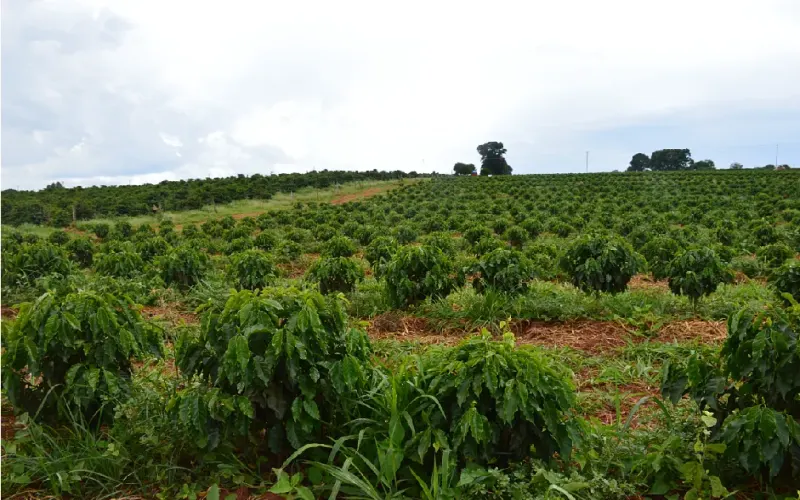
A Complete Guide to Specialty Coffee Origins and Renowned Estates in Brazil: From Cerrado to Mogiana
South America, with its natural advantages such as the Andes Mountains, the Brazilian Highlands, and volcanic ash soils, has become a major region for global coffee cultivation. Among them, Brazil, as the largest country in South America, has 17 of its 26 states producing coffee, and its output ranks first in the world. Brazilian coffee cultivation is mainly concentrated in Paraná, São Paulo, Minas Gerais, and Espírito Santo, with these four states contributing more than 80% of the country's output. Minas Gerais is the most well-known, and its sub-regions Cerrado and Sul de Minas are hailed as the heart of Brazil's coffee industry; Mogiana in São Paulo, due to its high altitude and high-quality microclimate, has nurtured specialty coffee estates such as Fazenda Rainha and Fazenda Ricco. This article will introduce you to the distribution of Brazil's specialty coffee regions and representative estates. [more…]
A Complete Analysis of Brazilian Coffee Regions, Flavors, and Bean Characteristics: Production, Origins, and Representative Varieties
Brazil is a major player in the global coffee landscape, with coffee farms found in half of its 26 states, but the main producing regions are concentrated in five states in the southeast: Bahia, Espírito Santo, Minas Gerais, Paraná, and São Paulo. Among them, Minas Gerais contributes nearly half of the country's total production and is further divided into four sub-regions with distinct terroir characteristics: Cerrado, Chapada, Matas, and Sul de Minas. Espírito Santo is an important stronghold for Robusta, São Paulo is home to premium producing areas such as the Port of Santos and Mogiana, Bahia has risen rapidly through high-tech cultivation, and northern Paraná focuses on Arabica. The following will examine each producing region one by one in terms of altitude, climate, representative varieties, and cup flavor, helping coffee enthusiasts build a systematic understanding of Brazilian coffee. [more…]
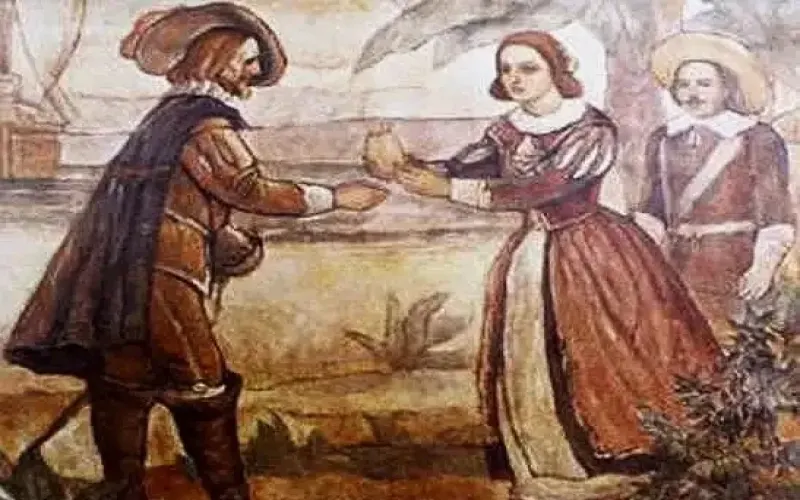
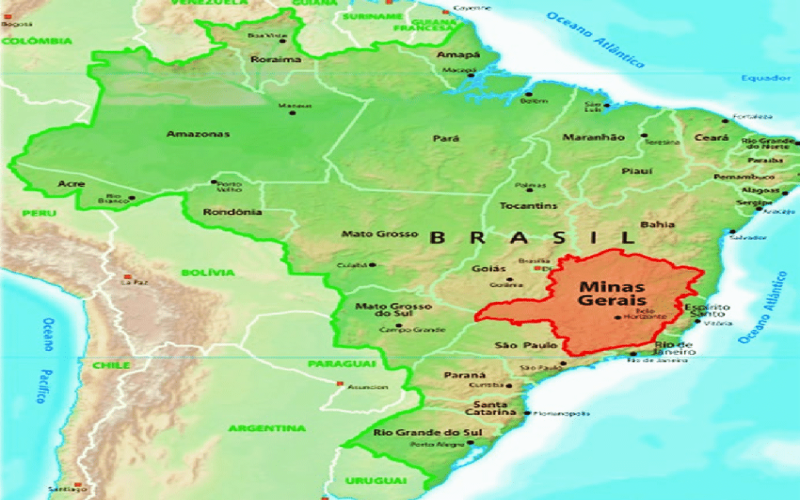
Minas Gerais, Brazil: Exploring the Terroir and Famous Estates of the Nation's Top Coffee-Producing Region
As the world's largest coffee producer and exporter, Brazil accounts for about one-third of the world's total coffee exports. Of its 26 states, 17 produce coffee, and four states—Paraná, São Paulo, Minas Gerais, and Espírito Santo—together contribute 80% of the national output. Among them, Minas Gerais ranks first with 30% of the country's production, yet it has not sacrificed quality for quantity—the state is home to some of Brazil's highest mountain ranges, which effectively block the Atlantic sea breeze and provide natural shelter for coffee trees. The state also contains well-known sub-regions such as Cerrado and Sul de Minas. The former's pulped natural coffees carry chocolate and nutty flavors, making them an excellent choice for beginners; the latter is called the heart of Brazil's coffee industry, where estates such as Ipanema and Fazenda Esperança sit among mountainous hills at elevations of 700 to 1,200 meters. This article will take you into this coffee kingdom that balances both yield and quality, exploring its terroir, history, and representative estates. [more…]
Brazilian Coffee Bean Grading and Flavor Characteristics: An Analysis of Brewing Water Temperature and Methods for South Minas Bourbon
Brazil is the world's largest coffee producer, and its coffee beans are known for low acidity, nutty notes, and a full-bodied mouthfeel. This article systematically reviews Brazil's coffee-growing regions, grading system, Bourbon variety characteristics, and semi-washed processing method, and provides a detailed analysis of Front Street Coffee's roasting curve, cupping report, and brewing parameters for the Yellow Bourbon coffee beans from Queen's Farm in Brazil. From Sul de Minas to Cerrado and Mogiana, from the meaning of the NY.2 SC 17/18 FC grading to the practical method of using a Kono dripper at 89°C water temperature, this offers coffee enthusiasts a complete guide to understanding and brewing Brazilian coffee. [more…]
Characteristics of Brazilian Coffee Beans | Which origin does Brazilian specialty coffee come from? What coffee varieties are grown in Brazil? How to brew Brazil Queen Estate Yellow Bourbon?
When it comes to which country produces the most coffee, Front Street Coffee believes it must be Brazil. Its annual total output is about 2.7 million metric tons, accounting for one third of the world's total coffee bean production. But did you know? In fact, Brazil's geographical environment is not really suitable for coffee cultivation. After consulting the materials, Front Street Coffee found that Brazil's terrain is monotonous, and its climate [more…]
An Analysis of Brazil's Cerrado and South Minas Specialty Regions: A Brewing and Roasting Guide for Pulped Natural Coffee Beans
As the world's largest coffee producer, Brazil's two major specialty regions, Cerrado and South Minas, nurture coffee beans with prominent nutty and chocolate notes thanks to their unique terroir. This article systematically reviews the history of coffee cultivation and variety evolution in Brazil, deeply analyzes the originality of the pulped natural process, and takes two Brazilian beans sourced by Front Street Coffee—Queen Mogiana Estate Yellow Bourbon and Cerrado Red Bourbon—as examples to fully present the practical process from green bean analysis, roasting curves, to cupping flavors and brewing parameters, providing coffee enthusiasts with a reference guide that combines both knowledge and operational value. [more…]
A Complete Guide to the Flavors of Brazil's Specialty Coffee Regions: The Origin Stories of Minas, Cerrado, Mogiana, and the Port of Santos
Brazil is not only the largest country in South America, but also the world's number one producer of coffee beans. This nation, where passion and serenity coexist, produces coffee that carries the rich notes of nuts and chocolate while offering a smooth and mild mouthfeel. A total of 17 states in Brazil produce coffee, with the main growing regions distributed across six states: Bahia, Espírito Santo, Minas Gerais, São Paulo, Paraná, and Rondônia. Among them, Minas Gerais contributes more than half of the country's Arabica coffee beans and is also the core zone for specialty coffee; the Port of Santos in São Paulo state serves as an important gateway for Brazil's coffee exports. On Front Street Coffee's bean list, there are two Brazilian beans—the Red Bourbon from the Cerrado region and the Yellow Bourbon from Queen Mogiana Estate. The former represents the classic Brazilian flavor, while the latter showcases even better sweetness through refined natural processing. [more…]
An Analysis of Brazil's Three Major Coffee Regions: Flavor Differences and Processing Characteristics of Sul de Minas, São Paulo, and Cerrado
As the world's largest coffee producer, Brazil has 17 coffee-growing states across its vast territory, with the most representative producing regions concentrated in the southeast. Unlike other countries in Central and South America, Brazil's coffee is generally grown at lower altitudes, and its large expanses of flat terrain have made mechanized harvesting and commercial processing the norm, giving Brazilian coffee a profile that tends to be balanced, low in acidity, and mellow. This article focuses on three major producing regions—Sul de Minas, São Paulo, and Cerrado—outlining their geographical conditions, variety composition, processing methods, and cup profiles, while also explaining how Brazil's distinctive pulped natural method affects coffee's sweetness and cleanliness. Front Street Coffee will also share, based on its own bean lineup, real flavor experiences from producing regions such as Mogiana and Cerrado. [more…]
Main Coffee-Producing Regions in Brazil | What Are the Green Coffee Bean Grading Standards in Brazil? How Do You Describe the Flavor of Brazilian Coffee Beans?
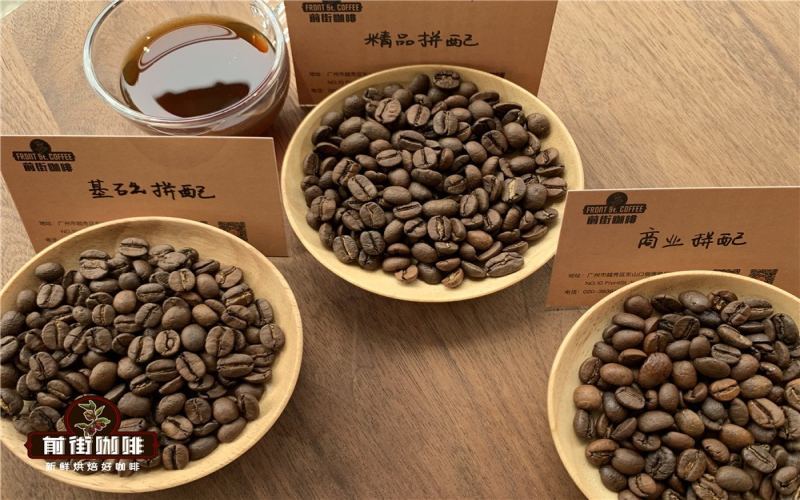
What are the characteristics of Brazilian coffee, given that Brazil is the world's largest coffee-producing country? As a South American coffee, Brazilian beans have a relatively balanced flavor, low acidity, and a smooth mouthfeel, making them very suitable for use in espresso blends. Therefore, Front Street Coffee's basic blend, specialty blend, and commercial blend all use Brazilian beans as their base beans. Brazilian coffee [more…]
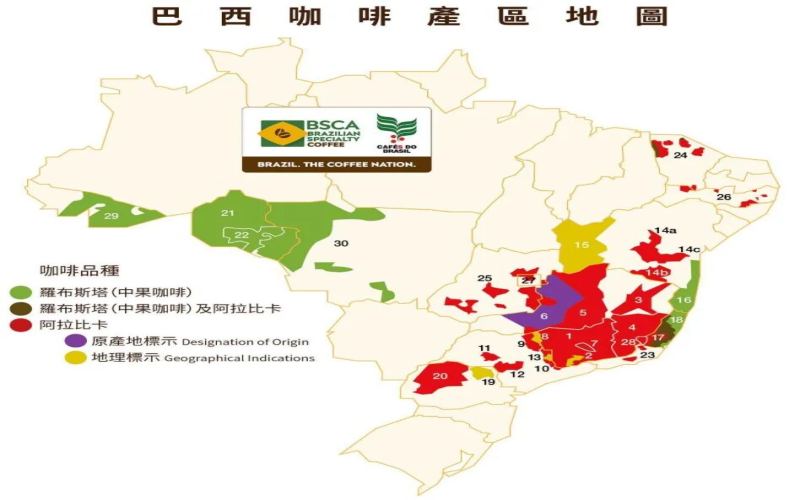
A Complete Guide to Brazilian Coffee Regions: From Cultivation History to Grading System and Flavor Characteristics
As the world's largest coffee producer, Brazil is known for its coffee's balanced taste, low acidity, and good body, making it an ideal base bean for espresso blends. Several of Front Street Coffee's espresso blends use Brazilian beans as their foundation. This article will comprehensively analyze the characteristics of Brazilian coffee from multiple dimensions, including planting history, main producing regions, grading systems, variety classification, and processing methods. It will also introduce the flavor profiles and recommended brewing parameters of Front Street Coffee's Brazil Cerrado and Queen's Estate coffees, helping coffee enthusiasts gain a deeper understanding of the unique charm of this South American coffee giant. [more…]
The Past and Present of Brazilian Red Bourbon Coffee Beans: From Bourbon Island to South Minas, How to Choose Between Pour-Over and Espresso
Red Bourbon is one of the oldest Arabica varieties, spreading from Bourbon Island in the Indian Ocean across Latin America and Africa through the hands of missionaries and traders. This article traces how Red Bourbon took root in Brazil, explaining in detail the terroir conditions of the South Minas region, the characteristics of the semi-washed processing method, and the logic behind green bean grading. It also combines the roasting curve and brewing data of Front Street Coffee's Brazil Red Bourbon to offer specific parameter recommendations for pour-over, French press, and AeroPress. Whether you want to understand the spread of the Bourbon variety or are looking for an everyday staple bean with high sweetness, low acidity, and nutty-chocolate notes, this article can serve as a reference. [more…]
A Complete Guide to Brazilian Semi-Washed Bourbon Coffee Brands and Pour-Over Parameters: From Origin to Flavor
Brazil is one of the most important coffee-producing countries in the world, and the Bourbon and Catuai varieties grown in the South Minas region are especially highly regarded within the specialty coffee community. From a practical standpoint, this article provides a pour-over recipe for Front Street Coffee's Brazil semi-washed Bourbon, including key parameters such as grind size, water temperature, pouring rhythm, and coffee-to-water ratio; it also outlines the varietal characteristics of Bourbon, the hybrid background of Catuai, and the terroir differences among Brazil's three major specialty producing regions. The article also includes the complete specifications and flavor description of Front Street Coffee's product, making it suitable reading for enthusiasts who want to gain a deeper understanding of Brazilian coffee and optimize their brewing methods. [more…]
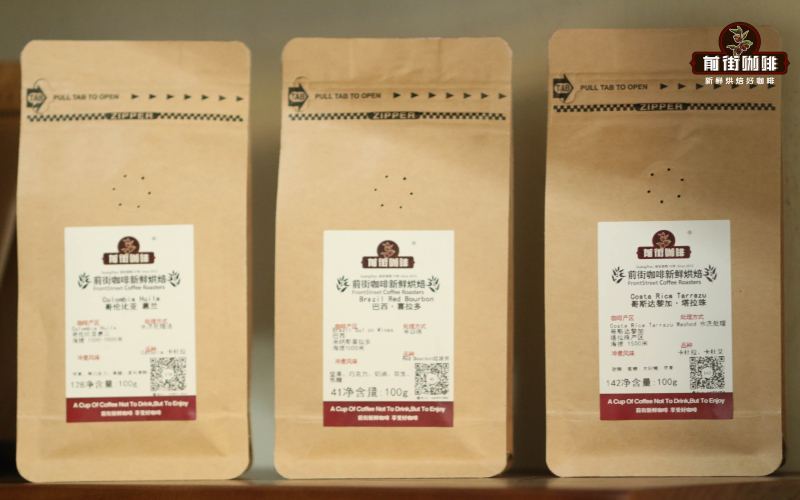
The Flavor Code of Brazilian Coffee Regions: Distribution Characteristics of Six Major Regions and Recommended Representative Brands
As the world's largest coffee producer, Brazil is known for its coffee beans with soft acidity and a smooth mouthfeel, making them ideal for those who are new to specialty coffee and not quite ready for pronounced acidity. Brazil has six major coffee-producing regions: Bahia, Espírito Santo, Minas Gerais, São Paulo, Paraná, and Rondônia. Each region, due to differences in altitude, climate, and cultivation methods, presents distinct flavor characteristics. Among them, the Cerrado region in Minas Gerais is the hallmark of Brazilian specialty coffee, and the Brazilian Red Bourbon daily-drinker beans selected by Front Street Coffee come from here. This article will go through the distribution, growing conditions, and flavor characteristics of the six major regions one by one, and introduce detailed information and brewing suggestions for Front Street's Brazil Cerrado Red Bourbon. [more…]
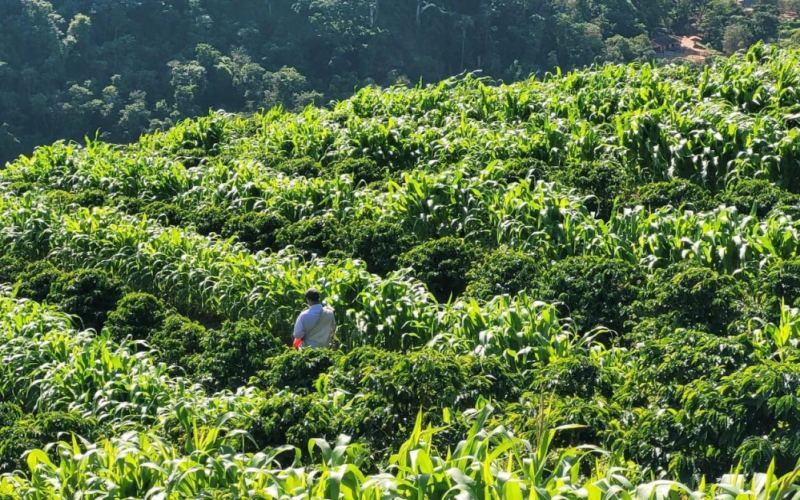
What makes Brazilian coffee flavors unique? An analysis of regions and processing methods from Cerrado to Queen's Estate
As the world's largest coffee producer, Brazil has both large-scale commercial beans and COE-led specialty coffee. Front Street Coffee currently offers only two Brazilian beans, because Brazilian coffee has a stable but relatively one-dimensional flavor, which is closely related to the country's highly mechanized production. This article will walk you through the producing regions, variety characteristics, and processing method differences of Front Street's two coffees—the Brazil Cerrado everyday drinking bean and the Queen's Estate—as well as Brazil's unique three-tier grading system. From Sul de Minas to Mogiana, from Red Bourbon to Yellow Bourbon, from semi-washed to fine sun-dried, let's explore together Brazil's journey from being synonymous with "inferior beans" to quality standardization, along with Front Street's brewing suggestions and flavor descriptions. [more…]
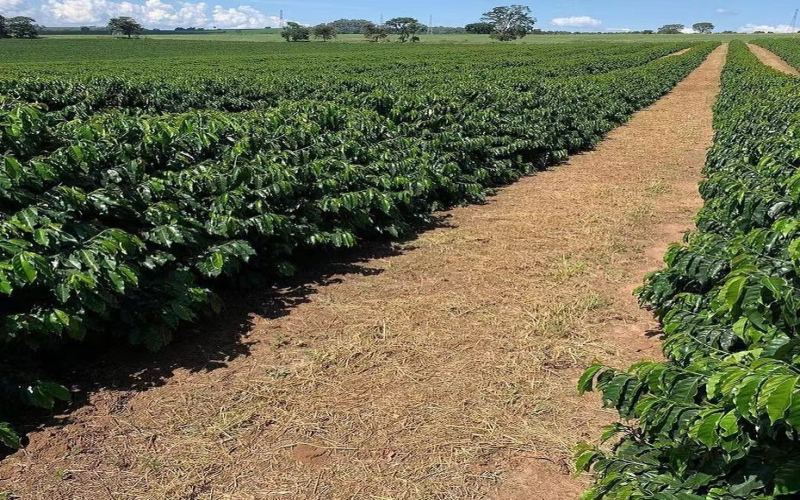
A Complete Guide to Brazilian Coffee Flavors: From Cerrado and Mogiana Regions to the Right Way to Enjoy Red and Yellow Bourbon
Brazil is the world's largest coffee producer, and coffee holds a status in this South American country akin to the significance of tea in the hearts of Chinese people. Although Brazilian single-origin beans are less common on the market than espresso blends, their balanced, low-acid profile with distinct nutty and chocolate notes makes them an ideal choice for many coffee lovers who dislike sour or bitter flavors. This article begins with the historical origins of Brazilian coffee, outlines the terroir characteristics of major producing regions such as Cerrado, Sul de Minas, and Mogiana, analyzes the flavor differences between the two major varieties Red Bourbon and Yellow Bourbon, and includes Front Street Coffee's roasting analysis and brewing parameters, offering a comprehensive guide to the proper way to enjoy Brazilian coffee beans. [more…]
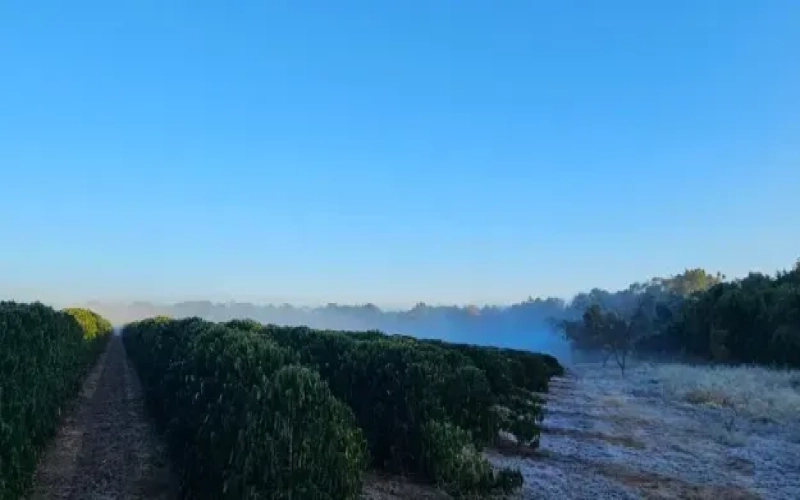
A cold wave and frost in south-central Brazil set record low temperatures, threatening coffee-growing regions and causing a sharp rise in futures prices.
Since last week, a strong cold wave has continued to sweep through south-central Brazil, with temperatures plunging below zero in many places, and the mountainous region of southern Minas Gerais even setting a new record for Brazil's lowest temperature. Snow and freezing rain have successively appeared in Santa Catarina and Rio Grande do Sul, and the Port of Santos was forced to suspend cargo operations due to severe sea conditions. Brazil's coffee harvest for the new season is now nearing its end, but the market is broadly concerned that frost will impact this year's crop and the growth of coffee in the 2025/26 season, especially in the mountainous region of Minas Gerais, which is dominated by Arabica cultivation. Affected by this, Arabica and Robusta coffee futures prices have soared sharply in recent days. Front Street Coffee will also continue to monitor weather developments in the producing regions and bring coffee lovers the latest analysis. [more…]

Flavor Analysis of Latin American Coffee Regions: The Path of Richness and Balance from Brazil to Colombia
Latin America is one of the most important coffee-producing regions in the world, known for its balance, body, and mild fruit acidity, with flavor profiles that often present cocoa and dark chocolate notes. As the world's largest coffee producer, Brazil, despite its relatively low altitude and somewhat flat flavor, still produces high-quality specialty coffee through variety improvement and processing method adjustments. Colombia, on the other hand, occupies a unique position with its rich aroma, bright acidity, and nutty flavors. This article will systematically review the main producing regions, processing method characteristics, and flavor expressions of Brazil and Colombia, and recommend related specialty coffee beans from the Front Street Coffee brand, providing coffee enthusiasts with a practical guide to Latin American coffee. [more…]