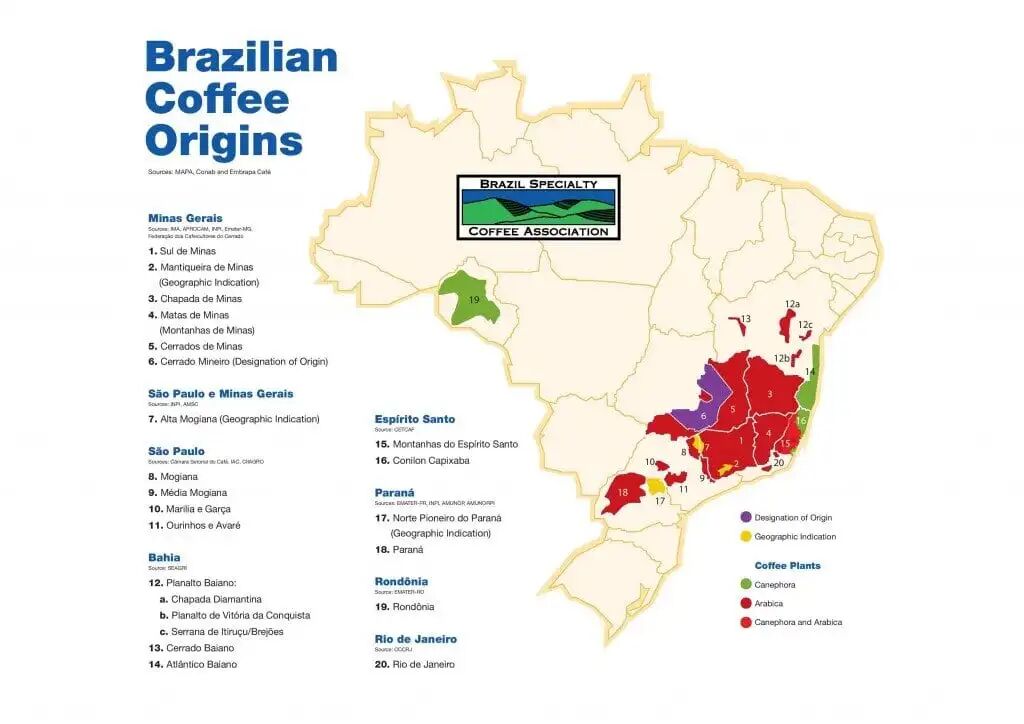
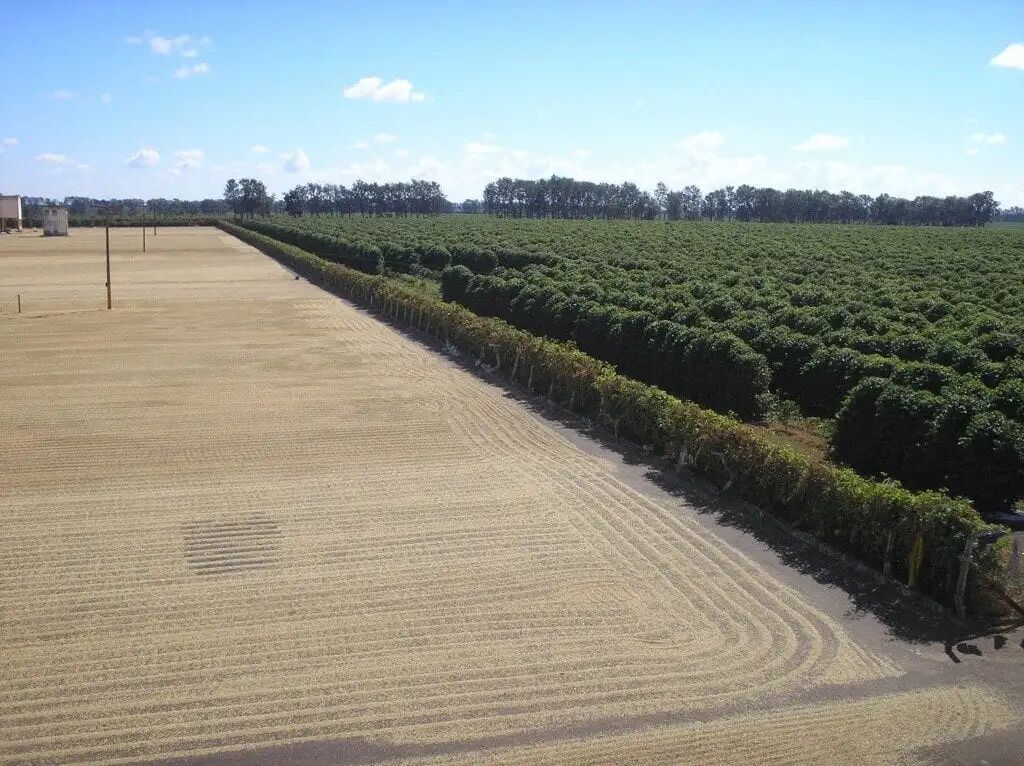
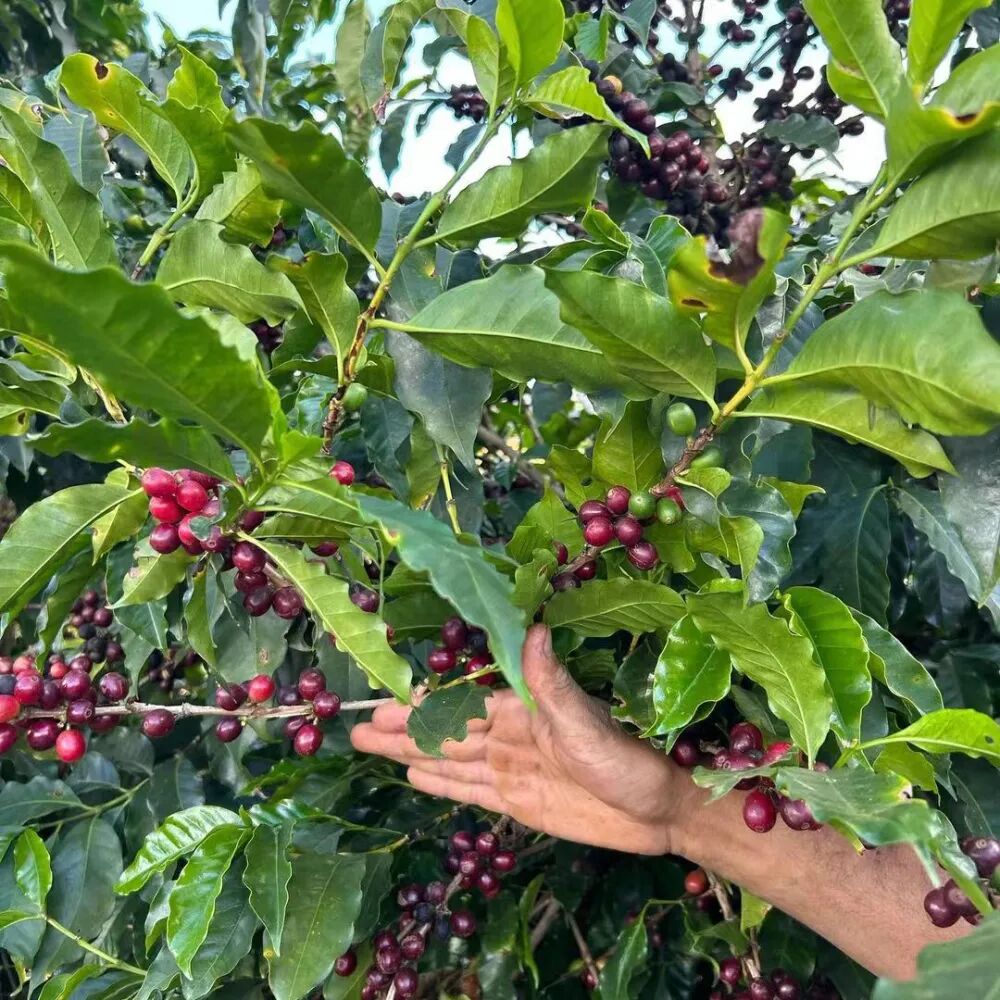
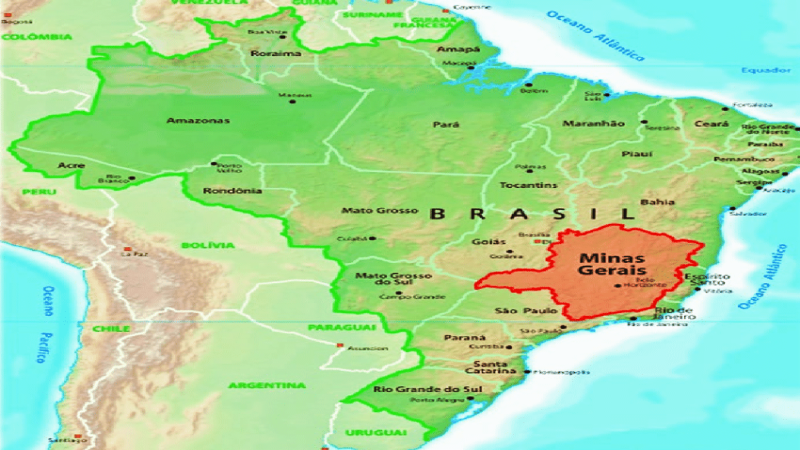
When it comes to which country produces the most coffee, Front Street Coffee believes it must be Brazil. Its annual total output is about 2.7 million metric tons, accounting for one third of the world's total coffee bean production. But did you know? In fact, Brazil's geographical environment is not really suitable for coffee growth. After consulting materials, Front Street Coffee found that Brazil's terrain is uniform and its climate is very dry. The altitude is also generally low. The average altitude of Brazil's coffee plantations is about 1,000 meters, and in the past, in order to increase production, Brazilian coffee was often harvested with semi-mechanized machines that collected both ripe and unripe coffee cherries together, resulting in poor green coffee quality. But after coffee became Brazil's main cash crop, through soil improvement and the improvement of coffee varieties, Brazilian coffee beans successfully made a comeback. It is currently known that Brazilian coffee bean origins are concentrated in the central and southern regions, distributed across 7 states, with about 14 coffee-producing regions, namely: South of Minas, Minas Mountains, Chapada de Minas, Matas de Minas, Mogiana, Centro-Oeste de São Paulo, Montanhas do Espírito Santo, Conilon Capixaba, Cerrado, Planalto da Bahia, Atlantic Baiano, Paraná, Rondônia, and Cerrado. Among them, the most representative is undoubtedly the Cerrado region. It can be said that South of Minas and the Cerrado region have contributed immeasurably to the rise of Brazilian coffee. The Cerrado region is located in central Brazil, spanning eight provinces, covering about two million square kilometers in the southern highlands of the "Cerrado savanna climate zone." It is worth mentioning that this Cerrado savanna is the largest tropical savanna in South America(or tropical grassland), rich in native plants and animals, with climate and ecological characteristics clearly different from the Amazon basin in northern Brazil.Coffee in the Cerrado region is mostly grown at an altitude of about 1,000 meters, where the soil is fertile and rich in minerals. In addition, the local coffee beans are mostly washed or semi-washed, giving a relatively clean flavor expression, especially with a unique genmaicha aroma in the aftertaste, and sometimes nutty sweetness or milky notes.
 And the so-called Cerrado coffee region(Cerrado Coffee Region)refers to the area where the savanna extends into Minas Gerais at elevations of 850 to 1,200 meters. In terms of Brazilian coffee region distinctions, it is different from "Sul De Minas(Sul De Minas)," which is also located in Minas Gerais. The flat and open terrain of the savanna is especially suitable for establishing large estates there. Combined with a clear dry and wet season and the relatively cool climate of the plateau, coffee cherries tend to ripen more uniformly. As a result, the Cerrado region stands out among Brazil's many producing regions and can be considered a choice for high-quality Brazilian beans. As a harvester of high-quality coffee, how could Front Street miss coffee beans from this region? The Front Street Brazil Bourbon coffee beans that Front Street has brought in come from Brazil's Cerrado region. This Front Street Brazil coffee has a balanced flavor and mouthfeel and possesses a very typical Brazilian coffee style. It has prominent nutty notes, obvious chocolate notes, and low acidity. As with many coffees of high body, Front Street uses a medium roast for this coffee to reduce the unpleasant acidity in it, enhance its body, and make the whole cup taste smooth.
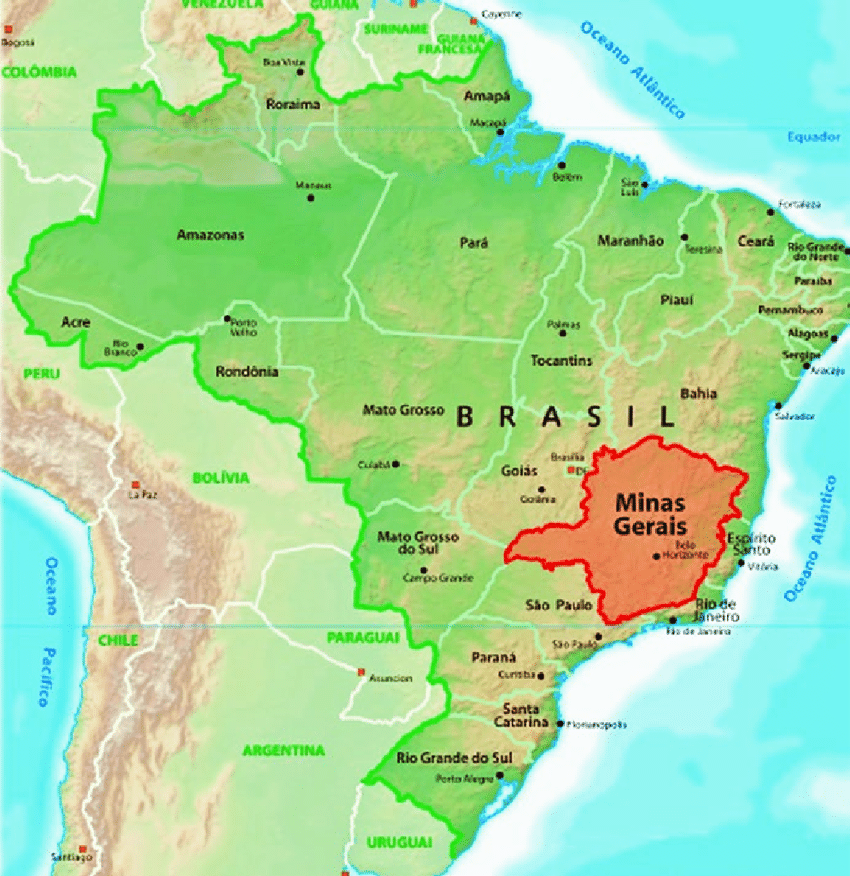
 The winter in the South of Minas region is dry, while the summer has abundant rainfall, with a clear dry and wet season, which helps the coffee's yield and quality. The only drawback is that the soil contains too much iron and lacks necessary minerals such as nitrogen and calcium. The Brazilian authorities have spared no expense in using high-tech methods to customize and improve soil minerals for coffee farmers, helping the coffee grow healthily. They have also established large-scale irrigation systems to overcome the adverse conditions of dryness and poor soil. The coffee output of Minas Gerais can reach almost 50% of Brazil's total coffee production, making it Brazil's main coffee source.
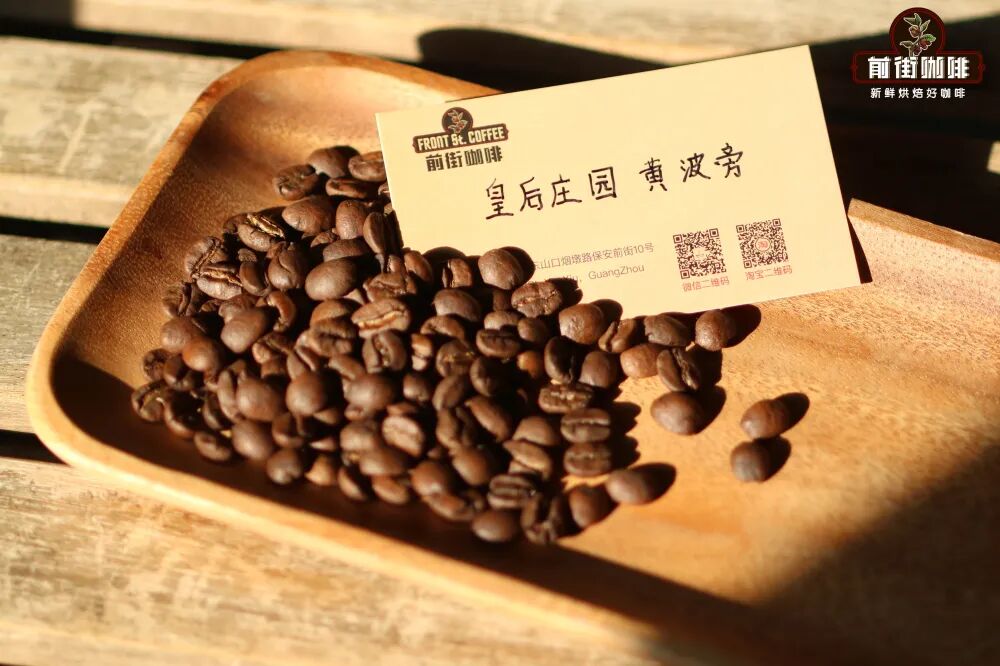
 In 1927, the first coffee variety introduced to Brazil was Typica. However, because Typica coffee has low yield and very poor disease resistance, it was not economically suitable and was therefore eliminated by Brazilian coffee. By 1869, Brazil introduced Bourbon coffee from Bourbon Island or Yemen, and because of its high productivity, it quickly replaced Typica. In 1935, a mutation of Bourbon coffee was discovered in Brazil and namedCaturra, but because its growth quality at the time was poor, it did not become Brazil's main coffee bean variety. At present, Brazil's main bean varieties are Bourbon, Catuai, Mundo Novo, and Maragogype.Taking the Front Street Brazil Yellow Bourbon that Front Street has brought in as an example, this time Front Street chose Yellow Bourbon coffee beans from Fazenda Rainha in the Mogiana region of São Paulo state. Fazenda Rainha has 280 hectares of coffee-growing area, of which 200 hectares are Yellow Bourbon coffee. Thanks to the advantages of terrain and climate, this place has become a unique site for producing Brazilian specialty coffee.Front Street Coffee: Brazil · Fazenda Rainha Coffee BeansProcessing Method: NaturalThe taste characteristic of this Front Street Brazil Fazenda Rainha Yellow Bourbon coffee is a very obvious sweet aftertaste. Front Street uses a medium roast to bring out its nutty aroma and increase its body, while at lower temperatures this Front Street Brazil coffee will have slight acidity and a hint of fermented fruit flavor.After 2000, because of the international bidding auction held by COE, coffee farmers were able to work harder to produce high-quality coffee. The quality of coffee beans produced in the high-altitude southern regions received considerable praise, especially from estates around the Minas highlands. Their coffee quality is the leader among Brazilian beans, and their output is also the largest. For example, Cerrado in western Minas, Matas in the east, northern Bahia, or small farms in the south—Minas has almost become synonymous with Brazilian specialty coffee.
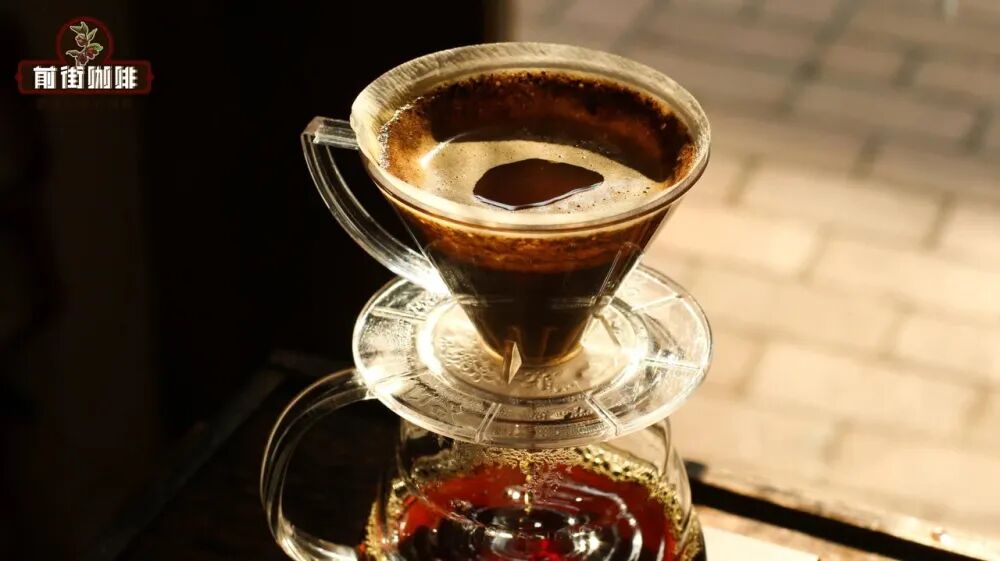
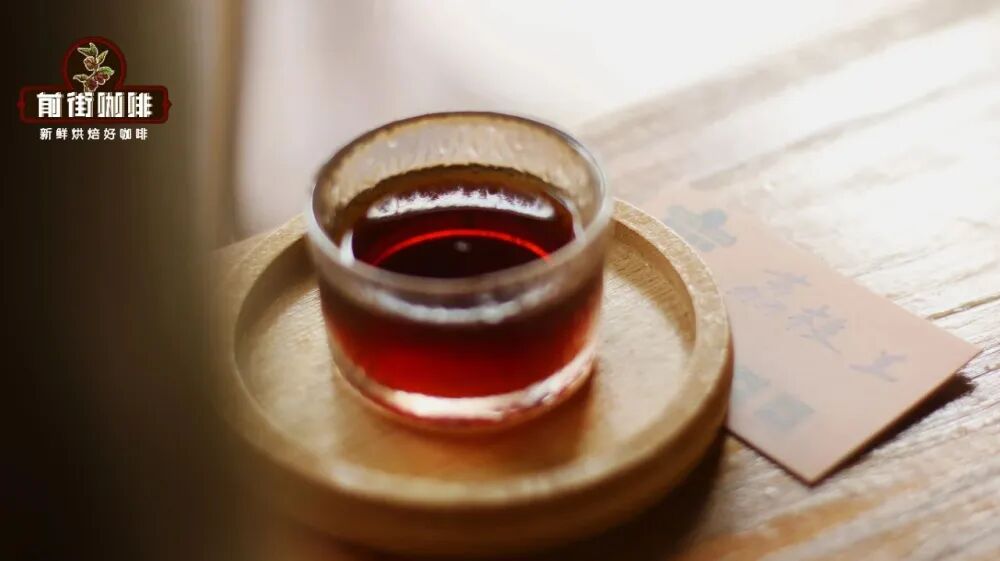
 In recent years, coffee has been distinguished precisely by processing method(washed processing method, semi-washed method, semi-natural method, natural method). These methods enhance the characteristics of Brazilian coffee and have developed a variety of flavors, mouthfeels, and aftertastes, giving it a completely different style from traditional Brazilian coffee. In particular, coffees processed by the semi-natural, semi-washed, and natural methods perform the best.Because the Brazilian coffee produced by Front Street has excellent flavor and outstanding mouthfeel, customers often ask how it is brewed. So next, Front Street will introduce some tips for brewing Brazilian coffee.Front Street Coffee brewing parameters: Kono dripper, 88°C water temperature, 15 grams of coffee, 1:15 coffee-to-water ratio, medium-coarse grind(75% passing rate on Chinese standard No. 20 sieve) In order to improve the body of Brazilian coffee, Front Street uses a Kono dripper. By observing, you will notice that the Kono dripper,unlike the V60, hasvery short ribs that can hardly achieve any drainage effect. During brewing, the upper part of the Kono dripper is pressed by air, causing the filter paper and dripper to fit tightly together, creating a phenomenon similar to a "siphon," which slows the coffee flow rate so that the contact time between coffee grounds and water becomes longer. This helps increase the coffee's body and is suitable for medium-dark roasted coffee beans such as Front Street Fazenda Rainha, Front Street Blue Mountain Coffee, and Front Street Golden Mandheling.
 To prevent over-extraction, Front Street lowers the brewing water temperature to 88°C. When the temperature decreases, water molecules no longer move so actively, so the extraction speed decreases. If you are interested, you can use a V60 and a Kono dripper to extract Front Street Brazil coffee beans separately—perhaps you will have a different experience.
The above content is compiled by CoffeeHunters, a coffee news website.