







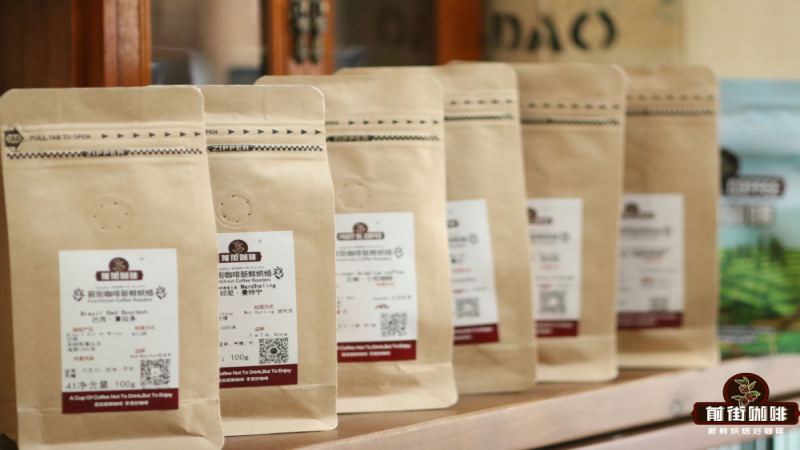
Brazil, as the world's largest coffee producer, has 17 coffee-growing states across its vast territory, with the most representative producing regions concentrated in the southeast. Unlike other countries in Central and South America, Brazil's coffee cultivation elevation is generally low, and its large areas of flat terrain have made mechanized harvesting and commercial processing the mainstream, with coffee flavors mostly presenting a balanced, low-acid, and mild tonality. This article will focus on three major producing regions—Sul de Minas, São Paulo, and Cerrado—sorting out their geographical conditions, variety structures, processing methods, and cup performance, while also introducing how Brazil's unique semi-washed method affects coffee's sweetness and cleanliness. Front Street Coffee will also share, based on its own bean list, actual flavor experiences from producing regions such as Mogiana and Cerrado.
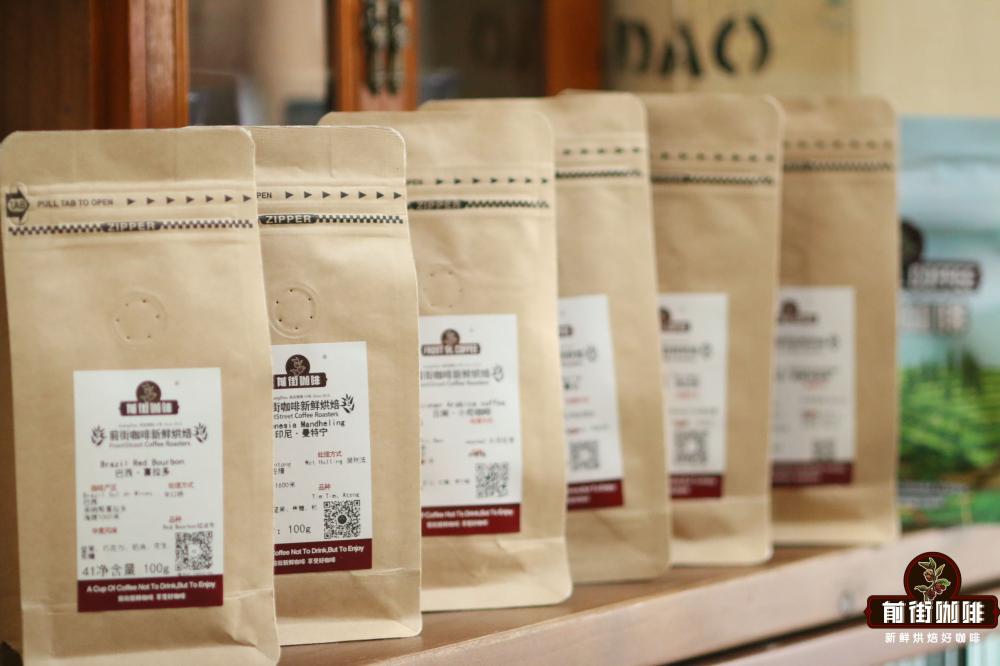
When it comes to coffee's unique flavors, many people first think of Ethiopia, Panama, or Jamaica, but when it comes to coffee production, Brazil, the world's largest producing country, is unavoidable. Today, Front Street Coffee will take everyone closer to several core coffee-producing regions in Brazil and see how the coffees they each produce differ.
Coffee Cultivation in Brazil
Unlike many coffee-producing countries in Central and South America, Brazil has a vast territory, and coffee cultivation prioritizes yield. The elevations of producing regions are generally low, and coffee trees are often planted in large stretches on gentle terrain below 1,000 meters. After the cherries ripen, workers use machinery for large-scale picking, greatly saving manpower. The harvested coffee cherries are then sent to large green bean processing plants, where every step is completed under a commercial management system.
Brazilian growers do not cultivate with the same intensive care as many specialty estate owners. Years ago, in order to enhance the adaptability of coffee trees to the local terroir, Brazilians had already bred varieties that do not require shade and can grow directly under the scorching sun. In addition, because the planting elevation is not high, the coffee cherries do not have enough time to accumulate nutrients and form complex aromas. Therefore, most Brazilian coffee presents a balanced, low-acidity, and smooth character, making it easy to accept even for those who are just beginning to drink coffee.
Brazil mainly cultivates Bourbon, Mundo Novo, and Catuai. Bourbon is further divided into Red Bourbon and Yellow Bourbon, among which Red Bourbon is the most commonly planted locally in Brazil due to its higher yield and good aroma performance.
As the world's number one coffee-producing country, Brazil naturally has far more producing regions and area than other countries. At present, 17 states in Brazil produce coffee, mainly concentrated in the southeast. Next, Front Street Coffee will introduce three of the more representative coffee-producing regions: Sul de Minas, São Paulo, and Cerrado.
Sul de Minas Sul de Minas
Sul de Minas is Brazil's oldest coffee-producing region and a sub-region of the state of Minas Gerais. The climate here is mild, and the elevation is generally higher than in most Brazilian producing regions, averaging about 1,400 meters, with coffee trees growing on gently sloping woodland. The local unique terrain creates distinct dry and wet seasons. The rainy season has sufficient rainfall, while winter is relatively dry, which is very beneficial for coffee fruiting and quality improvement.
Because the local area has invested a great deal of manpower in coffee production, infrastructure and scientific research development are also relatively complete. Many coffee exporters have established their own large estates in Sul de Minas, and coffee output is likewise operated under a commercial model.
Front Street Coffee has mentioned in many articles that coffee develops different flavor directions under different growing environments. Coffee produced in the higher-elevation Sul de Minas has typical fruity aromas. In addition, because the local area mostly uses washed and semi-washed processing, the acidity appears relatively clean, and the mouthfeel is rich and smooth.
São Paulo São Paulo
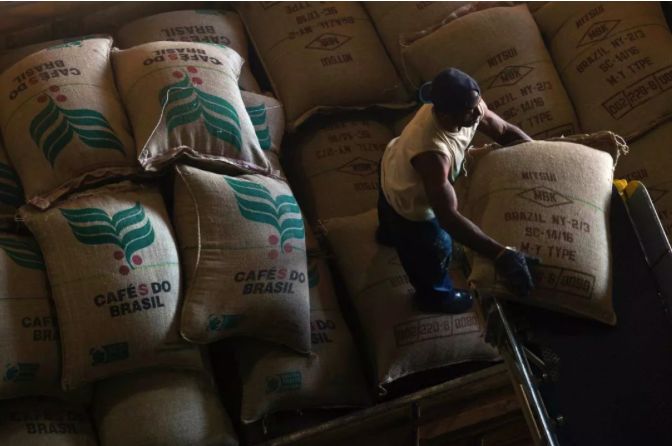
São Paulo state is located in southeastern Brazil. Most of Brazil's high-quality coffee comes from large estates in São Paulo and the Minas Gerais region. The climate here is more humid and mild, not as dry as in the north, so there is no need to build additional irrigation systems. In addition, Santos, Brazil's largest and oldest port, is also located here, and it is also the world's largest coffee export port. The burlap sacks of green coffee exported overseas from the Port of Santos usually bear the mark "SANTOS."
São Paulo has two main coffee-producing areas: Centro-Oeste and Mogiana. The Brazil Queen Estate coffee on Front Street Coffee's bean list comes from Mogiana.
Mogiana is adjacent to Sul de Minas, and most coffee is planted among shrubs, grasses, and vegetation. The local fertile red volcanic soil allows the coffee cherries to absorb sufficient nutrients and develop full aromas. Some farms here adhere to traditional operating methods, while others have introduced modern standardized management, and coffee quality has therefore improved significantly. From the local coffee, Front Street Coffee tasted a fresh sugarcane sweetness not found in other producing regions, while also sensing fruity and chocolate flavors.
Cerrado
The Cerrado producing region is located on the Cerrado savanna in central Brazil, where many large estates and coffee processing plants are distributed across the open and flat terrain. Cerrado is Brazil's first coffee-producing region to obtain origin certification, and the high-quality Brazilian beans it produces give it a pivotal position domestically.
Coffee trees in Cerrado are planted in mountainous areas at an elevation of about 1,000 meters, and the soil is rich in minerals. Local large estates mostly use washed and semi-washed processing, making the coffee flavor more refined and clean. After roasting, the beans offer the smooth fragrance of nuts and cream, with a balanced mouthfeel—a very classic Brazilian coffee taste. Front Street Coffee has also included the Cerrado producing region in its daily bean series, allowing beginners new to coffee to start with coffees from 7 classic producing regions at the lowest price and explore the basic flavors of different origins.
Semi-Washed / Pulped Natural Processing Method
In a coffee country with such enormous output as Brazil, batch sizes are very large, and it is impossible to use fully washed processing for everything as in other Central American countries. The local area has abundant sunshine, but traditional natural processing takes too long. In order to save on various costs, locals developed a unique pulped natural method, also called the semi-washed method—as the name suggests, it falls between washed and natural. This method is also suitable for areas short of water or with humid air.
Before drying, the pulped natural method first places coffee cherries into a water tank, using the characteristic that defective beans float due to insufficient weight to screen out the first round of defects. Then the skin is removed by machine. Coffee cherries that are not sufficiently ripe are not easily stripped of their skin, so this step can further reduce the defect rate, giving Brazilian coffee a cleaner sweetness and more prominent aroma. Finally, the parchment beans are spread out on a drying yard to dry until the moisture content meets the standard.
For professional coffee knowledge exchange and more coffee bean information, please follow Coffee Workshop (WeChat public account: cafe_style)
For more specialty coffee beans, please add the private WeChat of Front Street Coffee (FrontStreet Coffee), WeChat ID: qjcoffeex
The above content is compiled by CoffeeHunters, a coffee news website.


