







Search Results for: Small-dose brewing
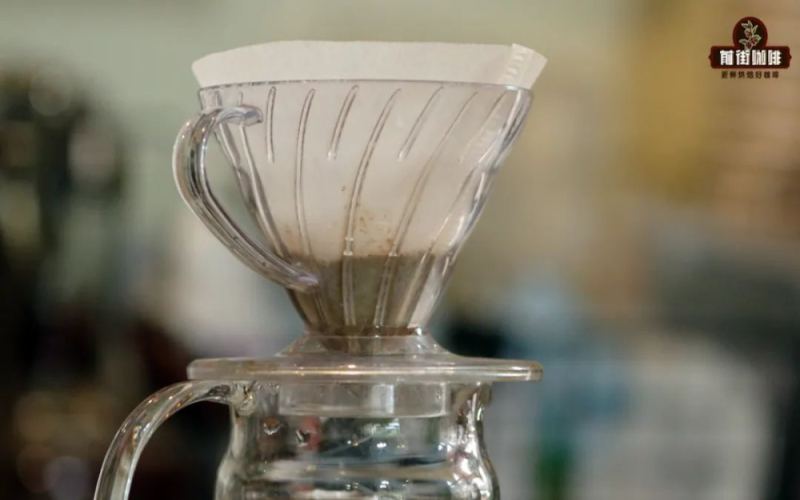
Pour-Over Coffee Small-Dose Brewing Guide: How to Adjust Parameters for 7g of Coffee to Get Great Flavor
In the practice of pour-over coffee, the coffee dose is one of the key variables determining the extraction result. Many coffee enthusiasts run into this problem: at the end of a bag of beans there are always a few grams left, too little for a single cup on its own, yet too wasteful to throw away. Based on Front Street Coffee's hands-on testing experience, this article systematically explores the differences between brewing with a small dose of around 7 grams and a conventional 15-gram dose, analyzes the extraction challenges caused by a thinner coffee bed and faster water flow, and offers two sets of adjustment plans for different levels of water-control skill—one that relies on a finer grind combined with a thin stream and three-pour approach, and another that uses a heavy stream and staged raising of the water level to lower the barrier to execution. Whether you are a complete beginner or a pour-over player with some experience, you can find a small-dose strategy that suits you. [more…]
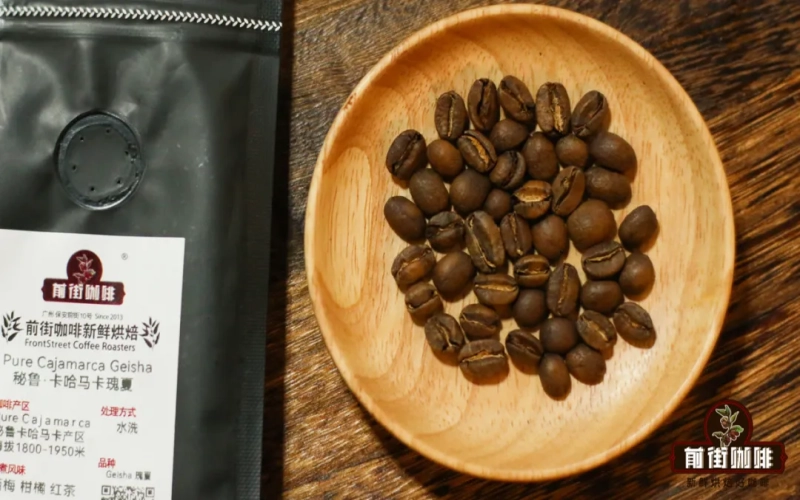
How to Handle Leftover Coffee Beans? Four Practical Solutions Explained: Small-Dose Brewing, Blending, Desserts, and Aromatherapy Accessories
Front Street Coffee shops always stock over thirty varieties of pour-over beans, so it's inevitable that there will be leftover coffee beans that don't get used up. Simply throwing them away is truly a waste, so Front Street Coffee chooses different handling methods based on the amount of remaining grounds: when the amount is around 10g, it can be brewed directly, but the parameters need to be adjusted or a smaller-dose dripper used; if it's less than 6g, it can be topped up by blending with other beans; the coffee beans can also be made into desserts like lemon zest slices, or turned into decorative items such as aromatic bracelets. This article explains in detail the principles and key operational points of each approach, helping you make the most of every single coffee bean. [more…]
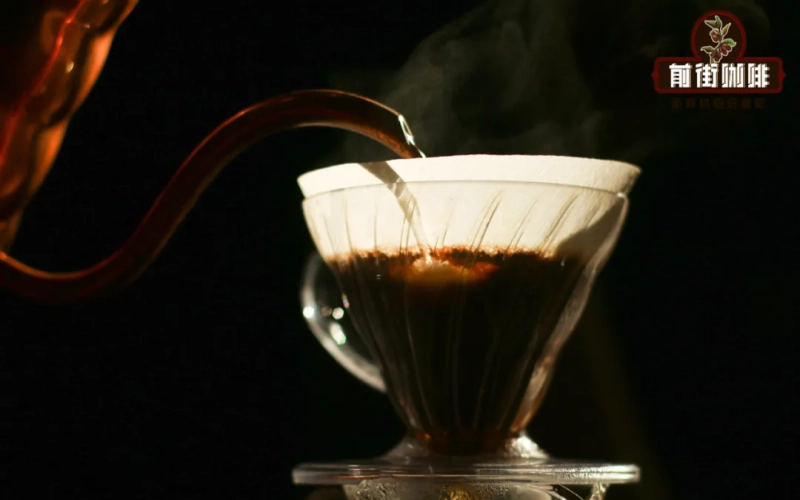
How to adjust brewing when less than 15 grams of coffee beans remain? Analysis of small-dose extraction techniques and bean-saving ideas for conical drippers
Many times, when a bag of coffee beans is nearing its end, there are always less than 15 grams of scattered beans left, which is neither enough for the usual single-serving dose nor enough to blend with other beans to make up the number. If you don't want to waste them, you need to find a way to fully extract the value from these few beans. When the dose is on the low side, the brewed coffee tends to be under-extracted, because the coffee bed becomes thinner, the amount of water poured decreases, and the contact time between hot water and coffee grounds is shortened. If a conical dripper is used, bypass water can also easily dilute the coffee liquid. In response to these difficulties, Front Street shares two approaches in this article to help everyone brew a good cup even with less than 15 grams of coffee beans. [more…]

How do you use a V30 conical pour-over dripper? How many beans to use for small-dose extraction and what to watch out for
Small doses in pour-over brewing are often a headache: the coffee bed becomes thin, water tends to channel straight through, and the cup easily turns out thin and insipid. The 30-degree conical dripper from Japan's Tarachine Conical, known in coffee circles as the "V30," was designed specifically for small doses under 15 grams. How does it differ from the classic V60? How do you fold the filter paper? Front Street Coffee tested light and fruity roasts, medium-dark roasts, and three medium-roast beans, comparing the extraction performance of the V30 and the small V60. This article will explain the V30's structural features, filter-folding method, brewing parameters, and suitable roast levels, helping you brew a cup with concentrated flavor and a full body even at small doses. [more…]
Is It Feasible to Use 30 Grams of Coffee for a Single Pour-Over? Adjustment Approach and Practical Tips for Large-Dose Extraction
During holidays and family gatherings, there's always someone hoping the coffee enthusiast will brew a fresh pot on the spot. But when the dose jumps from the usual 15 grams to 30 grams, the same technique tends to cause water to pool at the end of the drawdown, drag out the brew time, and leave the flavor low and muddy. Why does extraction change so much once the dose goes up? Front Street Coffee breaks down the challenges of large-dose pour-over one by one—from dripper model and blooming method to pouring rhythm—and offers adjustment plans for both the 02 and 01 drippers, helping you brew coffee close to your everyday standard even at gatherings with many people. [more…]
What is the minimum amount of coffee grounds for pour-over? Can 5 grams of beans brew a good cup of coffee? Analysis of brewing ideas and methods for extremely small doses
The standard dose for pour-over coffee is usually around 15 grams, but when dealing with a rare bean variety or when you just want to taste a sample, can you push the dose down to 5 grams or even lower? Once the dose is reduced, the ratio of hot water to coffee grounds, the extraction time, and the pouring method all change in a chain reaction, and one wrong move can produce a thin or bitter cup. Starting from practical operation, this article sorts out the lower limit of the pour-over coffee dose, analyzes the core difficulties faced by brewing with a small dose, and offers pouring strategies and equipment selection suggestions for extremely small doses such as 5 grams and 8 grams. The article also draws on the store practice of Front Street Coffee to explain the scenarios in which small-dose brewing is suitable and the points to note, helping coffee lovers preserve as much flavor layering as possible while saving beans. [more…]
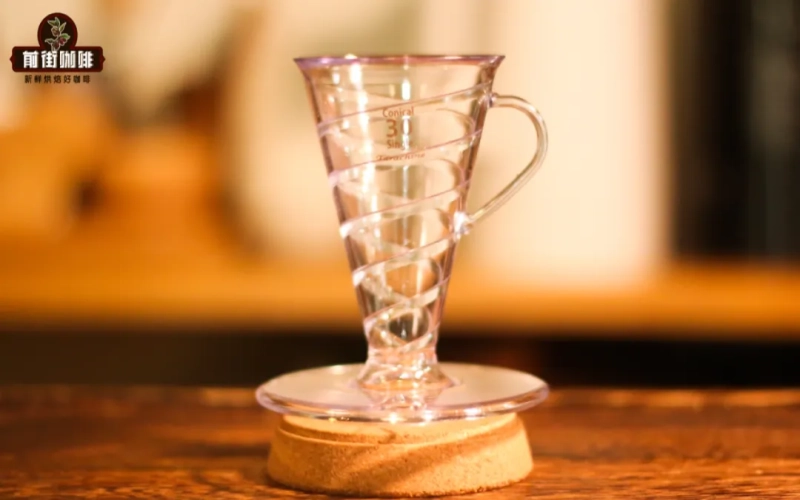
A Full Analysis of the Differences Between V30 and V60 Drippers: The Impact of Cone Angle Design on Extraction and the V30 Brewing Method
After sharing V60 small-dose brewing techniques, Front Street Coffee received many reader inquiries about how to use the V30 dripper, and some customers also asked in-store about the differences between the V30 and V60. For this reason, Front Street Coffee deliberately placed these two conical drippers side by side for a horizontal comparison. Although their names and shapes are similar, the V60 and V30 come from two different Japanese companies, Hario and Tarachine Conical, respectively, and because of their different cone-angle designs, their extraction effects are also vastly different. This article will analyze the origin of their names, structural differences, and the impact of coffee bed depth on extraction, and will also introduce the brewing method for the V30 dripper in detail, helping coffee enthusiasts understand the characteristics of these two devices more clearly. [more…]
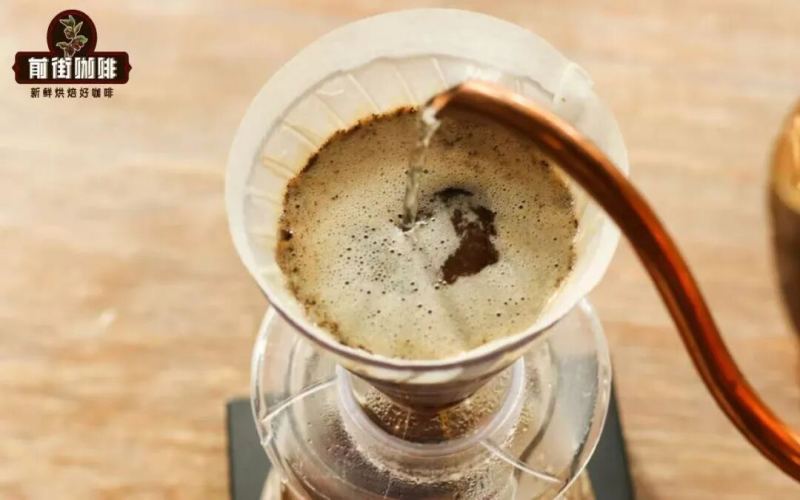
Coffee Brewing Tutorial | Why Is It Harder to Brew with More Coffee Grounds? What to Watch Out for When Making Pour-Over Coffee for Multiple People?
Many friends can handle brewing a single serving of coffee with ease, effortlessly producing a delicious pot of coffee. However, when the dose of grounds is doubled and they brew coffee for multiple people, their performance isn't quite as impressive! After going through the whole process, the coffee they brew not only lacks the rich layering it once had, [more…]
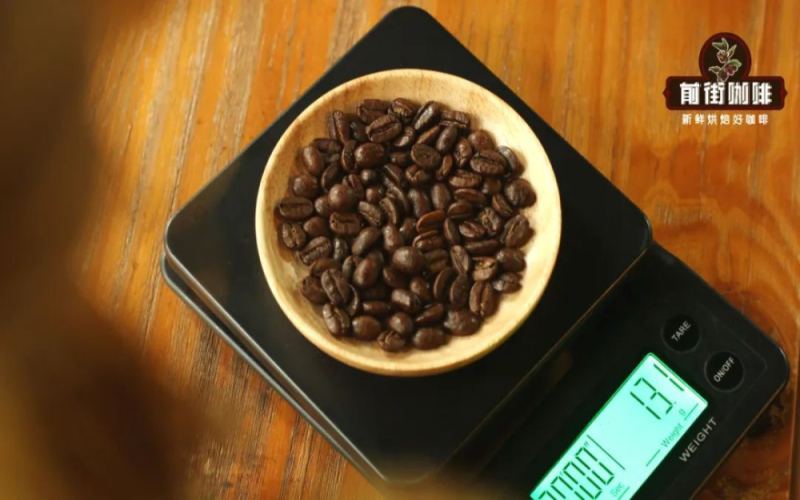
What Is the Right Amount of Coffee for a Single-Serve Pour-Over? V30 Cone Dripper Testing and Brew Parameter Breakdown
How should the coffee dose for pour-over be determined? The common Hario V60 01 dripper is recommended to hold 15–20 grams of coffee grounds, but when there aren't enough beans left or you only want to brew a single cup, using a large dripper with a small dose easily leads to a thin extraction. The 30-degree conical dripper launched by Japan's Tarachine (commonly known as the V30) is designed specifically for small doses of under 15 grams. After getting this transparent resin dripper, Front Street Coffee conducted brewing comparisons using Kenya, Blue Mountain, and three medium-roast beans, and found that the V30 can form a thicker coffee bed with a small dose, extending the extraction path, making the coffee flavor more intense and the mouthfeel fuller. This article documents in detail the filter paper folding method, brewing parameters, and the comparison results with the V60, and offers dose control suggestions, providing a reference for coffee enthusiasts who enjoy small-dose pour-over. [more…]
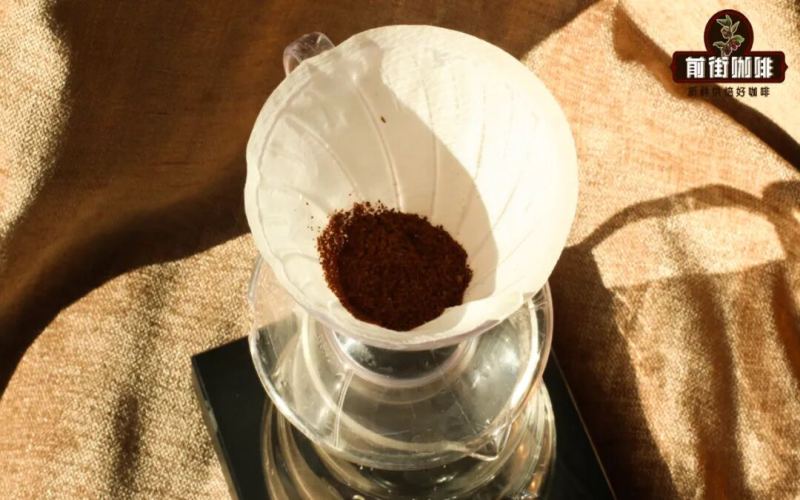
Pour-over coffee brewing method | How many coffee beans are needed to brew a pour-over? What are the difficulties of brewing coffee with a small dose? How to make pour-over coffee using only 5 grams of coffee beans
It might be used for making specialty coffee drinks, or perhaps you just want a light taste of coffee to get a hint of the flavor~ Occasionally, some friends have the idea of "brewing just a small cup of coffee with only a small amount of coffee beans." But if you've actually tried it, Front Street believes it shouldn't be hard to notice: compared to brewing with a large dose of coffee grounds, brewing a good cup with a small dose [more…]
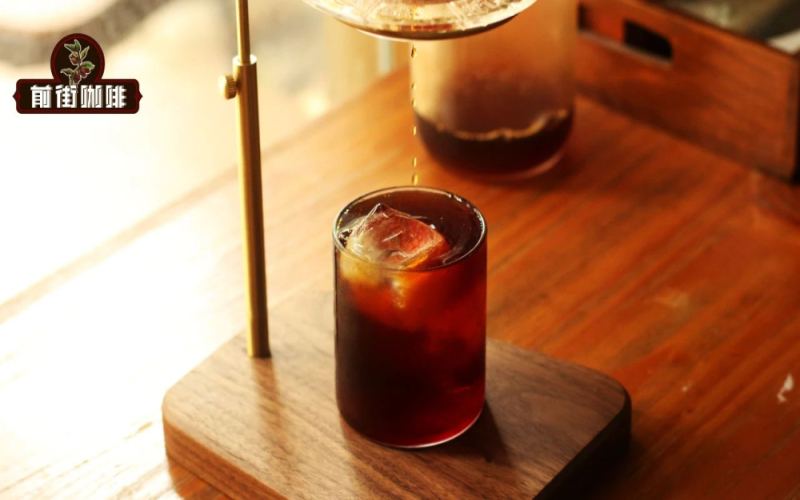
What Is Japanese Iced Coffee? An Analysis of Two Major Iced Brewing Methods and Practical Details
As the weather warms up, iced drinks are once again becoming a favorite among coffee lovers. This article focuses on Japanese-style iced coffee, introducing its characteristics and sharing two ready-to-use iced pour-over methods: the stirring method from KURASU COFFEE in Kyoto, and the ice-shaking method from Taiwanese barista Amis. The article breaks down in detail each method's equipment choices, coffee bean preferences, pouring techniques, and parameter differences, using Ethiopian Sidama Alo Hattesa beans as a demonstration to help readers brew a fragrant yet refreshing summer iced coffee. [more…]
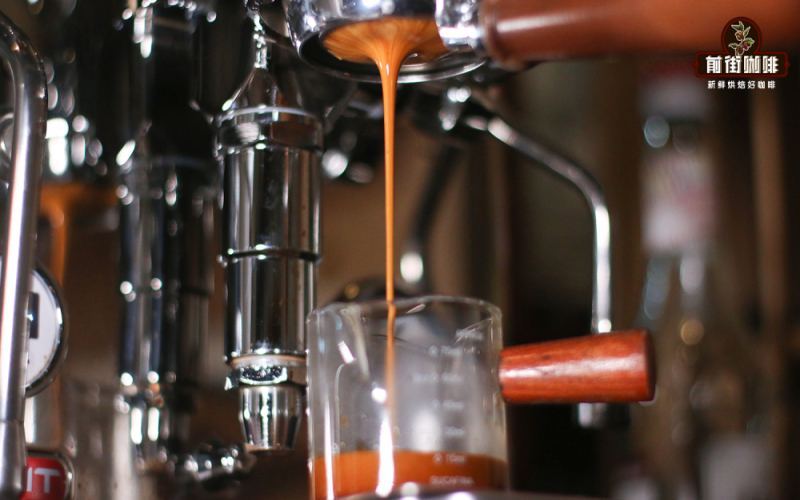
How to Pull a Proper Espresso Shot? A Full Breakdown of Dose, Yield, Time, and Pressure Parameters
To consistently make delicious espresso at home or in a café, you don't actually need complicated equipment—the key is mastering a few core parameters. Drawing on Front Street Coffee's hands-on experience, this article systematically breaks down variables such as dose, yield, extraction time, water temperature, and pressure distribution, and offers recipe ideas for a double basket. You'll learn why it's recommended to start with a 1:2 brew ratio, how to fine-tune by time to find the flavor sweet spot, and how to avoid pucking and channeling. Whether you're using a Lelit V3 or another espresso machine, these methods can help you push your espresso from "drinkable" to "delicious." [more…]
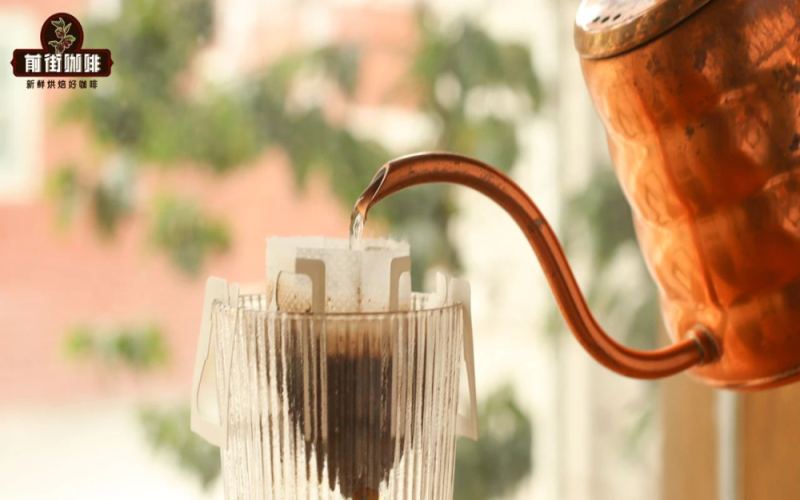
How to brew drip bag coffee so it tastes good? A full breakdown of Blue Mountain flavor brewing key points and operational details
Drip bag coffee, with its combination of convenience and freshness, has become the preferred way for many people to drink coffee daily. But to truly brew a cup of drip bag coffee with full flavor and balanced taste, every step—from tearing open the packet and hanging it on the cup to pouring water and blooming—has its own finer points. This article takes Front Street Coffee drip bags as an example to break down in detail the correct brewing process for drip bag coffee, including key details such as recommended water temperature, coffee-to-water ratio, and pouring technique. It also explains how coffee bean freshness and grind size affect flavor, and recommends three classic coffee beans suitable for making drip bags, helping coffee lovers easily recreate a good cup of coffee at the office or at home. [more…]
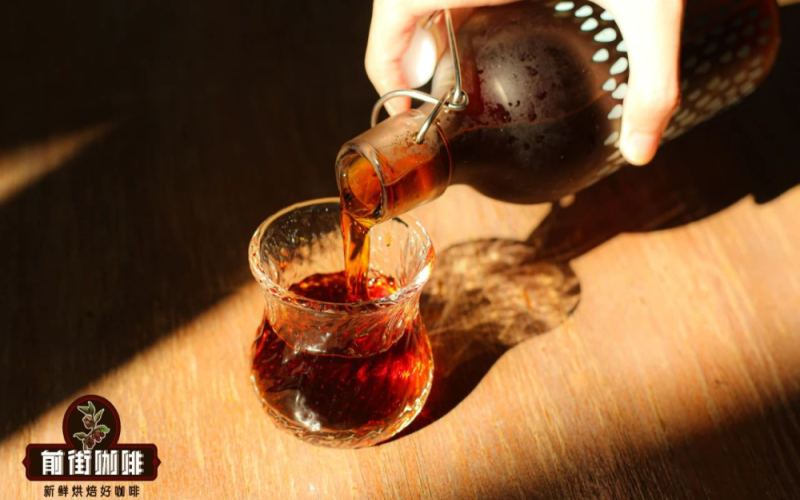
Cold brew coffee grounds-to-water ratio | What are the flavor characteristics of cold brew coffee? What kind of water should be used to brew cold brew coffee grounds? What grind size is suitable for making cold brew coffee?
When summer arrives, the internet-famous iced coffee comes to mind. Indeed, in this scorching summer, a glass of iced coffee instantly makes you feel refreshed. Today, Front Street Coffee is going to talk about one such iced coffee: cold brew coffee. Cold brew coffee has become a favorite among office workers. Why is that? Front Street Coffee believes that cold brew coffee [more…]
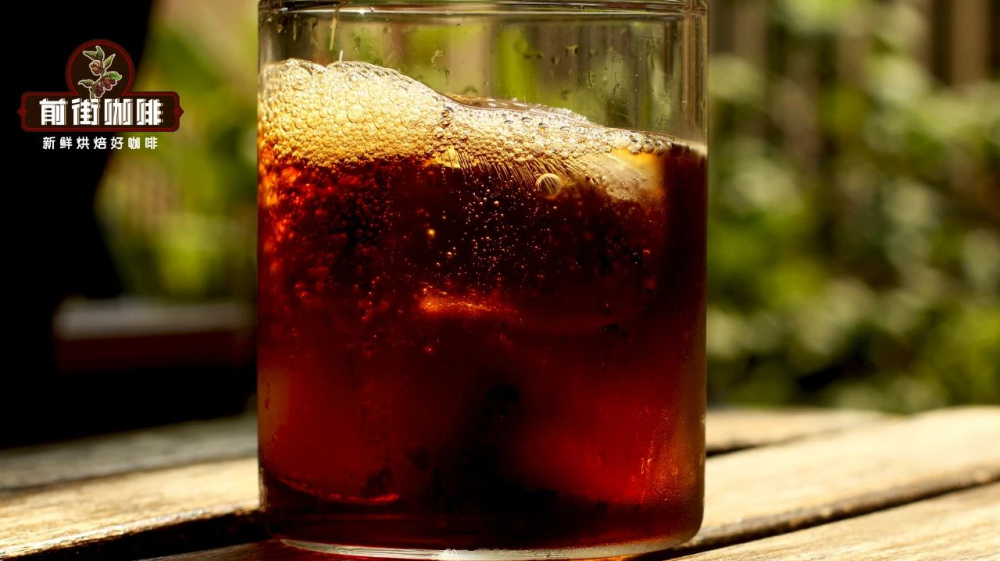
Cold Brew Coffee Grind Size | What's the difference between ice drip, cold brew, and cold brew iced coffee? What are the steps to make cold brew coffee? How do you choose cold brew coffee beans?
For more specialty coffee knowledge, please follow our WeChat public account: FrontStreet Coffee. Recently, many friends have been asking about cold brew coffee, so Front Street is taking this opportunity to talk about "cold brew coffee." Cold brew coffee is essentially different from the usual hot water brewing. It uses [more…]
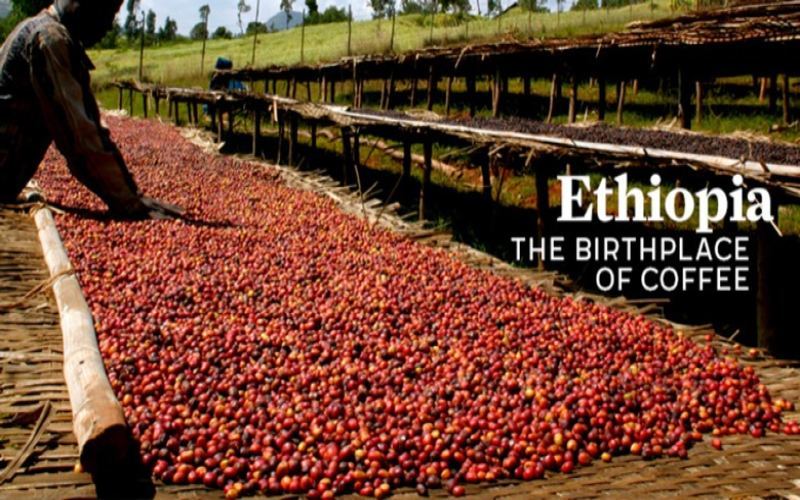
Cold Brew Origin Recommendations: Cold Brew Performance of Fruity and Full-Bodied Types
The choice of origin for cold brew coffee determines whether the cup leans toward fresh fruit juice or rich cocoa. The long-steep cold water extraction method makes origin flavors express themselves differently than in hot brewing, and some origins perform better in cold brew. For fruity cold brew, Ethiopian origins are a good choice. Huakui natural beans made as cold brew, hot [more…]
Cold Brew Coffee | What are the differences between hot-brewed and cold-brewed coffee? Why does iced coffee taste better? Which coffee beans are suitable for cold brew?
For more specialty coffee knowledge, please follow our WeChat official account: FrontStreet Coffee. Tea is part of Chinese culture, while coffee has also gradually come into people's view and become one of the three major beverages, becoming an indispensable part of people's lives. As for the love of coffee [more…]
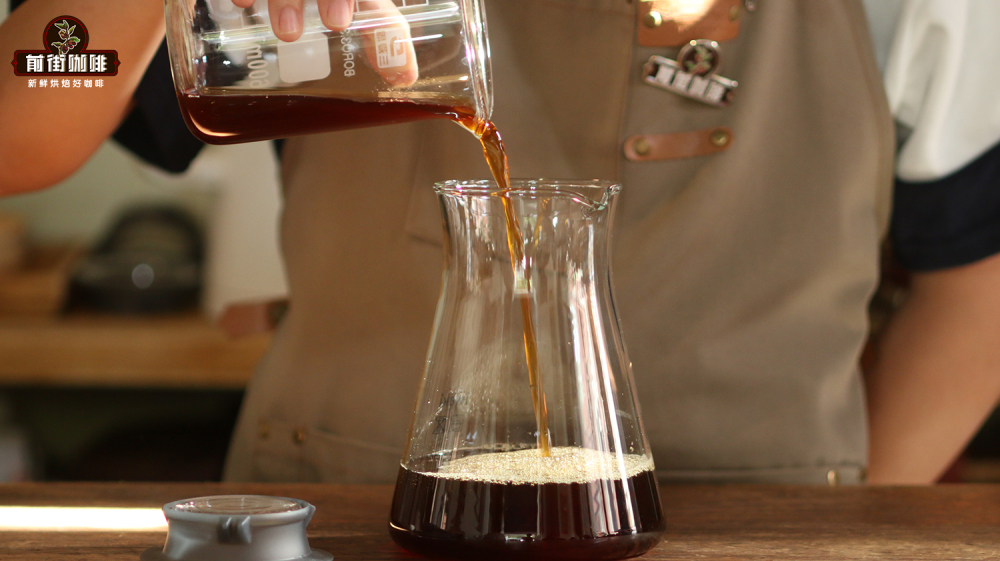
Cold Brew Coffee Bean Recommendations | What Is Cold Brew/Cold Brewed Coffee? What Is the Coffee-to-Water Ratio for Making Cold Brew at Home? An Introduction to the Flavor Characteristics and Mouthfeel of Cold Brew Coffee
For more specialty coffee knowledge, please follow the WeChat official account: Front Street Coffee (FrontStreet Coffee). As soon as summer arrives, cold brew coffee becomes the most frequently discussed topic among coffee enthusiasts, with everyone sharing their experiences in making cold brew coffee. Why has cold brew coffee become so popular in recent years? [more…]
What's the Difference Between Milk Brew and Cold Brew with Milk? A Detailed Guide to the Fresh Milk Cold Brew Coffee Grounds Method and Cold Brew Latte Preparation
Cold brew coffee methods are endlessly varied, and when milk is introduced into a low-temperature immersion system, two distinctly different paths emerge: one is to directly replace water with fresh milk to cold-brew coffee grounds, known as milk brew; the other is to first make cold brew coffee, then mix in fresh milk according to a ratio. The two differ noticeably in extraction mechanism, flavor direction, and mouthfeel thickness. This article focuses on the practical parameters of Front Street. Queen's Estate, providing respectively the ratios, grind size, refrigeration time, and filtration key points for milk brew coffee and cold brew with milk added, and explaining the choice of medium-dark roasted beans and fruity medium-roasted beans suitable for pairing with milk, to help coffee enthusiasts make a smooth, sweetly fragrant, and clearly flavored cold brew latte in summer. [more…]
Cold Brew Single-Origin Bean Recommendations | How Can Coffee Newbies Make Cold Brew Coffee at Home? What Are the Benefits of Cold Brew Coffee? Are Cold Brew Coffee Bags Easy to Use?
There are many ways to make delicious iced coffee (types of iced coffee). From the more elaborate cold drip and the quickest iced coffee pour-over, to the easy-to-make and mainstream cold brew method. Cold brew has many names, such as Cold Brew (the English term for cold brew coffee), cold brew coffee, cold extracted coffee, cold extraction coffee, and so on, referring to [more…]