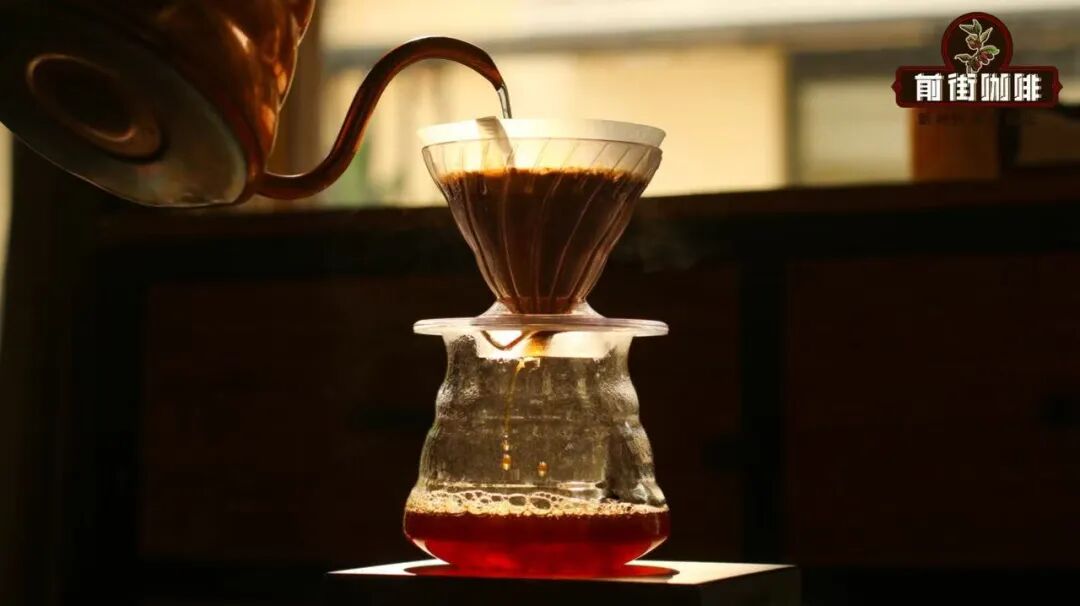
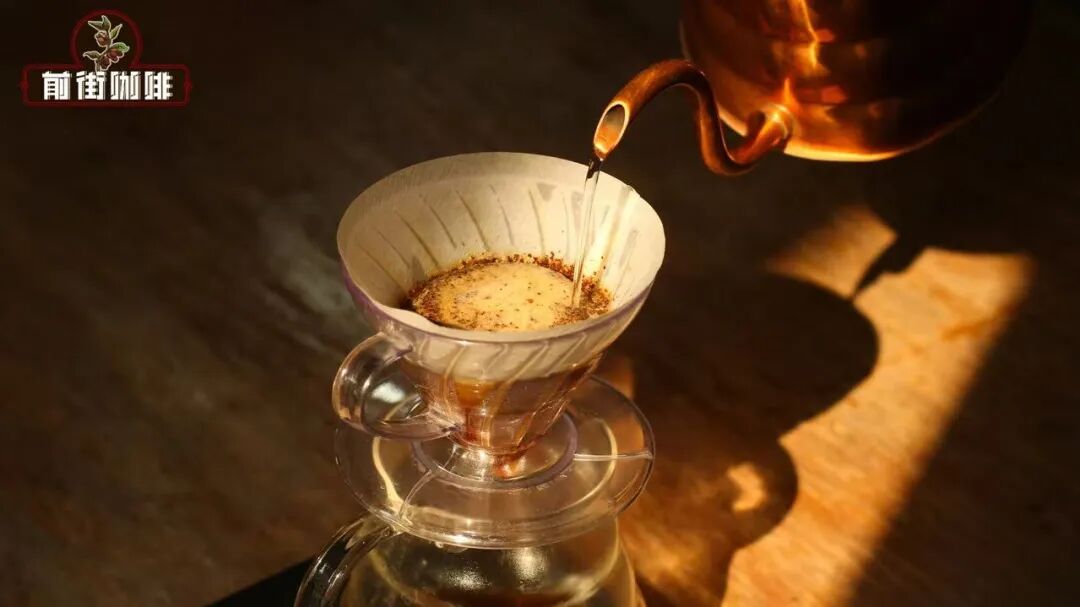
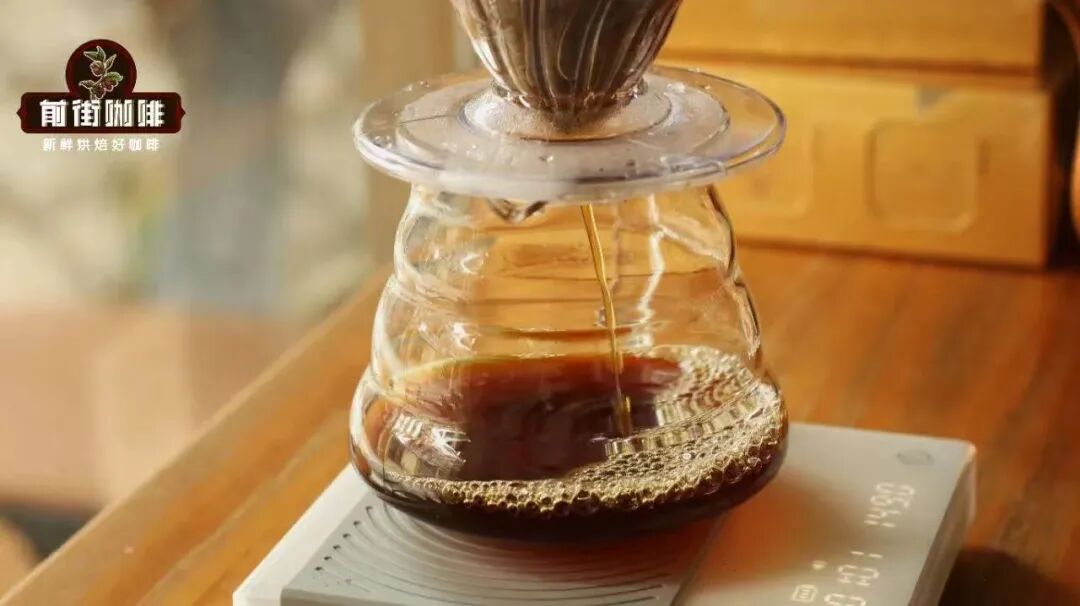
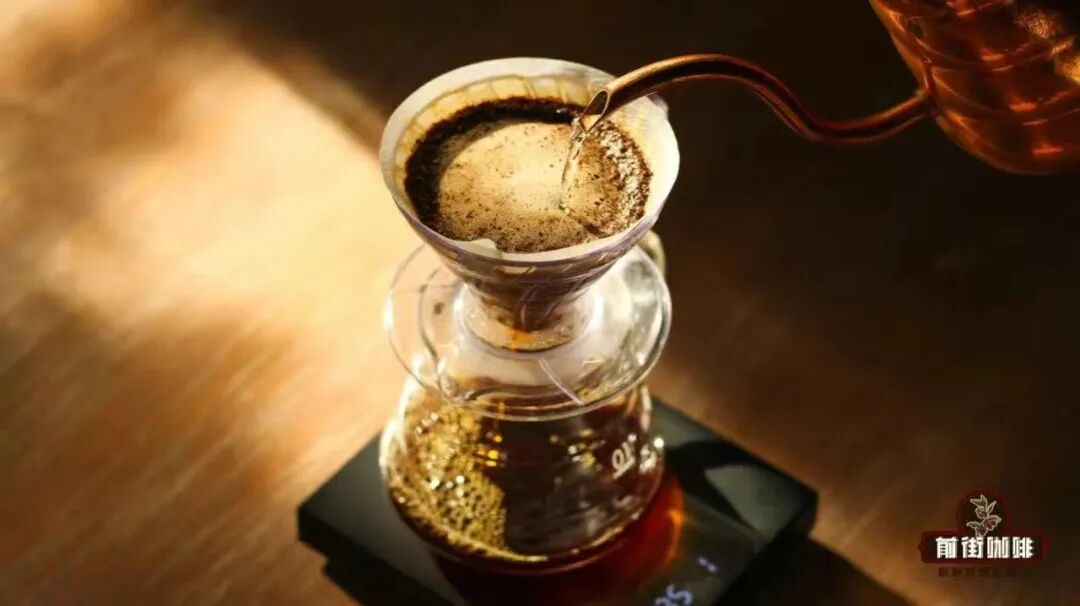
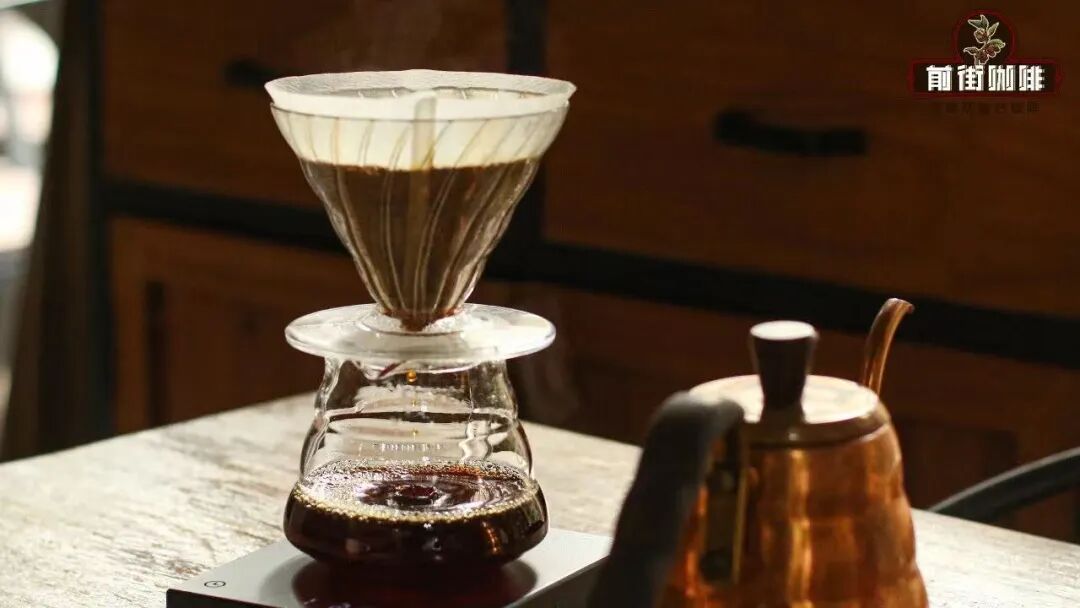
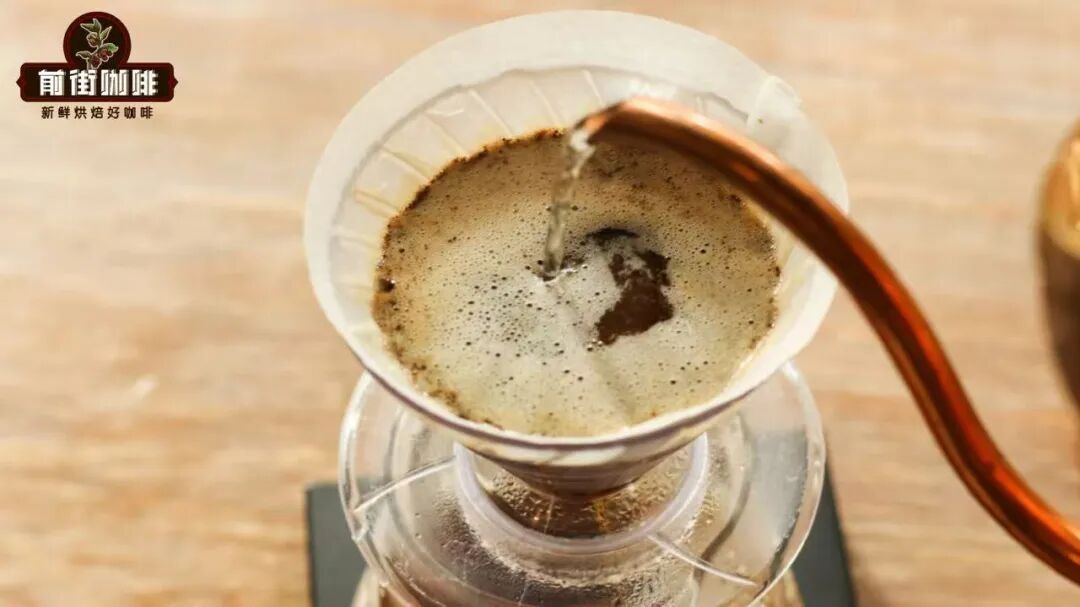
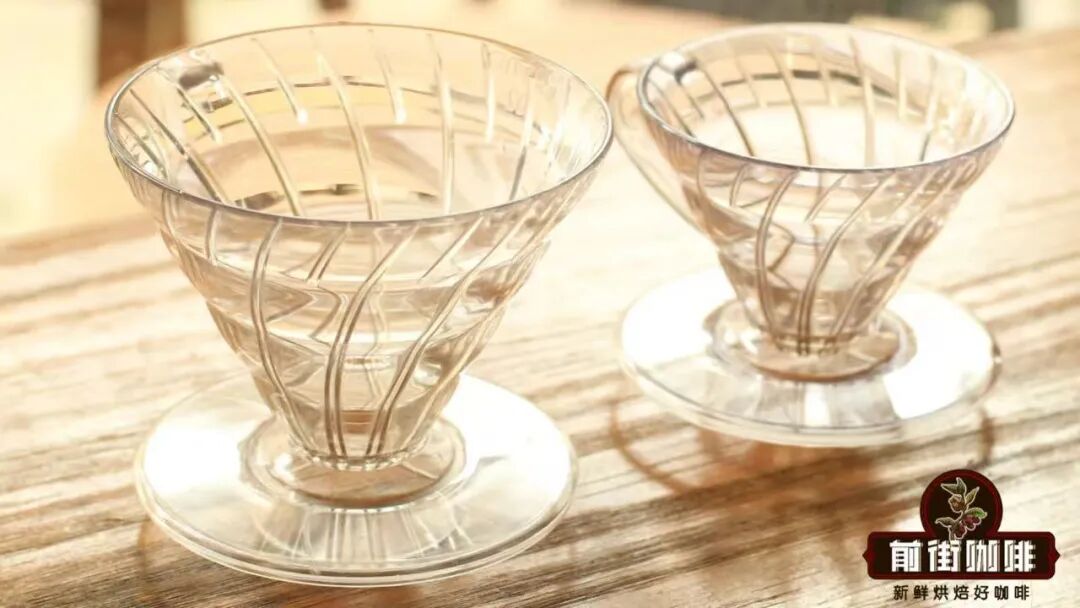
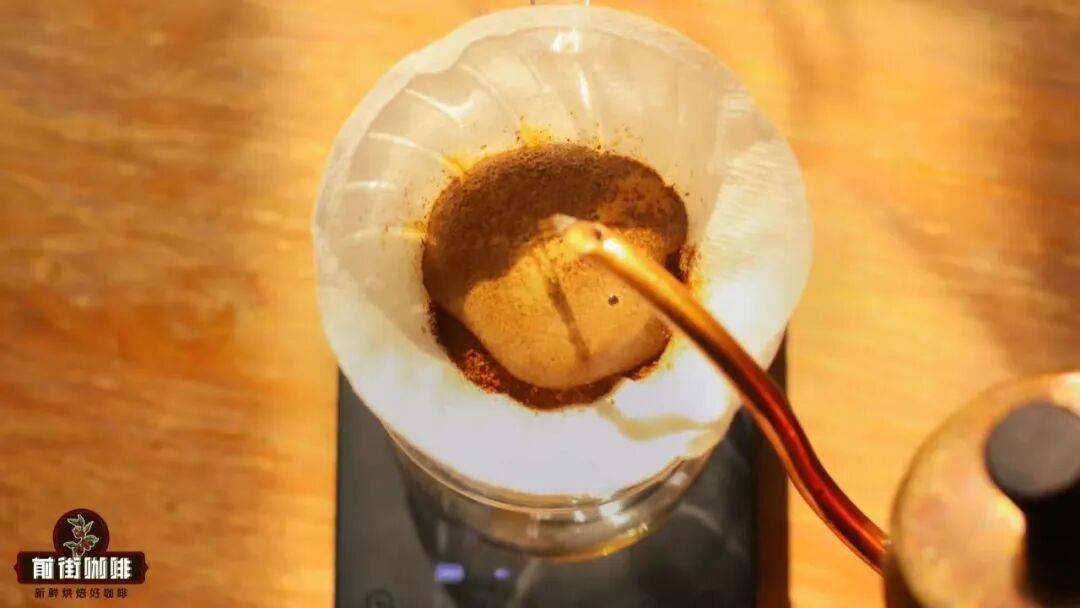
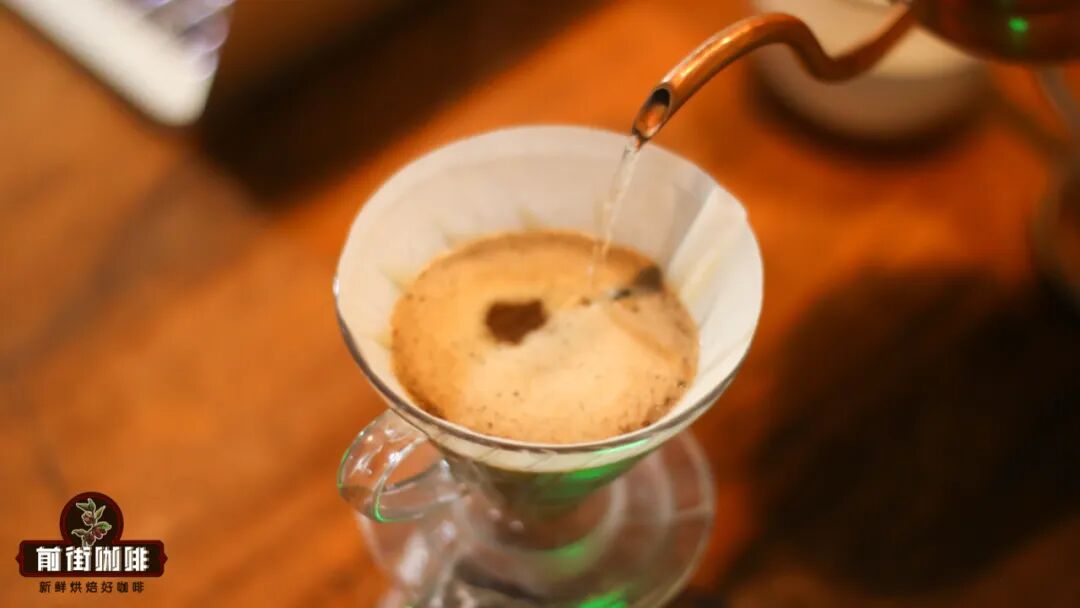
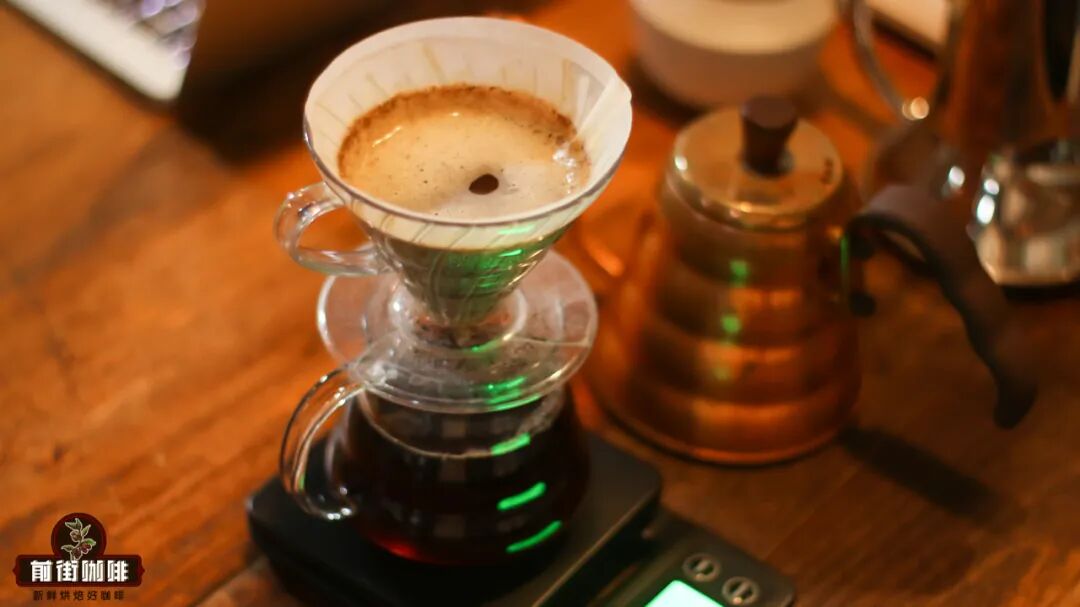
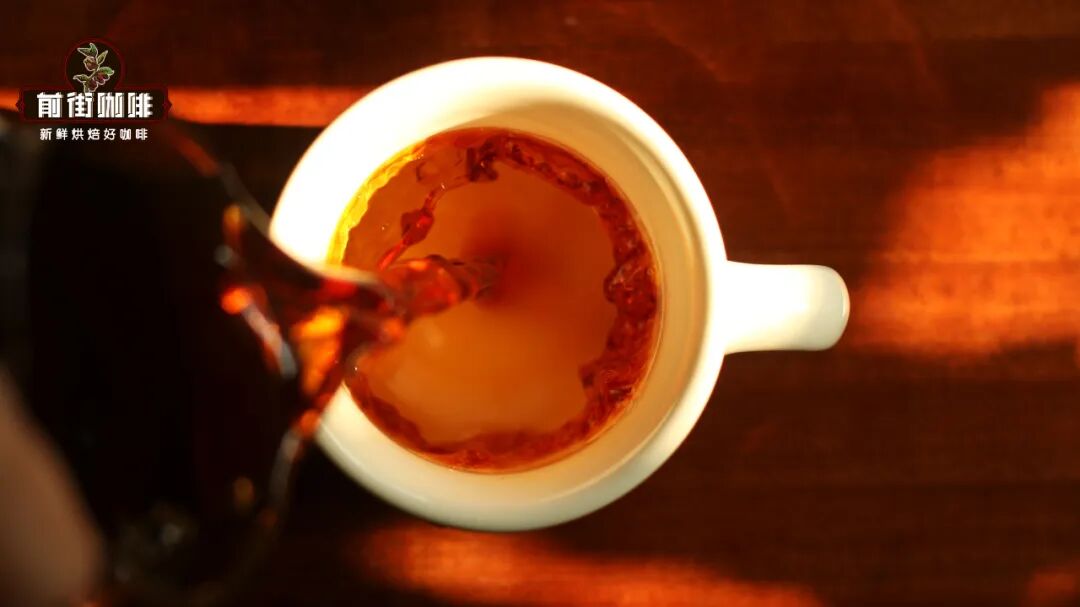
Many friends can handle brewing a single serving of coffee with ease, effortlessly making a delicious pot. But when the dose is doubled for brewing multiple servings, their performance isn't as impressive! After all that, the coffee not only lacks the rich layers of flavor it originally had, but also carries some bitterness, astringency, muddiness, and other negative over-extracted tastes.Recently, quite a few friends have reported this situation to Front Street! So today, Front Street is here to share why coffee brewed with a larger dose doesn't taste as good. And how we can properly brew a large-dose pot of coffee for multiple people.Why does coffee taste less good after increasing the dose?In daily brewing, our dose is fairly fixed—usually since it's single-serve coffee, the dose basically won't exceed 20g. Over time, we've gradually mastered the secrets of brewing "small-dose coffee." When to pour how much water, how strong the flow should be, when to stop pouring, or when to resume pouring... In short, every detail is handled just right.But we need to know that the brewing method for small-dose coffee doesn't apply universally to large-dose coffee. Because multi-serve coffee typically uses 30–40g ofcoffee grounds, which is about double the dose compared to single-serve coffee.The increase in dose also raises the amount of water poured, so similarly, multi-serve coffee needs about double the water of single-serve. This means that if we want to brew a good pot of multi-serve coffee, we need to slightly adjust our brewing approach.Because the increase in coffee grounds and water extends the extraction time! The more coffee grounds we use, the thicker the bed, and the longer it takes for hot water to penetrate; and if the pouring method stays the same, the more water we pour, the longer it takes to finish pouring the target amount. Combined, the extraction time increases significantly.For example, when Front Street brews a 15g single-serve coffee, the extraction time is about 2 minutes, but when Front Street uses the same method to brew a 30g multi-serve coffee, the brewing time goes to 2 minutes 50 seconds, or even longer.With other parameters unchanged, longer time means more substances will be dissolved from the coffee, whether good or bad. So if we don't want all the negative substances to dissolve out and cause bitterness, muddiness, astringency, and other off-flavors, Front Street would recommend improving things by adjusting parameters, changing equipment, or altering the pouring method!1. Adjusting the amount of water pouredFirst, we can shorten the brewing time by adjusting the flow rate of the water poured. Flow rate refers to how fast or slow we pour—for example, whether 100ml of water takes 20 seconds or 30 seconds to pour. The shorter the time to pour the target amount, the larger the flow, and vice versa.The flow rate affects extraction and drainage time. The larger the flow, the shorter the extraction time(when fines don't clog); the smaller the flow when pouring, the longer the extraction time. This is mainly influenced by water pressure and pouring time.So if we want to shorten the extraction time, we can achieve this by increasing the flow rate while brewing. But! With a larger dose, we also need to switch to a size 02 large dripper to use a high flow rate for brewing. The reason a size 01 dripper suits single-serve coffee brewing is mainly that it can't hold too much hot water at once. So when we use a size 01 dripper to brew a large-dose coffee, the hot water always needs to be poured in several stages, which extends the extraction time and dissolves some undesirable substances from the coffee.Therefore, if we want to easily brew a good large-dose pot of coffee, switching to a size 02 large dripper is a good choice. But as Front Street said earlier, just changing to a large dripper isn't enough—we need to pair it with the right pouring method to brew a tasty coffee. The specific approach is simple; Front Street will demonstrate briefly.The coffee beans used in this Front Street demonstration are Front Street Ethiopia Huakui from the Front Street bean list. The extraction parameters are: dose 30g, coffee-to-water ratio 1:15, water temperature 92°C, grind size 80% passing a No. 20 sieve, fine granulated sugar grind, brewing method three-pour, dripper V60 "02".First, still use twice the coffee's weight in water for a 30-second bloom. But due to the increased dose, the coffee bed becomes thicker, making it harder for hot water to wet all the grounds, which prevents full degassing and leads to uneven extraction.If we want all the coffee grounds to be evenly wet and fully degassed, during the bloom we should try to pour hot water concentrated in the center, so the thickest part of the bed gets the most hot water. The specific method is simple: when pouring, first pause for a while at the center where the bed is thickest, then spiral outward.After the bloom ends, we enter the main extraction phase. In this phase, we need to pour 195ml of water. As Front Street mentioned, to reduce extraction time, from this phase onward we use a high flow rate. The pouring rate is about 10ml/s, with a relatively large spiral, finishing this stage of hot water in about 20 seconds.When the hot water has mostly penetrated, we can use the same flow to pour the remaining 195ml of hot water in a small spiral. Then just wait for the coffee in the dripper to finish dripping, and we can remove the dripper and end the extraction.In the end, the extraction time landed at 2 minutes 30 seconds. Although it's 30 seconds longer than brewing with 15g of coffee, the coffee tastes just as good. The strawberry candy flavor is well expressed—strawberry gummy, white floral, raisin, berries, with a finish of wine aroma, very rich in layers.3. Coarsening the grind / lowering the water temperatureIf you don't have a size 02 large dripper at home, that's okay! We can also reduce the coffee's extraction yield through other methods to avoid over-extraction. There are two adjustment methods; the first is coarsening the grind!By coarsening the grind, the gaps between coffee particles increase, which speeds up drainage and lowers extraction efficiency, effectively preventing over-extraction. Generally, coarsening by 0.5 notch from the original setting is enough.The second is lowering the brewing water temperature! By lowering the water temperature, we can reduce the extraction efficiency of the hot water, so even with a longer brew, there's no worry about negative substances dissolving out. Just lower it by 2–3°C from the original. And since lowering the water temperature doesn't affect time, the overall extraction time isn't shortened, so the coffee brewed with lower temperature tastes more balanced, with a relatively fuller body—also a very nice experience~
 The above content is compiled by CoffeeHunters, a coffee news website.