







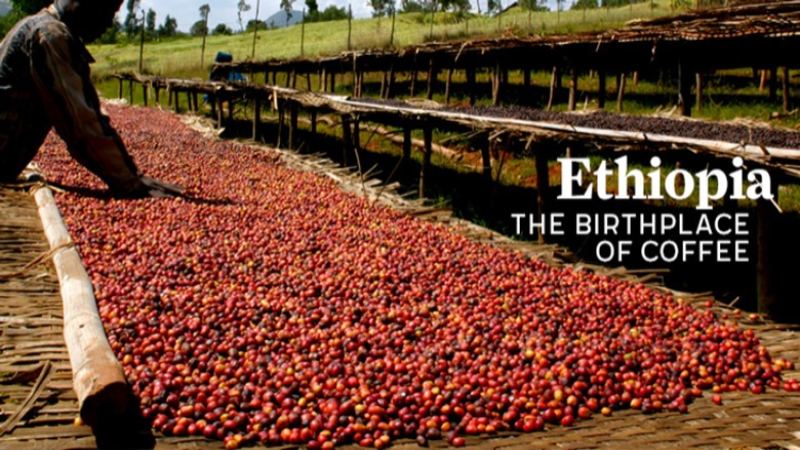
The choice of origin for cold brew coffee determines whether the cup leans toward fresh fruit juice or rich cocoa. The cold water long-steep extraction method makes the expression of origin flavors different from hot brewing, and some origins perform better in cold brew. Fruity cold brews are best suited to Ethiopian origins. When Huakui natural beans are used for cold brew, the tropical fruit aromas are gently released at low temperature, and the sweet scents of strawberry and passion fruit stand out even more in a cold drink. It tastes like a diluted glass of fruit juice—mellow sweet-and-sour, with very little bitterness. When Yirgacheffe washed beans are used for cold brew, the citrus and floral notes become clearer and more refreshing in a cold drink, with a mouthfeel like cold-brewed floral tea. After adding ice, it is fresh and pleasant. For Ethiopian natural bean cold brew, a coffee-to-water ratio of 1:10 is recommended; a stronger brew makes the fruity aroma more vivid. For washed beans, 1:11 is recommended to keep it clear and refreshing. Kenyan origins take the intense fruit-juice route for cold brew. The cherry tomato and smoked plum acidity of Kenyan washed beans remains strong in cold brew, even more concentrated than in hot brewing, because low temperature suppresses the extraction of some acidity, leaving the remaining acidity more solid. Kenyan cold brew concentrate mixed with cranberry juice and sparkling water has rich layers of sweet and sour, like a premium berry soda. However, Kenyan bean cold brew is fairly high in acidity, and guests who do not like it may find it too sharp. It is recommended as a specialty offering rather than an everyday base. Rich, full-bodied cold brews are best suited to Brazilian and Indonesian origins. When Brazil Queen Estate is used for cold brew, the nutty and cocoa aromas become softer and creamier at low temperature, with pronounced caramel sweetness and a mouthfeel like cold brew cocoa. After adding milk, it blends extremely well, making a classic cold brew latte. When dark-roasted Mandheling is used for cold brew, the herbal and dark chocolate flavors are softened by the low temperature, and the bitterness is much lighter than in hot brewing. Instead, it has a rich, mellow sweetness on the palate, making it suitable for adding condensed milk to create a Southeast Asian-style iced coffee. Central and South American origins take a milder route for cold brew. When Colombia Cidra double anaerobic natural beans are used for cold brew, the passion fruit and blueberry juiciness becomes softer at low temperature, with a prominent sweetness and lower acidity than in hot brewing, tasting like diluted fruit juice. When Panama Geisha is used for cold brew, the jasmine floral aroma becomes more elegant and distant in a cold drink, with a mouthfeel like cold-brewed floral tea. But Geisha is expensive, so the value for money in cold brew is average, and it is suitable for small-batch specialty offerings. Using blended beans for cold brew is the rational choice for an everyday staple. The complementary characteristics of the blend’s origins are fully released during cold brew steeping. Brazil provides nutty sweetness, Colombia provides balance, and the overall flavor is more balanced than single-origin beans. For everyday cold brew, choose blended beans: costs are controllable, quality is stable, and you will not feel bad making large batches. The approach to choosing origins for cold brew differs from pour-over. Pour-over pursues a clear expression of origin flavors, while cold brew pursues a soft integration of flavors. Some origins that perform sharply in pour-over, such as Kenya’s bright acidity, may become too concentrated in cold brew. Some origins that perform mildly in pour-over, such as Brazil’s nutty sweetness, actually perform better in cold brew. When choosing beans, you need to take the variable of "low-temperature steeping" into account and cannot directly apply the bean-selection logic of pour-over.
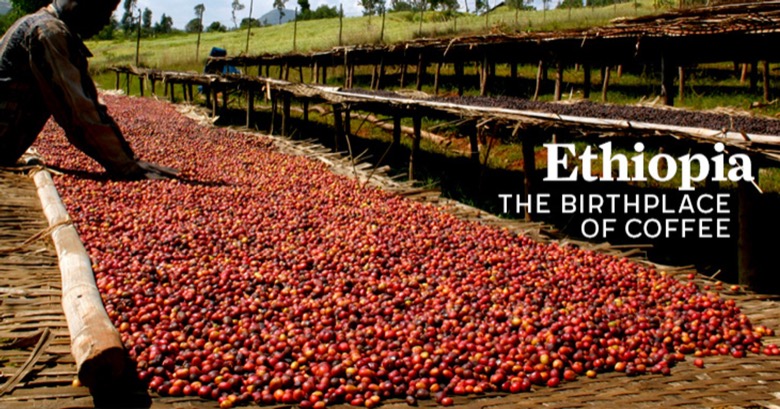
A practical suggestion for choosing beans for cold brew is to start with a bag of medium-dark roasted blended beans, dial in the grind size and steeping time, and establish a baseline understanding of cold brew’s mouthfeel. Then gradually try single-origin beans from different regions, taste them side by side, and find the cold brew style you like. For fruity types, choose Ethiopian natural; for rich types, choose Brazil or Mandheling; for refreshing types, choose Ethiopian washed; for intense types, choose Kenya. Each has its own merits.
The above content is compiled by CoffeeHunters, a coffee news website.

