







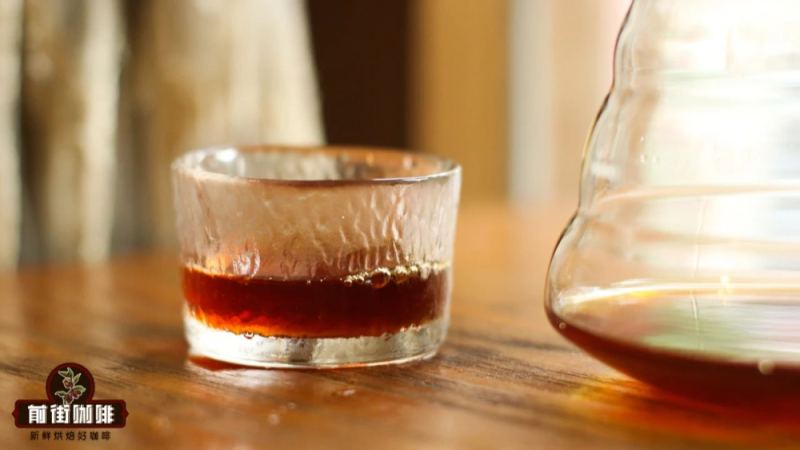
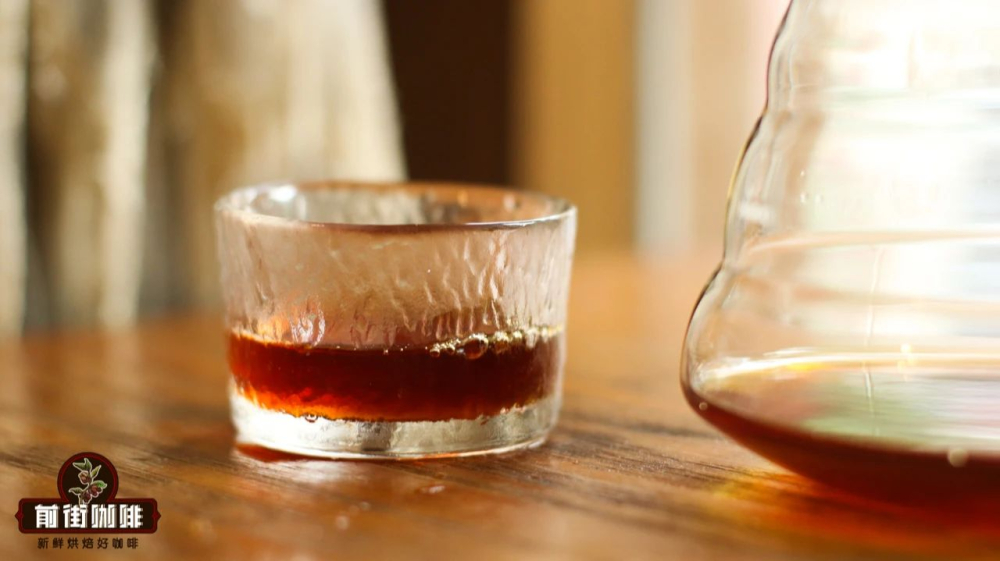
For more coffee origin information and coffee knowledge, please followCoffeeHuntersToutiao account
Tea is Chinese culture, while coffee has also gradually entered people's sight and become one of the three major beverages, becoming an indispensable part of people's lives. As for the love of coffee, many people may not really understand why there are such different tastes and flavors. Front Street tells everyone: in fact, coffee brewing, like tea, has many particularities, and there are even more small details to pay attention to than tea. The raw materials for coffee brewing are all the same: coffee grounds and water, but because the brewing methods are different, the taste will be completely different!
Some people may like hot coffee, warm and very comfortable, especially in winter, when a cup of coffee is especially heartwarming; but in summer, an iced coffee is extremely refreshing. Front Street believes: the difference between hot coffee and iced coffee is that hot coffee is about aroma and temperature; warm coffee is about layers and flavor, and cold coffee is about technique and quality. Different temperatures bring different taste sensations, so what is the difference in coffee's taste related to?
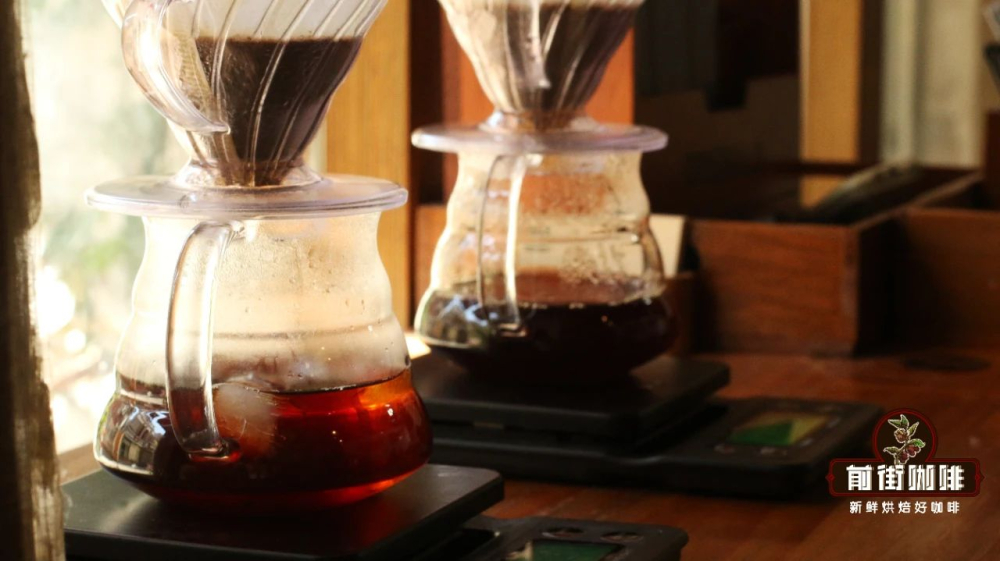
Front Street believes: whether it is hot coffee or cold coffee, the raw materials for making coffee are the same, although the roasting and grinding methods of coffee have a huge impact on the final taste, aroma, and mouthfeel of the coffee. But in the end, what has the greatest impact on coffee's taste is still the coffee brewing method. Coffee made with different tools and brewing techniques has completely different final taste, sweetness, and body.
We all know that hot water brewing coffee is pouring hot water into coffee grounds and dripping out coffee; and what about cold coffee? Is it brewed with cold water? Can all coffees be brewed with cold water? The answer: of course not.

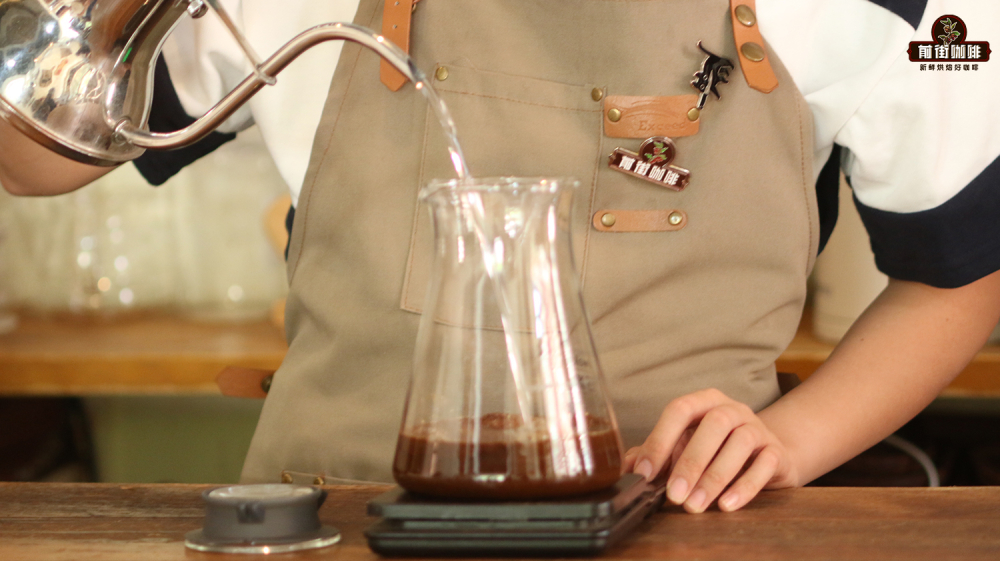
Front Street believes: coffee is best not brewed with cold water. If the water temperature does not reach a certain level, the coffee will clump and the taste will be too bitter. Some coffees can be brewed with cold water, such as Nescafe iced coffee, but most coffees are best not brewed with cold water, otherwise the coffee will not dissolve easily and will be hard to drink. But it should have no effect on your body, only on the taste. Instant coffee can be brewed with cold water, but the taste may not be very good. Generally speaking, the most suitable water temperature for brewing coffee is between 88 and 94 degrees Celsius. Avoid using just-boiled, scalding hot water to brew coffee. After the water boils, let it sit for 1 to 2 minutes before using it to brew coffee.
What is cold brew/cold extraction coffee?
Since cold brew coffee has also become one of the cold drinks everyone likes in China, how exactly is so-called cold brew coffee/cold extraction coffee made?
Cold brew coffee is a pure black coffee liquid made by directly soaking coffee grounds in room-temperature/cold water at room temperature/low temperature. Because of low-temperature extraction, the flavor release of the coffee grounds is much slower than at high temperature, so the soaking time varies with room temperature/refrigerator temperature, and the total extraction time often requires 8-24 hours. Because it can produce iced coffee with obvious aroma and high body without any technique or cumbersome brewing equipment, soaking it at night and drinking it in the morning has made it a favorite of many office workers.
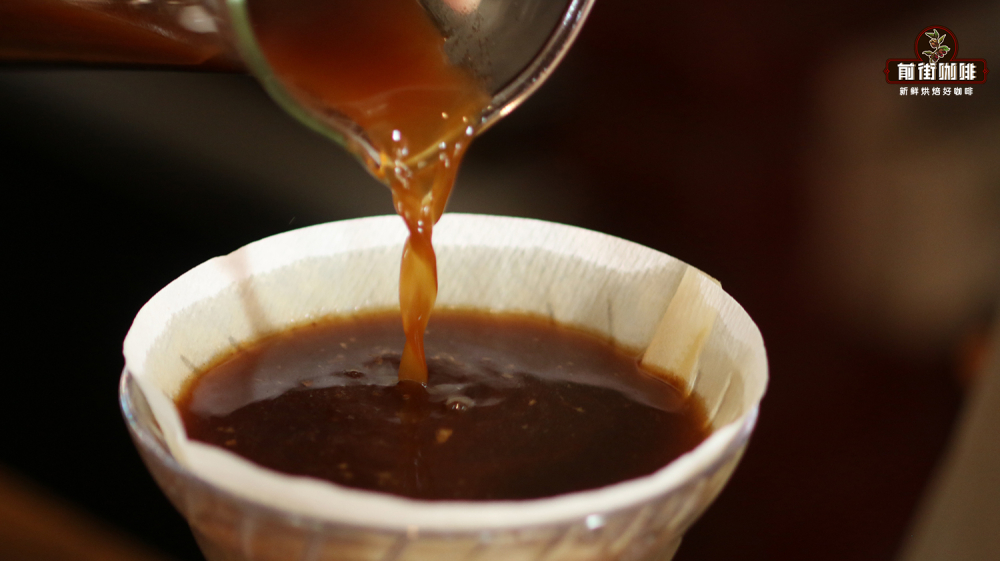
Since coffee brewing is divided into hot coffee and cold coffee, that is, according to time and water temperature, coffee brewing methods include hot brewing and cold brewing; then Front Street will take everyone to understand the flavor differences brought by these two different brewing methods:
1. Hot brewed (drip) coffee: For hot coffee, what we think of is hand-drip coffee. This kind of coffee is very simple to make; you just need to pour hot water over the coffee grounds. For example: at Front Street Coffee (FrontStreet Coffee), you can often drink classic drip coffee; for example, the classic Italian blend coffee made by the barista at Front Street Coffee (FrontStreet Coffee). The espresso produced has rich golden crema and nutty aroma. When tasting, there is a toasty coffee bitterness, but it is accompanied by more creamy full-bodied mouthfeel, and after swallowing, the bitterness also dissipates, leaving fragrance on the lips and teeth.

2. Cold brewed coffee: The cold brewing time is relatively long. The simplest way to make cold brew coffee is to soak coffee grounds in cold water at room temperature, wait several hours or even several days, and then repeatedly filter the solution. The coffee produced has a deeper taste, very light bitterness and acidity, a richer flavor, and its concentration is also higher than traditional hot brewed coffee. Especially when drunk in hot summer, the icy refreshing mouthfeel is irresistible!
From a chemical perspective:
When coffee comes into contact with water, the soluble substances in it begin to undergo chemical reactions, and the result creates the coffee aroma and taste we are familiar with.

The soluble substances in coffee begin to dissolve at a water temperature of 195-205°F, so theoretically, the mouthfeel and taste of hot brewed coffee should be richer than cold brewed coffee. Hot water also accelerates the dissolution rate of soluble substances, making them extremely volatile, so a large number of substances in coffee evaporate together with water molecules under high-temperature conditions, enter your nasal cavity, and let you experience the aroma of coffee.
But accelerating the dissolution of substances also brings some problems. Just-boiled water will cause some chemical elements in coffee to decay or oxidize, just as iron exposed to a large amount of oxygen will also rust, giving the coffee sourness and bitterness. If you do not like these two tastes, then cold brew coffee is definitely your best choice.
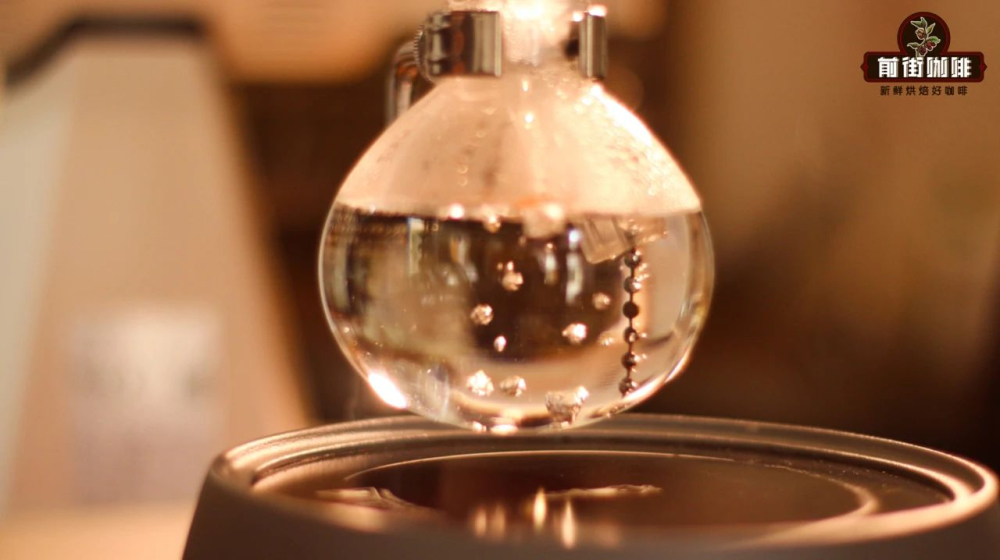
Chemical oxidation and decay also occur during the production of cold brew coffee, but at an extremely slow rate, so the bitterness and acidity of cold brew coffee are softer than traditional hot brewed coffee. In addition, the slower oxidation and decay process also makes cold brew coffee easier to preserve; stored in the refrigerator, it can usually be kept for 2-4 weeks. In comparison, the shelf life of hot brewed coffee is at most one day.
Is cold brew coffee tastier than hot brew coffee?
Front Street believes: when the water temperature is higher, aroma molecules are very active at this time, the aroma is strongest, and the nose can easily enjoy the coffee's aroma. At this time, you can feel this cup of coffee by smelling its aroma. But if you drink coffee at this temperature, because the lips and tongue will feel a burning pain, our perception of flavor is basically unable to distinguish many tastes at this time, especially bitterness.

I believe many friends have had this experience: some coffees are barely drinkable when hot, but once cooled they are so bitter they cannot be swallowed. It is just like drinking Chinese medicine, blow on it and take a sip; if you do not drink it while hot, once it is cold it is impossible to swallow. In fact, it is not that the taste of the coffee or Chinese medicine has changed, but that the lower the temperature, the stronger the taste buds' perception of bitterness.
Brewing coffee with cold water still has some advantages: the mouthfeel is softer, and the most important thing is convenience. When you want to drink coffee, you no longer need to boil water. Why, with such a low water temperature, can cold brew coffee still taste so rich? Indeed, during the production of cold brew coffee, the water temperature is far below the ideal dissolution and volatilization temperature for aromatic oils and soluble substances, so usually when making cold brew coffee, you need a longer time and double the coffee grounds to increase the coffee's taste and concentration.

Although cold brew coffee has a richer taste, its aroma cannot match traditional drip coffee. This is because the aromatic substances in coffee are difficult to volatilize at room temperature. Because the amount of coffee grounds used and the production time are longer, the selling price of cold brew coffee is usually a bit more expensive than hot brewed coffee.
Front Street believes: what hot coffee offers is the experience of flavor and mouthfeel brought by temperature changes. The flavor changes differently at each temperature, which is to say that the flavor hot coffee brings to everyone has more layers. Of course, whether hot coffee or cold coffee, each has its own characteristics and is very popular, because everyone's taste is different! Front Street Coffee (FrontStreet Coffee) has more than 50 kinds of single-origin beans, as well as Front Street Black Cocoa Blend, Front Street Specialty Blend, Front Street Commercial Blend, and Warm Sun Blend. No matter what taste you like, you can come to Front Street to discuss and taste it together!
The above content is compiled by CoffeeHunters, a coffee news website.


