







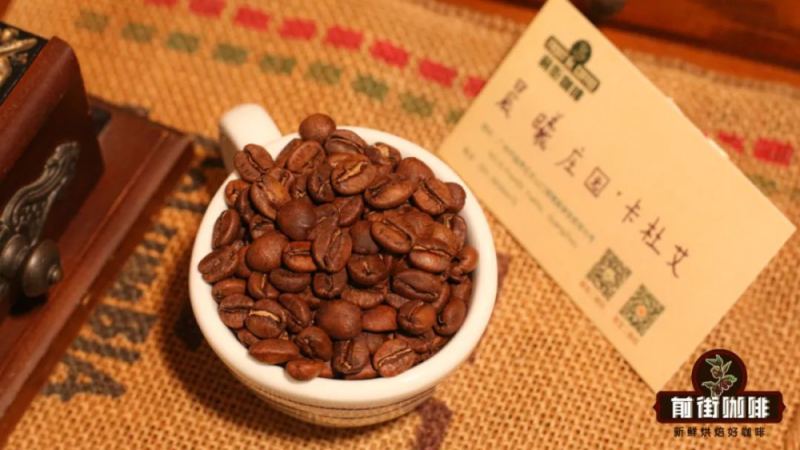
In coffee cupping, sweetness is often the key to a higher score, and Costa Rica, with its diverse honey processing methods, has become a representative origin for high-quality sweetness. This article from Front Street Coffee focuses on a red honey processed Catuai from Café Sol Naciente in the Tarrazú region of Costa Rica, breaking down the estate's story, the terroir of Tarrazú, the characteristics of the Catuai variety, and the details of red honey processing one by one. The estate is located at an altitude of 1750 meters, surrounded by pristine green belts, and practices ecological principles through meticulous plot management. Through cupping notes, we will present the sweet orange, cream, grapefruit, honey, and black tea flavors this bean exhibits in dry aroma and slurping, and share its flavor performance under a medium-light roast.
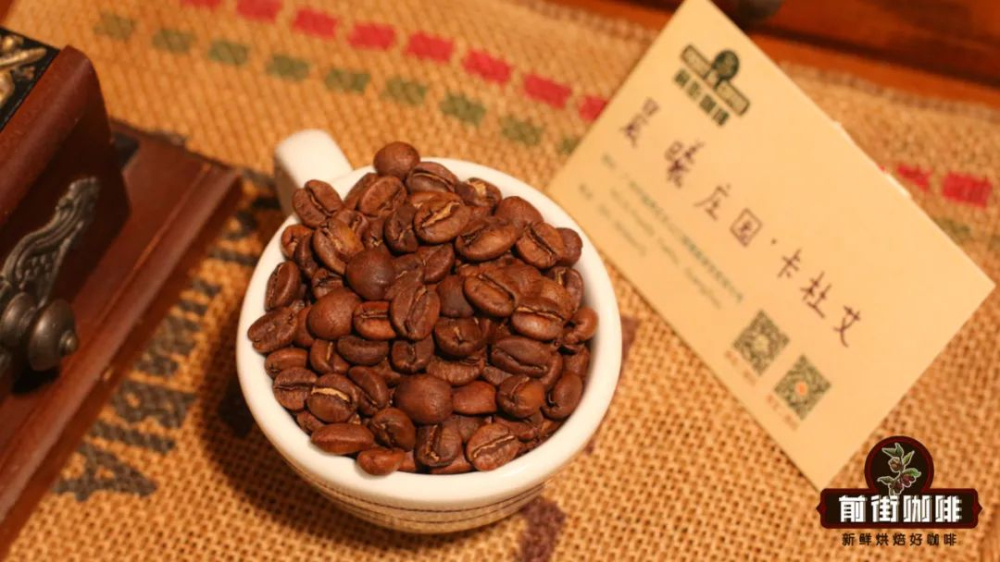
Front Street Coffee Costa Rica · Café Sol Naciente Red Honey Catuai Region: Costa Rica, Tarrazú Estate: Café Sol Naciente Altitude: 1750 meters Processing Method: Red Honey Variety: Catuai
Flavor: Sweet orange, cream, grapefruit, honey, black tea
In the cupping evaluation system, sweetness is an excellent attribute that can significantly boost a bean's score, and it is also a flavor goal that many brewers constantly pursue. When it comes to which origin's coffee often possesses outstanding sweetness, many people immediately think of Costa Rica—where estates are adept at using various honey processing methods to endow coffee with an elegant and lingering sweet charm.
Today, Front Street brings a red honey processed coffee from Front Street Café Sol Naciente in Costa Rica, and together we will experience what the sweetness of so-called honey processing truly tastes like.
Tarrazú Region
Tarrazu
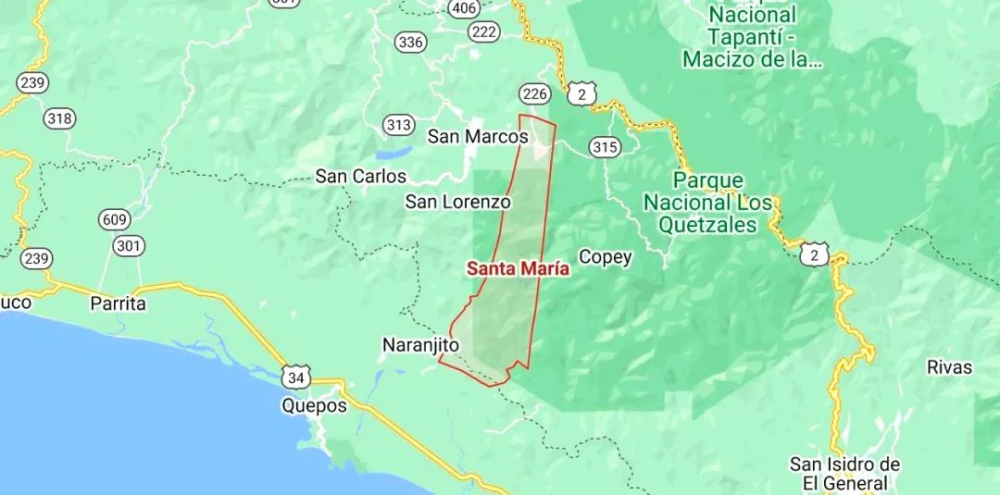
Café Sol Naciente is located in Santa María de Dota, in the Tarrazú coffee region of Costa Rica, just 40 kilometers from the capital, San José, and the area's most famous product is coffee.
The estate sits at an altitude of 1750 meters, with a total area of about 7 hectares, of which 6 hectares are planted with coffee trees, half a hectare is designated as a mountain reserve, and the remaining half hectare is used for processing and drying coffee cherries after harvest. When Front Street checked the map, we noticed that the reserve adjacent to the plantation is the starting point of the Los Santos Biological Corridor, which connects to an vast national forest reserve, encompasses three different rainforest climates, provides 14 natural ecosystems for the animals that inhabit it, and extends parallel to the Talamanca Mountains, making it a highly recommended adventure route for many hiking enthusiasts.
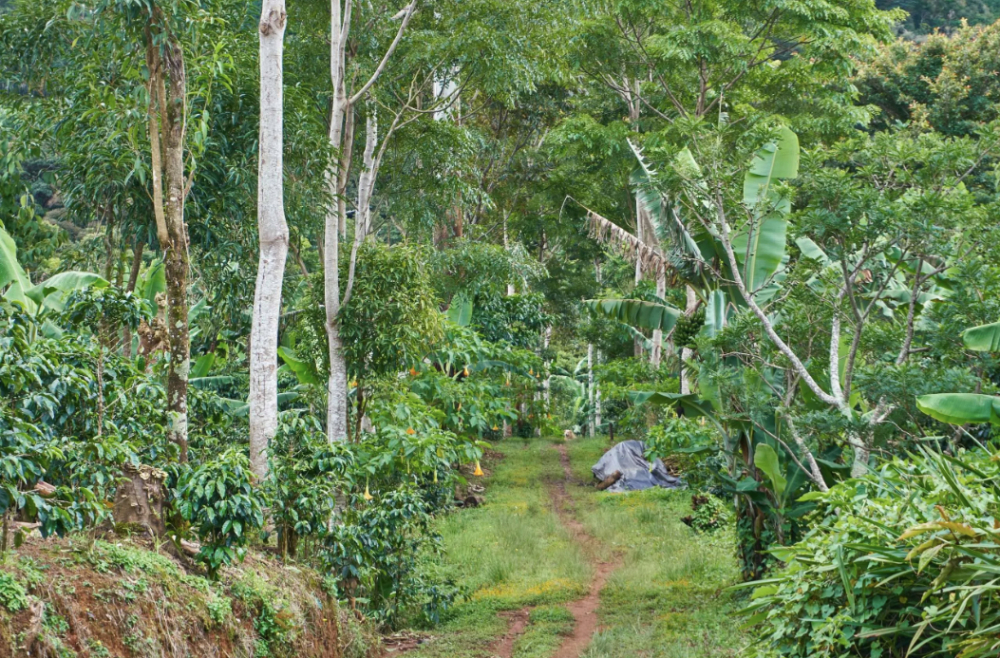
The Los Santos area is embraced by three cantons and is a lush valley where almost every household grows coffee. Influenced year-round by warm, moist Pacific air currents, annual rainfall can reach 2400 millimeters, with an average temperature of 19°C, creating ideal growing conditions for coffee trees between 1500 and 2100 meters above sea level. Café Sol Naciente happens to be surrounded by this pristine green belt, and walking into the farm, various rare small animals can be seen everywhere.
Café Sol Naciente
Sol Naciente
In 1990, Arturo Bonilla and his partner Xinia Martínez jointly bought this land, which was originally used as pasture, and began coffee cultivation. Today, the farm is run by them and their family. To practice meticulous management, they divided the estate into multiple micro-lot plots and then matched each plot's terroir with suitable processing methods, striving to create higher-quality and traceable coffee.
Arturo and his partner formally established an ecological micro-processing station in 2015 and named it "Sol Naciente." The estate's logo consists of three important elements: the rising sun, coffee, and nature, each carrying their beautiful vision for sustainable development.
From the very beginning, founder Don Arturo Bonilla devoted himself fully to specialty coffee cultivation and environmentally friendly ecological agriculture. It is said that in the first year after its establishment, a green frog suddenly jumped onto his back, and it was later discovered that this frog was actually a rare local endangered species. This little episode surprised him and also led the estate owner to always uphold the protection of the ecological environment as his primary duty on the path of coffee cultivation.
Currently, the estate mainly grows three varieties: Catuai, Ethíopia 47, and Geisha. In addition, to increase the farm's varietal diversity, the owner also cultivates many experimental varieties. The batch of Front Street Café Sol Naciente coffee beans we obtained this time is of the Catuai variety and uses red honey processing.
Catuai
Catuaí
Friends who enjoy studying varieties should not be too unfamiliar with Catuai, because it is a name that often appears in the coffee variety column in Central America. For example, on Front Street's bean list, Catuai can be found in Front Street Finca Elida, Front Street Panama Butterfly, Front Street Panama Diamond Mountain, Front Street Honduras Sherry, and others.
Catuai was obtained by the Agronomic Institute of Campinas (IAC) in São Paulo, Brazil, through artificial crossbreeding of Yellow Caturra and Mundo Novo, and was released in 1972, initially called "H-2077." Among them, Mundo Novo is the result of natural hybridization between two ancient varieties, Bourbon and Typica, and was first discovered in 1943 in Tietê, São Paulo, Brazil.
As a second-generation hybrid, Catuai not only inherits Caturra's excellent attributes of small size, good acidity, and the ability to be grown in full sun, but also possesses Mundo Novo's characteristics of high yield, strong disease resistance, and good cup performance. Moreover, in cultivation, Catuai has good resistance to disasters, especially in heavy rain or strong wind conditions.
In addition, because the plant is short, it can be planted at twice the density of other varieties, and it is also more convenient for people to treat pests and diseases. Precisely because Catuai performs so excellently in disease resistance, pest resistance, yield, and growing environment, once released, it quickly attracted many Central and South American countries to introduce and plant it.
Red Honey Processing
Red Honey
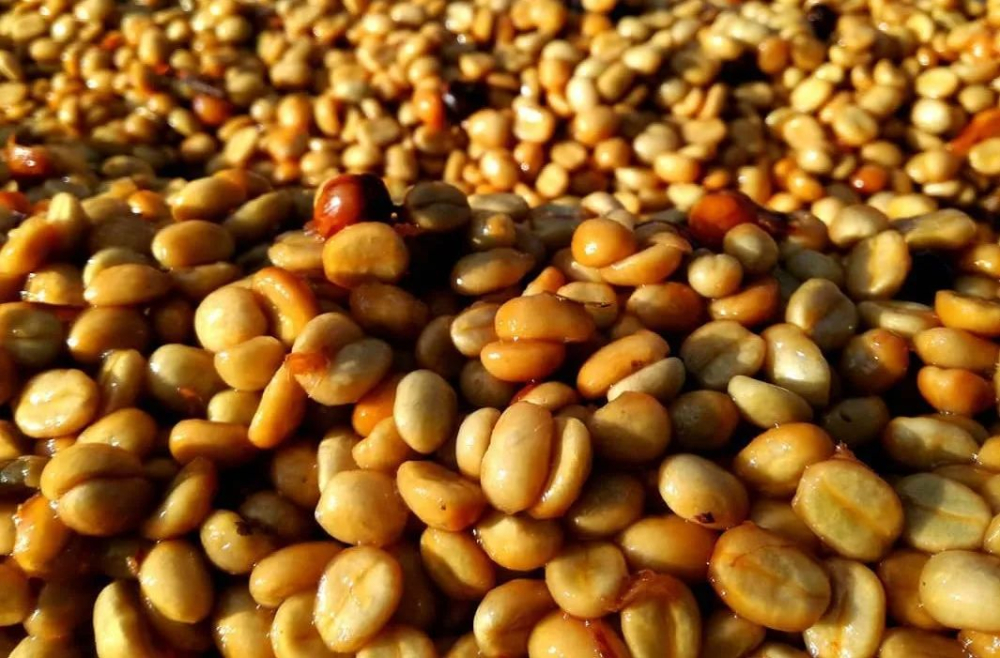
In a freshly picked coffee cherry, mucilage is a very sweet substance. It not only has high water content and high sugar content, but is also tightly connected to the seed inside (the coffee bean). When fresh coffee cherries are processed by the honey method, different degrees of mucilage retention result in different colors during drying, and accordingly, the naming of the processing method also differs.
So-called red honey processing means drying coffee cherries with 50–80% of the mucilage retained, so it falls exactly between washed and natural processing and is also the most common honey color type on the market. The darker the bean, the fewer times it needs to be turned by hand. Black honey, closest to natural processing, is usually turned only once a day; red honey needs to be turned several times a day; and yellow honey must be turned every hour. Coffee cherries processed as red honey take about 12 days to dry completely.
Front Street observed from the green beans of red honey processing that the color before roasting is lighter than black honey, and it smells of a faint fermented fruitiness. After roasting and cupping, one can often perceive rich layers of fruit aroma and a clean finish. In addition to obvious sweetness, it also has bright acidity and a light fermented vinous note.
In order to preserve the fresh floral and honeyed charm of this Front Street Café Sol Naciente Red Honey Catuai while highlighting the caramelized substances in the coffee, Front Street used a medium-light roast and conducted a cupping tasting immediately.
In terms of dry aroma, this Front Street Café Sol Naciente honey processed Catuai, after grinding, gives off obvious sweet aromas of orange, candied fruit, and cream, accompanied by pink floral notes, hazelnut, and a hint of fermentation. The aroma is rich and dense, making it very pleasant to smell. As hot water hits the grounds, the coffee begins to transform into sweet aromas of honey and toffee.
Through slurping, Front Street perceived diverse layers of fruit flavors in the coffee. At high temperature, it first showed notes of red florals, grape, dried plum, and apricot. As the temperature dropped slightly, the fruit acidity became bright and refreshing, with citrus-like aroma filling the mouth, interwoven with a subtle black tea note. The overall mouthfeel is clear, with a sweet aftertaste.
The above content is compiled by CoffeeHunters, a coffee news website.


