






Search Results for: Sieve Calibration
How to Set Your Coffee Grind Size? A Complete Guide to the No. 20 Sieve Calibration Method and Brewing Assessment
Many coffee enthusiasts feel confused after getting coffee beans: which grinder setting should they actually use? In reality, the burr designs and setting standards of grinders from different brands vary greatly, and the same number on different devices can produce dramatically different particle sizes. Therefore, when Front Street Coffee performs daily grind calibration, it uses the Chinese No. 20 standard sieve (0.85 mm aperture) to measure the passing rate as a unified reference. This article will start with the specific steps for sieve calibration, combine different roast levels and brewing methods to give grinding recommendations, and share how to judge whether the grind is appropriate based on brewing time and the settling state of the coffee bed, helping you build a grind assessment system that does not rely on grinder settings. [more…]
How to Accurately Determine Coffee Grind Size? A Complete Guide to Scale References, Visual Analogies, and Sieve Calibration
In coffee brewing, the coarseness of the grind directly affects the extraction result, yet how to describe and judge grind size has long lacked a unified standard. Some people use fine granulated sugar as an analogy, some rely on the grinder's settings, and others, like Front Street Coffee, quantify it through sieving rate. Each of these methods has its pros and cons, but the ultimate goal is the same: to help us adjust the grind into the right range before brewing. This article will systematically sort through three common ways of expressing grind size—the setting reference method, the visual analogy method, and the sieve calibration method—analyze their respective limitations and applicable scenarios, and explain in detail the No. 20 standard sieve procedure used by Front Street Coffee, helping you find the most suitable grind parameters with fewer beans. [more…]
How to Determine the Grind Size for Pour-Over Coffee? A Full Analysis of Standard Sieve Calibration Methods and Extraction Flavor Issues
When brewing pour-over coffee at home, do you find that the taste is always off even though your steps seem fine? Front Street Coffee, drawing on feedback from enthusiasts, has sorted out common flavor issues related to grind size selection and brewing. This article will walk you through how to use 0.85mm and 0.25mm sieves to assess grind distribution, the ideal pass-through rate and extraction time references for light-roast pour-over, and the six major causes of bitterness, off-flavors, and sourness along with corresponding adjustment methods, helping you find the grind coarseness and brewing parameters that suit you. [more…]
How to Calibrate Pour-Over Coffee Grind Size? A Practical Guide to No. 20 Sieve Pass Rate Testing and Judgment Tips
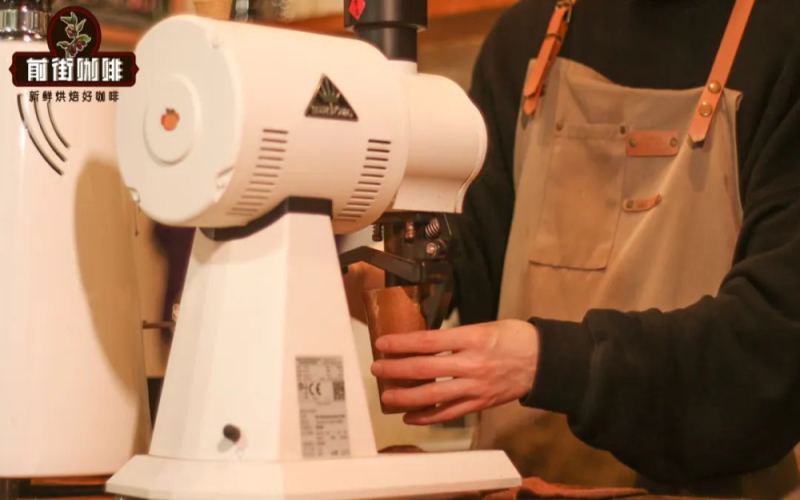
The grind size for pour-over coffee has always been a problem that puzzles many enthusiasts—the same description of "coarse sugar size" can be understood very differently by different people, and communication deviations directly lead to flavor differences. To solve this problem, Front Street Coffee adopted a "sieve calibration method," using a No. 20 sieve to quantify the grind level. This article will introduce the operating steps of this method in detail: how to choose a sieve, how to measure the pass-through rate, why it is recommended to control it at 80%, and when the grinder quality is poor, how to use brewing time and coffee bed state to assist in judging whether the grind is appropriate. No matter what grinder you use, this method can help you find a relatively stable grind reference. [more…]
How to distinguish coffee bean grind sizes? A reference for pour-over grind adjustment and 0.85mm sieve calibration
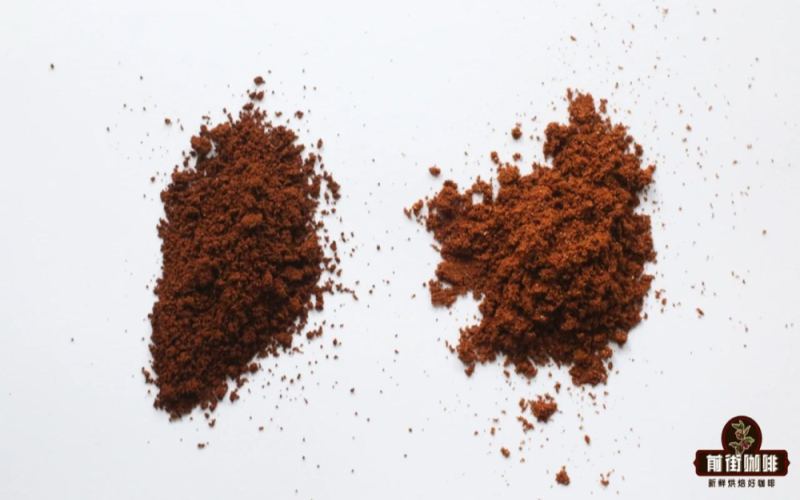
The first step in coffee brewing often begins with grinding. Different extraction methods have different requirements for coffee grounds: a French press needs coarse particles visible to the naked eye, while a Turkish pot requires a grind as fine as flour. At the same weight, the finer the grind, the greater the number of cuts and the larger the surface area, and the more opportunities water has to contact the coffee grounds, so flavor compounds are released faster. To move away from vague descriptions like "as coarse as granulated sugar," Front Street Coffee uses standard sieves to calibrate particle size: generally, pour-over coffee particles are between 600-850 microns; when tested with a 0.85 mm (No. 20) sieve, the pass rate is about 80% for light roasts and about 65-70% for medium-dark roasts. This article will also compare the pass rates of common methods such as cold drip, siphon, moka, American drip filter, cupping, and French press, and introduce the effects of conical burrs, flat burrs, and ghost teeth burrs on grinding results, as well as recommendations for choosing between hand grinders and electric grinders. [more…]
How Coffee Grind Size Determines Flavor Expression: A Complete Guide from Resting Beans to Sieve Calibration
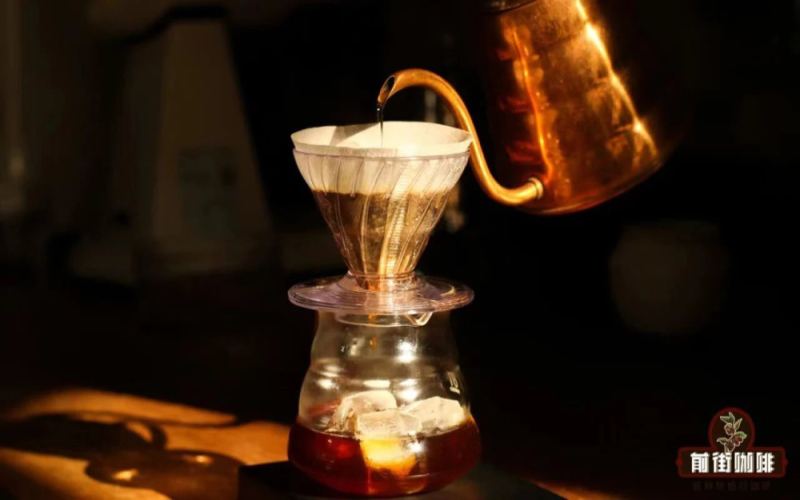
How coarse or fine you grind your coffee directly affects the contact area between water and coffee particles and the extraction time, and it is also a key variable that determines whether a cup of coffee tastes good or not. But grind size is precisely the part that many enthusiasts are least sure about. Starting from Front Street Coffee's practical experience, this article first explains the prerequisite effects of fresh roasting and bean resting on grinding results, then analyzes the different flavor directions of fine and coarse grounds, and afterward gives a specific method for calibrating the pass rate with a 0.85mm cupping sieve. It also lists reference ranges for light, medium, and dark roast beans, and finally includes a practical summary for judging coarseness by brewing device when you do not buy a sieve. [more…]
How to Calibrate Pour-Over Coffee Grind Size? A Guide to 80% Pass Rate on a #20 Sieve and Grinder Setting Adjustment
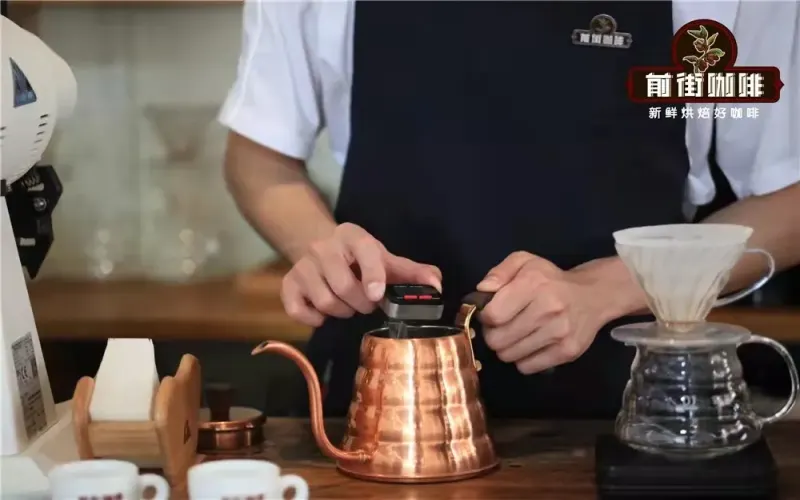
Grind size is the most difficult part of pour-over parameters to master. Front Street Coffee uses an 80% pass rate through a No. 20 sieve as a beginner-friendly calibration baseline, but different grinders vary enormously in performance, and the same sieve pass rate can produce drastically different flavor outcomes. This article centers on grind calibration: it first explains the limitations of the sieve method and the particle size distribution characteristics of uniform grinders such as the EK43s, then offers remedies for poor-quality grinders, including hand grinder RPM control, the pull-back technique for staged grinding, and the direction for adjustment when too many fines cause off-flavors. Finally, it discusses the criteria for deciding whether sieving is necessary and the practical technique of a single-pour flush to wash away fines, helping you find the grind parameters that suit you. [more…]
How to Choose the Grind Size for Pour-Over Coffee? A Practical Guide from Extraction Principles to Sieve Calibration
The flavor expression of pour-over coffee is directly related to the grind size. The coarseness of the particles not only determines how easily water passes through the coffee bed, but also influences the efficiency with which flavor compounds are released. When the grind is finer, extraction resistance increases, the flow rate slows, and the coffee tends toward intensity; when the grind is coarser, water passes through smoothly, the extraction yield drops, and the flavor tends toward weakness. So in everyday brewing, how can you find the right grind setting for beans of different roast levels? Starting from Front Street's brewing experience, this article sorts out the specific effects of grind size on extraction, explains the typical manifestations of over-fine and over-coarse grinds during brewing, and introduces a method for judging whether the grind is appropriate using a 0.85mm test sieve. [more…]

How Fine Should You Grind Coffee for Pour Over? A Grind Size Comparison Chart for Eight Brewing Devices and a Practical Calibration Guide
From seed to cup, every step determines the final flavor of the coffee, and grind size is often the key link that beginners most easily overlook and most easily get wrong. The tiny differences produced by the same grinder at different settings are enough to make a cup of good beans taste flat or even bitter. This article systematically sorts out the internal relationships between grind coarseness and extraction yield, contact time, and flow rate, and lists one by one the grinding standards corresponding to eight brewing devices: Turkish coffee, espresso, AeroPress, siphon, pour-over, moka pot, cold brew ice drip, and French press. The article also introduces a method for calibrating grind size using a standard sieve, and, based on the SCA-recommended pour-over passing rate, shares the complete brewing parameters and flavor performance of Front Street Ethiopia Huakui natural, for enthusiasts to reference and adjust. [more…]
How Fine Should You Grind for Pour-Over Coffee? A Full Analysis of Grinder Burr Types and Sieve Calibration
Grind size is one of the core variables in pour-over coffee extraction, directly affecting water flow rate, extraction yield, and the final flavor profile. But with conical burrs, flat burrs, ghost tooth burrs, and other burr types on the market, along with the complex distribution of coarse, fine, and extra-fine particles, how can you find the right grind setting for your coffee beans? Front Street Coffee starts from how burr structure affects particle size, combines it with practical testing methods using standard inspection sieves, and systematically sorts out the grind passing-rate standards corresponding to different roast levels and brewing methods, helping you determine grind parameters in a quantifiable way so that every brew is more stable and controllable. [more…]
How to Determine the Grind Size for Pour-Over Coffee? A Complete Method from Sieve Measurement to Flavor Calibration
Many coffee enthusiasts often feel that their brews don't taste as good as those in cafés, but the problem often lies in the grind size. Extraction yield and concentration are affected by four factors: grind, ratio, time, and water temperature—and among these, only grind size cannot be precisely judged by the naked eye. To help everyone find the right grind coarseness, Front Street shares three practical methods: measuring the passing rate with a No. 20 sieve, observing the flow rate and extraction time, and tasting the flavor to work backward and adjust. The article also gives specific grinding recommendations and passing rate references for beans of different roast levels, and retains Front Street's brewing parameters and product examples. [more…]
Pour-Over Coffee Grind Size Selection Guide: Three Methods for Judging Grind and the Practical Application of Particle Size Distribution
How should you determine the grind size for pour-over coffee? This is the first challenge many coffee enthusiasts encounter when getting started. This article systematically introduces three methods for judging grind size—visual analogy, grinder setting reference, and sieve calibration—analyzing the pros, cons, and applicable scope of each, and further introduces the advanced concept of "particle size distribution" to help understand how grind uniformity affects extraction. At the same time, Front Street Coffee, drawing on its own brewing framework, shares how to combine visual observation, data, and brewing tests to find the pour-over grind size that suits you in a more practical way. [more…]
How to Interpret Coffee Grind Settings from 1-10? A Detailed Guide to EK43 Grinder Calibration and Pour-Over Coarseness Selection
Grind size has a decisive influence on the final flavor of a cup of coffee: if the grounds are too fine, over-extraction is likely; if too coarse, under-extraction may occur. Faced with the 1-to-10 settings on a grinder, many coffee enthusiasts don't know how the numbers correspond to coarseness, nor are they clear about what grind level to choose for different brewing methods. Drawing on the practical experience of Front Street Coffee, this article systematically sorts out the standards for coffee grind size, the appropriate grind levels for common brewing methods, and the reference values for the EK43 grinder. It also explains in detail how to use a 0.85mm No. 20 sieve for sieve verification, helping you accurately judge and adjust grind size at home, so that every cup of coffee can consistently present its ideal flavor. [more…]
How does espresso grind size affect flavor? A guide to common setting references and adjustment approaches
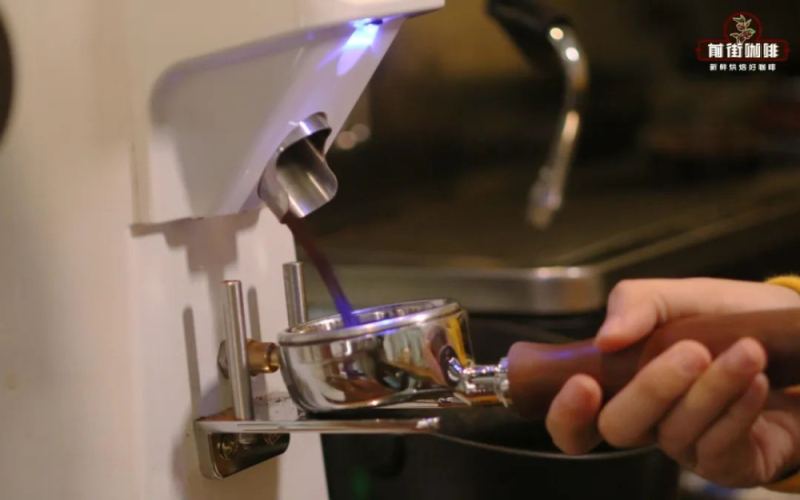
Grind size is one of the key variables that determines the direction of coffee flavor, especially in the pressurized, short-extraction espresso system, where a tiny change in the setting can tip a shot from balanced to over-extracted or under-extracted. This article focuses on how grind size affects taste. It first explains why a standard sieve is needed to confirm the actual particle size, then compares the different tolerances for grind precision in pour-over versus espresso, and afterward gives beginners a two-step method to quickly lock in the espresso grind range, along with guidance on fine-tuning based on flavor feedback. The article also explains why Front Street Coffee recommends buying whole coffee beans rather than pre-ground coffee, helping readers build a daily grind-calibration management habit. [more…]
How Coffee Grind Size Affects Flavor in Pour-Over | Coffee Grounds Shelf Life and Grind Adjustment Methods
The grind size of coffee directly determines the contact area between water and coffee grounds as well as the extraction rate, thereby profoundly influencing the flavor profile of the final cup. However, when faced with different brewing devices and roast levels, how to find the right grind size has become a challenge for many coffee enthusiasts. This article draws on the practical experience of Front Street Coffee, first emphasizing the importance of fresh roasting and bean resting, then carefully analyzing the bidirectional impact of grind size on flavor—too fine leads to bitterness, while too coarse results in a weak and bland cup—and provides specific passing rate references for calibration using a No. 20 sieve (0.85mm). It also offers recommendations for matching brewing devices and coffee beans across five levels: extra fine, fine, medium-fine, medium, and coarse, helping readers find their own perfect cup of coffee. [more…]
How Does Grind Size Shape Coffee Flavor? A Guide to Dialing In Grind for Pour-Over, French Press, Cold Brew, and Espresso
Whether a cup of coffee is light or bitter is often foreshadowed the moment the beans are ground. The coarseness of the coffee particles directly determines the release rate of soluble flavor compounds—it must fully extract the pleasant aromas and sweet-tart notes while avoiding the emergence of bitter, off-flavors. This article focuses on four common extraction methods—pour-over, French press, cold brew drip, and espresso—explaining the suitable grind range for each, and introduces how to calibrate grind size with a No. 20 standard sieve (0.85mm aperture), so that every bean can find the right brewing coarseness. The article also retains Front Street Coffee's empirical parameters from actual cupping and in-store dialing, for coffee enthusiasts to use as a reference. [more…]
How Fine Should You Grind for Pour-Over Coffee? A Complete Guide from Cupping Standards to Brewing Adjustments
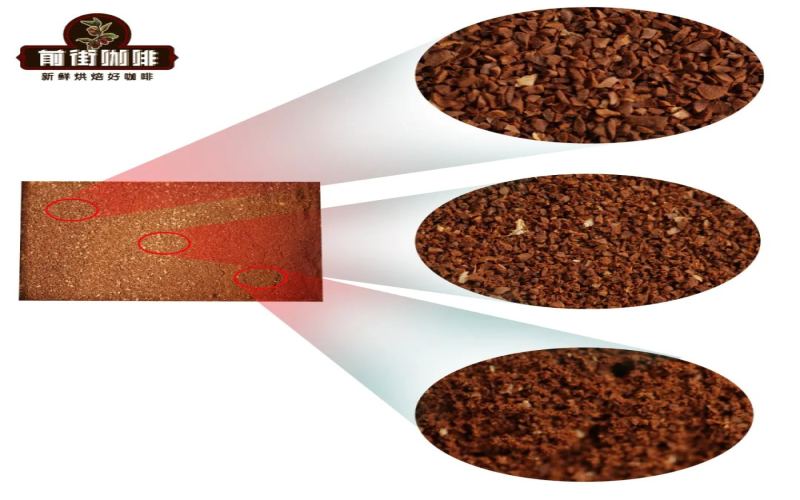
For pour-over coffee enthusiasts, grind size is often the trickiest variable to master. Starting from the industry-recognized cupping standard, this article explains how to precisely calibrate grind size with the help of a No. 20 standard sieve, and analyzes in detail the differences in brewing performance caused by grinding too fine and too coarse. It also presents the practical calibration method recommended by Front Street Coffee, explains the sieve-passing rate ranges that coffee beans of different roast levels should match, and shows how to flexibly adjust the grind by observing the flow rate during brewing, helping you reproduce coffee flavors more consistently in your daily brewing. [more…]
How to Choose the Grind Size for Pour-Over Coffee: A Complete Guide from Judging Coarseness to Dialing In Extraction
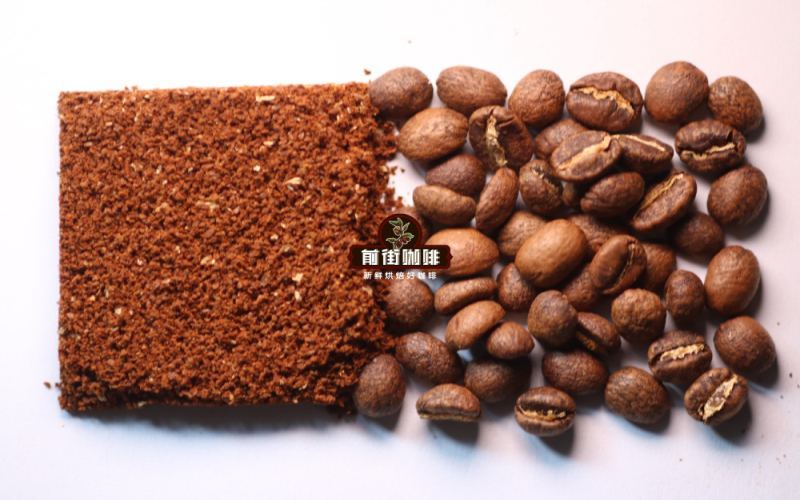
Grind size is the most error-prone part of pour-over coffee. After answering a large number of questions from enthusiasts, Front Street Coffee found that more than half of all brewing problems stem from improper grind selection. This article starts with why coffee needs to be ground, then analyzes in detail how coarse and fine grinding affect extraction, introduces the reference passing rate for a No. 20 sieve under the SCA cupping standard, and provides the criteria for judging the ideal particle size range and the proportion of superfine particles. In addition, it shares practical methods for using extraction time and the rate at which the coffee bed settles to help judge whether the grind size is appropriate, so you can make reasonable adjustments even without a professional sieve. [more…]
Coffee Grind Size Comparison Guide: A Detailed Explanation of Electric Grinder Settings, Particle Diameter, and Brewing Compatibility
Grind size is the key variable that determines the success or failure of coffee extraction, and different brewing devices have significantly different requirements for particle diameter. This article systematically sorts out the corresponding grind settings from French press to espresso machine, introduces the industry-recognized cupping standard and the No. 20 sieve pass rate as calibration references, and provides specific scale references for the EK43s grinder. Whether you prefer immersion or pour-over, you can find suitable grind parameters here. The article also specifically reminds readers that coffee bean density and roast level will affect the actual particle coarseness at the same setting, so it is recommended to repeatedly confirm with the same beans. Several Front Street Coffee beans are also used as examples throughout to help readers understand the logic of grind adjustment more intuitively. [more…]
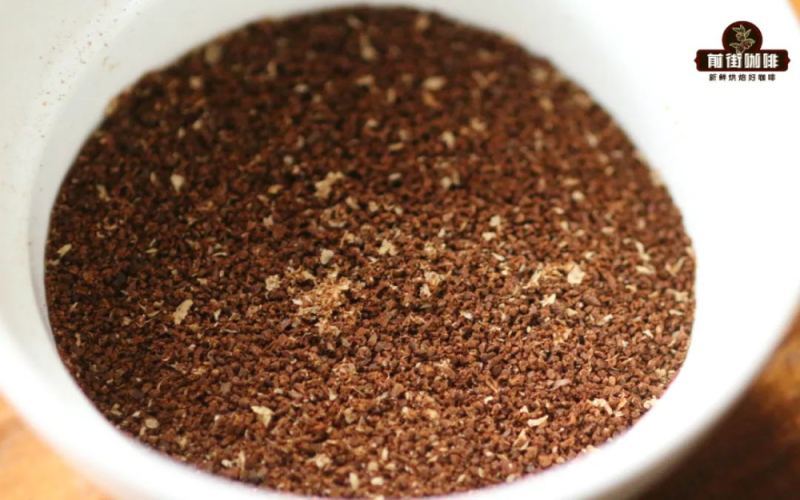
How Does Coffee Grounds Coarseness Affect Flavor in Pour-Over? Mastering the Relationship Between Grind Size and Extraction Time
Grind size is one of the most difficult variables to master in pour-over coffee; it directly determines how efficiently water contacts the coffee grounds, and in turn affects the final flavor. Grind too fine, and the coffee easily turns bitter; grind too coarse, and the taste comes across as thin. Behind this are both the physical reasons of surface area and penetration distance, as well as the way the coffee bed obstructs the flow of water. Front Street Coffee tends to work backward from brew time to judge whether the grind setting is appropriate, and recommends using a No. 20 sieve to calibrate the passing rate. This article breaks down these principles one by one, and also explains the correct procedure for sieve calibration along with common misconceptions, to help you find that balance point within your own brewing system. [more…]