







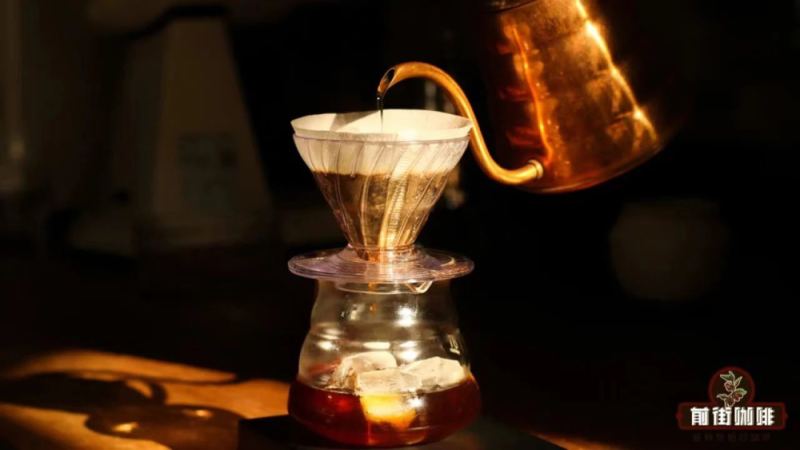
The grind size of coffee directly determines the contact area between water and coffee grounds as well as the extraction rate, thereby profoundly influencing the flavor profile of the final cup. However, when faced with different brewing devices and roast levels, finding the right grind size has become a challenge for many coffee enthusiasts. Drawing on the practical experience of Front Street Coffee, this article first emphasizes the importance of fresh roasting and bean resting, then carefully analyzes the bidirectional impact of grind size on flavor—too fine leads to bitterness, too coarse results in blandness—and provides specific passing rate references for calibration using a No. 20 sieve (0.85mm). It also offers recommendations for matching brewing devices and coffee beans across five levels: extra fine, fine, medium-fine, medium, and coarse, helping readers find their own perfect cup of coffee.
For more specialty coffee knowledge, please follow: Front Street Coffee ( Frontsteet Coffee )
Whether coffee is ground coarse or fine not only affects the surface area of the grounds that water can contact, but also influences the time required for the entire extraction process, ultimately shaping the flavor in the cup. For this reason, setting the grind size is often the most confusing step for many people when brewing. Today, Front Street will discuss how to determine whether the grind should be adjusted coarser or finer for different types of coffee beans.
Step one: make sure you have freshly roasted single-origin beans or espresso blends.
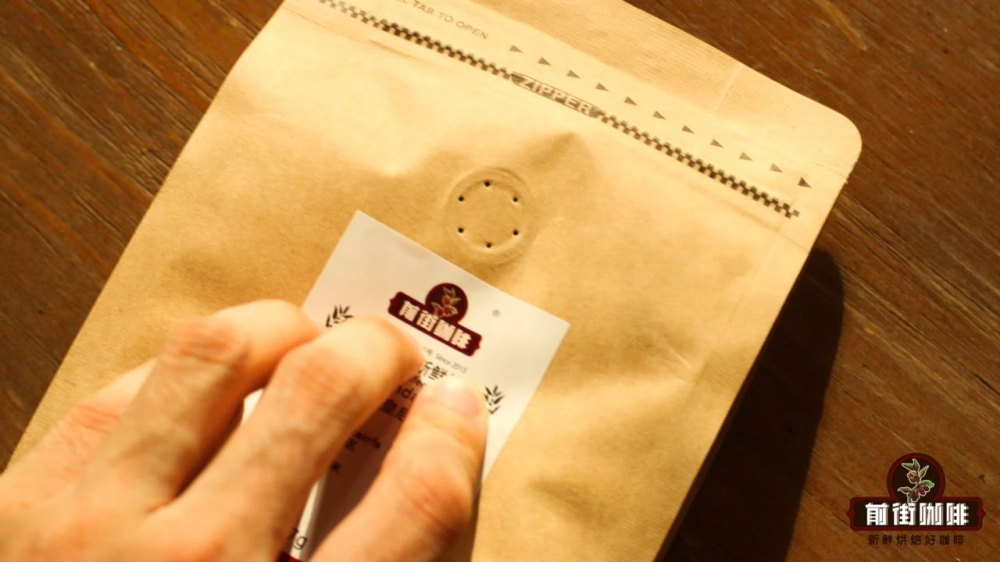
When purchasing coffee beans, prioritize products with packaging that has a one-way degassing valve and a clearly labeled roast date. That small button-like hole on the upper part of the bag serves to let carbon dioxide released by the beans escape smoothly while preventing outside air from flowing back into the packaging. Every bag of coffee beans produced by Front Street Coffee (FrontStreet Coffee) is freshly roasted and comes in packaging equipped with a one-way degassing valve.
After receiving the beans, the first thing to do is check the roast date. During roasting, coffee beans accumulate a large amount of carbon dioxide internally, so 3 to 7 days need to be set aside for the beans to degas on their own—a process commonly known as resting. If freshly roasted beans are brewed immediately, the large amount of carbon dioxide will continue to be released during extraction, making the entire brewing process highly unstable. As for how long to rest them, Front Street recommends: rest medium-light roasted beans for 3 to 4 days, and medium-dark roasted beans for 4 to 5 days.
As just mentioned, the most intuitive manifestation of coffee bean freshness is carbon dioxide emission. In addition, the freshness of the beans also determines the retention of flavor and aroma. Those aromatic compounds with smaller molecules volatilize much faster than the larger molecular components that constitute bitterness. Therefore, the less fresh the beans, the less carbon dioxide and aromatic substances remain, and the fewer substances can be extracted.
Front Street recommends that roasted coffee beans be consumed within 2 months, and if already ground, best consumed within 20 days . If the beans themselves are no longer fresh, no amount of grind adjustment will help.
So how exactly does grind size affect coffee flavor?
1. At the same weight, the finer the grind, the more cuts are needed, the larger the surface area becomes, and the more coffee ground surface area water can contact.
2. The finer the grind, the smaller the particles the coffee is cut into, the shorter the distance from the particle surface to the center, and the shorter the time needed for water to penetrate into the particle interior to complete extraction—in other words, the easier it is to extract flavor compounds.
Simply put, all else being equal, the finer the particles, the higher the extraction yield. The finer the grind, the larger the contact area with water, and naturally the higher the dissolved coffee concentration; conversely, the coarser the grind, the smaller the contact surface area, and the lower the extracted concentration.
What happens when coffee is ground too fine?
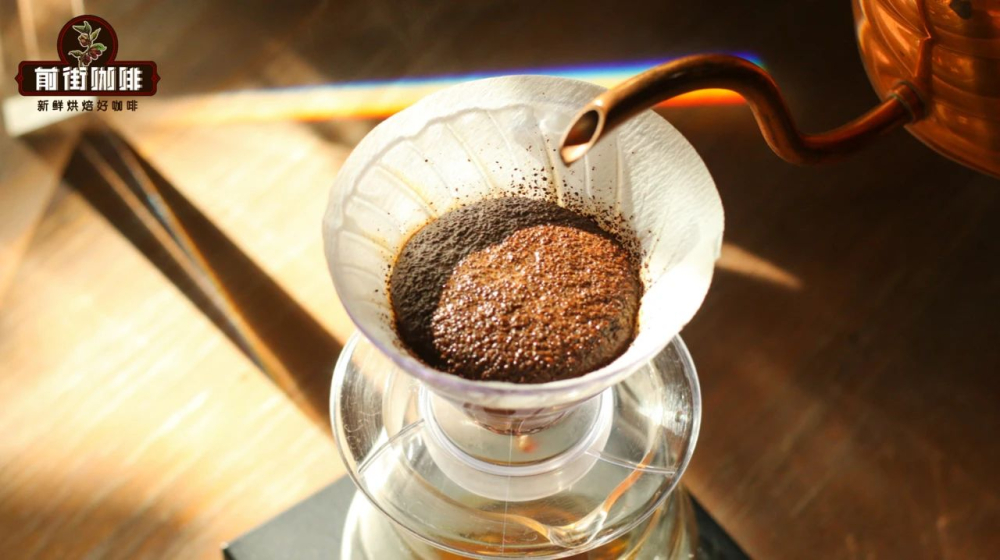
Visually, the particle size is smaller, and because the particles are small, the gaps between them are narrower, making it harder for water to pass through, so the drip filtration takes longer during brewing. A finer grind makes coffee particles smaller, increases surface area, and gives water more locations to extract substances from, so both concentration and extraction yield rise. It tastes intense, with prominent bitterness and astringency, while other flavors are masked.
What happens when coffee is ground too coarse?
Visually, the particle size is larger, the spacing between particles is wider, and water passes through the coffee bed more easily, so filtration is faster during brewing. A coarser grind results in larger particles, reduced surface area, and fewer locations for water to extract substances from, so concentration and extraction yield decrease. It tastes bland and watery, with a light mouthfeel and almost no perceptible flavor.
How should we determine coffee grind size?
Front Street recommends using a No. 20 sieve (mesh size 0.85mm) to calibrate grind size. Take 10g of coffee beans, grind them roughly, pour into the sieve and sift. After sifting is complete, observe the amount of coffee grounds that finally fall into the tray, and calibrate the grind size based on the passing rate. Front Street Coffee (FrontStreet Coffee)'s grind size standards by sieve passing rate are: Cold Brew > Pour Over, Syphon 80% > Moka Pot, American Drip 75-80% > Cupping 70-75% > French Press 65-70%.
Of course, coffee beans with different roast levels correspond to different grind sizes. For example, when Front Street brews light-roasted coffee, it uses a grind with a passing rate of 80-85% through a 0.85mm sieve; for medium-roasted coffee, it uses a grind with a passing rate of 70%-75% through a 0.85mm sieve; and for dark-roasted coffee, it uses a grind with a passing rate of 65%-70% through a 0.85mm sieve. However, everyone's requirements for coffee strength differ, so these data are for reference only. You can still adjust to different degrees based on your own taste preferences.
What if you don't want to buy a grind calibration sieve?
Front Street knows this whole process is indeed a bit cumbersome, so we've put together a general correspondence guide for coffee grind sizes, making it easy for everyone to choose according to their brewing tool. Front Street divides coffee grind coarseness into five levels: extra fine, fine, medium-fine, medium, and coarse.
(From left to right: coarse, fine, extra fine)
Extra fine: suitable for making espresso (moka pot, espresso machine)
When making espresso, you must tamp the coffee grounds firmly so they create resistance against the high-pressure hot water, allowing the essence of the coffee to truly be extracted. The more uniform and fine the grind, the tighter the puck after tamping, and the more even the resistance to water. Only espresso "squeezed" out this way will have rich crema.
Fine: suitable for making drip bag coffee
This grind size is Front Street's "soulmate" for making drip bag coffee. This is mainly because drip bags are entirely made of filter paper, so the flow rate is very high. Unlike pour over, they don't have a narrowed opening—for example, the commonly used three-hole dripper actually serves to slow the water outflow—so drip bags need finer grounds to increase the extraction area and extract more substances.
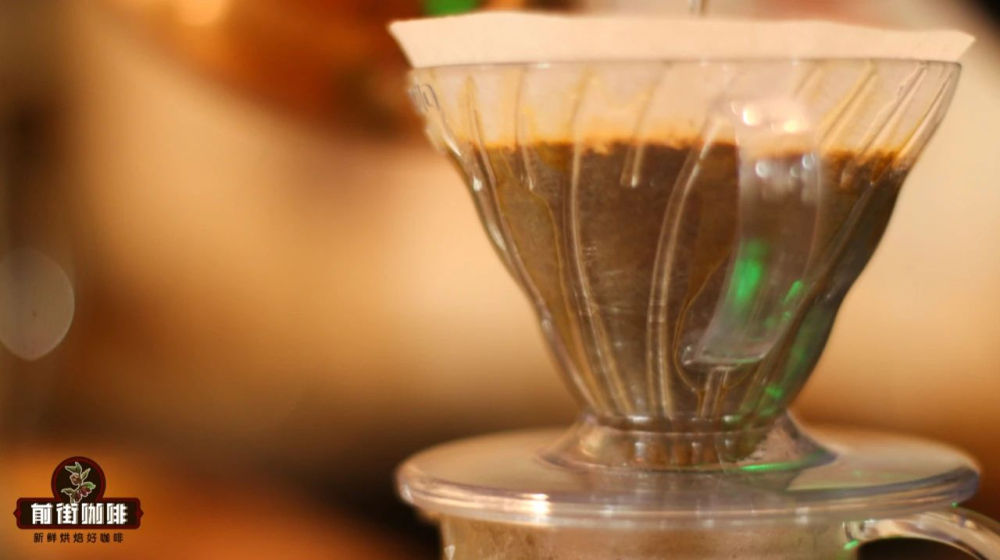
Medium-fine: suitable for brewing medium-light roasted coffee (various pour over drippers), recommended: Front Street Fruit Ding Ding, Front Street Flower Kui, Front Street Geisha, Front Street Strawberry Candy
Front Street uses medium-fine grind when brewing medium-light roasted coffee beans, roughly the size of fine granulated sugar, with a grind passing rate between 75%-80%. Because medium-light roasted coffee beans usually have rich acidity, a medium-fine grind can enhance the overall sweet-and-sour expression of the coffee.
Medium: suitable for brewing medium-dark roasted coffee (various pour over drippers), recommended: Front Street Jamaica Blue Mountain, Front Street Golden Mandheling, Front Street Huilan
Front Street uses medium grind when brewing medium-dark roasted coffee beans, roughly the size of coarse granulated sugar, with a grind passing rate between 70%-75%. Medium grind is less likely to produce extra fine powder, and less likely to cause a large amount of water to accumulate on the dripper and soak the coffee grounds due to unstable pouring at the beginning, which would lead to over-extraction.
Coarse: suitable for making coffee with a French press
The French press extracts the most original flavor of coffee through a 4-minute immersion. Compared with pour over coffee, its coffee liquid is relatively cloudy because the metal filter mesh has larger openings. So in terms of grind size, we need to use coarse grounds: first, to allow the coffee flavor to be extracted slowly; second, so that when the French press presses down the filter, the coffee grounds won't "escape" through the gaps in the mesh and mix into the coffee, affecting the mouthfeel when tasting.
The above content is compiled by CoffeeHunters, a coffee news website.


